Newsletters




In 1990, the last time a Gulf state dared to aggressively defy oil quotas while its neighbor was nursing the wounds of a brutal war with Iran, the response wasn't a diplomatic cable—it was a column of tanks rolling across the border.
Back then, Kuwait’s decision to flood the market with cheap crude pushed a debt-ridden Iraq into a fiscal abyss, leading Saddam Hussein to conclude that invasion was the only way to stabilize his own survival.
Today, as the United Arab Emirates unilaterally severs its 60-year marriage to OPEC, the ghosts of that era are resurfacing, forcing a question that Washington is only beginning to answer: Is this the "energy miracle" the United States always wanted, or has it inherited a volatile new world it isn't ready to manage?
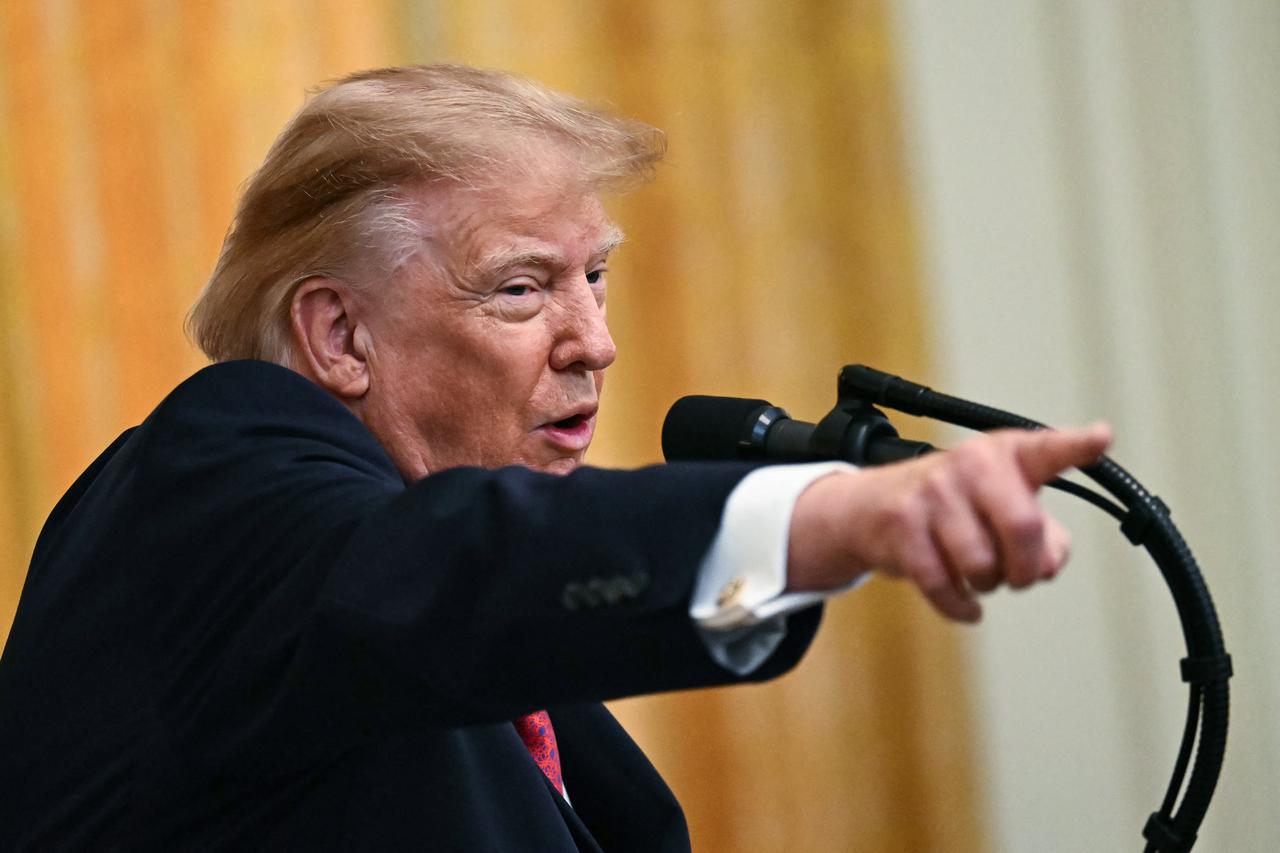
The immediate optics in Washington suggest a definitive triumph. For a president who has spent years accusing OPEC of "ripping off the rest of the world," the UAE’s exit is being hailed as the moment the cartel’s "stranglehold" finally broke.
From this vantage point, the UAE has transitioned from a mere bloc member to a "balancing producer" prioritizing market stability, says Ebtesam al-Ketbi, president of the Emirates Policy Center. In practice, this repositioning effectively elevates American commercial interests above the price-fixing whims of the broader cartel.
However, beneath the celebratory press releases lies a more precarious reality. While the UAE is now positioned as Washington's "diplomatic favorite," this new status comes with heavy financial and security baggage. The regional war with Iran has hammered the UAE’s economy, disrupting dollar flows and forcing Abu Dhabi to seek currency swap lines to ensure liquidity.
The real risk now for the U.S. is that if the cartel is "dethroned," the primary mechanism for global price stability has also been dismantled.
The UAE’s departure was described by a senior Emirati official as a move that was "a long time coming." While the immediate catalyst appears to be the pressures of the ongoing war with Iran, the roots of the divorce lie in a fundamental divergence of national interests between Abu Dhabi and Riyadh. For years, the UAE has invested billions in expanding its production capacity to 5 million barrels per day, a target it has now accelerated to 2027.
This "volume-driven" strategy has put the UAE on a collision course with Saudi Arabia, which has historically favored price-supporting production cuts to fund its own domestic "Vision 2030" projects. Emirati leadership increasingly viewed OPEC’s quotas as a straitjacket that privileged Saudi interests at the expense of Abu Dhabi’s sovereign economic goals.
The friction turned bigger, overlapping with other clashing political agendas and the public in late 2025, when the Saudi Air Force struck UAE-partnered Southern Transitional Council (STC) forces in Yemen. This military clash, followed by a bitter two-month war of words on social media over conflicting policies in Sudan and the Horn of Africa, shattered the veneer of Gulf solidarity. By the time the regional war with Iran intensified, the trust between the two Gulf giants had eroded to the point where Abu Dhabi felt empowered to strike out alone.
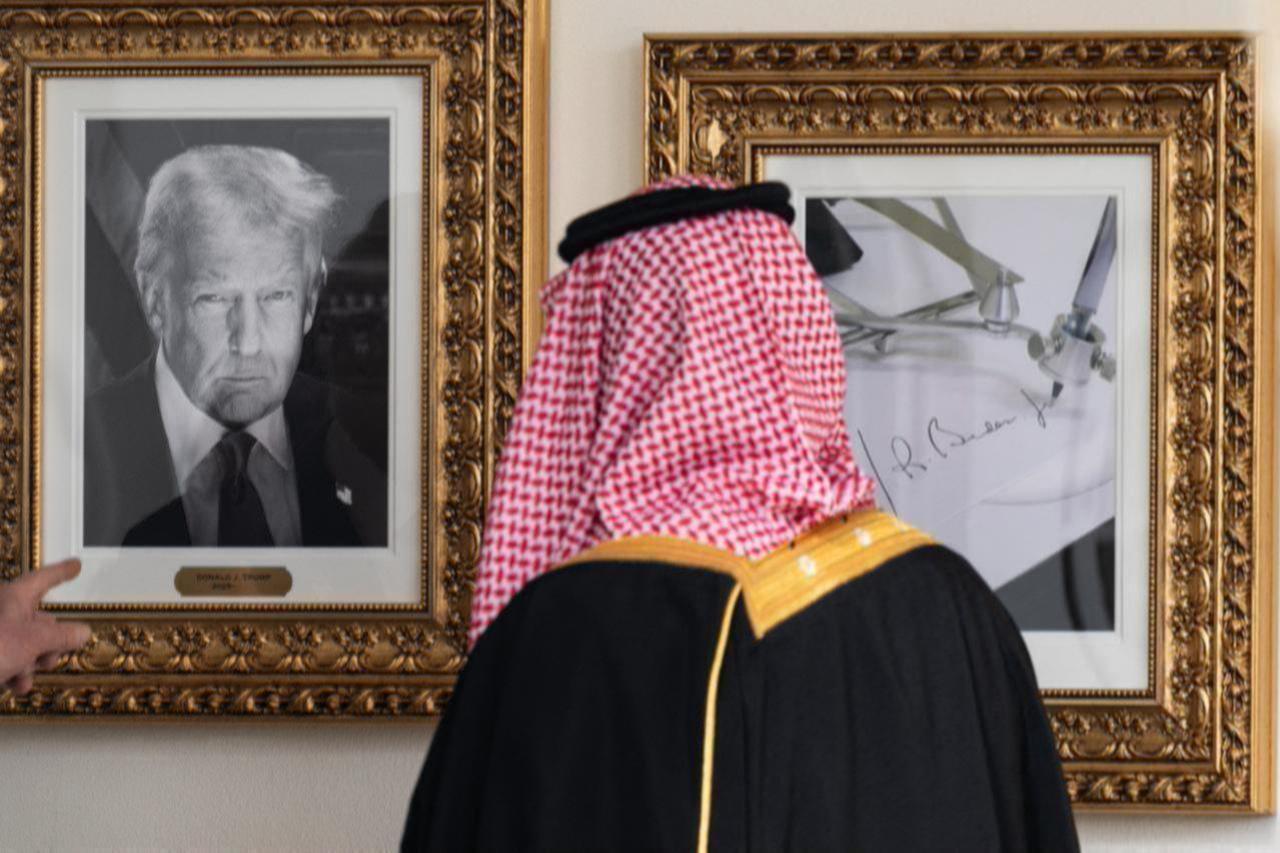

In Washington, the optics of the defection are being framed as a definitive triumph for the Trump administration’s "energy dominance" policy. The New York Post Editorial Board explicitly hailed the event as "another Trump miracle," arguing that "OPEC’s stranglehold on the global economy is finally coming apart at the seams."
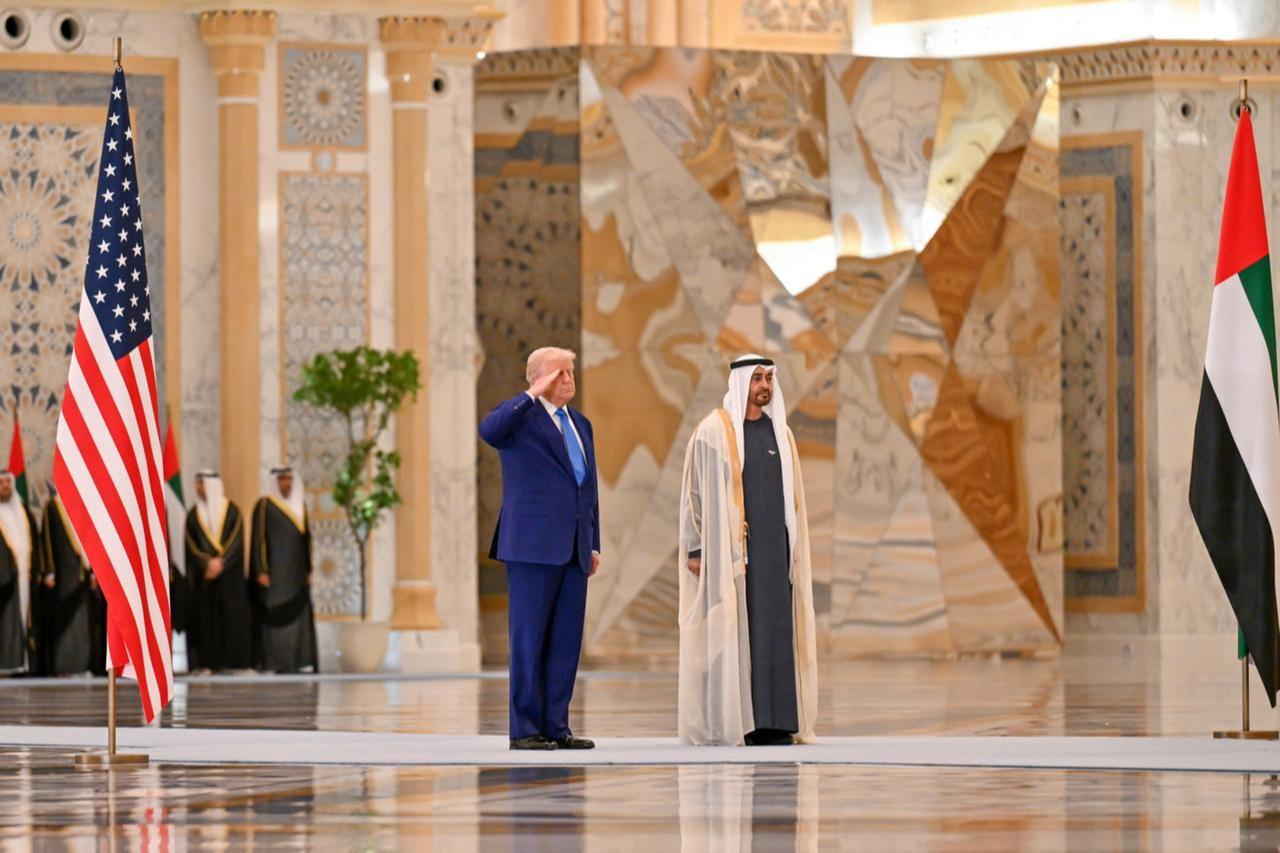
Patrick Wintour, diplomatic editor for The Guardian, analyzed that the defection "positions the UAE as the Gulf state closest to Donald Trump" while simultaneously delivering a "blow to Saudi Arabia's prestige."
Some analysts go further, wondering if this was a coordinated play. Ellen Wald of the Atlantic Council suggested the break could be the result of some sort of "deal" between the UAE, Israel and the U.S., perhaps trading a blow to OPEC for enhanced defense against Iranian aggression.
By positioning itself as the "diplomatic favorite" of the Trump administration, the UAE has secured unprecedented access to American technology and markets. From Washington's perspective, the defection not only rewards a loyal ally but also weakens the economic leverage of Iran and Russia, whose power has historically been tied to OPEC’s ability to manipulate prices.
By leaving the cartel, the UAE is attempting to shed its identity as a mere member of a bloc. Monica Malik, chief economist at ADCB, stated that this exit "opens the door for the UAE to gain global market share when the geopolitical situation normalizes."
Similarly, David Oxley of Capital Economics observed that while immediate market impacts are muted by the war, the move "suggests that global supplies will be higher than would otherwise be the case once the strait of Hormuz reopens."
However, this freedom comes with a need for diplomatic agility. Karen Young of Columbia University highlighted the UAE's "need for flexibility with key energy consumers as well—including a future relationship with China and a more competitive relationship with Saudi Arabia."
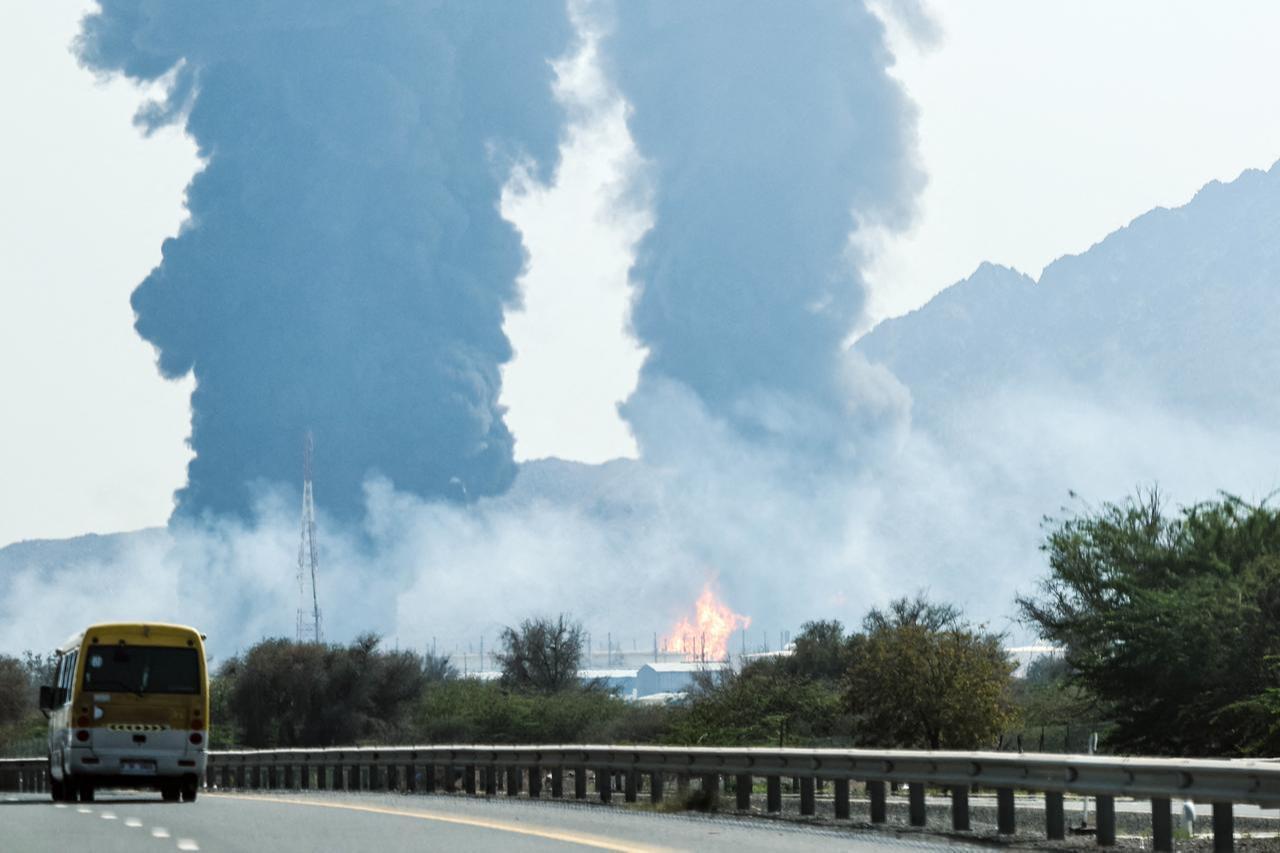
Despite the celebratory tone in some U.S. circles, the UAE’s exit introduces profound risks for global energy stability. Jorge Leon, an analyst at Rystad Energy, warned that a "structurally weaker OPEC" without the UAE will find it "increasingly difficult to calibrate supply and stabilize prices," potentially leading to a "more volatile oil market over time."
For American consumers, a weakened cartel does not guarantee lower prices at the pump. Mark Zandi, chief economist of Moody’s Analytics, explained the ruthless logic of the global market: "oil literally flows to the highest price. If a tanker can get a higher price in Malaysia than it can in Rotterdam... it’s going to go to Malaysia."
While lower oil prices are generally in the U.S. interest, the resulting market volatility is not. Washington now faces a strategic paradox: it has successfully "dethroned" its greatest energy rival, but in doing so, it may have inherited the role of the global market's "shock absorber"—a burden previously shared by a cohesive OPEC.
The UAE’s exit from OPEC marks the end of an era for Gulf geopolitics. Ultimately, the UAE’s "great Gulf divorce" is a calculated gamble that its future lies with American technology and high finance rather than a fractured energy alliance.
The immediate commercial gains are indisputable, as evidenced by the hundreds of billions in new investments flowing into American manufacturing and defense sectors. Yet, by bringing the UAE so closely into the American fold, the U.S. has also assumed a new set of risks. Washington must now navigate the UAE's urgent requests for financial backstops, the looming threat of de-dollarization in the oil trade, and a global energy market that is increasingly prone to wild price swings.
The paradox of the current developments is that while the U.S. has secured a decisive victory, it has inherited the grueling mantle of global "market regulator," a responsibility once distributed across a unified OPEC. If the "Trump miracle" fractured the cartel's influence, it simultaneously intensified the pressure on American diplomacy to ensure the "great Gulf divorce" does not escalate into a systemic regional conflict.
Washington may have achieved a score in the goal of eroding the cartel's power, but amid the volatility of regional friction and a transitioning financial order, it must now reckon with the isolation of its own hegemony.


 Set as preferred source
 Set as preferred source


 1 min read
 1 min read