Newsletters


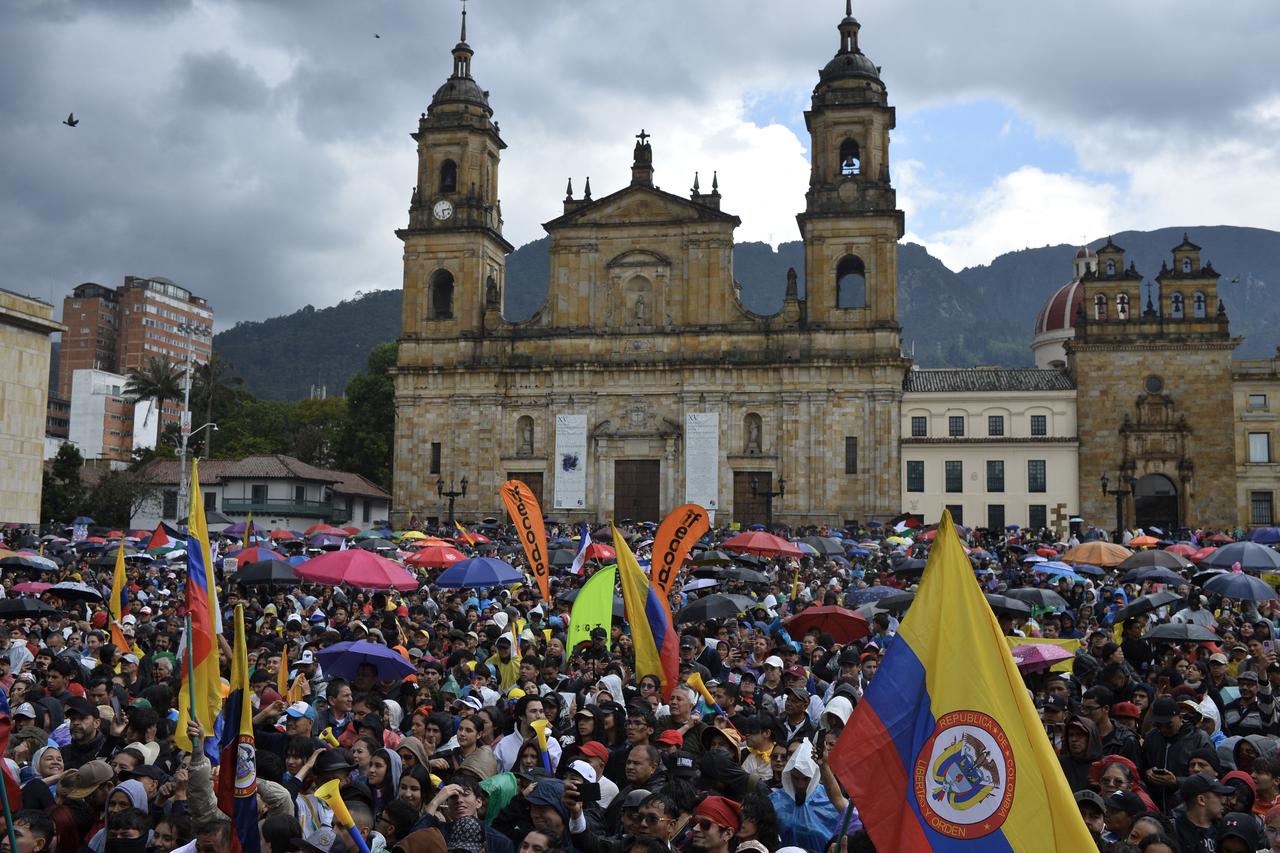


Thousands of people in Colombia marched in the first large-scale protest against the government of President Abelardo de la Espriella on Wednesday, who took office Aug. 7.
Marches dubbed the “National Strike” drew large crowds in the capital Bogota and in Medellin, Cali, Manizales, Bucaramanga, Barranquilla and Cucuta.
Trade union confederations joined the demonstrations alongside the left-leaning Historic Pact coalition, Indigenous communities, teachers, university students and various civil society groups.
Concrete demands on labor, education, the economy, social rights and territorial integrity came up during the marches, and several civil society organizations also criticized the government’s policies and first actions.
Protesters criticized campaign pledges such as restricting abortion and refusing to recognize Indigenous organizations, as well as budget cuts and measures like the Social Protest Decree.
Tight security surrounded the rallies, and no violence occurred.
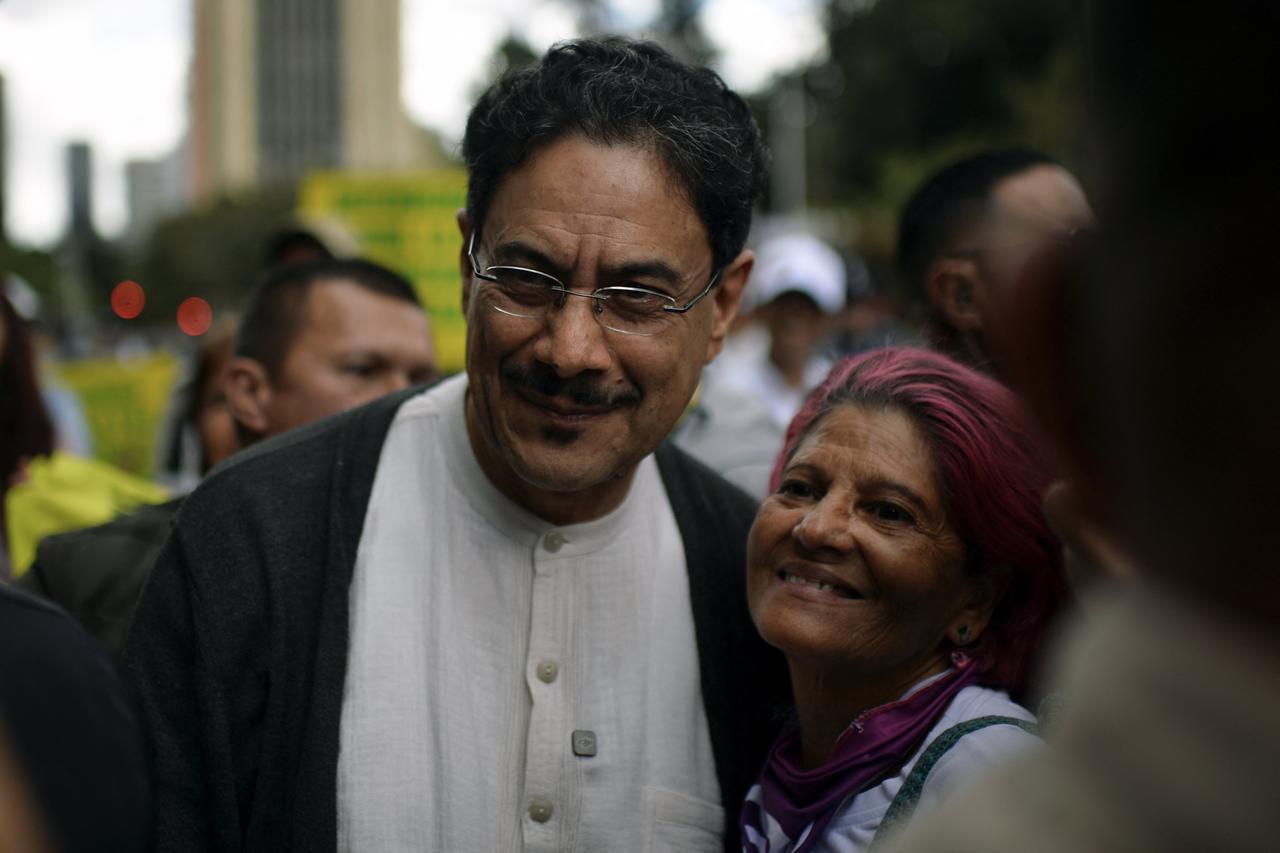
Former President Gustavo Petro also greeted demonstrators at Bogota’s historic Bolivar Square and reacted to De la Espriella.
Arguing that De la Espriella tried to block the right to protest, Petro said, “The people do not give up, understand that. This is how tyranny is answered. With dignity, with the desire to win again, fearlessly. Life is our comrade, not death. People will not surrender.”

The “National Strike” came just 1 day after De la Espriella signed the “Social Protest Decree,” a measure that has sparked serious debate in recent weeks and drawn criticism for restricting the right to demonstrate.
Under the decree, officials must first try to engage protesters in dialogue.
But the text states that dialogue “will not constitute a precondition for direct interventions against people involved in acts of violence, will not delay or suspend those interventions,” a wording that angers the opposition.
Ivan Cepeda, a prominent opposition figure who narrowly lost the presidential election to De la Espriella, stated that the government aims to “intimidate the people” and wants to keep citizens from protesting out of fear of violent police action.
Cepeda added, “De la Espriella wants to take us back to that era when fear became the main tool for arbitrary action by law enforcement.”
In his Oct. 12 statement, De la Espriella said peaceful protest is a “constitutional guarantee” but that the right “does not make attacking other citizens, destroying public property, threatening workers or blocking the passage of ambulances and emergency services legitimate.”
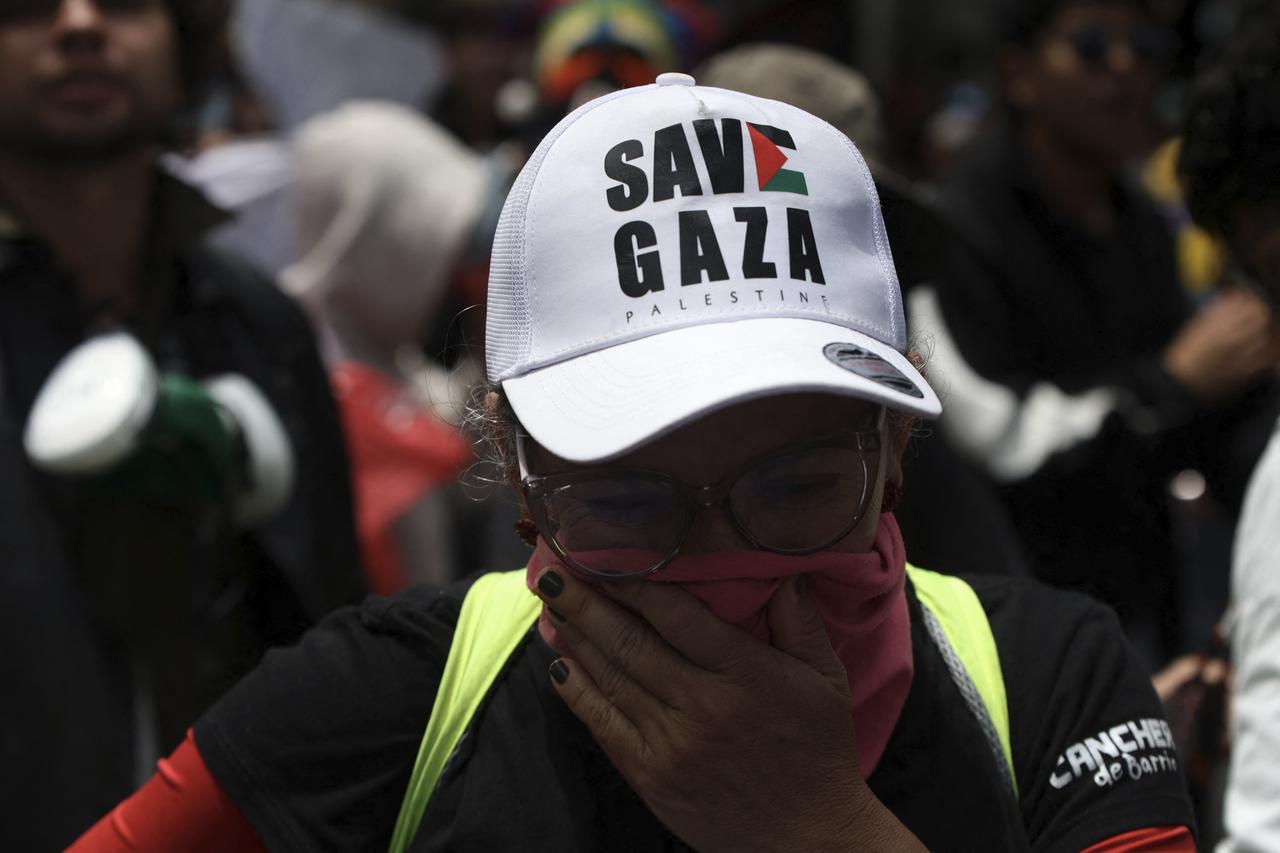
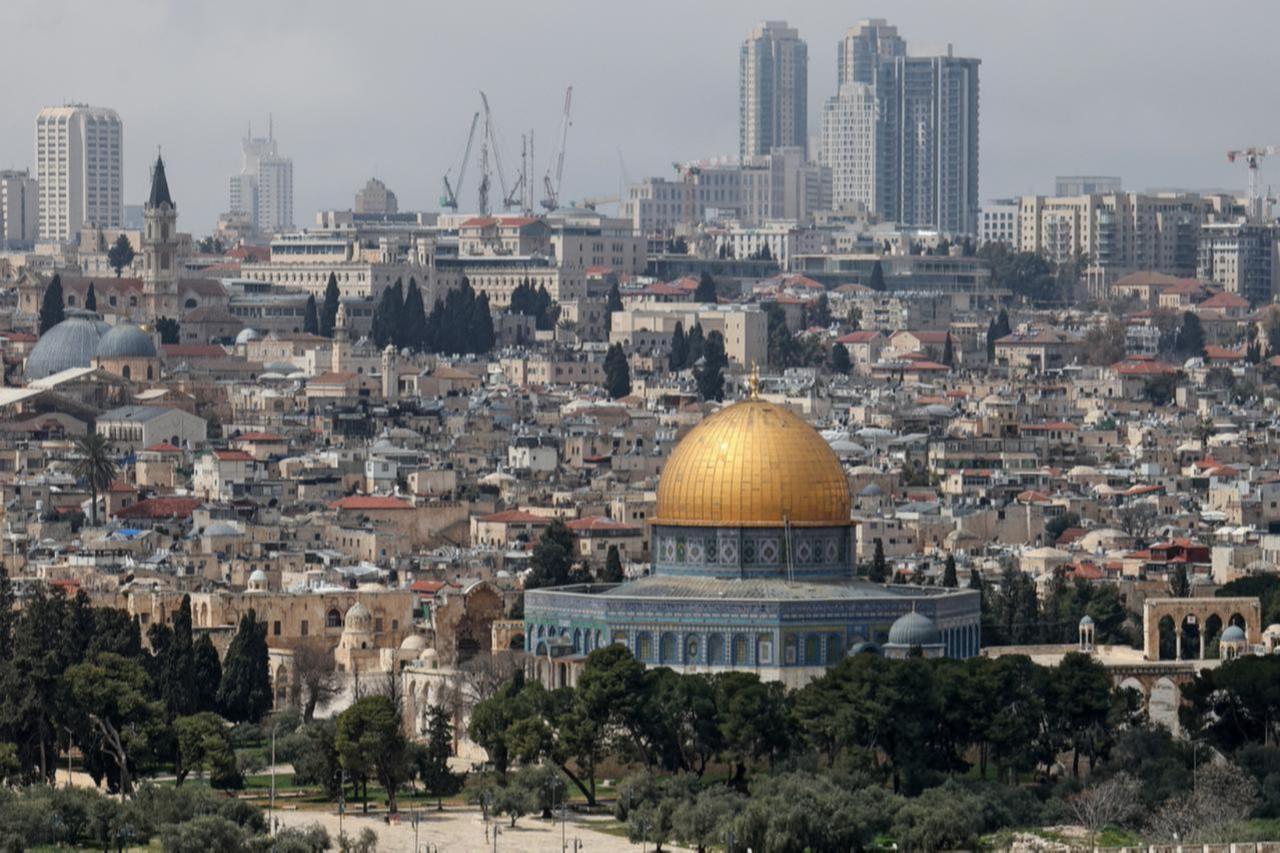
Protesters also condemn Israel's war in Gaza and the government's decision to open an embassy in Jerusalem, marking a major shift in the country's foreign policy.
The demonstrations were part of a nationwide mobilization against the conservative president's foreign and domestic policies, particularly his efforts to strengthen ties with Israel and align more closely with U.S. President Donald Trump's administration.
Protesters carried banners reading "We are not your backyard" and chanted slogans including "No to American interventionism" and "Zionists out, Gringos out, Abelardo out."
Demonstrators also burned a U.S. flag during the protest in Bogota.
 1 min read

The protests coincided with the official opening of Colombia's embassy in Jerusalem on Wednesday, reversing the previous administration's decision to sever diplomatic relations with Israel.
De la Espriella, who took office in August, restored ties that former President Gustavo Petro had cut in 2024 over Israel's war in Gaza.
His administration also reinstated a free trade agreement with Israel that had been suspended under Petro.
Colombian Foreign Minister Omar Bula attended the embassy's inauguration ceremony in Jerusalem, describing the move as a step toward strengthening bilateral relations.
Bula said diplomatic relations between the two countries "should never have been broken." "Israel is a strategic partner. It always has been, and from now on, it will be an even stronger one," he said.
The embassy opening represented "a concrete step towards fully restoring bilateral relations," he added.
Palestinian officials condemned the inauguration, warning that the decision undermined international law and damaged Colombia's longstanding diplomatic position on the Israeli-Palestinian conflict.


 Set as preferred source
 Set as preferred source


 1 min read