Newsletters


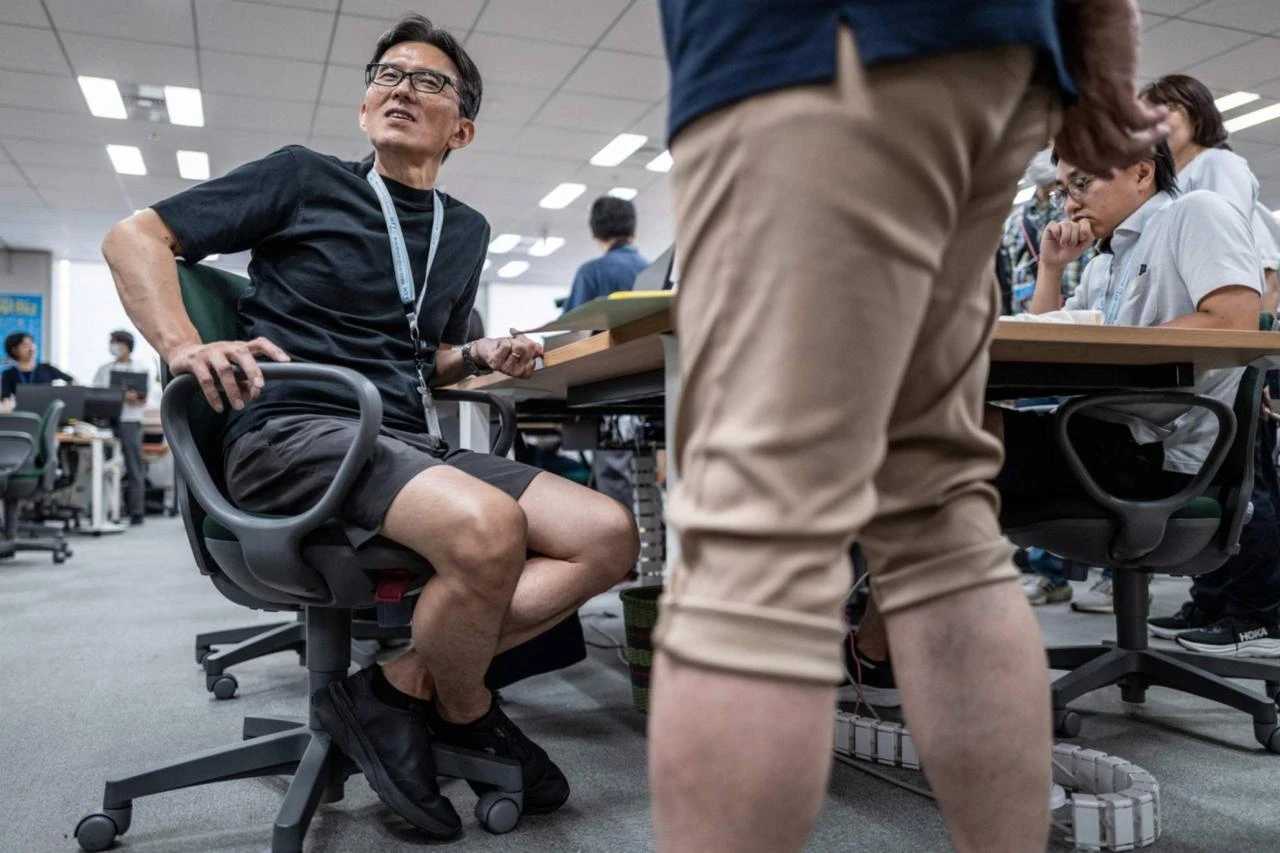


A Tokyo initiative encouraging men to wear shorts at work during periods of severe heat has opened up a wider debate over gender-based dress expectations, with some women arguing that office clothing rules remain unequal.
While male employees are increasingly being allowed to show up in shorts, women say they are often still expected to wear tights when their legs are visible.
The debate has also given rise to the online term "sunehara," meaning "leg hair harassment," which refers to the discomfort some people say they feel when they are forced to look at a colleague's exposed leg hair.
Tokyo Governor Yuriko Koike introduced "Tokyo Cool Biz" in April, encouraging workers to swap traditional suits and ties for more casual clothing, including T-shirts, trainers and shorts.
The initiative builds on Japan's long-running "Cool Biz" campaign, which promotes lighter workplace clothing during summer to reduce reliance on air conditioning and cut down energy consumption.
Several months after the new guidelines were rolled out, reactions remain mixed. Some employees have welcomed the opportunity to dress more comfortably, while others say the policy has brought an existing workplace double standard into sharper focus.
Tokyo Metropolitan Government environmental official Noboru Watanabe said the policy was designed to widen employees' choices rather than impose another dress code.
"We want to give people more options in the severe heat, not tell them what to wear. There should be no issue as long as the work attire is not offensive to anyone," Watanabe told the BBC.
Casual clothing had already started to catch on at Japanese startups and technology companies, but the Tokyo government's recommendation has helped make shorts more socially acceptable in other workplaces.
At the same time, some men have grown more self-conscious about exposing their legs. Dr. Akifumi Funatsu, director of Gorilla Clinic, said more clients had been turning to laser hair removal not only for cosmetic reasons but also as a matter of "social etiquette when wearing shorts."
Funatsu said some male clients appeared to believe that women preferred men to have less leg hair and were seeking treatment to avoid making colleagues uncomfortable.
Koike first introduced the original Cool Biz campaign in 2005 while serving as Japan's environment minister. The national initiative called on office workers to wear short-sleeved shirts and leave their jackets and ties at home during summer.
Government leaders helped the campaign catch on, with then Prime Minister Junichiro Koizumi regularly appearing in public without a jacket or tie.
Following the Tohoku earthquake and tsunami in March 2011, Japan brought in "Super Cool Biz," which widened the clothing guidelines and encouraged households and workplaces to further reduce energy use.
The latest expansion comes as Japan struggles with record heat and rising energy prices linked to instability in the Middle East.
The Japan Meteorological Agency has introduced the term "kokusho-bi," meaning a brutally hot day, for temperatures exceeding 40 degrees Celsius.
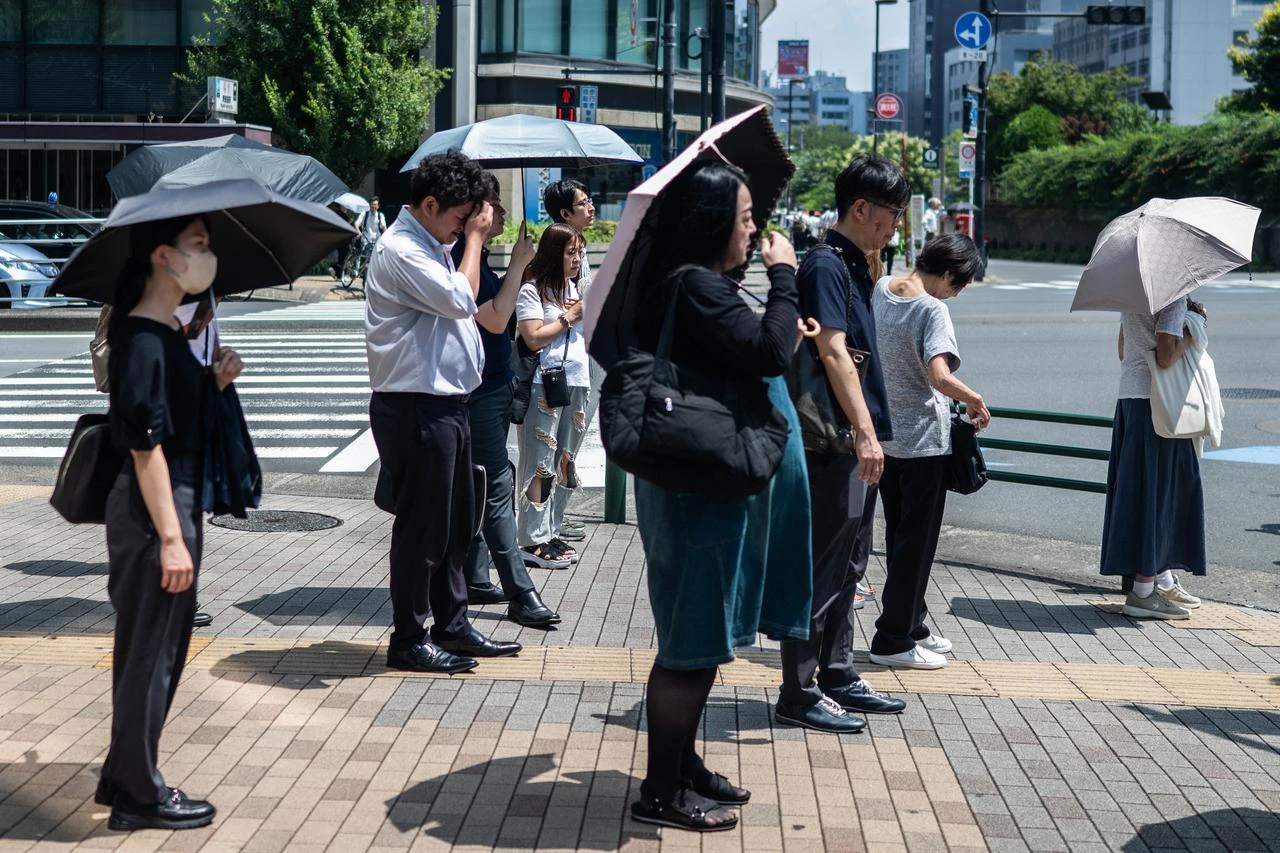
According to the Fire and Disaster Management Agency, seven people died from heatstroke and 4,580 were taken to hospitals during the week of July 6-12.
Alongside government advice to drink water and use air conditioning, residents have been turning to products such as clothing with built-in fans, disposable wet towels, heat-blocking umbrellas and portable handheld fans.
The Japan Academic Network for Disaster Reduction has also called for greater focus on heat acclimatisation, the gradual process through which the body adjusts to high temperatures.
Experts say this adjustment can take several weeks and recommend preparing during Japan's rainy season, before the most intense summer heat sets in. High humidity adds to the danger because it slows down the evaporation of sweat, making it harder for the body to cool itself.


 Set as preferred source
 Set as preferred source



 2 min read