Newsletters


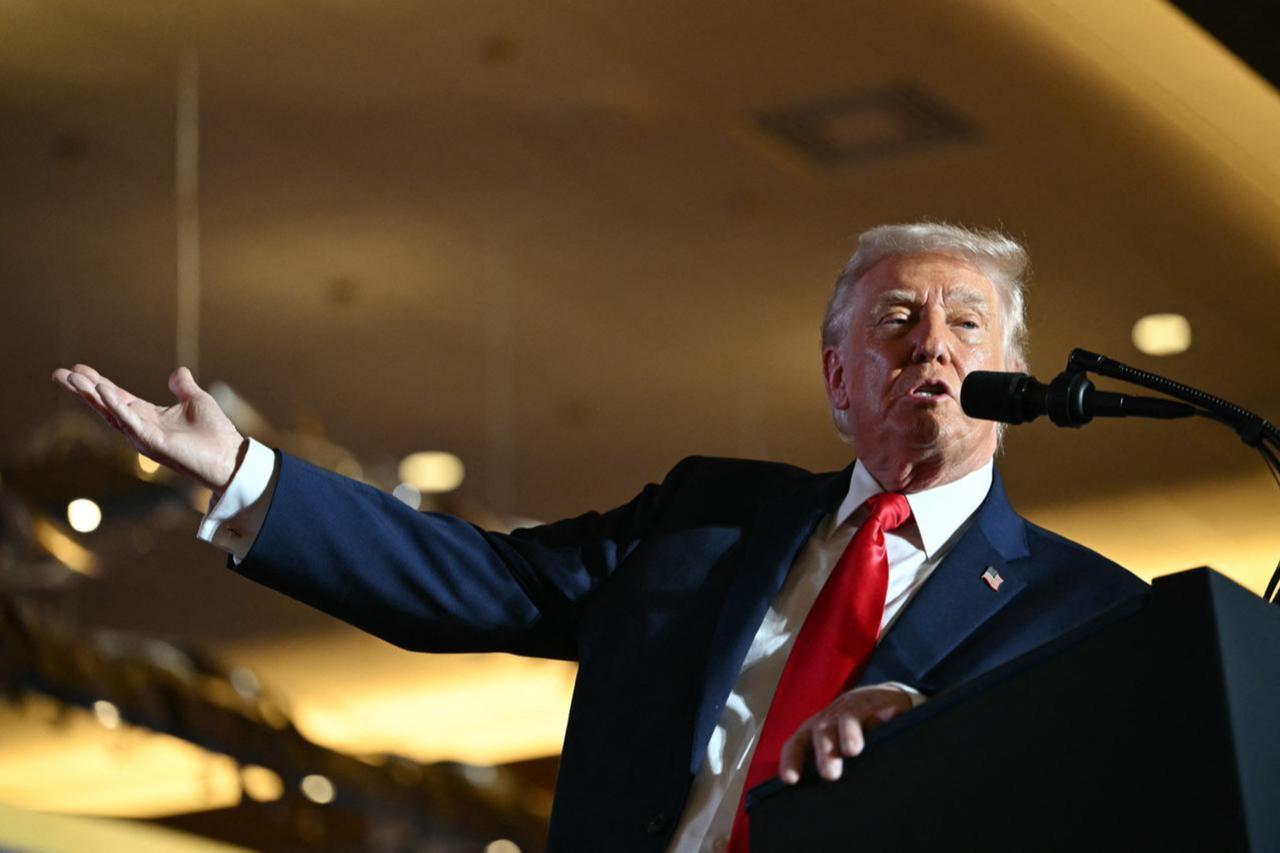


The Trump administration announced Tuesday it is adding five countries to its travel ban list and imposing new restrictions on more than a dozen others, significantly broadening limits on who can enter the United States.
The expansion adds Burkina Faso, Mali, Niger, South Sudan and Syria to the list of nations whose citizens are completely barred from entering the country. The administration also imposed full travel restrictions on people carrying Palestinian-Authority-issued travel documents.
An additional 15 countries now face partial restrictions: Angola, Antigua and Barbuda, Benin, Cote d'Ivoire, Dominica, Gabon, Gambia, Malawi, Mauritania, Nigeria, Senegal, Tanzania, Tonga, Zambia and Zimbabwe. The new measures follow the arrest of an Afghan national suspected of shooting two National Guard troops near the White House over Thanksgiving weekend.
The expanded policy brings the total number of countries facing full or partial U.S. travel restrictions to more than 30, making it one of the most sweeping immigration enforcement actions of Trump's second term.
Trump first revived the travel ban policy in June, announcing restrictions on 19 countries in a move that echoed a controversial directive from his first presidency. That initial list banned citizens from 12 nations: Afghanistan, Myanmar, Chad, the Republic of Congo, Equatorial Guinea, Eritrea, Haiti, Iran, Libya, Somalia, Sudan and Yemen.
Seven other countries faced heightened restrictions under the June order: Burundi, Cuba, Laos, Sierra Leone, Togo, Turkmenistan and Venezuela.
The original travel ban, implemented in 2017 during Trump's first term, sparked widespread protests and legal challenges before being upheld by the Supreme Court in a modified form. Critics characterized it as a "Muslim ban" because several of the targeted countries had predominantly Muslim populations.


The White House defended the expanded restrictions by pointing to problems verifying the identities and backgrounds of travelers from the affected nations. According to the administration, many countries on the list have unreliable civil documentation systems, widespread corruption and inadequate criminal record keeping that complicate security screening.
Officials also cited high rates of visa overstays, lack of cooperation on deportations and general instability in some countries as factors that hamper effective vetting procedures.
"The restrictions and limitations imposed by the Proclamation are necessary to prevent the entry of foreign nationals about whom the United States lacks sufficient information to assess the risks they pose," the White House proclamation stated. The document added that the measures would help "garner cooperation from foreign governments, enforce our immigration laws, and advance other important foreign policy, national security, and counterterrorism objectives."
The timing of the announcement follows closely on the arrest of an Afghan man accused of shooting two National Guard troops over Thanksgiving weekend. The suspect has entered a not guilty plea to murder and assault charges.
While administration officials did not explicitly link the shooting to the policy expansion, the incident occurred as the White House was preparing to broaden travel restrictions. The case has renewed debate over refugee and immigration vetting procedures.
The expanded travel ban represents a continuation of the Republican administration's efforts to tighten border security and immigration enforcement, policies that remain central to Trump's political agenda.


 Set as preferred source
 Set as preferred source


 1 min read

 1 min read