Newsletters




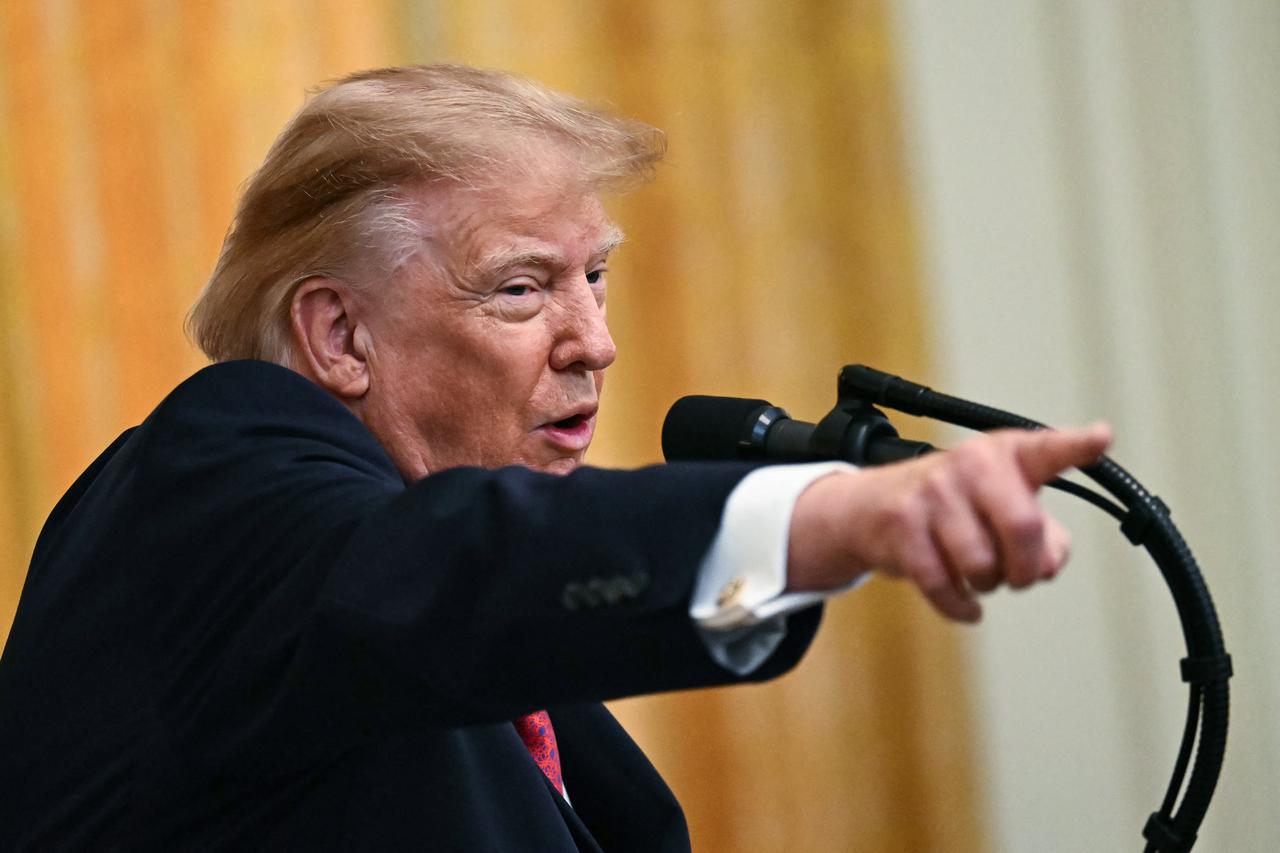
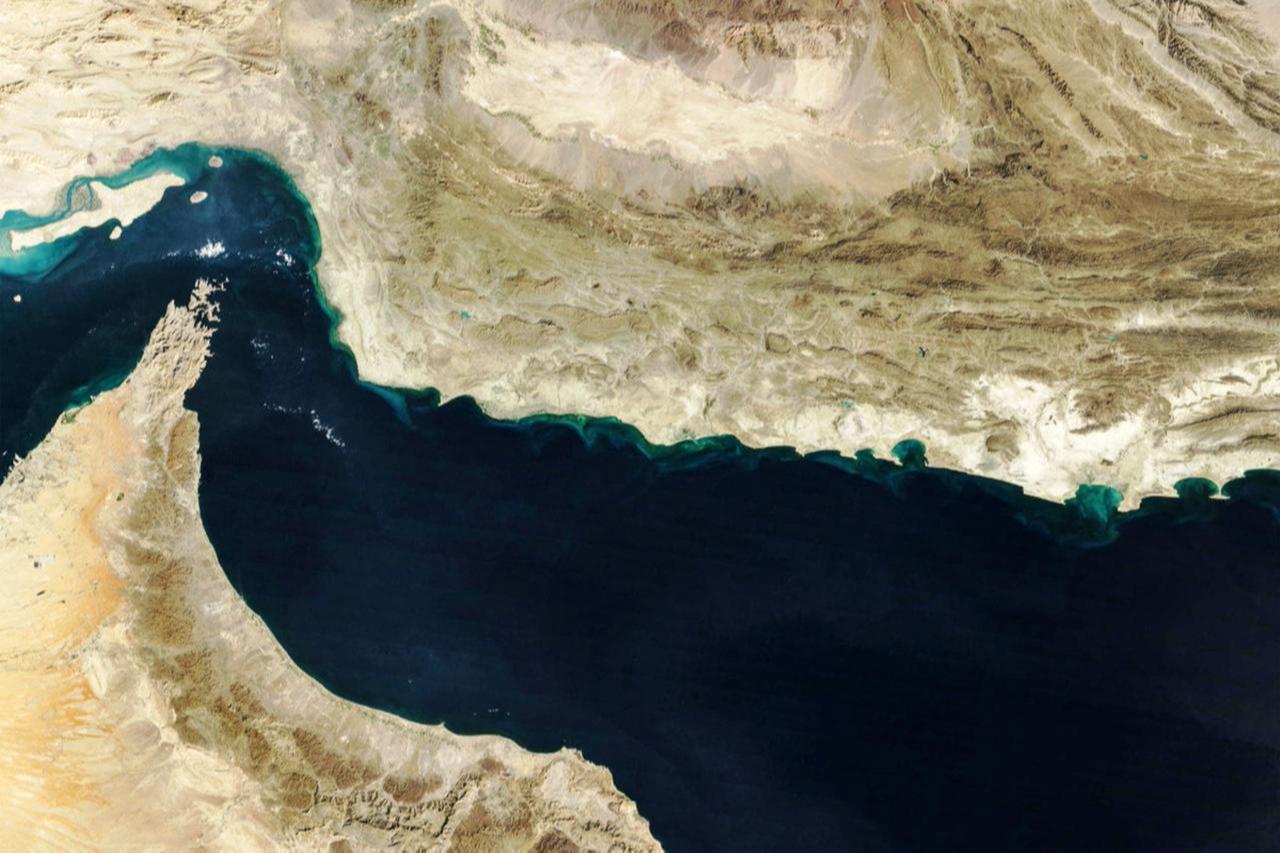
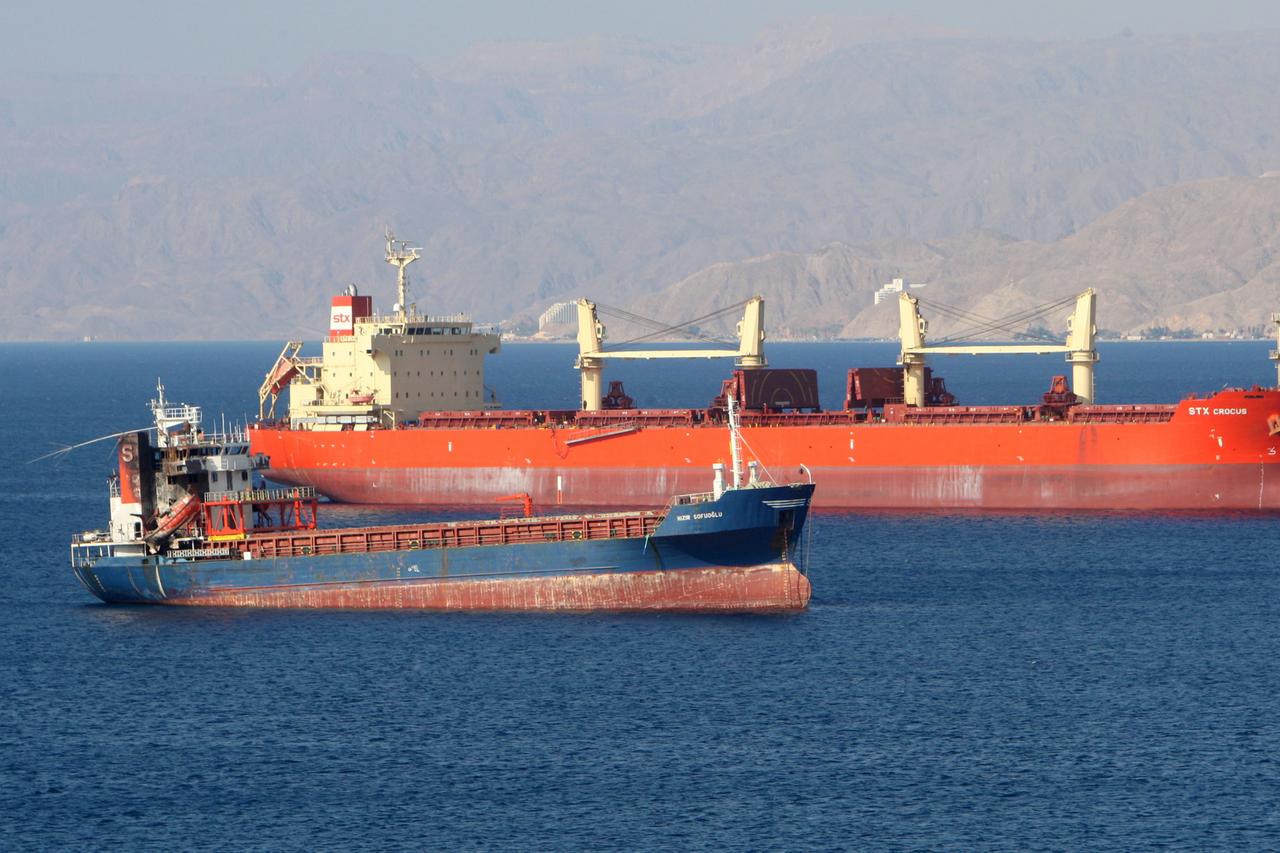
U.S. President Donald Trump on Tuesday announced that the United States would provide naval escorts and political risk insurance for oil and gas tankers passing through the Strait of Hormuz, the critical maritime chokepoint through which roughly 20 percent of the world's waterborne oil deliveries flow, as the widening U.S.-Israeli military campaign against Iran sends energy prices sharply higher and threatens global fuel supply chains.
The measures, which Trump unveiled in a Truth Social post and ordered to take effect immediately, represent the administration's first concrete steps to counteract a surge in crude oil prices that has added more than $10 per barrel since the United States and Israel launched joint strikes against Iran on Saturday, killing the country's supreme leader and igniting a war across the Middle East.

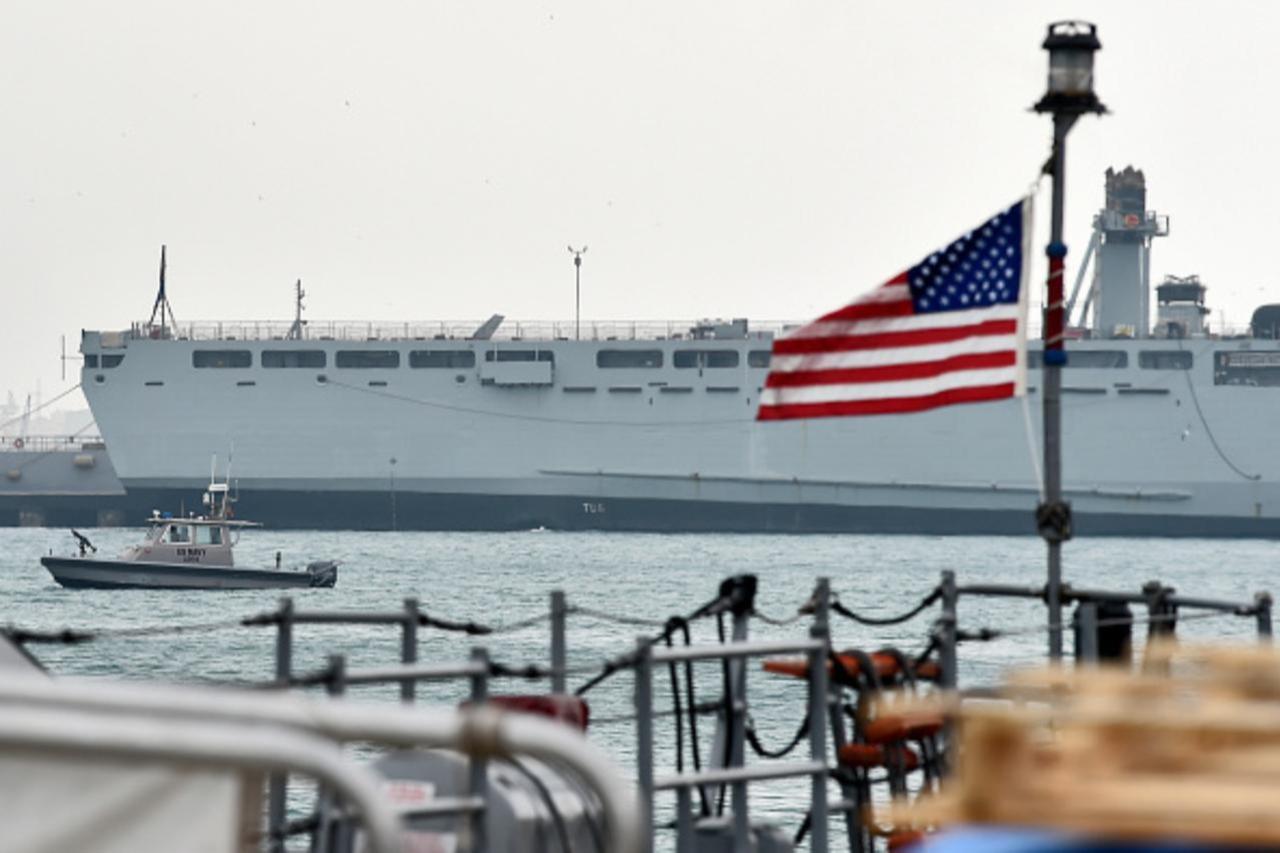
Trump directed the U.S. International Development Finance Corporation to offer political risk insurance and financial guarantees to all shipping lines operating in the Gulf, with a particular focus on energy cargoes. He signaled that the U.S. Navy would begin escorting tankers through the strait "as soon as possible" if conditions required it.
"No matter what, the United States will ensure the free flow of energy to the world," Trump wrote, adding that "more actions" would follow.
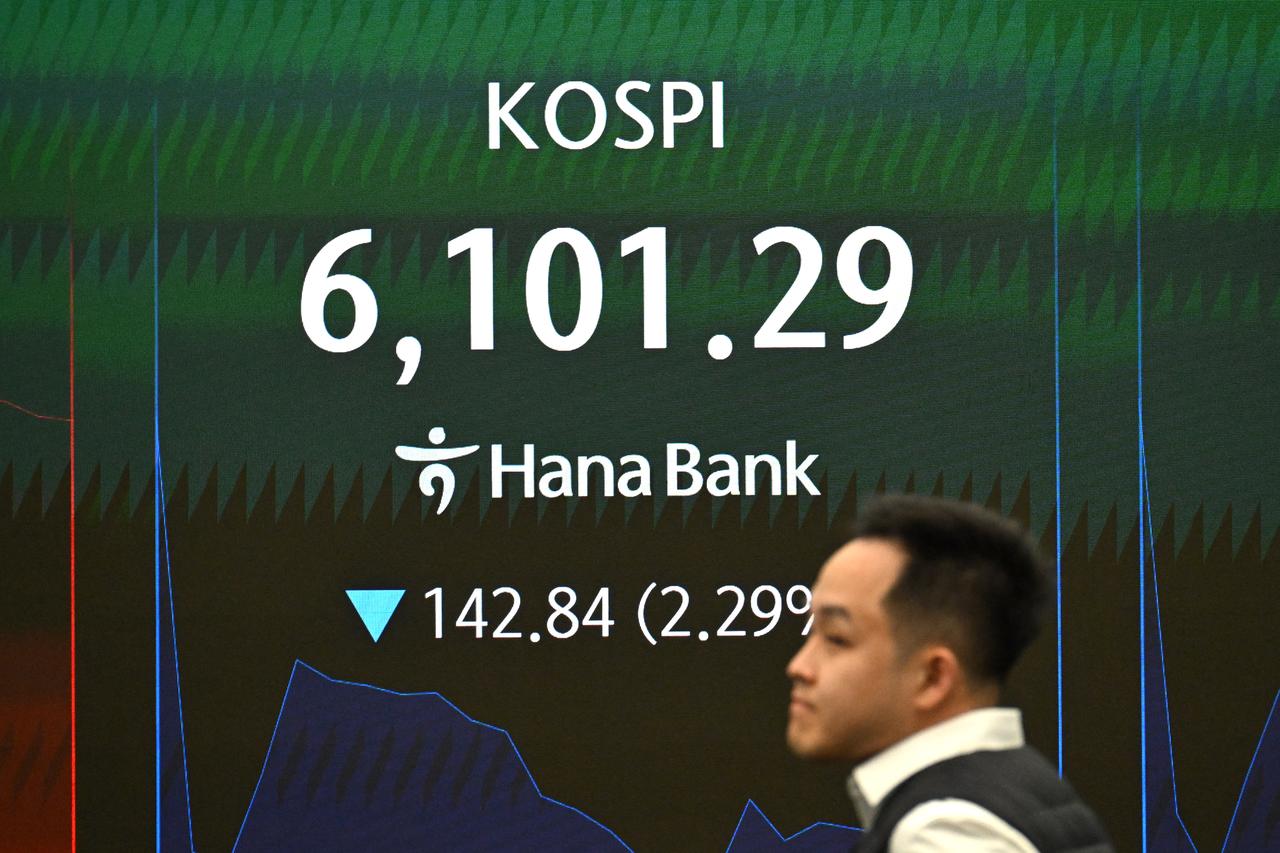
The announcement brought a measure of relief to jittery crude markets. U.S. oil prices, which had spiked above $77 a barrel earlier in the day, retreated to around $73 on Tuesday afternoon. But traders remain on edge over the possibility that key oil and gas infrastructure in the Persian Gulf could become a direct target for Tehran.
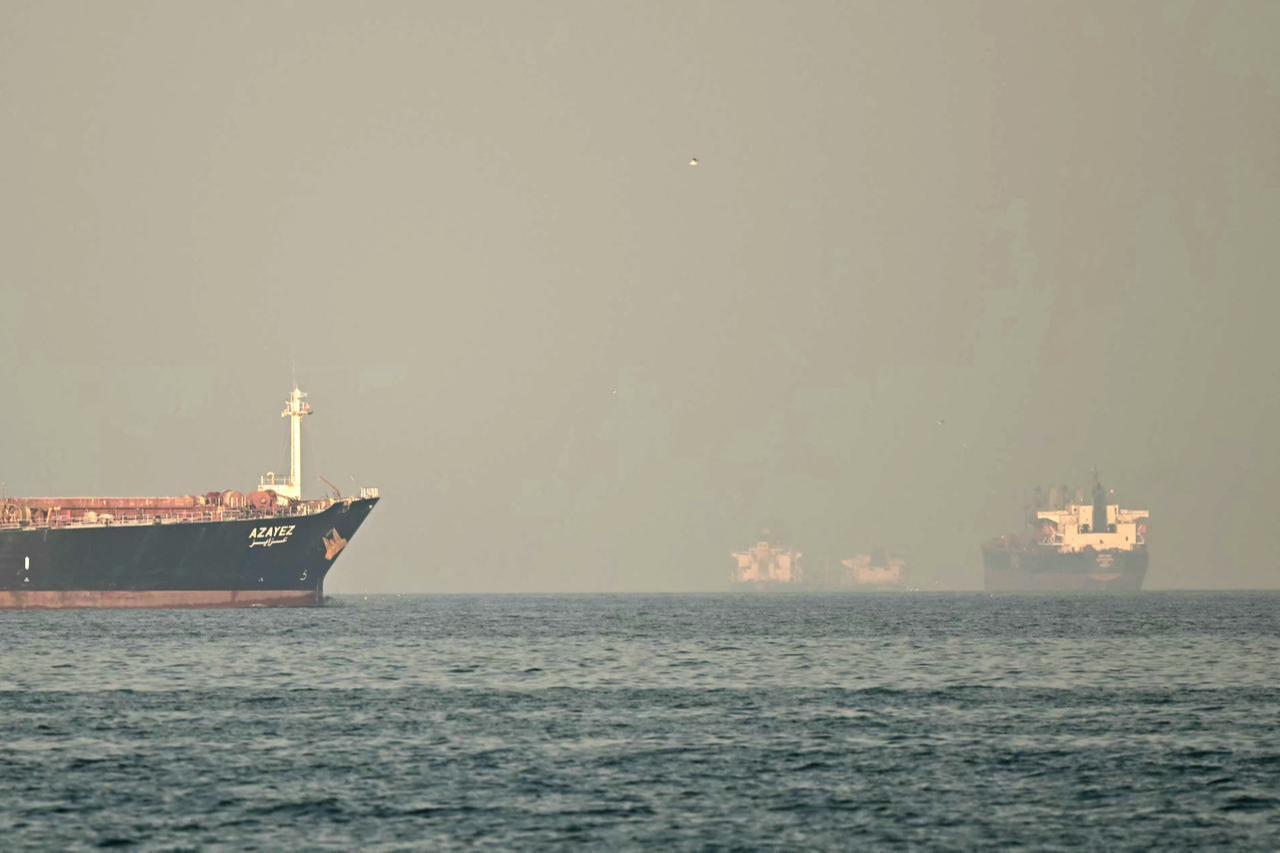
Although the Strait of Hormuz remains technically open to navigation, the practical reality has deteriorated rapidly. Marine insurance companies have been raising premiums and, in some cases, canceling coverage outright for tankers transiting the area. Analysts say the resulting commercial pressure has already convinced many operators to reroute or idle their vessels, creating a slowdown that could eventually strain global oil shipments and production.
Iran has fired on ships traversing the strait, while Qatar has shut down a major natural gas export facility and Saudi Arabian fuel refineries have come under attack. The gains in crude prices have begun filtering through to the pump, with gasoline prices on track to exceed the levels recorded when Trump took office last year.
A person familiar with White House deliberations, speaking on condition of anonymity, acknowledged the administration's growing anxiety over the economic fallout from the military campaign. "It's becoming a growing concern that the energy markets could face pressures in the coming days as the military campaign intensifies and expands in geographic scope," the person said, adding that access to Hormuz is "obviously vital for both natural gas and crude oil shipments, especially from Qatar and Saudi."
A former defense official with knowledge of the discussions said the Pentagon is holding ongoing talks about a maritime mission that would closely resemble previous U.S. operations in the Red Sea. In that theater, Washington deployed aircraft carriers and destroyers to safeguard freedom of navigation against threats from Yemen's Houthis, an Iran-linked group.
The U.S. military says it has sunk 11 Iranian naval vessels since the joint operation with Israel began, suggesting that the new escort mission would focus less on repelling seaborne incursions and more on intercepting Iranian missiles aimed at civilian shipping traffic. That shift could place additional strain on American stockpiles of air defense interceptors, which have already been drawn down by the campaign against the Houthis and by Israel's prolonged conflict with Iran.
The military confrontation has already exacted a human cost. Six American service members have been killed since the strikes began, and the U.S. embassy in Saudi Arabia has come under attack, underscoring the geographic breadth of the conflict and the risks facing American personnel and assets in the region.
Secretary of State Marco Rubio previewed the administration's response on Monday, telling reporters that plans to address the oil price spike would be revealed the following day. Without elaborating on specifics, Rubio offered a blunt summary of the broader military objective: "We're going to destroy their Navy."


 Set as preferred source
 Set as preferred source


 1 min read

 1 min read