Newsletters


The Trump administration is preparing a plan to ban diesel exports for 90 days in a bid to bring down soaring fuel prices weighing on Republicans ahead of the Nov. 3 midterm elections, according to five people familiar with the discussions cited by Politico.
U.S. President Donald Trump confirmed his support for the idea.
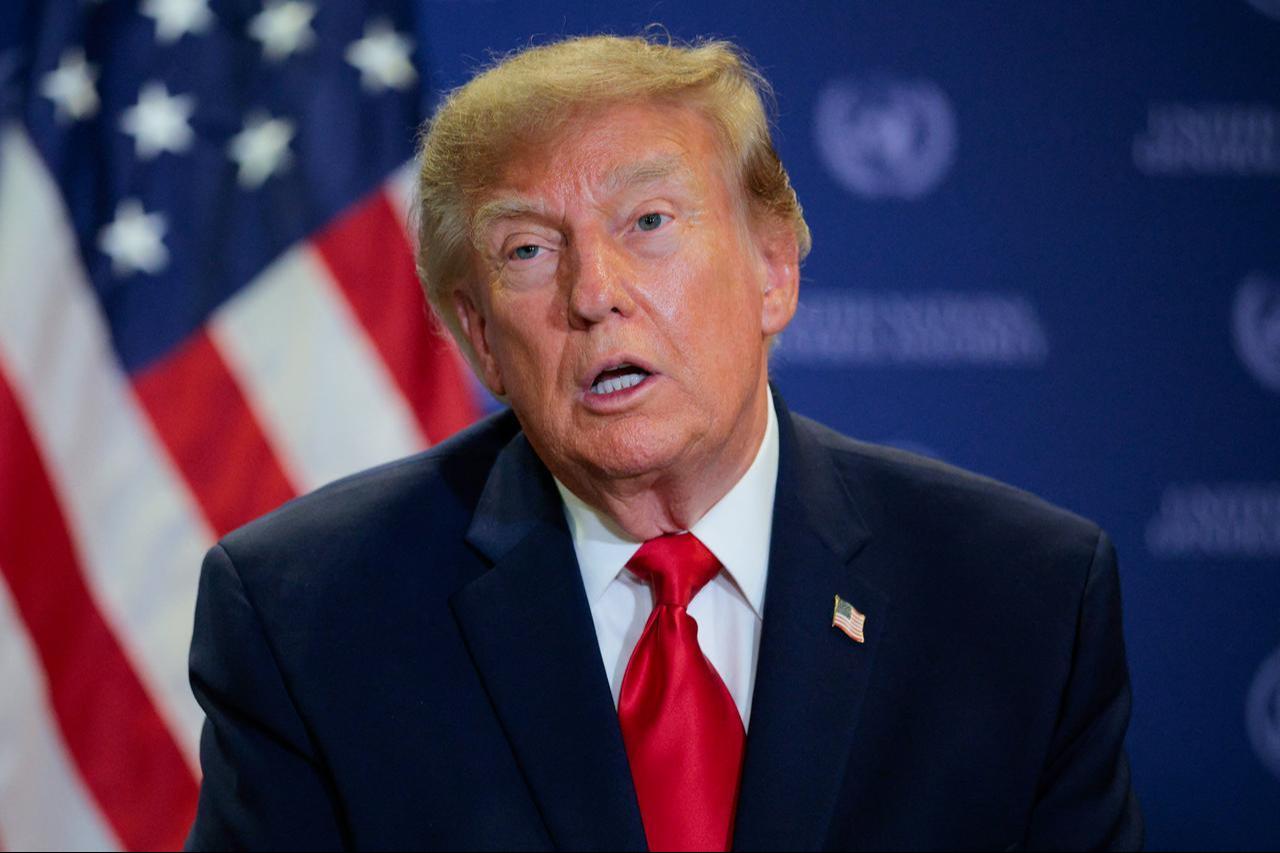
"I've called for that too. I've said let's not send out the diesel," Trump told reporters during a meeting with Ukrainian President Volodymyr Zelenskyy in New York.
"We make a lot of diesel. That could have a little bit of an effect on regular automobile gasoline," he added.
Treasury Secretary Scott Bessent, also present, said the administration was examining "whether it's feasible in terms of the overall refining capacity and whether a full or partial ban would work."

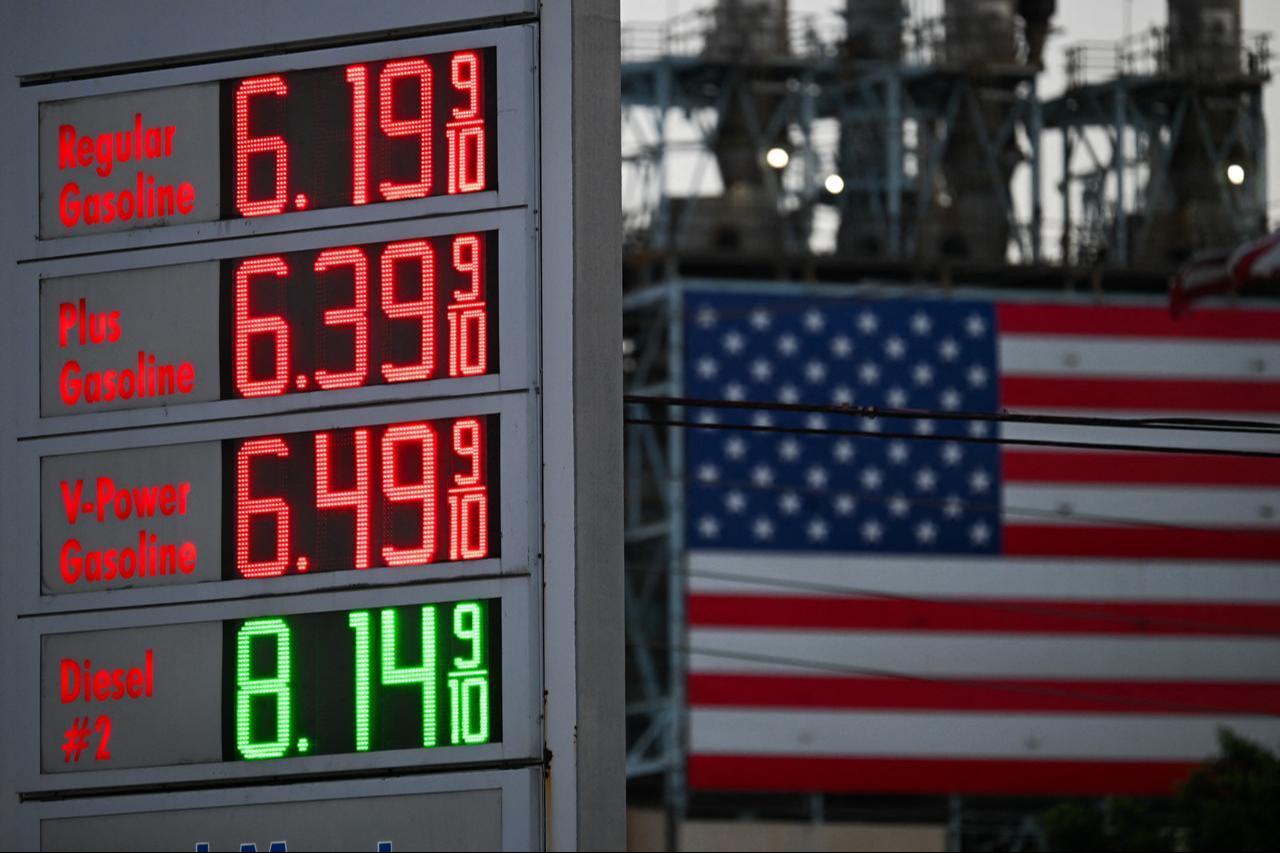
Diesel prices hit $6.52 a gallon on average nationally, according to the American Automobile Association, up 91 cents from a month earlier and $2.83 from a year ago, well above the previous record of $5.81 set in June 2022 after Russia's invasion of Ukraine, according to Energy Information Administration data cited by the Washington Post.
The report attributed the price surge to the Trump administration's war against Iran and Ukraine's attacks on Russian refineries. If enacted, the ban would mark the first restriction on U.S. energy exports since the Obama administration lifted a decades-old ban on oil exports in 2015.
Republican Senate Majority Leader John Thune said last week he was "open" to a diesel export ban "if that would take pressure off of prices."
A decisive moment came over the weekend when Iowa Sen. Chuck Grassley, one of the Senate's top agriculture advocates, wrote on X that high diesel prices were "killing farmers' income," a message that triggered a wave of farm-state Republicans demanding action.
An oil industry executive who has discussed the ban with senior White House officials told Politico that Trump is inclined to announce a ban by the end of the week and views any blowback as "a December problem."
"What has overpowered cooler heads (in the White House) is the absolutely, sky-is-falling, we-have-to-do-something concern about prices at the pump," the executive said.
"That camp has been swept aside by the political camp, which says, 'dammit, something has to happen.'"
A White House official pushed back on the Politico report, calling it "another fake news story."
Energy Secretary Chris Wright, Bessent and Interior Secretary Doug Burgum have all objected internally to a full ban, according to people familiar with the discussions.
Wright made calls to energy company CEOs Tuesday night, warning that a 90-day ban was likely in the coming days, according to a Trump energy adviser, prompting a wave of pushback calls to the White House.
"It's a terrible idea," the adviser said.
Speaking publicly at a Climate Week panel Wednesday, Wright argued a blanket ban would backfire. "The blunt tool of banning diesel exports definitely doesn't work because the U.S. exports a lot of diesel," Wright said.
"We're the largest diesel exporter in the world, but that same refinery that produces diesel also produces gasoline and jet fuel. So, if you can't export the diesel that comes out of our refineries when you run out of places to store it, and you have to reduce U.S. refining, which would put upward pressure on gasoline prices and jet fuel prices", he added.
At a separate event, Wright suggested a full ban was unlikely, saying, "This is more likely to be done entirely voluntarily."
"We will not cease exports of U.S. diesel, but may there be some tweak in where diesel flows out of U.S. refineries? Yeah, I think we're going to see that because it can stop the rise in price of diesel," he noted.
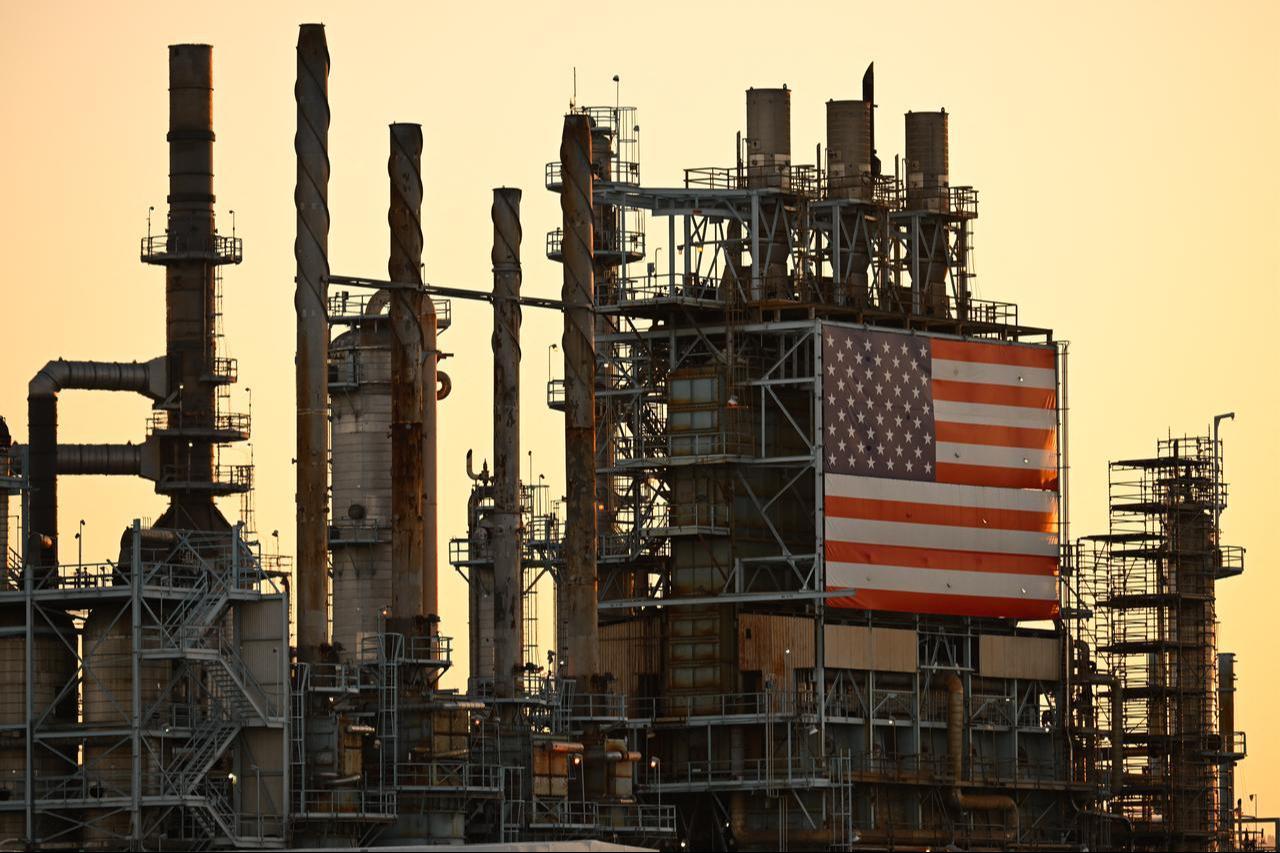
U.S. fuel producers have opposed the ban, warning any short-term benefit would be outweighed by higher future prices.
Trade group American Fuel & Petrochemical Manufacturers wrote in a blog post that a ban would "backfire": "If exports are banned, refiners cannot simply stockpile unlimited diesel. They would have to reduce production. Because gasoline and diesel are produced together, producing less diesel also means producing less gasoline."
David Oxley, chief climate and commodities economist at Capital Economics, echoed that warning.
"A ban on diesel exports by the U.S. would exacerbate the existing severe strains in the global diesel market and drive prices outside of the U.S. even higher in the short term," Oxley said, adding: "Given that a surplus of diesel in the U.S. could paradoxically force American refiners to cut supplies of oil products, potentially within a few weeks, a ban would ultimately be self-defeating."
Debnil Chowdhury, head of Americas and Europe fuels and refining at S&P Global Energy, said any domestic relief would be short-lived: "It's very, very temporary. It would lead to higher gasoline prices for everyone."
Patrick De Haan, head of petroleum analysis at GasBuddy, wrote that a ban could not insulate the U.S. from global price dynamics: "You can't fence off a globally traded commodity by executive order and expect the global price to stop applying to it."
The U.S. is the world's largest diesel exporter, shipping an average of 1.4 million barrels of distillate fuel daily, mainly to Latin America and Europe. Mexico, the top U.S. customer, sourced 96% of its imported diesel from American refineries in the year ending in June, while Ecuador and Costa Rica relied on the U.S. for roughly 90% of their imports, according to a Washington Post analysis of customs data.
Europe has also grown increasingly reliant on U.S. diesel as Middle East supplies have been disrupted: the U.K.'s share of imported diesel and heating oil from the U.S. rose from 18% a year ago to 30% in the first half of 2026, with supplies to the Netherlands also rising sharply via the Port of Rotterdam.
"We would be hurting some of our allies in the global economy," said Rebecca Babin, a senior equity trader at CIBC Private Wealth, noting, "It would drastically increase diesel prices to Europe and Latin America."
Trump said Tuesday a decision on a potential ban would come "fast," but a White House official said only that the president "is evaluating all the options on the table."
An external adviser to the administration said they had received "a bunch of frantic outreach" in recent days seeking alternatives to a ban, expressing concern that the administration could repeatedly extend such a measure and set a precedent for government intervention in energy markets that Democrats could later use themselves.
"It's clear that there is a lot of internal opposition to it," the adviser said.


 Set as preferred source
 Set as preferred source


 1 min read



 1 min read