Newsletters




Ukrainian President Volodymyr Zelenskyy said Monday that Russia's war against Ukraine "must be ended," responding directly to a social media post from US President Donald Trump in which Trump said Russia had lost control of its diesel oil industry because of the conflict.
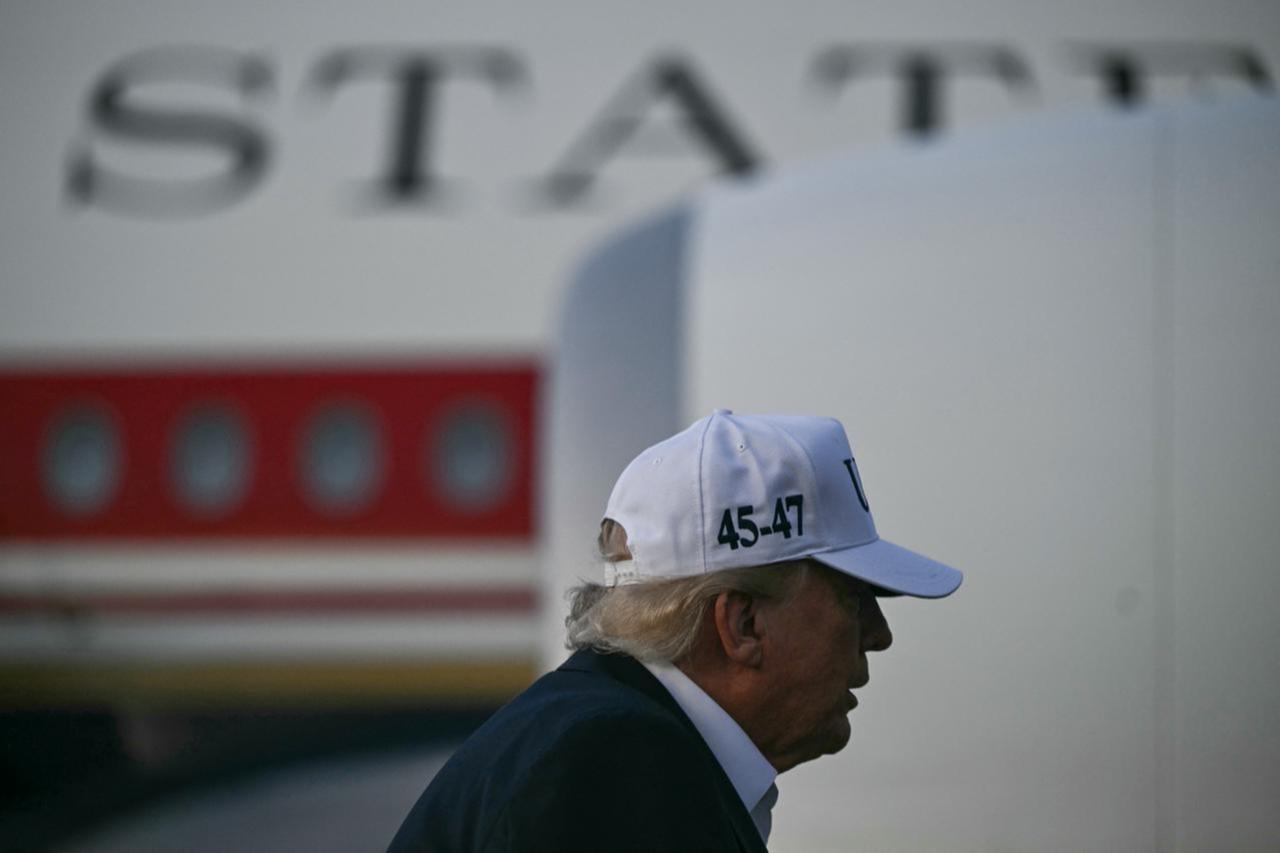
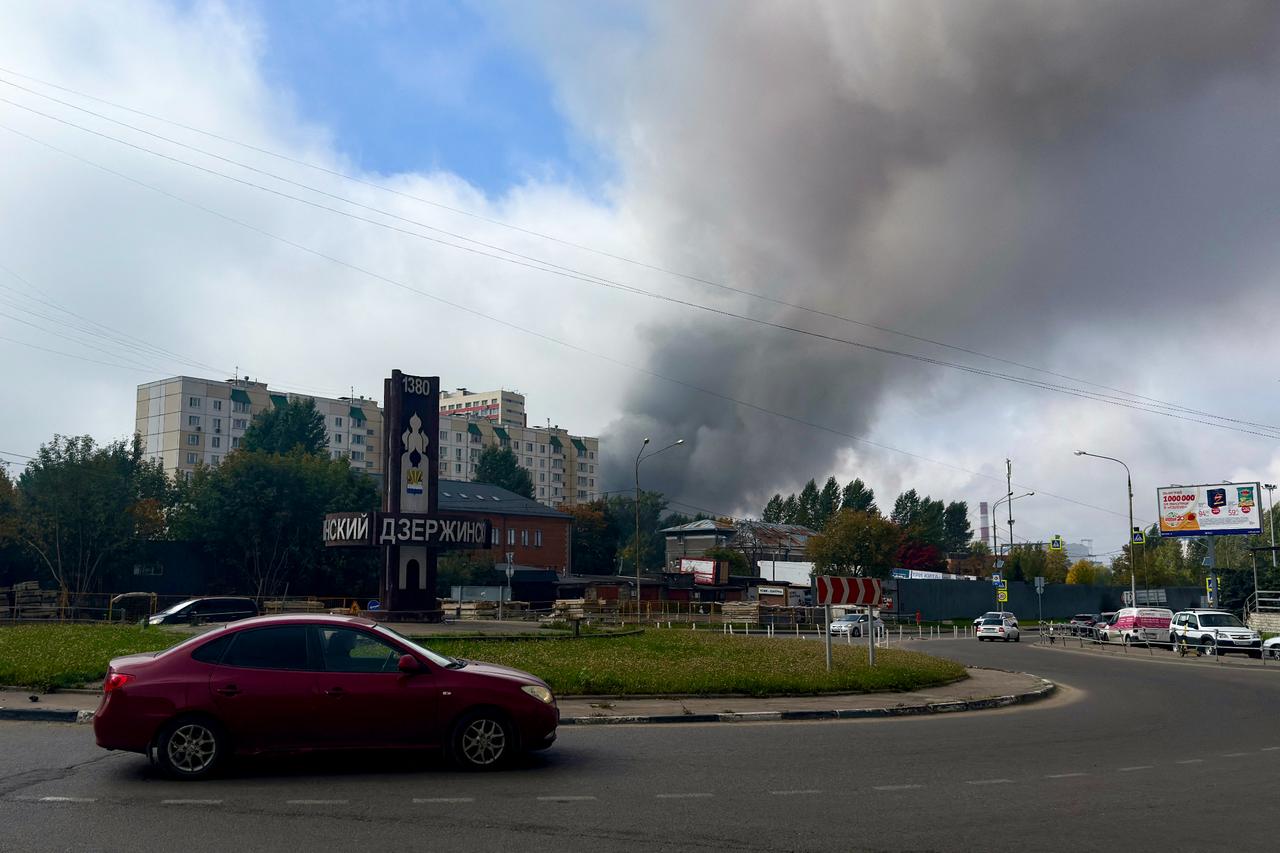
Trump wrote on Truth Social that Russia had "unfortunately lost control of its Diesel Oil Industry due to its War with Ukraine," adding that a large number of Russian diesel refineries had been struck and were, at least temporarily, out of commission. He described the war, now approaching its sixth year, as "ridiculous and never ending" and said it "must be ended," adding that "the whole World suffers as 25,000 people, mostly soldiers, are being killed each month."
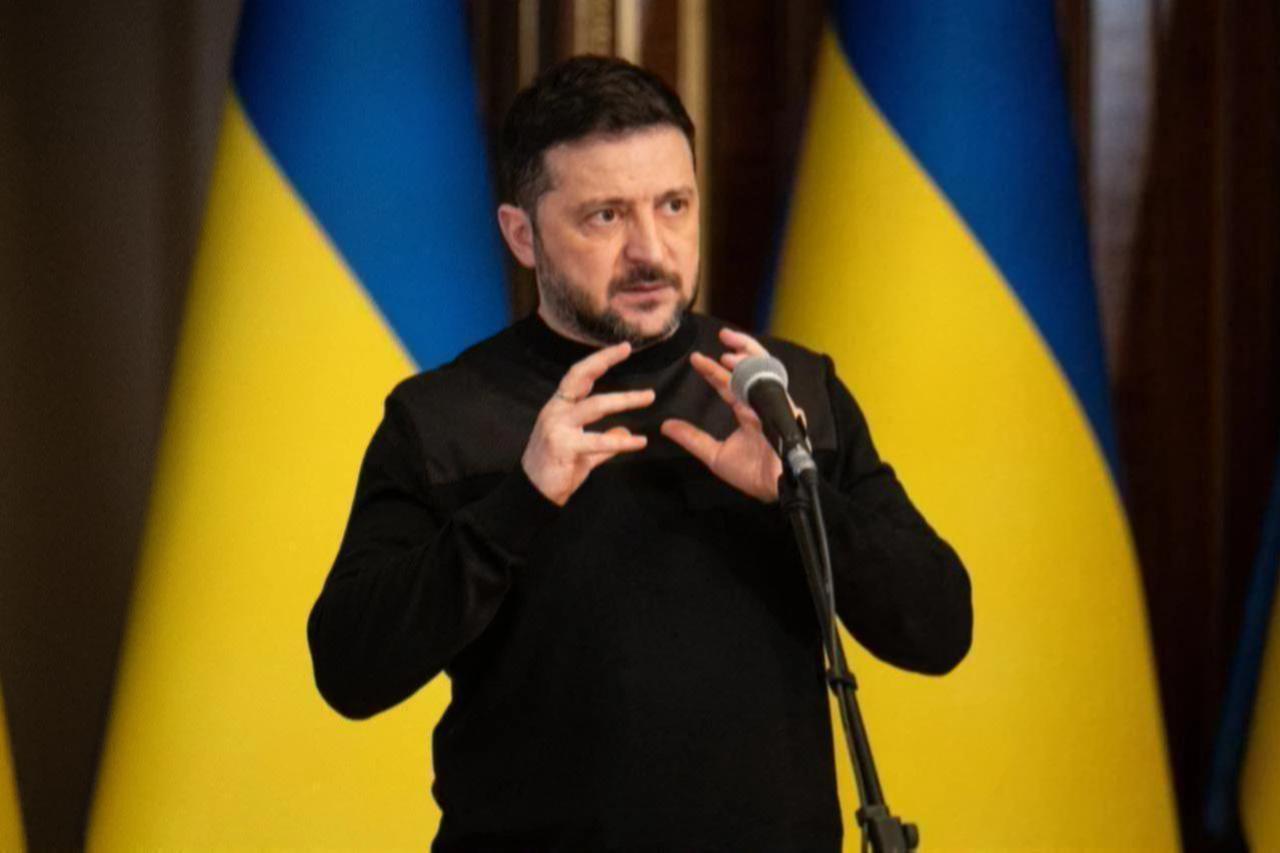
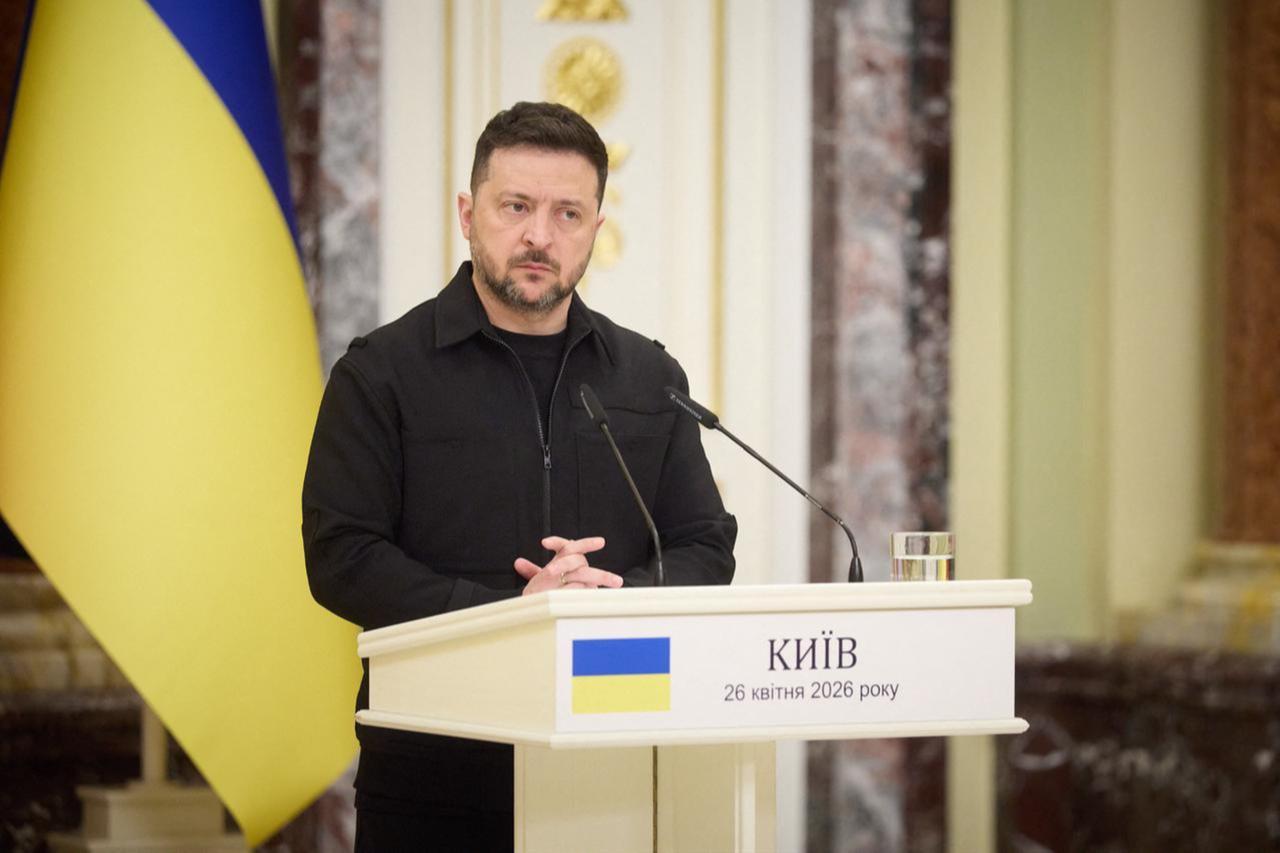
Zelenskyy replied on X, writing, "Indeed, this Russian war against Ukraine and against common sense must be ended."
In his post, the Ukrainian leader laid out what he described as the far-reaching consequences of the conflict since the first year of Russia's full-scale invasion, which began in February 2022: the loss of many lives, the destruction of cities and villages, threats to food security, energy shortages, and what he called the "extraordinary pace of technological development," including the expanded use of autonomous drones and rapidly advancing strike capabilities. He said every additional week of fighting compounds those problems.
Zelenskyy said Ukraine had sought peace "from the very first minute" of the invasion and had put forward "dozens of diplomatic proposals" aimed at ending the war "with dignity," guaranteeing Ukraine's security and preventing future Russian invasions.
The Ukrainian president said there was ongoing "dialogue with President Trump and America" and that ideas were on the table for bringing a peace deal closer, beginning with what he called strong de-escalation steps. He said he intended to discuss the matter with partners on the sidelines of the United Nations General Assembly in New York this week.
Zelenskyy said a halt to Russian strikes on Ukraine's energy sector, critical infrastructure and food exports could serve as an initial step, which he said would be met with "matching de-escalation steps" from Ukraine's side. "Solutions are possible," he wrote, adding that Ukraine was "ready to work on this."
He thanked international partners for their support and argued that the character of the war had shifted such that Russia, as the aggressor, was no longer insulated from the consequences of the fighting, a shift he attributed to advances in technology. "The strength of countries' leadership can, and must, deliver de-escalation, security, and peace," he wrote.


 Set as preferred source
 Set as preferred source


 1 min read
 1 min read