Newsletters




Some of President Trump's closest advisers have returned from the Beijing summit more alarmed about Taiwan than when they arrived, warning privately that the two-day meeting with Chinese President Xi Jinping has significantly raised the probability of a Chinese military move against the island within five years, a development that would threaten the semiconductor supply chains underpinning American artificial intelligence.
The concerns mark a sobering counterpoint to the broadly positive atmospherics of the summit, which ended Friday and which Trump has described in upbeat terms.
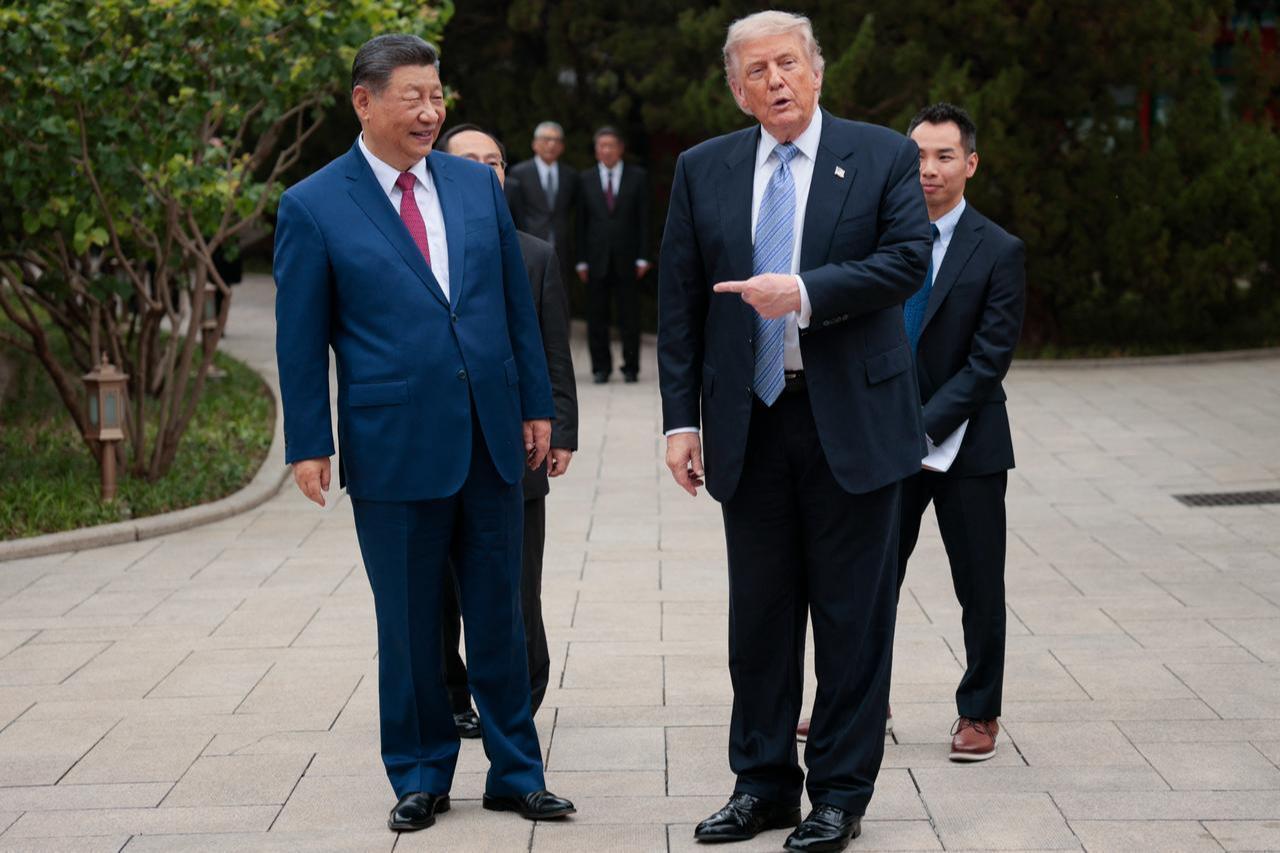
While the president was receptive to the pageantry and carefully staged access that Xi offered during the visit, advisers say the substance of what Xi communicated told a different story.
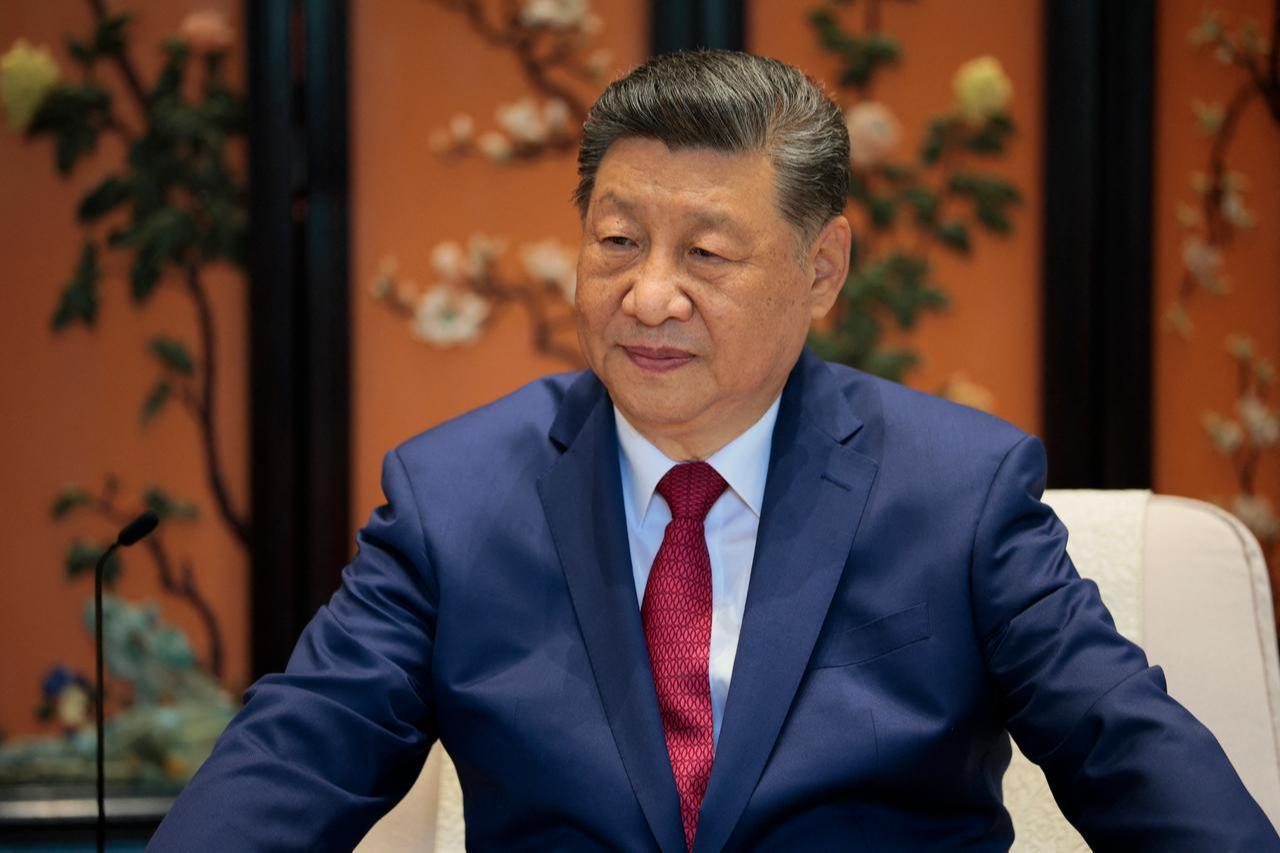

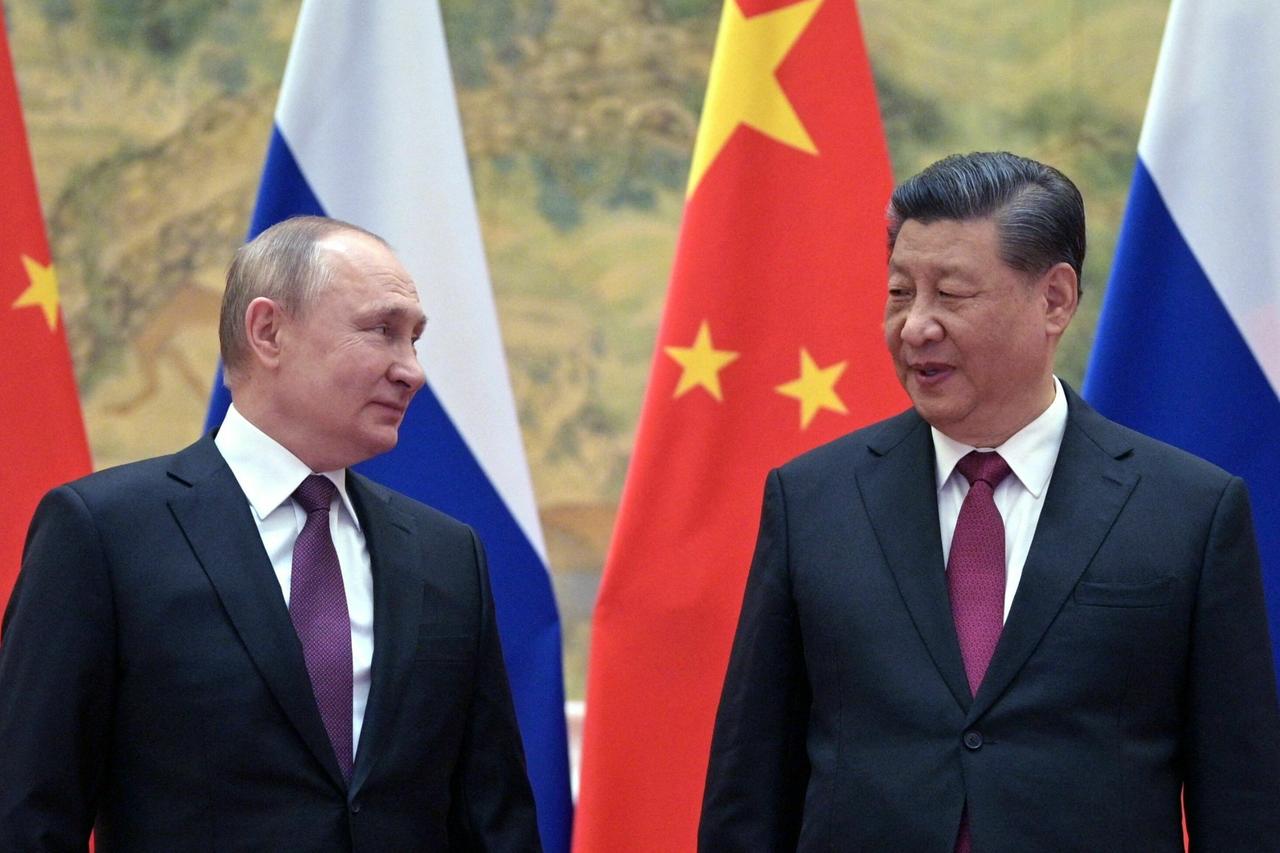
One senior Trump adviser said to Axios that Xi used the meetings to project a fundamentally different self-image for China than Washington has grown accustomed to managing. "He's saying: 'We're not a rising power. We're your equal. And Taiwan is mine,'" the adviser said.
The framing, if accurate, represents a notable shift in how Beijing is presenting its ambitions to American interlocutors at the highest level.
The same adviser said the visit had made the Taiwan question more urgent, not less. "This trip signaled a much higher likelihood that Taiwan will be on the table in the next five years."
That assessment, coming from within Trump's own circle, stands in contrast to Secretary of State Marco Rubio's public insistence after the summit that American policy on Taiwan remains unchanged.
Xi, for his part, told Trump directly during the talks that mishandling Taiwan would put the U.S.-China relationship in "great jeopardy," according to Chinese state media, a warning that dominated early headlines from the summit.
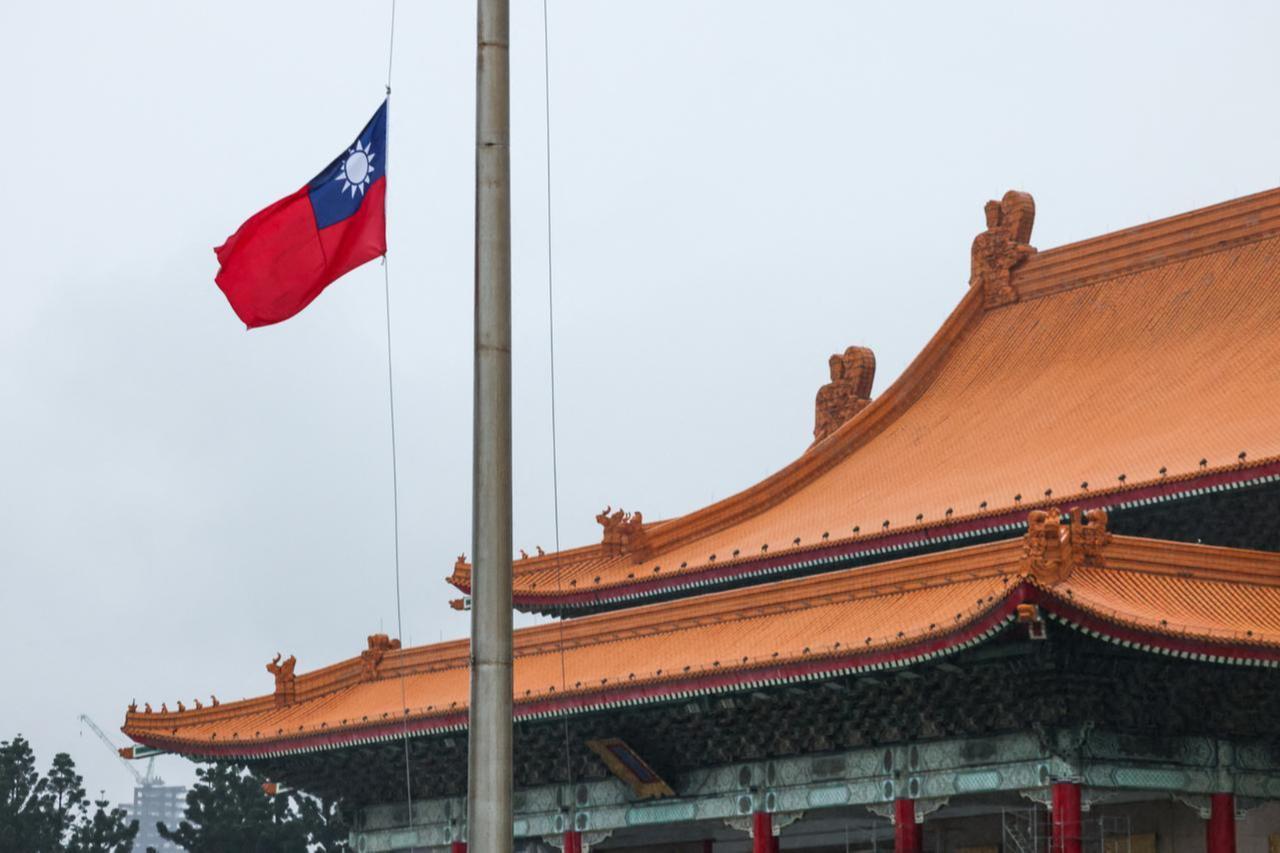
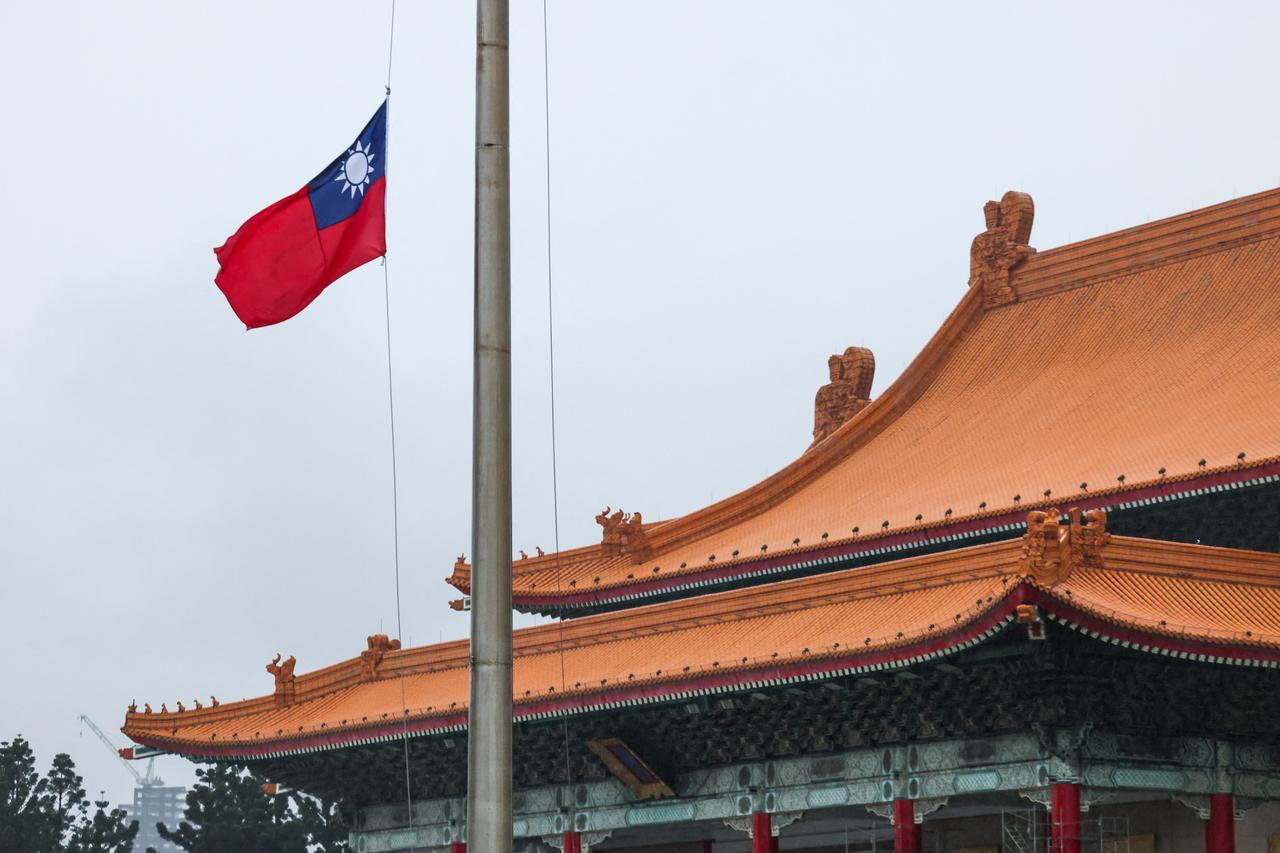
Taiwan sits at the center of the global semiconductor industry. The island is home to Taiwan Semiconductor Manufacturing Company, the world's largest contract chipmaker and the dominant producer of the most advanced chips used in AI systems.
A Chinese military action against Taiwan would almost certainly disrupt or sever that supply chain, with cascading effects across the American technology sector.
The adviser made clear that the economic stakes of a Taiwan contingency are severe and that the United States is not positioned to absorb the shock.
"There's no way we can be ready economically, the chips supply chain won't be anywhere close to self-sufficiency. For CEOs, and really the economy as a whole, there's no more pressing issue than the supply chain for chips."
That concern lands in a context already shaped by years of escalating technology rivalry. The U.S. has imposed successive rounds of export controls on advanced semiconductors and chip-making equipment sold to China, and Washington has invested tens of billions of dollars through the CHIPS and Science Act to seed domestic semiconductor manufacturing.
Advisers close to Trump are now suggesting those efforts, however significant, would fall well short of what would be needed if Taiwan's output were suddenly removed from the global market.
The summit was not without tangible benefits from a business perspective. Trump earned praise from several chief executives for pressing aggressively on Iran and Venezuela and for moving to open markets.
Some CEOs came away with reason for optimism that their companies would receive licenses to operate in China, and gave Trump direct credit for that prospect.
The deal most prominently announced before Trump's departure was a large Boeing aircraft order, though the specific terms had not been confirmed by the Chinese side as of Friday.
Nvidia chief executive Jensen Huang was added to the U.S. delegation at the last minute amid hopes of a breakthrough on chip sales to China, but no agreement on that front was announced.
The broader diplomatic picture that emerged from Beijing was one of managed tension rather than transformation. The summit built on a trade truce reached at Trump and Xi's meeting in South Korea in October 2025, and the two leaders agreed to meet again in the United States in late September.
Analysts described the outcome as a stabilization of the bilateral relationship rather than a resolution of its deepest fault lines.
For those inside the administration focused on the longer strategic horizon, however, the summit appears to have clarified rather than eased their anxieties.
Xi's willingness to state so directly, at the summit table, that Taiwan belongs to China, combined with the warmth of the setting and Trump's evident enjoyment of the occasion, has left some advisers worried that the gap between optics and reality has rarely been wider.


 Set as preferred source
 Set as preferred source


 1 min read
 1 min read