Newsletters


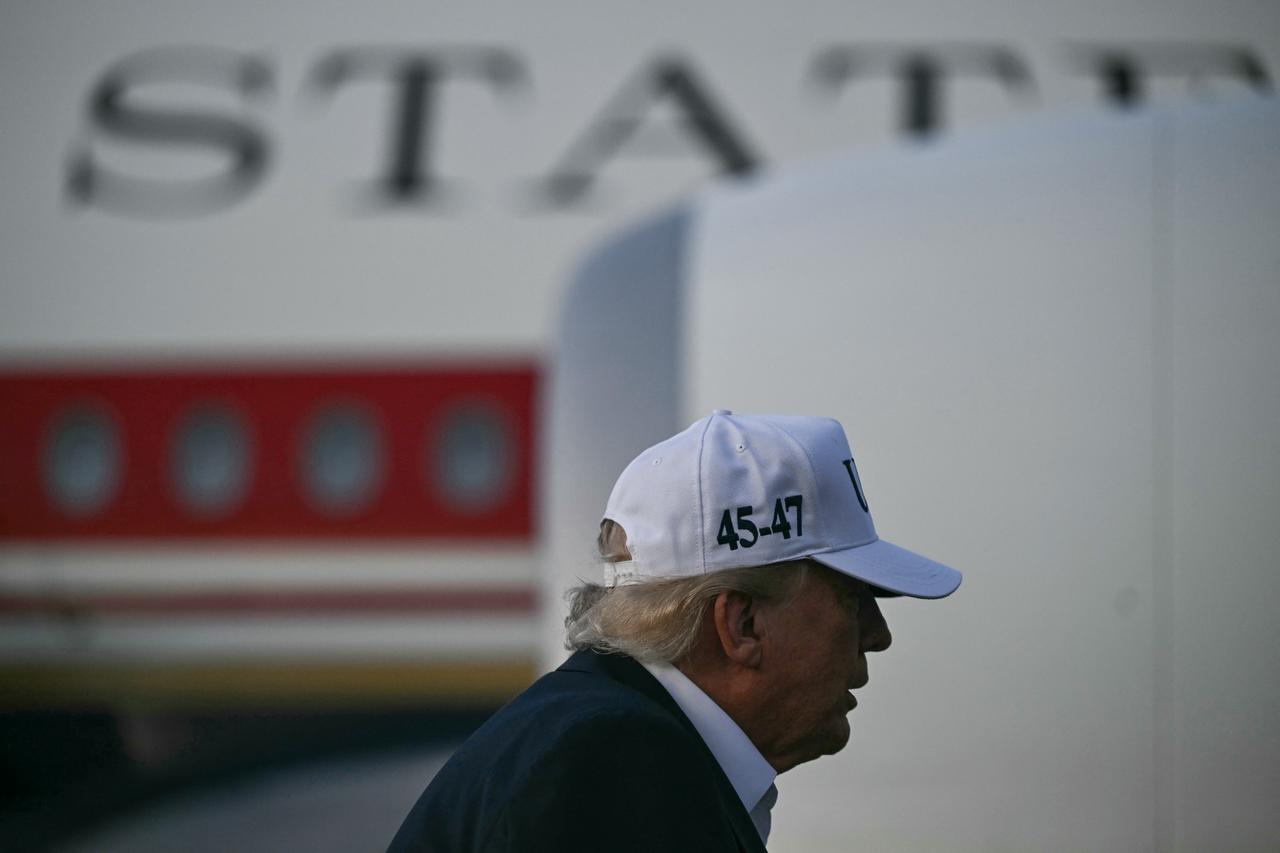


U.S. President Donald Trump downplayed reports on Sunday that Chinese entities supplied Iran with satellite images of a U.S. military base in Jordan before and after a July strike that killed three American soldiers, telling reporters aboard Air Force One that China's alleged espionage was no different from U.S. intelligence practices.
"You know, when they say that China spies on us, I say you're right, and we spy on them too," Trump said.
"That's what we do. They basically do what we do," he noted.
The Wall Street Journal (WSJ) reported Friday that unnamed U.S. officials had tied high-resolution satellite images supplied by Chinese entities to the July 17 Iranian missile strike on Muwaffaq Salti Air Base in Jordan, which killed three U.S. Army soldiers.
The officials did not name the Chinese entities involved and did not allege direct involvement by the Chinese government.
Chinese officials asked for proof of the imagery transfer when pressed by their U.S. counterparts and declined to acknowledge that Chinese companies were involved, according to the WSJ.
Trump has previously warned Beijing against selling weapons to Iran, and the U.S. sanctioned three China-based satellite companies in May for allegedly enabling Iran's military operations.
China remains one of Iran's top economic partners, purchasing much of its oil output, and an important diplomatic backer.
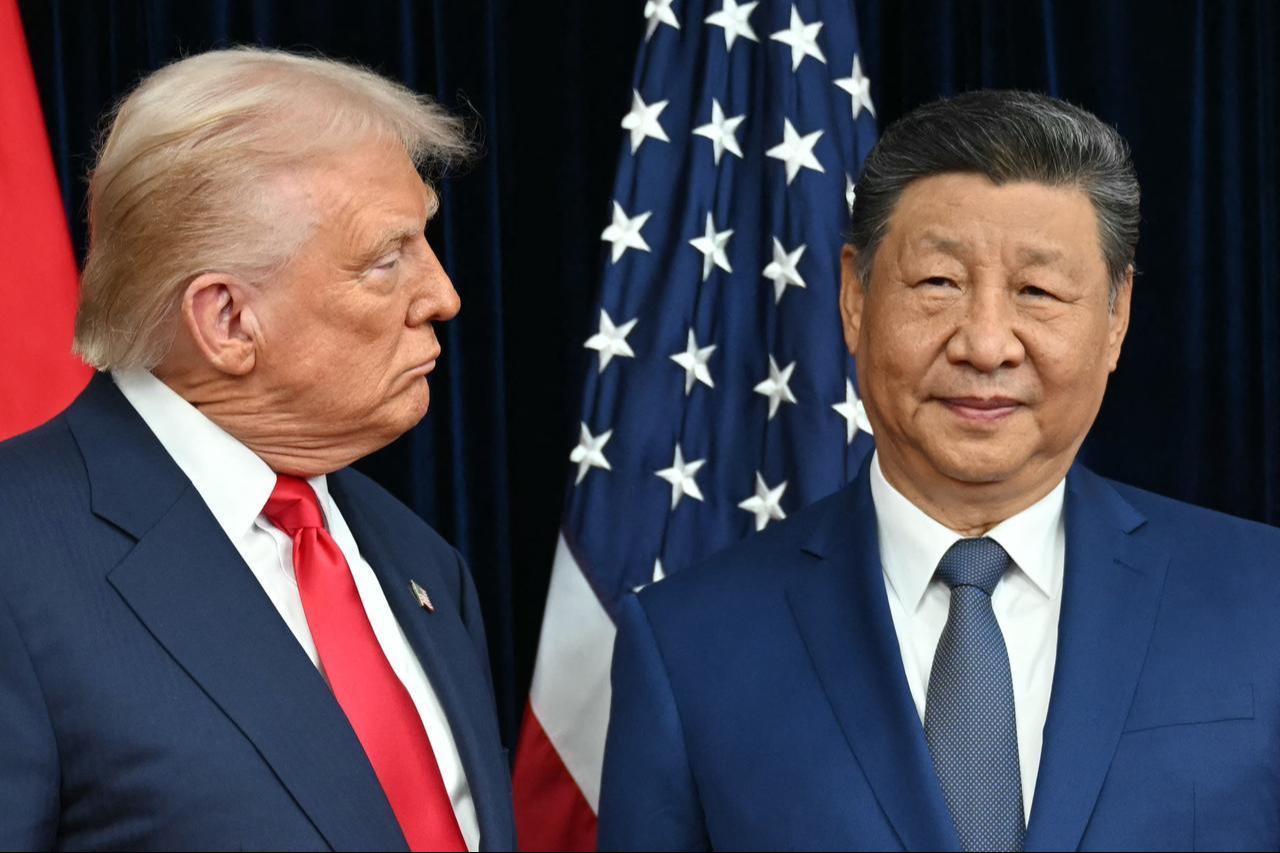
Asked whether he would raise the issue during his upcoming meeting with Chinese President Xi Jinping, Trump did not directly answer, instead reiterating his framing of the two countries' intelligence activities as equivalent.
"I think he's behaved reasonably well, and we behave reasonably well," Trump said of Xi.
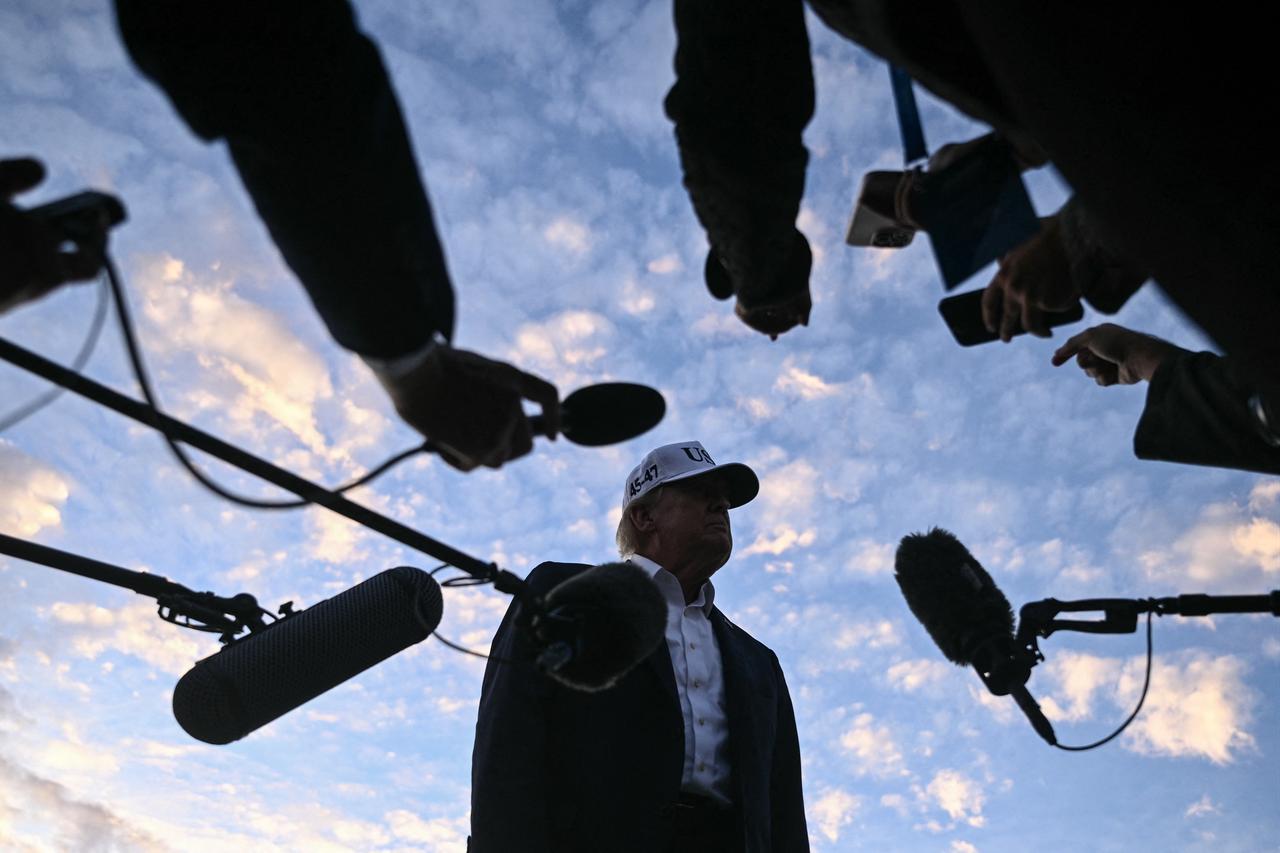

Trump said he expects to discuss "almost everything" with Xi during their planned Sept. 24 meeting at the White House, including trade, automobiles, Boeing aircraft sales, and other issues, though China has not officially confirmed the meeting will take place.
Trump defended his administration's tariffs on Chinese vehicles, saying he was responsible for keeping them out of the U.S. market.
"I'm the one that kept them out," he said, citing tariffs ranging from 100% to 150% and contrasting the U.S. approach with Europe, which he said was being "decimated" by Chinese cars.
Asked whether he expected an agreement with China involving Boeing aircraft purchases, Trump said: "I get every deal."
Trump said he had personally asked Ukrainian President Volodymyr Zelenskyy to stop targeting Russian diesel refineries, arguing the strikes were driving up global fuel prices.
"The problem I have with Ukraine and Russia is that a lot of the diesel comes ... from Russia, and the Russian plants are being hit by Ukraine. I've asked President Zelenskyy not to hit the diesel plants, refineries," Trump said.
"Diesel is being driven up by the fact that it's having a hard time coming out of Russia, and that's a case that hurts the world. We got to stop," he added.
Asked whether the Ukraine war could end sooner than other conflicts, Trump did not offer a specific timeline.
Asked about Canada, Trump repeated criticism of the country's leadership while praising its citizens. "I find Canada to be the worst country to deal with," he said, calling it the "most difficult country" for negotiations while describing Canadians as "fantastic."
He said additional tariffs were coming, including scheduled automobile tariffs set to take effect Jan. 1.


 Set as preferred source
 Set as preferred source


 2 min read

 1 min read