Newsletters


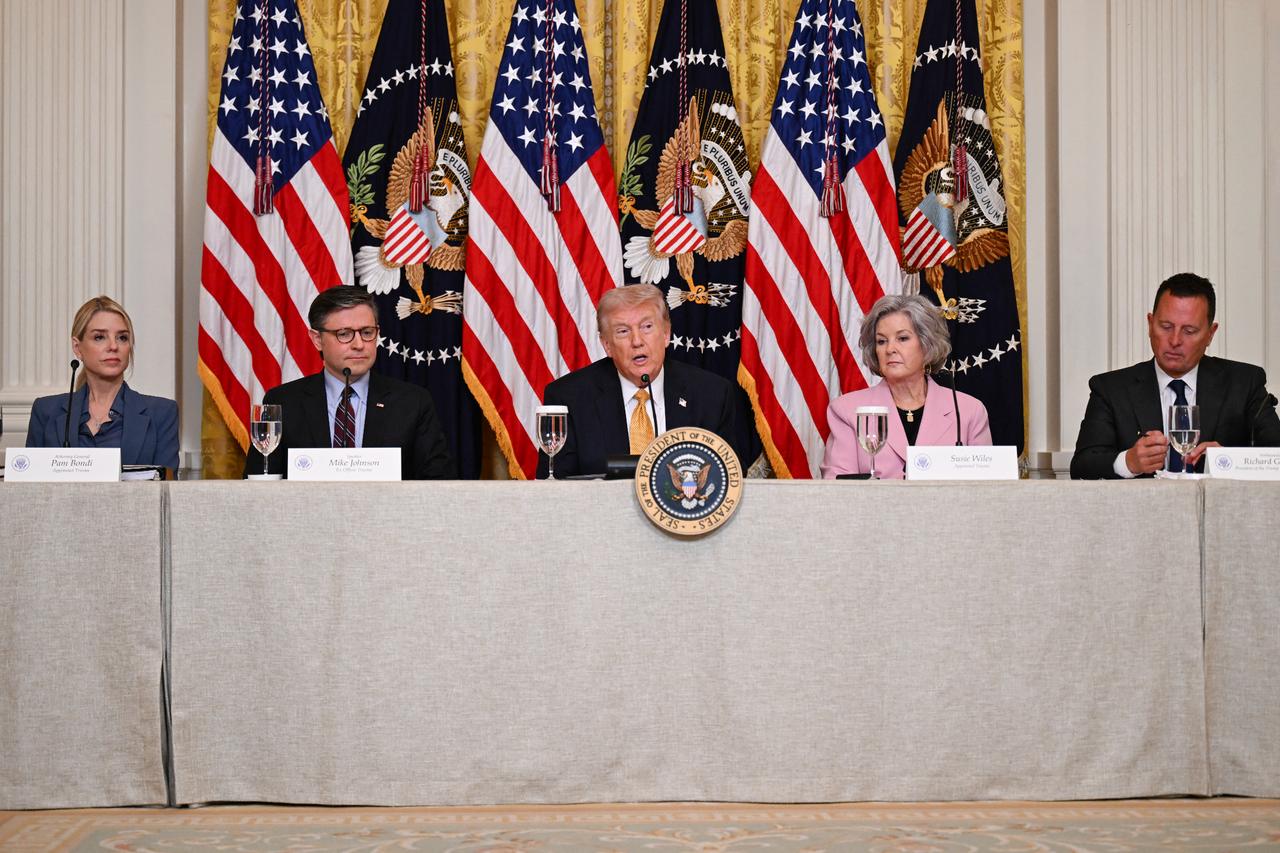


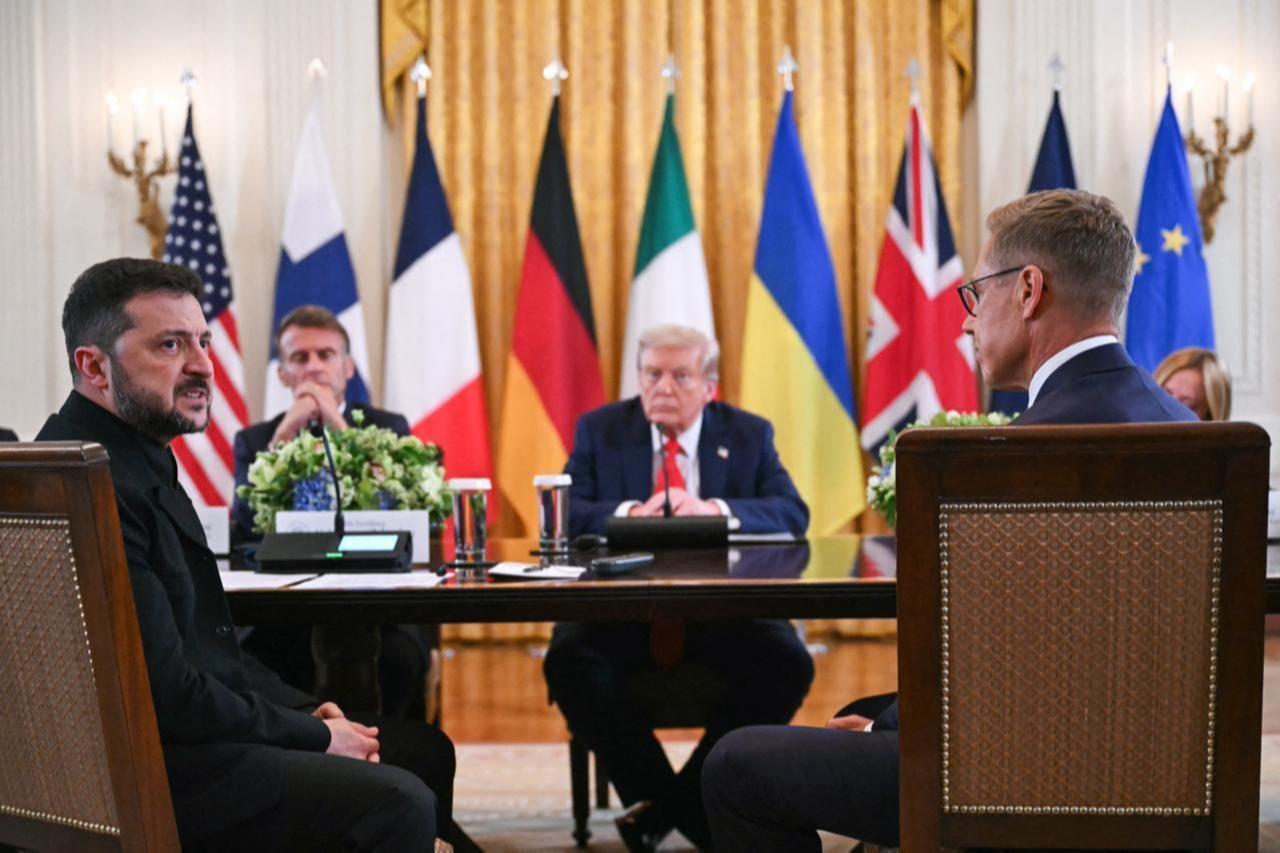
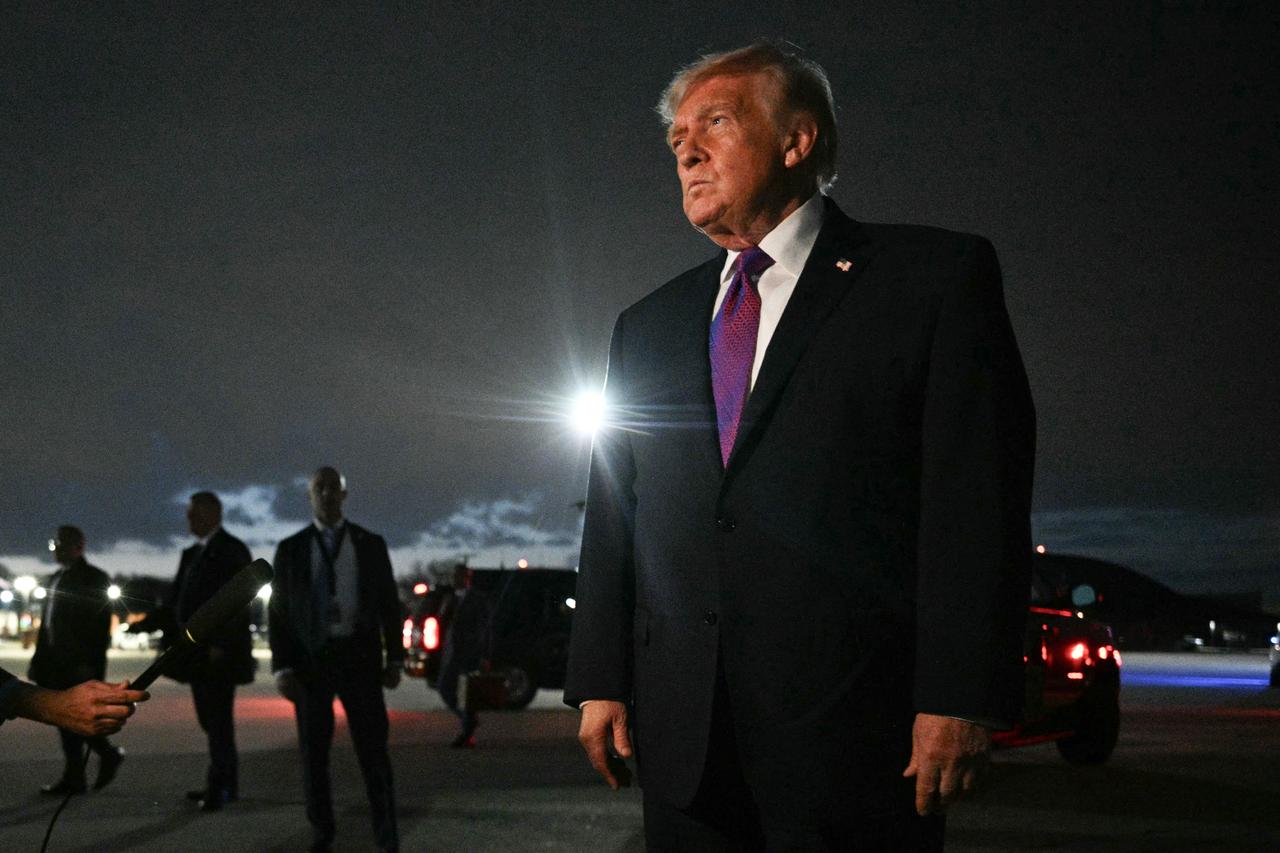
U.S. President Donald Trump publicly chastised unnamed allied nations on Monday for declining to help secure the Strait of Hormuz, dismissing a diminished Iran as "a paper tiger" while warning that the United States would not forget which countries refused to contribute even basic naval assets to reopening the critical waterway.
Speaking in the East Room of the White House before a lunch meeting with Kennedy Center board members, Trump said he had appealed to multiple nations, some of which host tens of thousands of American troops, only to be told they would "rather not get involved." He did not identify the countries by name but made clear he viewed their refusal as a betrayal of decades-long security relationships, and he wanted it on the record.
"We have some countries where we have 45,000 soldiers, great soldiers, protecting them from harm's way," Trump said. "And what we want to know, do you have any minesweepers? Well, we'd rather not get involved, sir."
He paused, then added: "I said, you mean for 40 years we're protecting you, and you don't want to get involved in something that is very minor?"
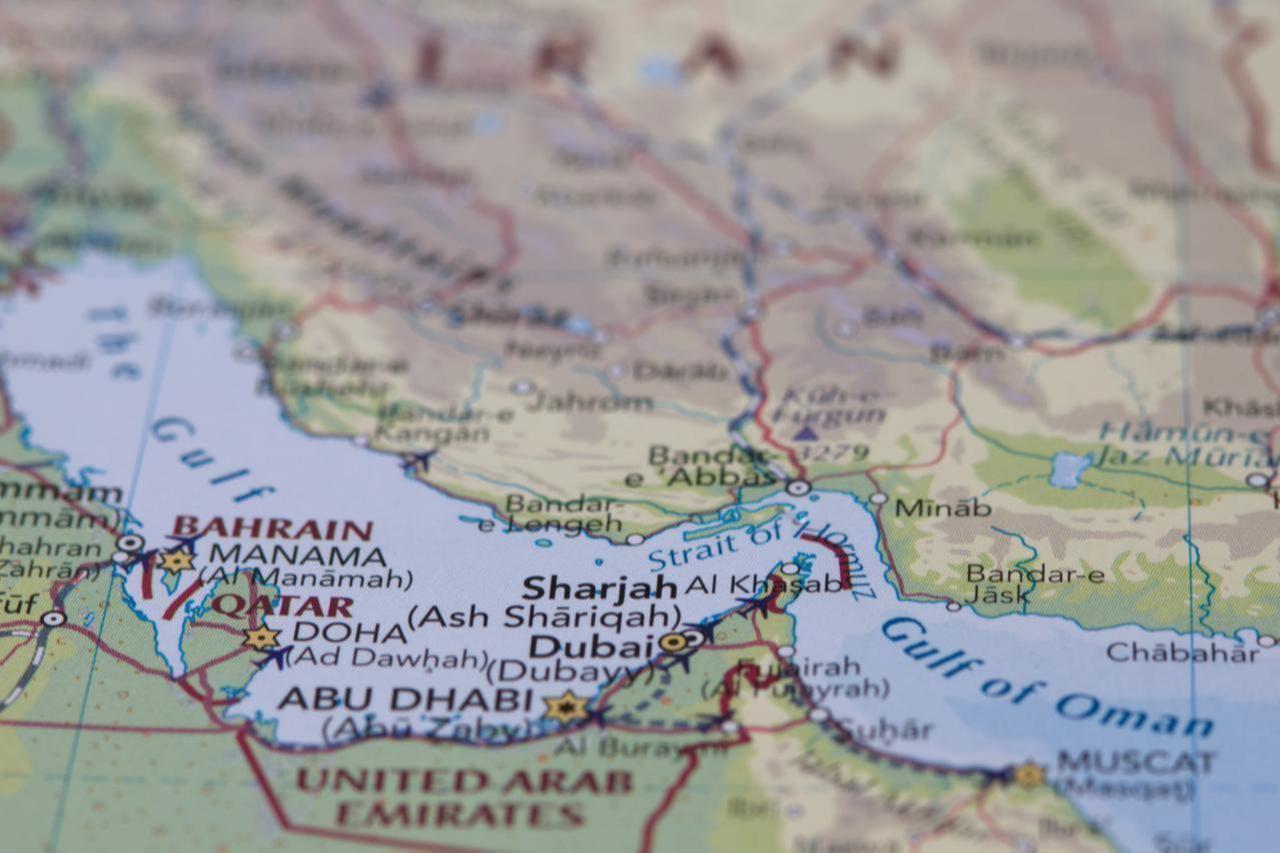

Trump framed the ask as self-evidently reasonable, noting that the countries most dependent on the strait have the most to lose from its continued disruption. He cited specific figures: Japan draws 95% of its oil through the Hormuz passage, China 90% , South Korea 35%, and several European nations rely on it heavily. The United States, by contrast, imports less than one percent of its oil through the waterway.
"These people literally need it," Trump said. "Ninety, ninety-five percent of their energy or their oil comes out of the Strait, and they should be in here very happily helping us."
He said "numerous countries" had told him they were "on the way," with some expressing enthusiasm, but others far less so. He declined to name any of them, saying he did not know whether they would want to be publicly identified, "because maybe they don't want to be targeted."
That concern, Trump immediately argued, was unfounded. "I say it wouldn't matter if you're targeted or not because this is a paper tiger that we're dealing with now," he said. "It wasn't a paper tiger two weeks ago. It's a paper tiger now."
Despite that characterization, vessel traffic through the strait has effectively come to a standstill since the war began on February 28. Iran's new supreme leader, Mojtaba Khamenei, has indicated the strait would remain closed to provide Tehran with leverage during the conflict, while Foreign Minister Abbas Araghchi has said the waterway is open to all except vessels belonging to the U.S. and its allies.
Oil prices hovered around $105 per barrel on Monday, and the International Energy Agency has coordinated the largest-ever release of emergency reserves to try to stabilize markets.
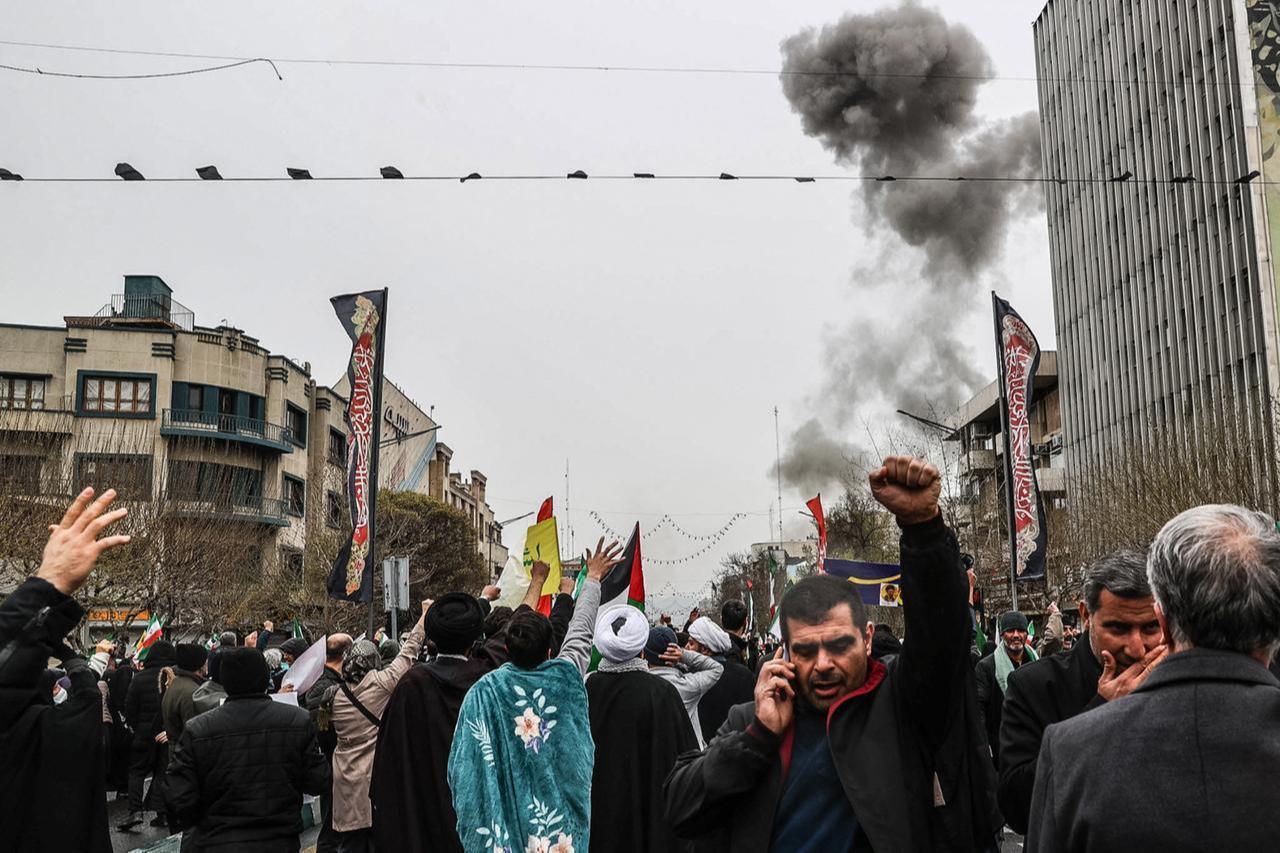
Trump's remarks on allied burden-sharing came within a sweeping update on the military campaign, in which he declared Iran's armed forces had been "literally obliterated."
He said the U.S. had struck more than 7,000 targets across Iran, mostly military and commercial, and claimed a 90% reduction in Iranian ballistic missile launches and a 95% drop in drone attacks. More than 100 Iranian naval vessels have been sunk or destroyed, he said, including all 30 of the country's mine-laying ships.
Those figures broadly align with Pentagon reporting. CENTCOM Commander Admiral Brad Cooper reported earlier in the conflict that missile launches had fallen 90% from their opening-day peak, while drone launches had dropped by at least 83%. As of mid-March, CENTCOM had confirmed more than 90 Iranian vessels damaged or destroyed, including over 30 minelayers.
Yet Trump himself acknowledged the limits of conventional military dominance in the narrow passage. "A single terrorist can put something in the water or shoot something or shoot a missile, a small missile, and it's fairly close range because it is a tight area, which is one of the reasons they've always used that as an economic weapon," he said of Iran's longstanding leverage over Hormuz.
Naval analysts have warned that escort operations through the strait present enormous logistical and security risks, even against a severely degraded adversary, given that the navigable channel is just 10 miles wide at its narrowest point. The U.S. Navy decommissioned its four dedicated Persian Gulf minesweepers last year and shipped them home for scrapping in January, leaving only littoral combat ships with mine countermeasure modules to handle the threat.
Trump's frustration carried the tone of a long-held grievance finally confirmed. He told reporters he had been a "big critic of all of the protecting of countries" throughout his career, saying he had always known that allies who benefit from American military protection would not reciprocate when called upon.
"I just want the fake news media and everybody else to remember that that was said," Trump declared, referring to the unnamed country's refusal to send minesweepers.
He said the U.S. had already neutralized the Iranian military threat in and around Hormuz, including destroying all known mine-laying ships. But he stressed that because the strait is narrow enough for even a small-scale attack to cause disruption, the nations that depend on it most should be participating willingly, and with "great enthusiasm."
The level of that enthusiasm, he said, "matters to me."
As of Monday, no country had publicly committed naval forces to a U.S.-led Hormuz escort mission. The United Kingdom said it would not be drawn into the wider war. Japan cited legal constraints on overseas deployments. Germany called the conflict a non-NATO matter. Australia said it would not be sending ships. China called for all parties to cease hostilities without addressing the question of warships.
Trump's demand for Hormuz assistance sits within a wider pattern. The broader-than-anticipated impact of the opening strikes, which killed Supreme Leader Ali Khamenei along with much of the senior leadership, has turned what the White House initially envisioned as a focused, weeks-long operation into an open-ended conflict with widening economic and political consequences and no clear exit strategy.
The administration did not consult allies in Europe or Asia before launching the military operation on February 28, raising questions about whether those allies would now expect concessions in return for contributing forces. European officials have privately expressed concern that Trump may declare victory in the coming weeks, withdraw from the conflict, and leave allied nations responsible for maintaining shipping security in the strait on their own.
Trump, for his part, appeared to dismiss the notion that the U.S. needs the help at all, even as he demanded it. He noted that America is now the world's top oil producer "by double" and touted an expanding oil arrangement with Venezuela as a further buffer against supply disruptions. The contradiction, between insisting allies step up and insisting their help is unnecessary, went unaddressed.
He also pivoted briefly to Venezuela, calling the post-Maduro relationship "fantastic" and saying "millions, literally millions of barrels of oil" are being extracted and sent to U.S. refineries. The Treasury Department eased Venezuelan sanctions further on March 13 specifically to offset Iran war-related supply disruptions, with major U.S. oil companies ramping up operations in the country.


 Set as preferred source
 Set as preferred source


 1 min read
 1 min read