Newsletters


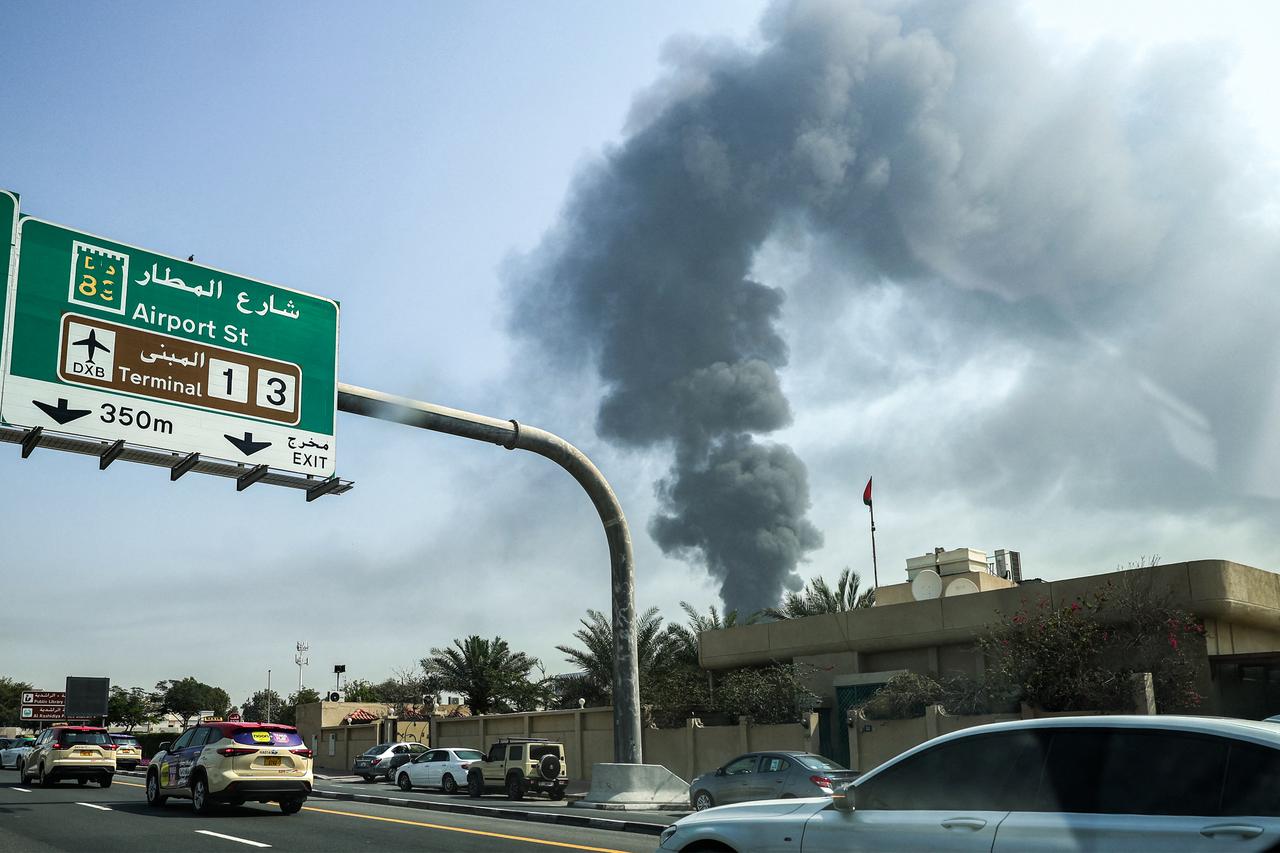


Germany said Monday that the war triggered by U.S.-Israeli strikes on Iran has “nothing to do with NATO” and should not involve the alliance, pushing back against calls by U.S. President Donald Trump for allies to help secure the Strait of Hormuz.
“NATO is an alliance for the defence of territory” and “the mandate to deploy NATO is lacking” in the current situation, German Chancellor Friedrich Merz’s spokesman Stefan Kornelius told a regular government briefing.
Trump had urged countries including South Korea, France, China and Britain to help ensure safe passage through the Strait of Hormuz, which Iran has declared closed to U.S. and U.S.-allied shipping.
He later increased pressure on NATO allies, telling the Financial Times that the alliance could face a “very bad” future if members fail to help reopen the strategic waterway.
Speaking ahead of a meeting of European Union foreign ministers in Brussels, German Foreign Minister Johann Wadephul also said Berlin does not see NATO “assuming responsibility” for the Strait of Hormuz.
Wadephul said Germany supports imposing sanctions on “those responsible” for blocking the vital maritime route.
He added that it would be important for Washington and Tel Aviv to define “when they consider the military aims of their deployment to have been reached.”
Before meeting EU counterparts in Brussels, Wadephul said he told his U.S. and Israeli counterparts that “we need more clarity here.”
He also warned that the Iranian government poses a serious threat to the region, global shipping and the world economy, saying “this danger definitely must not continue.”
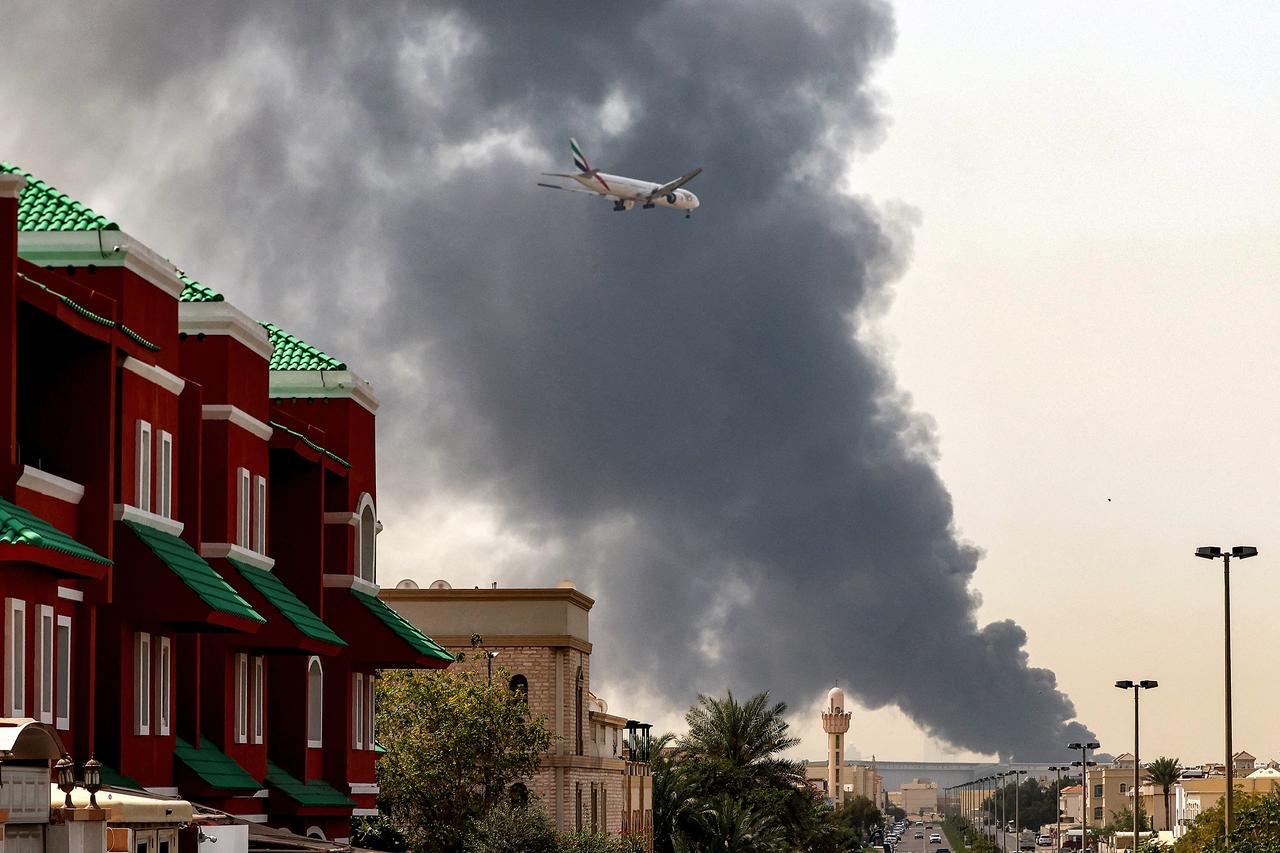

German Chancellor Merz said Friday that the conflict in the Middle East should end “as soon as possible,” warning the war benefits no one and harms many economies, including Germany’s.
Defense Minister Boris Pistorius said Monday that Germany would not take part militarily in the conflict.
“There will be no military participation,” Pistorius said, adding that Berlin is prepared to support diplomatic efforts to ensure safe passage through the Strait of Hormuz.
“We have a situation which we did not provoke... This war started without any consultations,” he added.
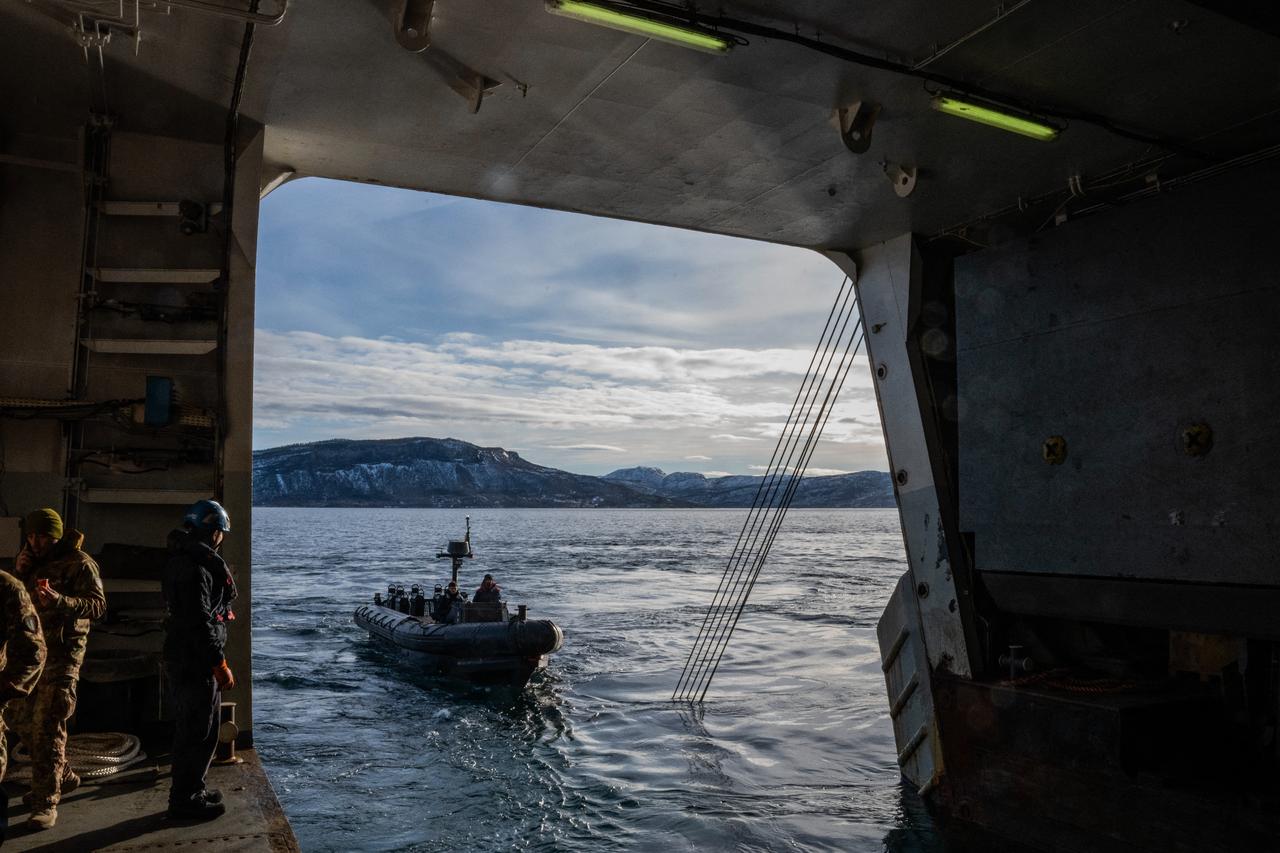
Germany’s main military focus remains NATO’s eastern flank and the High North, Pistorius said.
“We stay committed to that but we can’t be anywhere in the world.”
“What does Donald Trump expect from a handful of European frigates in the Strait of Hormuz that the mighty US navy cannot manage alone? This is the question I find myself asking,” he added.
French Foreign Minister Jean-Noel Barrot also warned Monday against uncontrolled military escalation in the Middle East.
“Uncontrolled military escalation is dangerous in the Near and Middle East. It must not divert us from Ukraine, where for four years the security and peace of the European continent have been at stake,” Barrot said ahead of the EU Foreign Affairs Council in Brussels.
He reaffirmed France’s determination to continue supporting Ukraine and maintaining pressure on Russia.
Barrot also announced that sanctions were being expanded with nine new designations targeting individuals accused of involvement in the massacre in Ukraine’s Bucha in March 2022.
He added that four additional sanctions had been imposed against what he described as Kremlin propagandists.
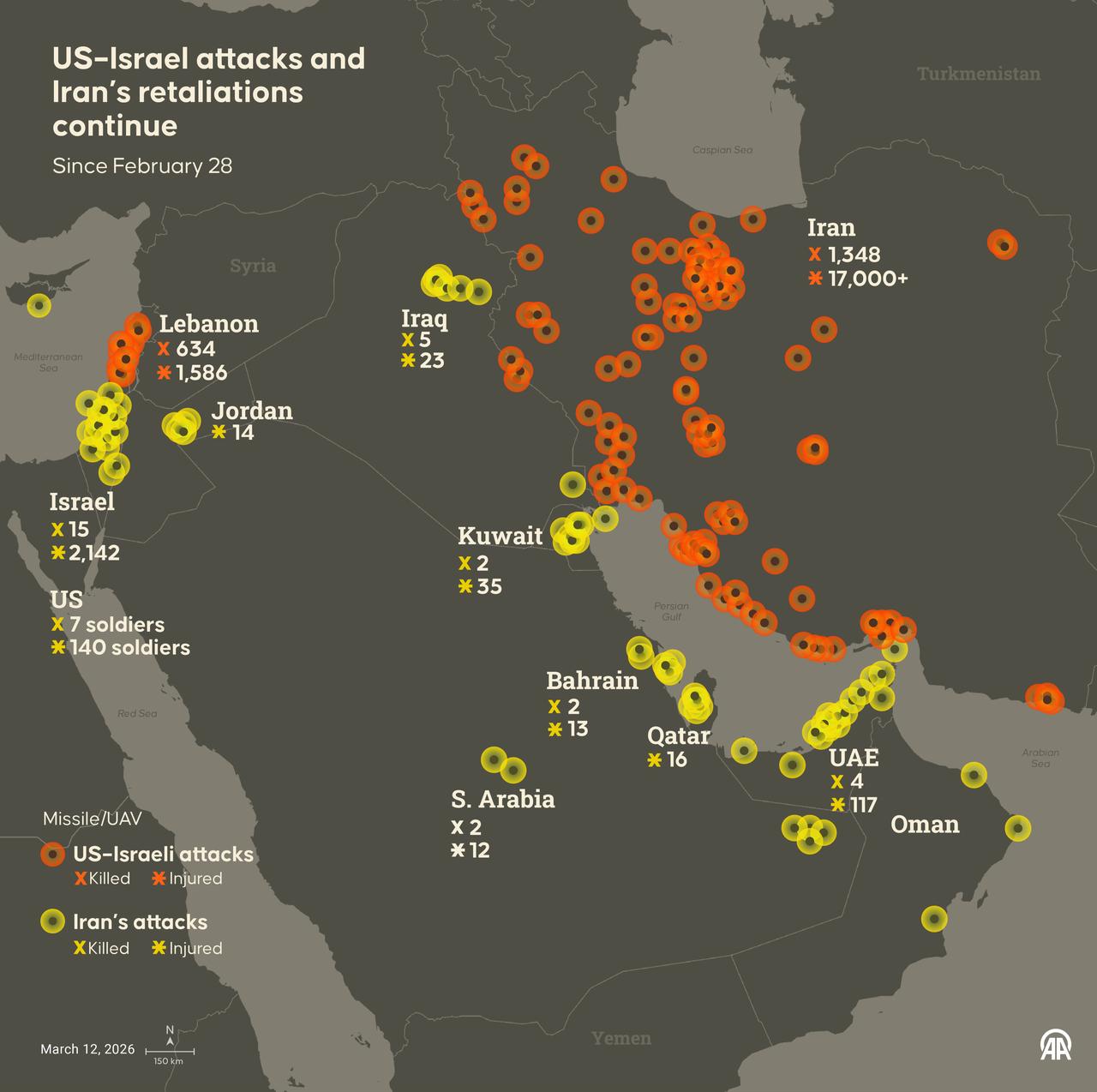
Regional tensions have escalated since Israel and the United States launched joint attacks on Iran on Feb. 28.
The strikes have killed around 1,300 people, including then-Supreme Leader Ali Khamenei, according to Iranian authorities.
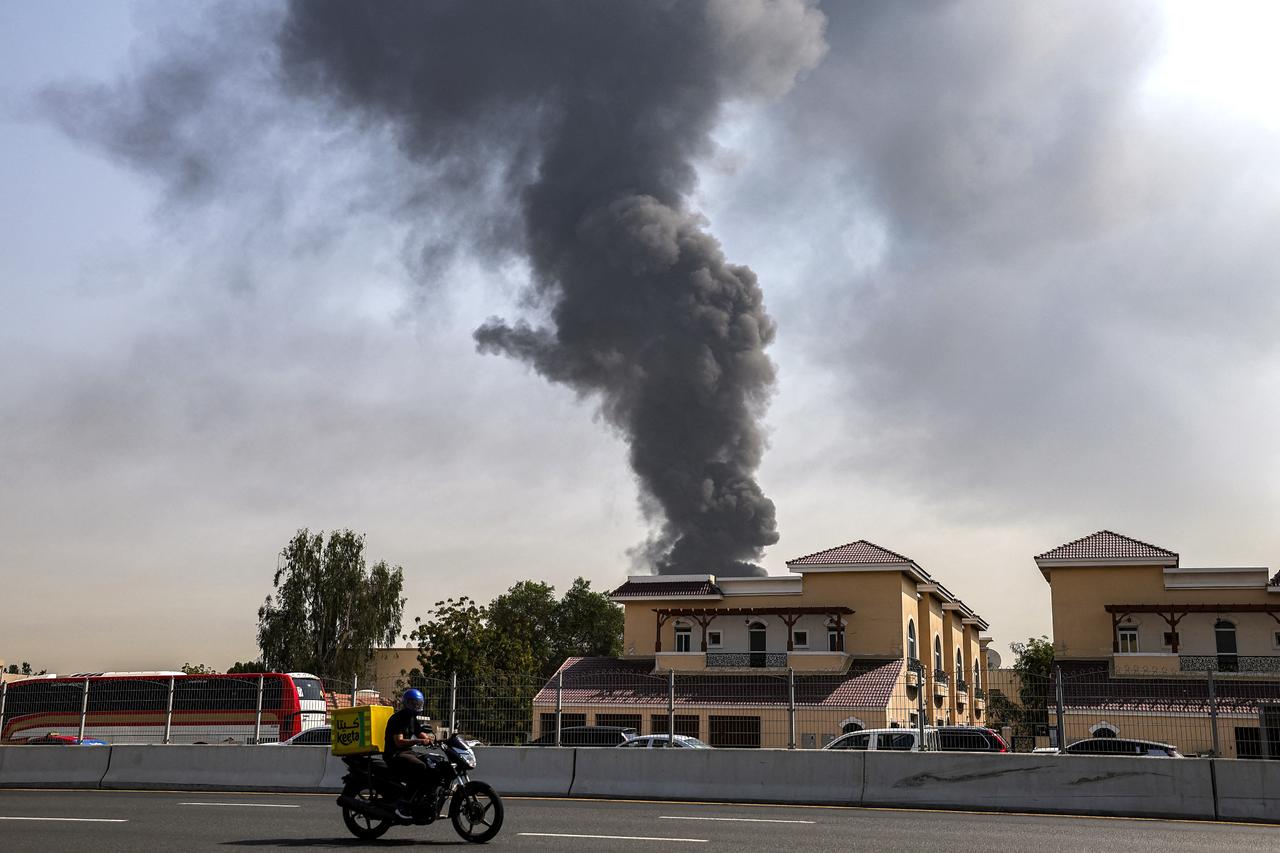
Iran has retaliated with drone and missile strikes targeting Israel, Jordan, Iraq and Gulf countries hosting U.S. military assets.


 Set as preferred source
 Set as preferred source


 1 min read
 1 min read