Newsletters


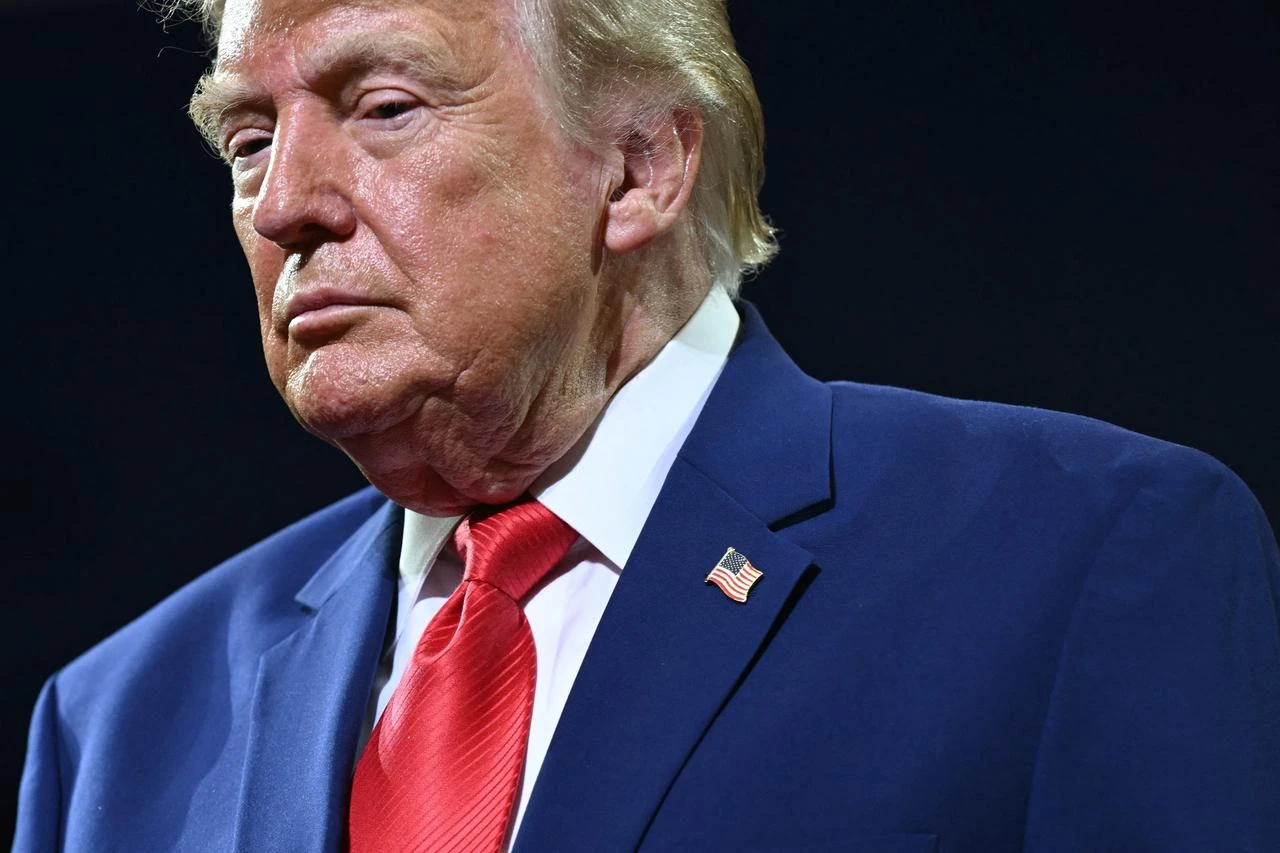


Trump dismissed the nearly five-month-old war with Iran as a "skirmish" on Wednesday, even as Tehran threatened to block all regional oil exports, nearly a dozen wounded American troops were evacuated to a military hospital in Germany, and Britain pulled its diplomatic staff from the country entirely.
The cascade of developments underscored a widening and increasingly uncomfortable gap between the White House's characterization of the conflict and its escalating reality on the ground.
Speaking at Wheeler High School in Marietta, Georgia, Trump said Iran was being struck hard enough that it wanted to negotiate, but was not yet prepared to commit to terms.
"They want to make a deal," he said, before adding that Tehran kept shifting its position at the negotiating table. "Every time they make a deal, they want to change it and everything. They're not ready. They'll be ready very soon."
Trump also claimed a recent poll showed Americans were not opposed to the war, though he did not identify it. That assertion stands in sharp contrast to a Washington Post-Ipsos poll released last week showing only 29 percent of Americans support the conflict, with most saying they do not expect their economic outlook to improve.
Trump's comments at the Georgia rally came hours after he attended a dignified transfer at Dover Air Force Base for four soldiers killed in the fighting.
The fallen were Sgt. Michael Emmanuel Swinton, 30, who died while disposing of an Iranian drone in Iraq; Pvt. Isabella Gonzales, 19, and First Lt. Tyler James Feehan, 25, both killed by an Iranian missile at Muwaffaq Salti Air Base in Jordan last week; and Sgt. Angel Rampersad, 28, also believed to have been killed in that attack.
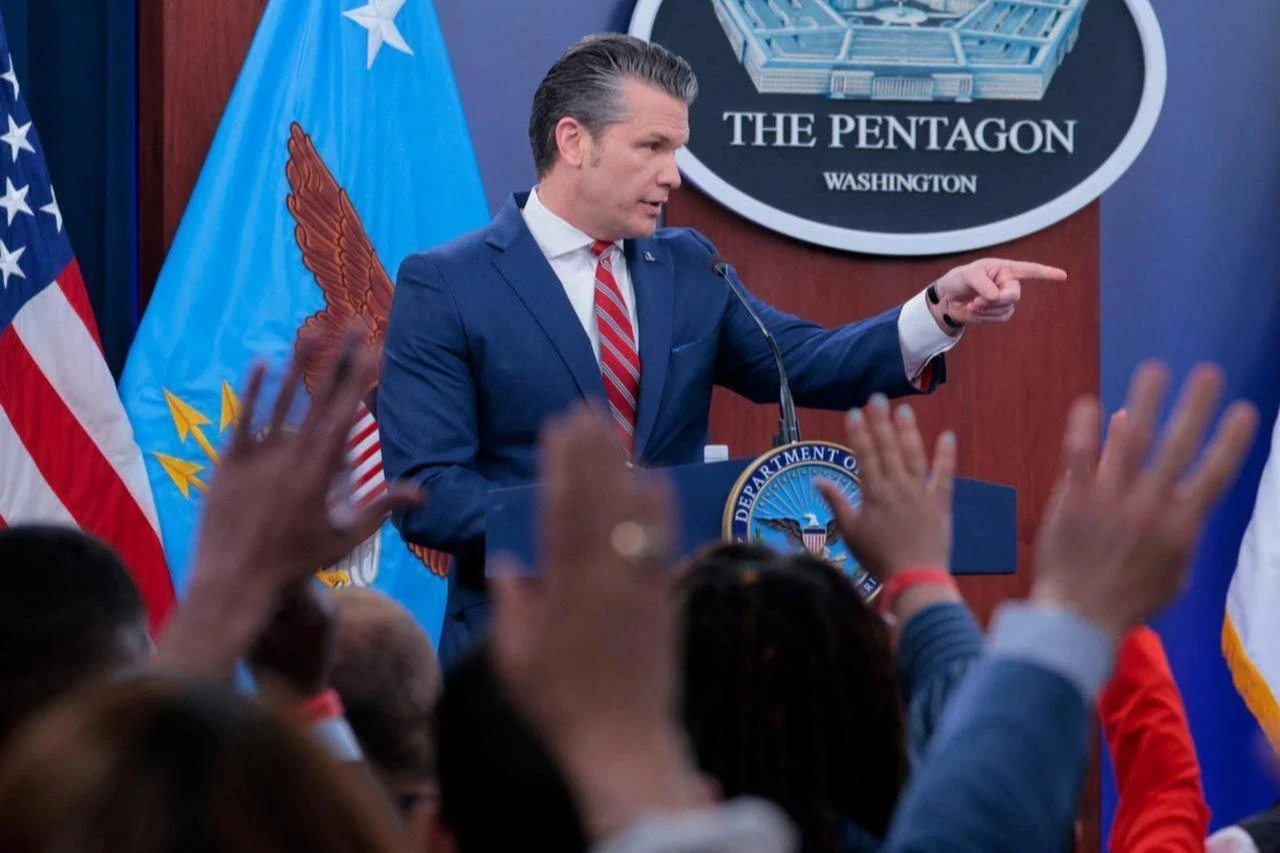
Standing alongside Defense Secretary Pete Hegseth and Joint Chiefs Chairman Gen. Dan Caine, Trump bowed his head as soldiers carried each flag-draped transfer case from a C-17 transport plane. Press Secretary Karoline Leavitt placed her hand over her heart. A woman wailed as the fourth case was loaded into a waiting transfer van.
"It's one of the hardest things to do as a president," Trump told reporters. "It has to be done."
Before the transfer, Trump said that each of the four soldiers had died believing Iran must not be allowed to obtain a nuclear weapon, though he offered no explanation for how he knew their views.
Afterward, Trump invited members of Lt. Feehan's family aboard Air Force One and brought them to his Georgia rally. He addressed the grieving family directly from the stage.
"This was a person who was going all the way," Trump said of the fallen officer. "He would have been a general very quickly."
The families of the other three soldiers have not spoken publicly about their views on the war. Swinton was remembered by his mother as a jokester. Gonzales was described simply by her uncle as a "soldier." Rampersad was called a "gentle giant" by her family.
Feehan's family released a written statement. "He believed deeply in the power of military service, especially what it builds in a person: discipline, leadership, character," it read. "Everyone who knew him loved him."

The four soldiers are part of a toll that has grown steadily and, until recently, largely out of public view.
A total of 18 U.S. service members have died since the war began on Feb. 28. Approximately 550 have been wounded. Nearly a dozen troops injured in Iranian missile and drone attacks in Jordan and other countries this month were serious enough cases that they were evacuated to a U.S. military hospital in Germany, a military official said Wednesday on condition of anonymity to discuss operational matters.
Flight tracker websites identified Air Force C-17 medevac flights from Jordan to Germany in recent days. The Defense Department declined to comment.
The Pentagon had not publicly disclosed the latest casualties until the New York Times reported on injuries sustained in four separate attacks last week. The last of those attacks, on Friday, killed three soldiers and wounded several others.
The evacuated troops are among roughly 100 American service members the Pentagon has said were injured in Iranian attacks since early July. About 50 of those injuries were sustained at bases in Jordan. Most of the wounded have returned to duty, the Pentagon said.
On the Iranian side of the ledger, at least 1,700 civilians have been killed in the war, according to the Human Rights Activists News Agency, a rights group focused on Iran.
The Pentagon has held no major public briefing on the war since early May, leaving little public accounting of U.S. military strategy since a fragile truce collapsed earlier this month. Defense Secretary Hegseth addressed the deaths in Jordan in a social media post over the weekend, writing that they "only stiffens our resolve."
Americans, including Republicans, have grown increasingly uneasy with a conflict Trump had previously described as "a little excursion." In recent days he has sought to contextualize the death toll by comparing it to casualties in Vietnam, Afghanistan, Iraq, and the winter mission that ousted Venezuelan President Nicolas Maduro, which he has cited as resulting in zero American deaths.
While Trump sought to cast the conflict in restrained terms, Iran's public messaging on Wednesday pointed sharply in the opposite direction.
Mohammad Bagher Ghalibaf, speaker of Iran's parliament and its lead negotiator, issued some of the conflict's most sweeping economic threats yet. If Tehran could not sell its oil, he warned, no country in the region would be permitted to do so either.
"The equation of this war is clear: Either all or none!" he wrote on X.
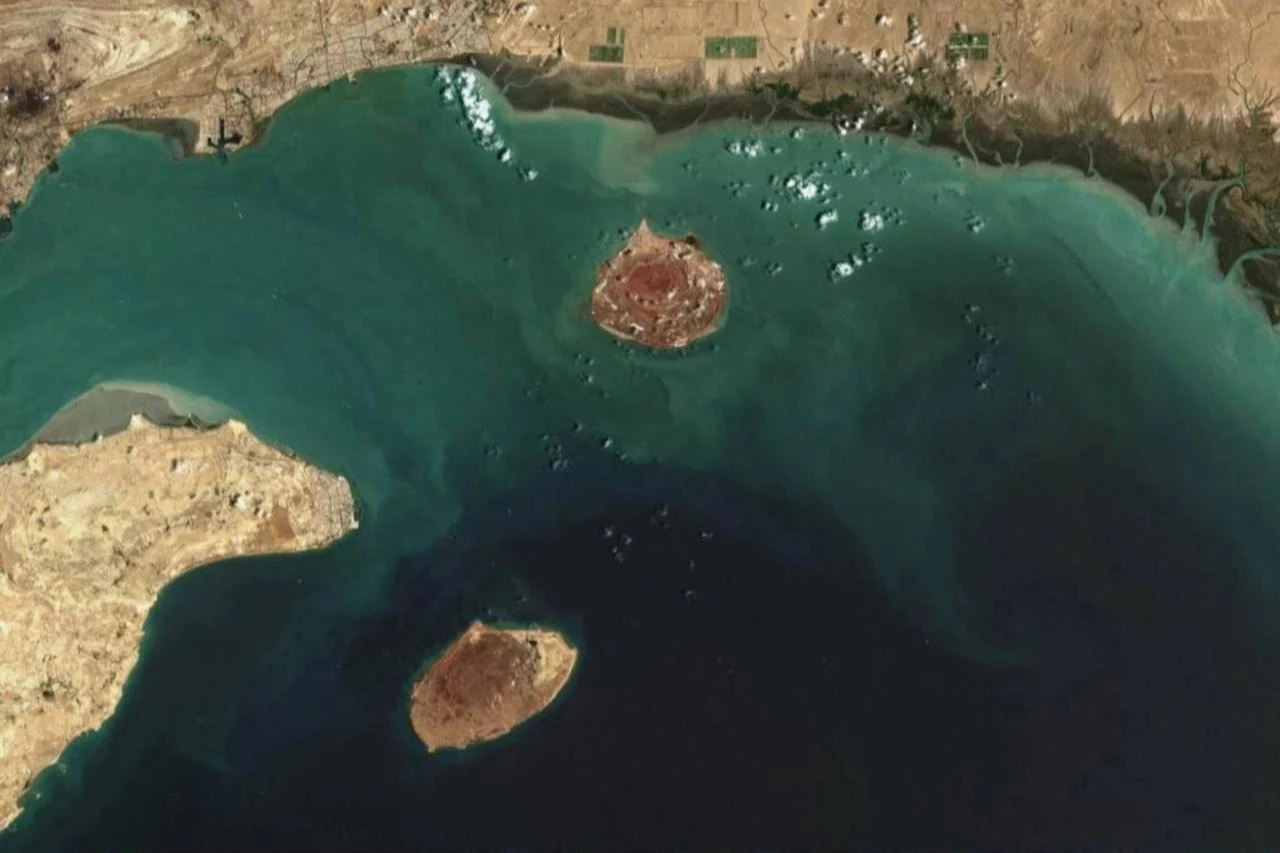
He added that if Iran's security was not guaranteed, "no infrastructure will be safe," and stated that the security of the Strait of Hormuz depended entirely on the removal of American forces from the region. "We have repeatedly said that the situation in the Strait of Hormuz will not return to pre-war conditions," Ghalibaf wrote.
The Strait of Hormuz, the narrow waterway between Iran and Oman at the mouth of the Persian Gulf, is the transit point for roughly a fifth of the world's oil supply. Any sustained closure would send immediate shockwaves through global energy markets.
Iran's Khatam al-Anbiya Central Headquarters, which coordinates joint operations across the country's armed forces, confirmed in a statement carried by state broadcaster that the strait remained closed. It warned that any vessel seeking passage must follow procedures previously announced by Tehran.
The headquarters went further, stating that if the United States followed through on threats to bomb Iranian bridges and power plants, Iran would move to prevent "even a single drop of oil" from leaving the region and would strike oil, gas, electricity and other economic infrastructure across the area. Repeated American threats, the statement said, risked expanding the war far beyond its current boundaries.
Iran's foreign minister, Abbas Araghchi, reinforced those warnings in his own social media post Wednesday, responding directly to Trump's infrastructure threats with a pointed declaration of Tehran's terms.
"Any aggression against Iran, including our infrastructure, will compel a powerful and decisive response," Araghchi wrote. He added that any party providing support for such strikes, regardless of the nature of that support, would also be considered a legitimate target.
"Our defense doctrine is clear: eye for an eye," he said.
Britain, meanwhile, announced Wednesday that it had temporarily withdrawn its staff from Iran amid heightened security concerns. The Foreign Office said the British Embassy would continue to operate remotely.
On the military front, U.S. Central Command said Tuesday that the American military had begun striking targets for the 11th consecutive day, in an effort to degrade the Iranian military's ability to threaten commercial shipping in the Strait of Hormuz.


 Set as preferred source
 Set as preferred source


 1 min read
 1 min read