Newsletters


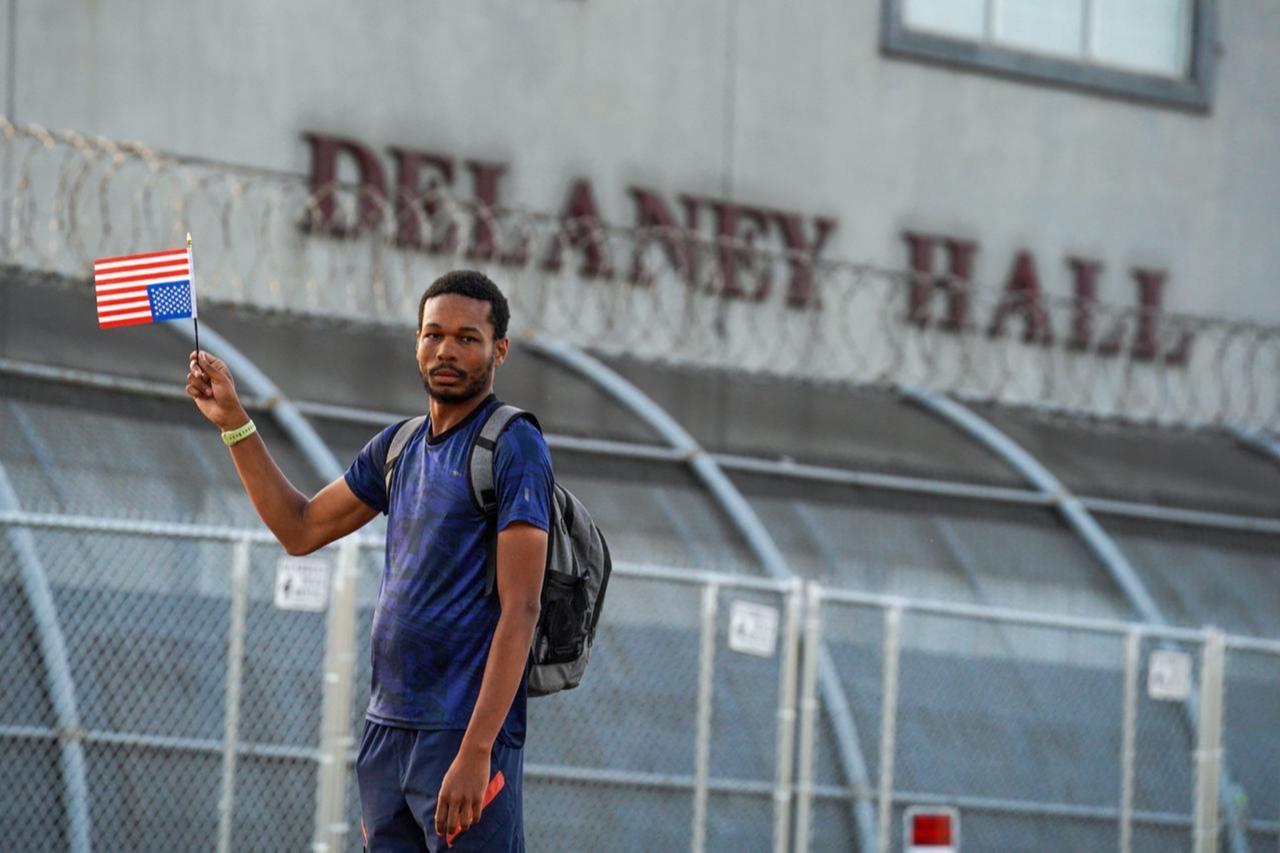


U.S. President Donald Trump said Monday that his administration would not offer amnesty to undocumented immigrants but acknowledged that some had become productive members of society.
“We have a very strong deportation policy. There's no amnesty, no, no anything. We keep that, but we focus on the worst of the worst,” Trump told reporters at the White House, insisting that his deportation policy remained unchanged.
Trump made the remarks in response to a question about his acknowledgment, in a recent interview, that his administration’s deportation push may have gone too far, and about his subsequent decision to name Stephen Miller, a chief architect of the immigration crackdown, White House chief of staff.
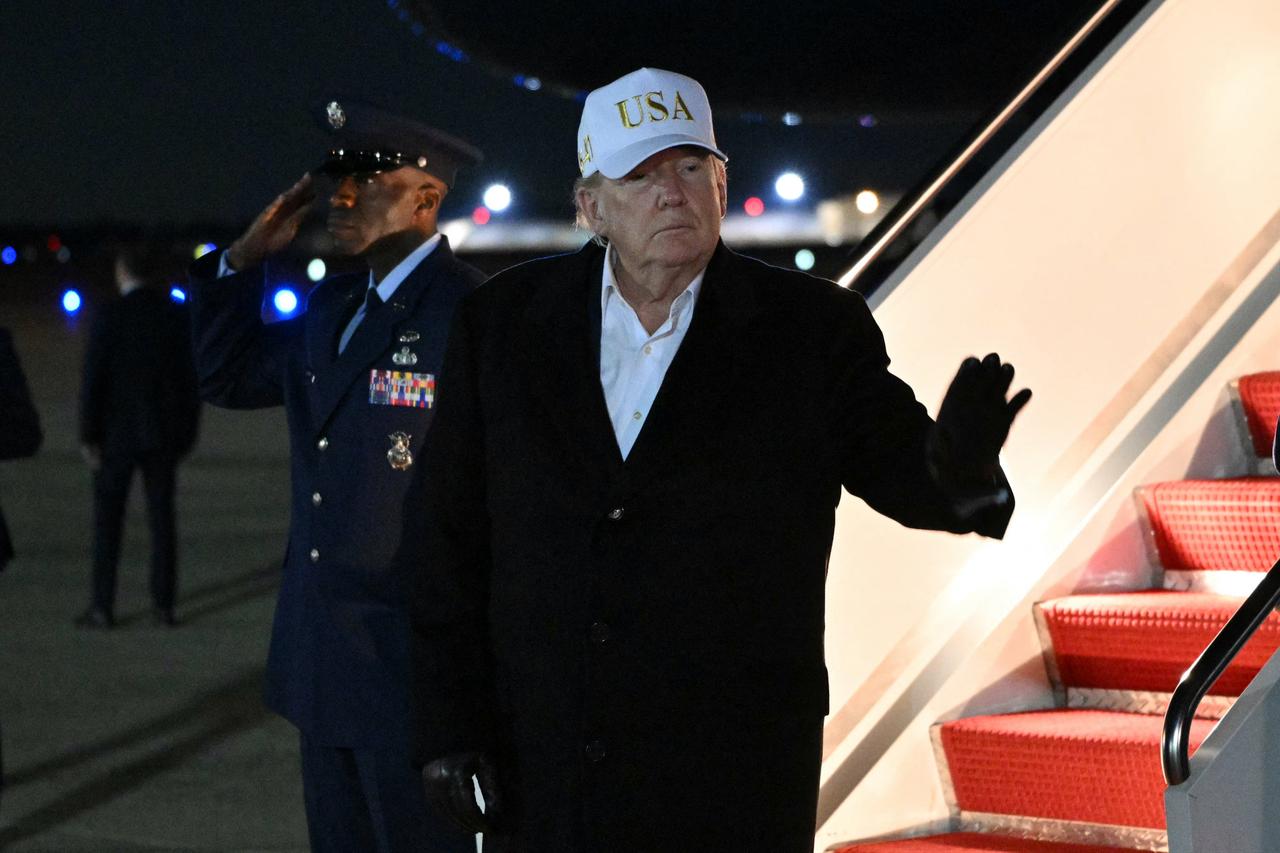

In an interview with CBS News’ “60 Minutes” that aired Sunday, Trump said his deportation crackdown “might be too tough” and acknowledged that it had hurt Republicans at the polls.
Trump said immigration had “both helped and hurt” his party and that he would “love to do something on immigration” with Democrats, suggesting a deal for immigrants who had lived in the country for 10 to 15 years.
Democrats won control of both the House of Representatives and the Senate in the Nov. 3 midterm elections, leaving Trump to govern alongside an opposition-controlled Congress for the final two years of his presidency.

Trump said authorities would continue prioritizing the removal of immigrants convicted of serious crimes, particularly murderers and drug traffickers.
“We've gotten most of them. We want to get the worst of the worst, and then we'll see what happens,” he said.
However, he acknowledged that some immigrants who entered the country illegally had established themselves economically.
“Many of them have good jobs now. They're productive. Some of them are even paying taxes, and we're seeing what's going to happen,” he said.
Trump reiterated that amnesty was not under consideration but said his administration was consulting various groups on how to proceed.
“My policy hasn't changed,” he said.
He did not directly answer whether he had instructed Miller to modify the administration's deportation approach.
The administration’s deportation drive has faced mounting backlash this year, most notably in Minneapolis, where federal agents conducting immigration operations killed two civilians in less than three weeks in January. An estimated 50,000 people marched through the city to demand the removal of federal immigration enforcement.
Renee Good, a U.S. citizen, was shot dead by an Immigration and Customs Enforcement (ICE) officer on Jan. 7.
On Jan. 24, federal agents killed a man the Department of Homeland Security said was armed, though Minneapolis police said he was believed to be a lawful gun owner with a permit to carry.
Trump accused Minnesota’s governor and Minneapolis’ mayor of “inciting insurrection” after the second shooting. Miller has faced criticism over his support for the administration’s response to the killings.


 Set as preferred source
 Set as preferred source


 1 min read

 1 min read