Newsletters


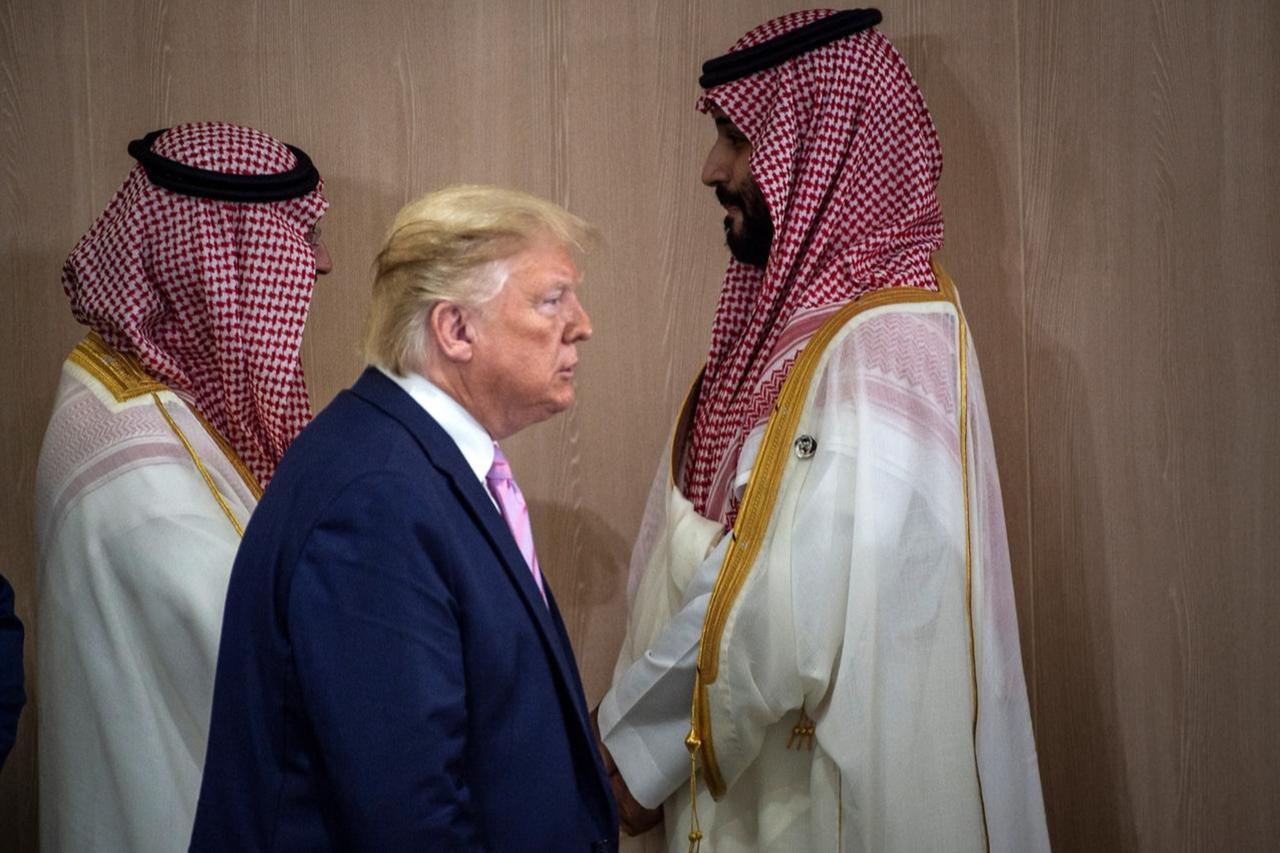


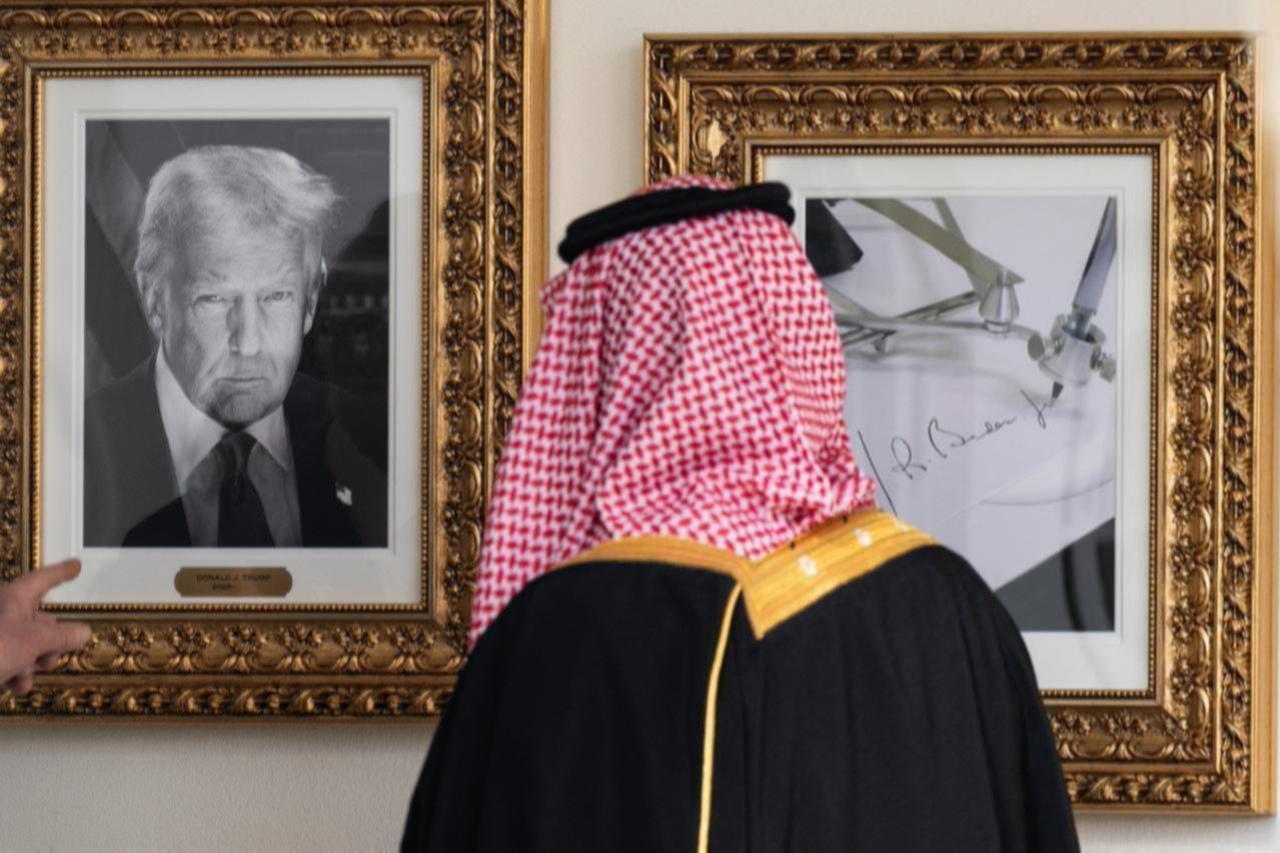
U.S. President Donald Trump publicly confirmed on Tuesday that Saudi Crown Prince Mohammed bin Salman has been urging him to maintain an aggressive military posture against Iran, validating a New York Times report that the kingdom's de facto ruler views the ongoing U.S.-Israeli campaign as a once-in-a-generation chance to reshape the Middle East.
Asked by a reporter whether MBS was encouraging him on Iran policy, Trump responded bluntly: "He does, he is a warrior. He is fighting with us, by the way."
The remark, brief but significant, put on the record what had until now been sourced only to anonymous officials. According to the Times report, published the same day, Prince Mohammed has argued in a series of calls over the past week that the United States must press toward the destruction of Iran's hard-line government, telling Trump the campaign presents a "historic opportunity" to remake the region.
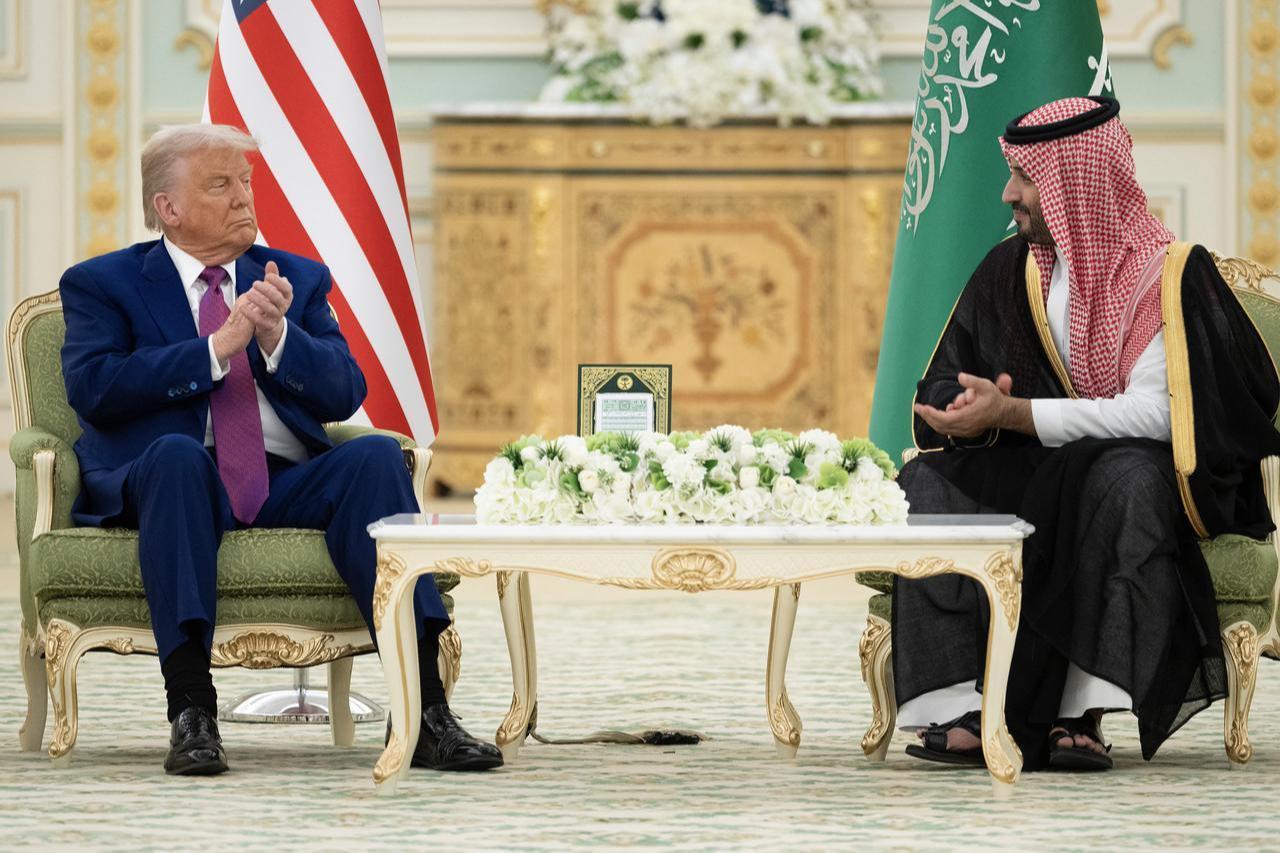

The Times report, citing people briefed by American officials, paints a picture of an increasingly assertive Saudi leader working to shape the trajectory of a war that is already sending shockwaves through global energy markets and destabilizing the Gulf.
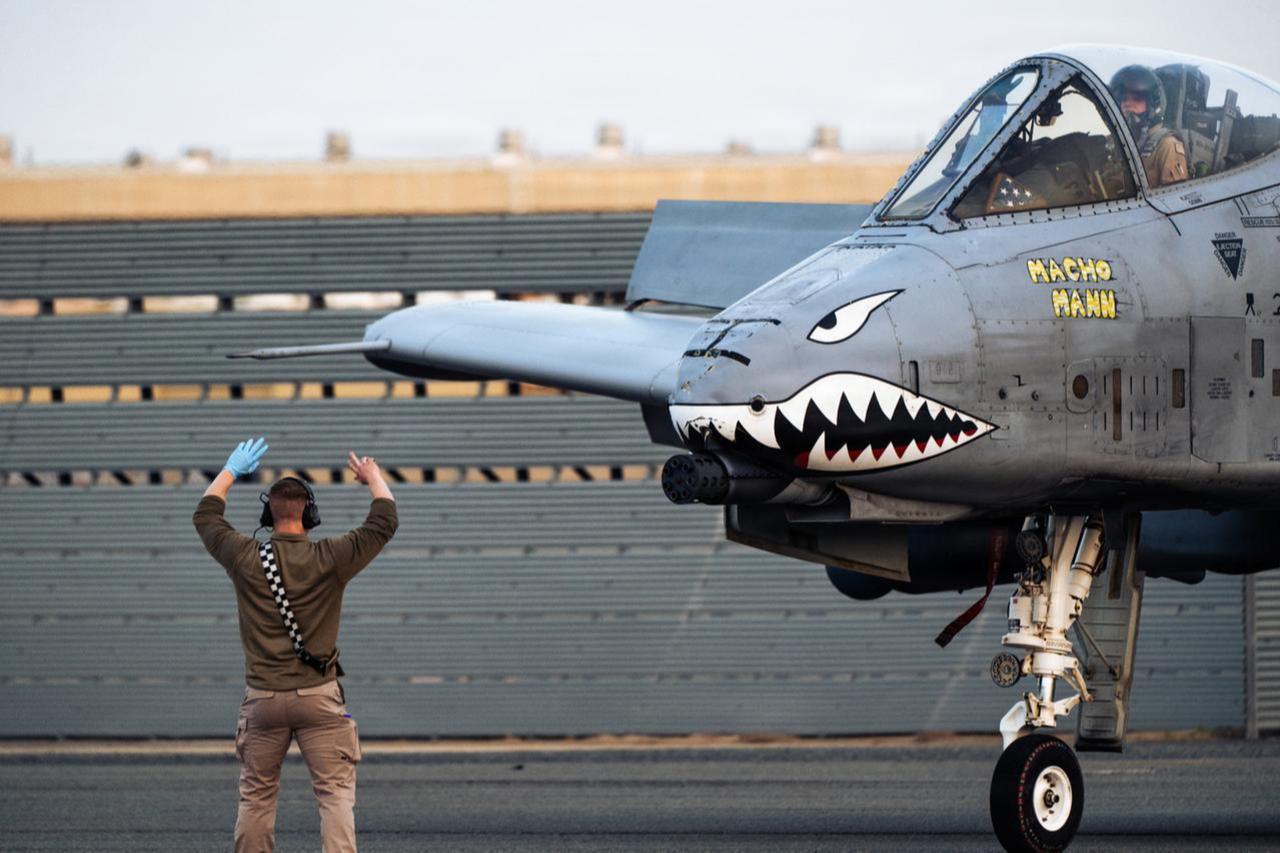
Prince Mohammed has gone so far as to argue that the United States should consider deploying ground troops inside Iran to seize energy infrastructure and force the government from power, according to the report. He has specifically advocated for attacks on Iran's energy infrastructure to weaken Tehran, and Trump has reportedly given more serious consideration in recent days to a military operation targeting Kharg Island, the hub of Iran's oil exports, a move that would be enormously risky whether carried out by airborne Army forces or a Marine amphibious assault.
The Saudi government rejected the characterization. "The kingdom of Saudi Arabia has always supported a peaceful resolution to this conflict, even before it began," it said in a statement, adding that officials "remain in close contact with the Trump administration and our commitment remains unchanged."
The statement pivoted to frame the kingdom as a victim of Iranian aggression: "Our primary concern today is to defend ourselves from the daily attacks on our people and our civilian infrastructure." It accused Iran of choosing "dangerous brinkmanship over serious diplomatic solutions."
 2 min read
The consequences for Saudi Arabia are as much economic as they are strategic. Iranian retaliatory drone and missile strikes, launched in response to the American-Israeli assault, have largely choked off the Strait of Hormuz, the narrow waterway through which the vast majority of Saudi, Emirati and Kuwaiti oil reaches international markets.
While Saudi Arabia and the United Arab Emirates have constructed pipelines to bypass the strait, those alternative routes have also come under attack. Saudi Arabia's overland pipeline capacity can carry only a fraction of its normal export volume, economists say, meaning the kingdom cannot compensate for the shortfall even as the world's largest spare-capacity producer.
The attacks have already hit Saudi soil directly. A refinery and the U.S. embassy have been struck, and fragments from intercepted projectiles have killed two Bangladeshi migrant workers and injured more than a dozen other foreign residents. The kingdom is burning through its stockpile of Patriot interceptors to defend against the barrage, with global supplies of the missiles already running short.
In his conversations with Trump, Prince Mohammed has sought to ease the president's concerns about oil prices and their drag on the American economy, assuring him the disruption is temporary, according to the Times. American and regional officials, however, are deeply skeptical that energy markets will recover quickly.


 Set as preferred source
 Set as preferred source


 1 min read