Newsletters


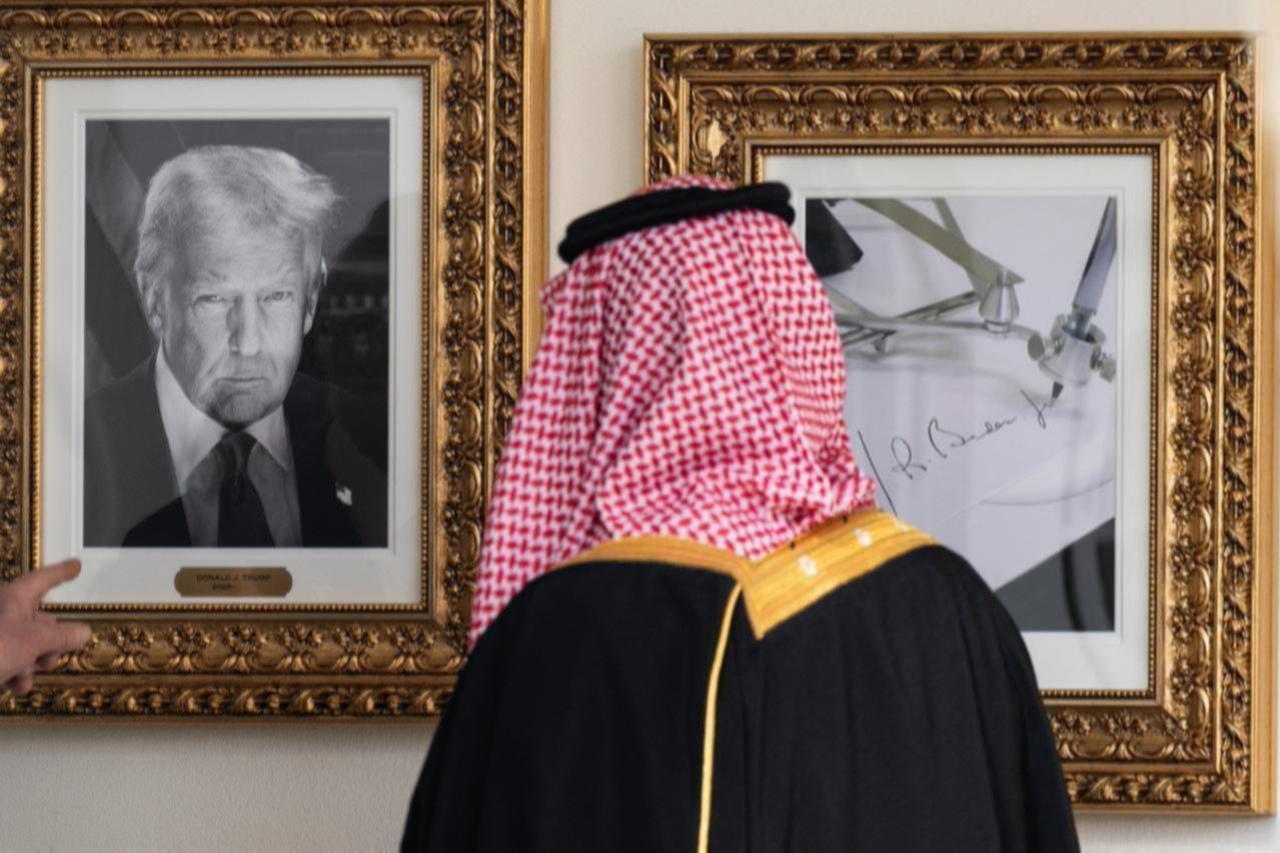


Saudi Arabia's de facto ruler, Crown Prince Mohammed bin Salman, has been pushing President Donald Trump in a series of recent phone calls to continue the US-Israeli military campaign against Iran, arguing that the conflict represents a once-in-a-generation chance to eliminate what Riyadh views as an existential threat, according to a New York Times report published on Monday citing people briefed by American officials.
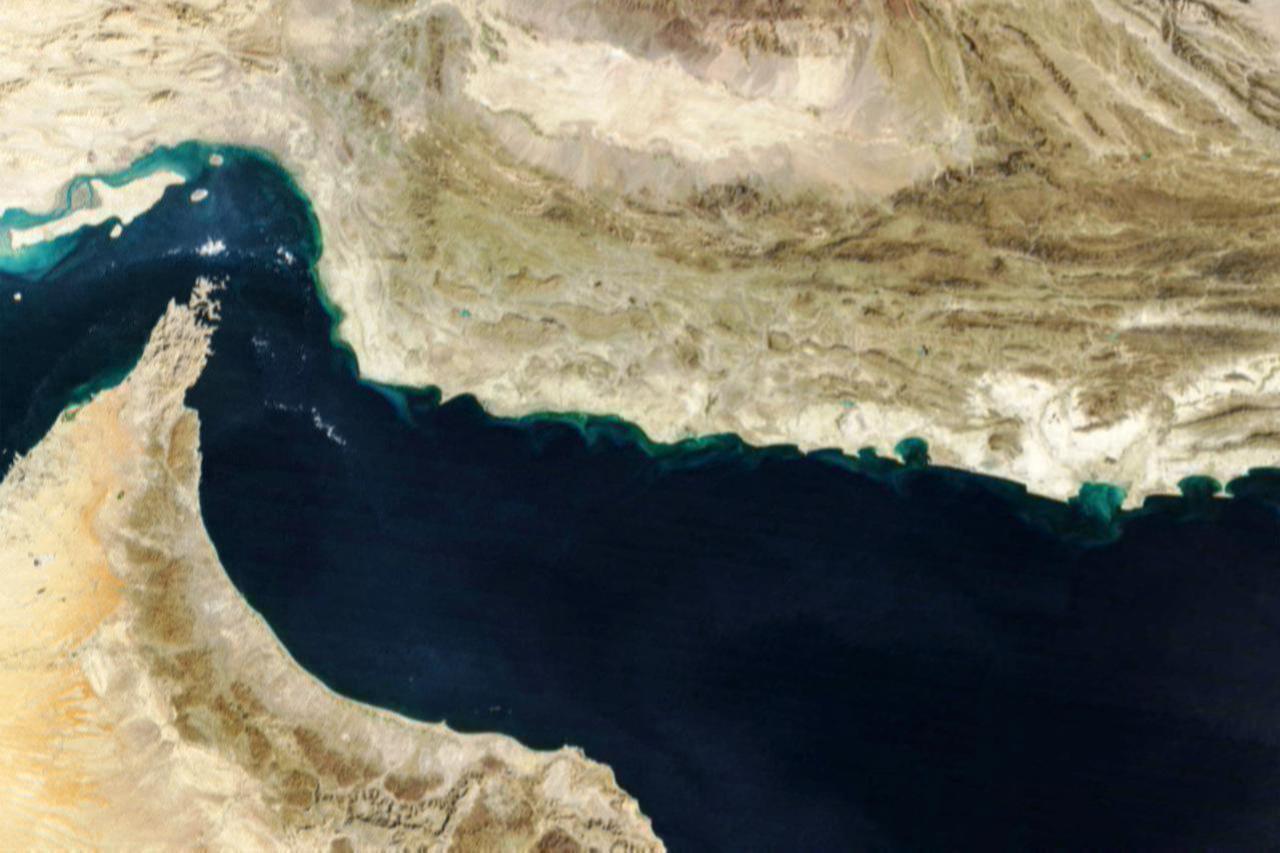
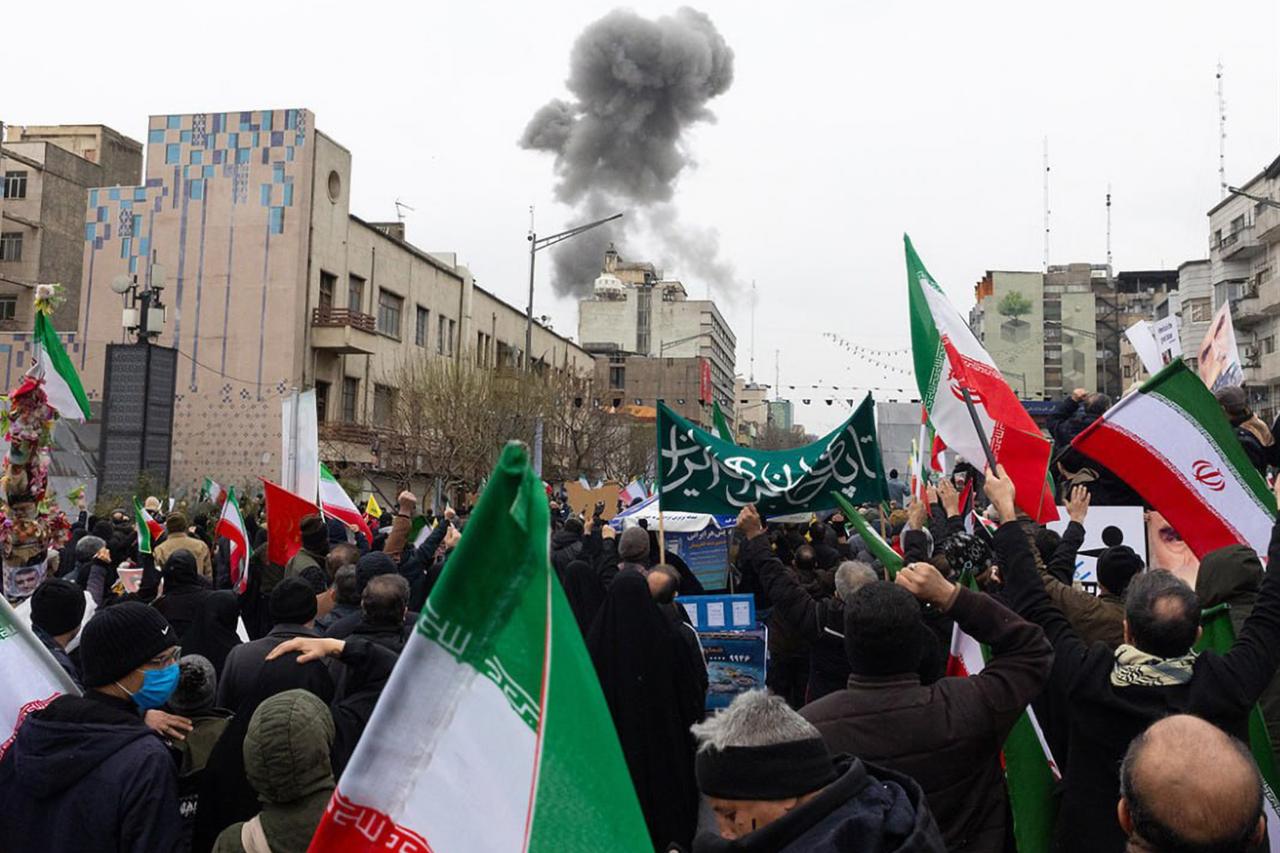
The war, now in its fourth week, has destabilized global energy markets, effectively shut the Strait of Hormuz to most commercial shipping, and drawn retaliatory Iranian missile and drone fire across more than half a dozen countries, while Trump himself has oscillated between talk of escalation and signals that a deal with Tehran may be close.
According to the Times report, the crown prince has told Trump that Iran's hardline government poses a permanent threat to the Gulf that can only be neutralized by removing the regime itself.
He has gone further, the report said, suggesting the United States consider deploying ground forces inside Iran to seize control of its energy infrastructure and force the government out of power.
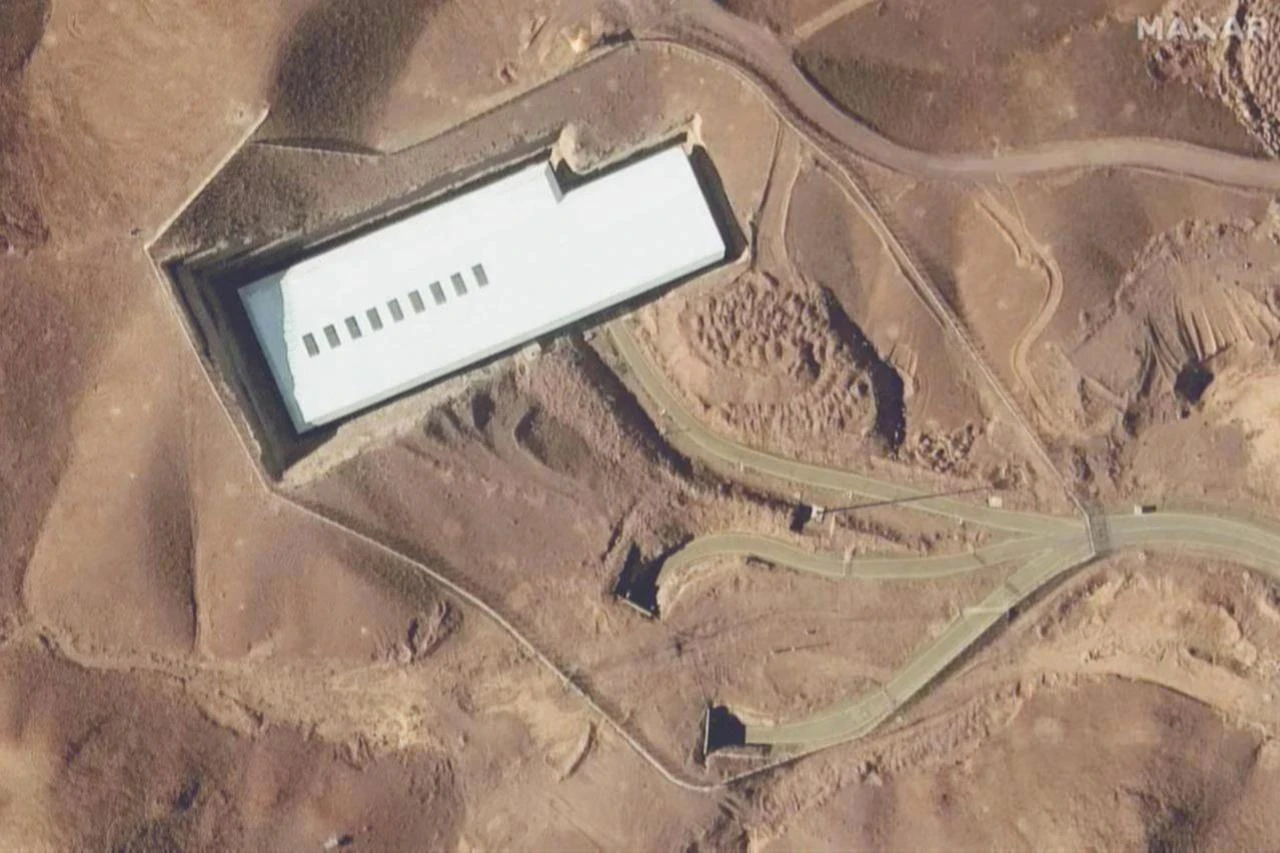
Trump has in recent days given more serious consideration to a military operation targeting Kharg Island, the hub of Iran's oil exports, the report said, a scenario that could involve airborne Army units or an amphibious Marine assault and would carry enormous risks.
Saudi officials rejected the characterization. In a statement, the Saudi government said the kingdom "has always supported a peaceful resolution to this conflict, even before it began," adding that officials "remain in close contact with the Trump administration."
The statement emphasized self-defense, saying the government's primary concern is "to defend ourselves from the daily attacks on our people and our civilian infrastructure."
White House press secretary Karoline Leavitt said the administration does not comment on the president's private conversations.

The report reveals a complicated set of calculations among Washington's closest Middle Eastern allies. Israeli Prime Minister Benjamin Netanyahu has also pushed for operations that could topple Iran's government.
But analysts cited in the report noted a key divergence: Israel would likely view a collapsed, internally chaotic Iran as a strategic win, whereas Saudi Arabia regards a failed Iranian state as a direct and grave security threat, fearing that rogue military elements or emergent militias could continue attacking the kingdom, particularly its oil infrastructure.
Yasmine Farouk, director of the Gulf and Arabian Peninsula project at the International Crisis Group, captured the tension: "Saudi officials certainly want the war to end, but how it ends matters."
That anxiety has deep roots. The Washington Post reported at the war's outset that the crown prince had privately lobbied Trump to launch the strikes in the first place, despite publicly supporting diplomacy.
In conversations with US officials, he warned that Iran would grow stronger if Washington failed to use the military force it had assembled in the region. Saudi Foreign Minister Prince Faisal bin Farhan acknowledged last week that whatever diplomatic goodwill existed between Riyadh and Tehran before the war has evaporated, telling reporters that the trust "has completely been shattered."
Analysts familiar with Saudi thinking say the crown prince fears that if Trump pulls back now, the kingdom and the rest of the Gulf will be left to confront an emboldened and furious Iran on their own, a scenario that could also leave Tehran with the power to periodically close the Strait of Hormuz.
The war's economic toll on Saudi Arabia is immense and mounting. Iran's retaliatory strikes since the February 28 offensive have largely choked off the Strait of Hormuz, through which the vast majority of Saudi, Emirati, and Kuwaiti oil must pass to reach international markets.
Brent crude surpassed $100 per barrel on March 8 for the first time in four years, eventually peaking at $126. The Federal Reserve Bank of Dallas described the disruption as the largest to the global oil supply since the 1970s energy crisis, noting that roughly 20 percent of global supply is at stake, making it three to five times larger than previous geopolitical oil shocks.
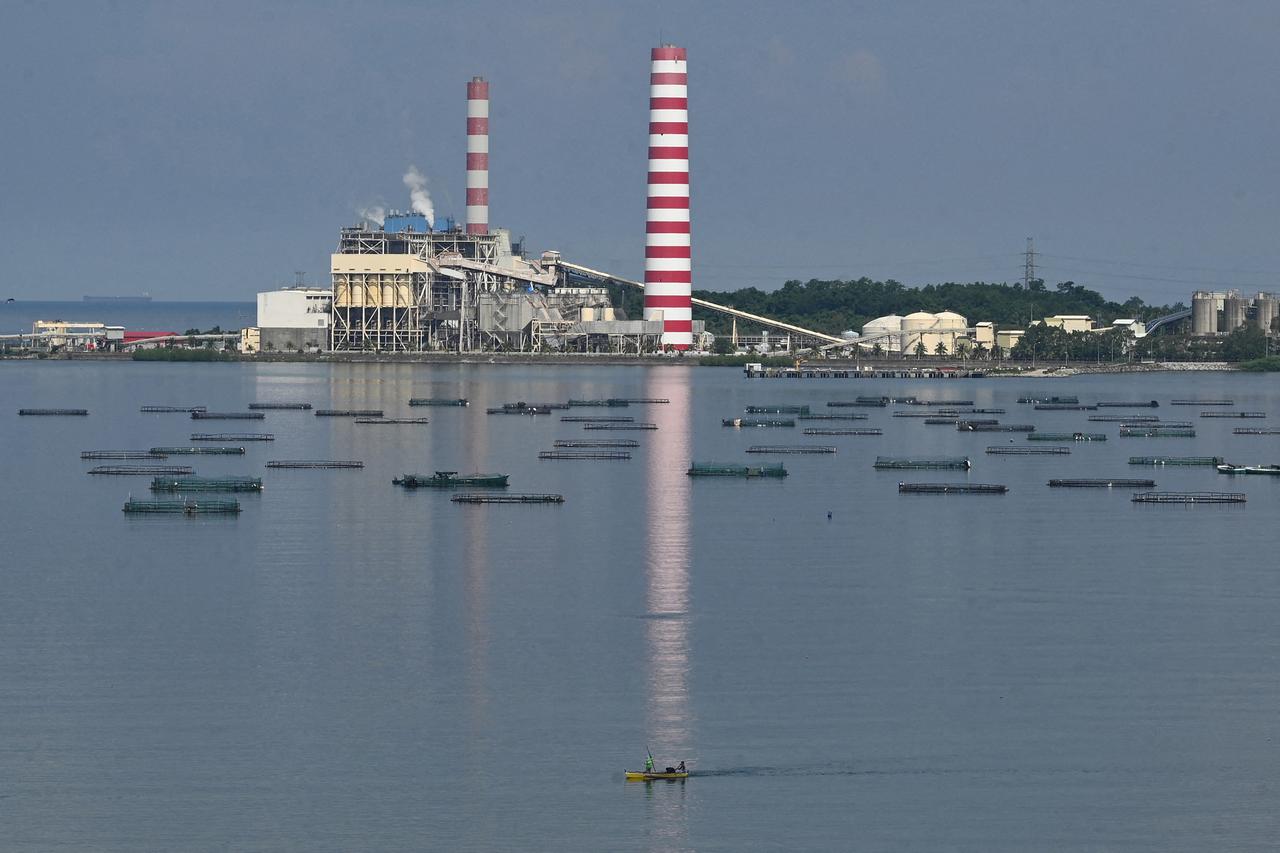
While Saudi Arabia and the UAE have built pipelines to bypass the strait, including a route to the Red Sea port of Yanbu, those alternative corridors have also come under attack, with drones striking Oman's ports of Duqm and Salalah in March and damaging at least one fuel storage tank.
Saudi Arabia's overland pipeline can only carry a fraction of its normal export volume, economists say, meaning the kingdom cannot make up the shortfalls caused by the war.
The report said the crown prince assured Trump that the economic pain would be temporary when the president raised concerns about oil prices. But American and regional officials quoted in the article expressed deep skepticism that markets would recover quickly.
Even before the conflict, the crown prince was already facing serious financial headwinds as his 2030 deadline approached for transforming Saudi Arabia into a diversified global business hub.
His government had been forecasting budget deficits for years to come, with ambitious megaprojects and massive investments in artificial intelligence straining the country's resources.
A prolonged war threatens the stable, secure environment essential to attracting the foreign investors and tourists on which his Vision 2030 program depends.


 Set as preferred source
 Set as preferred source


 1 min read
 1 min read