Newsletters


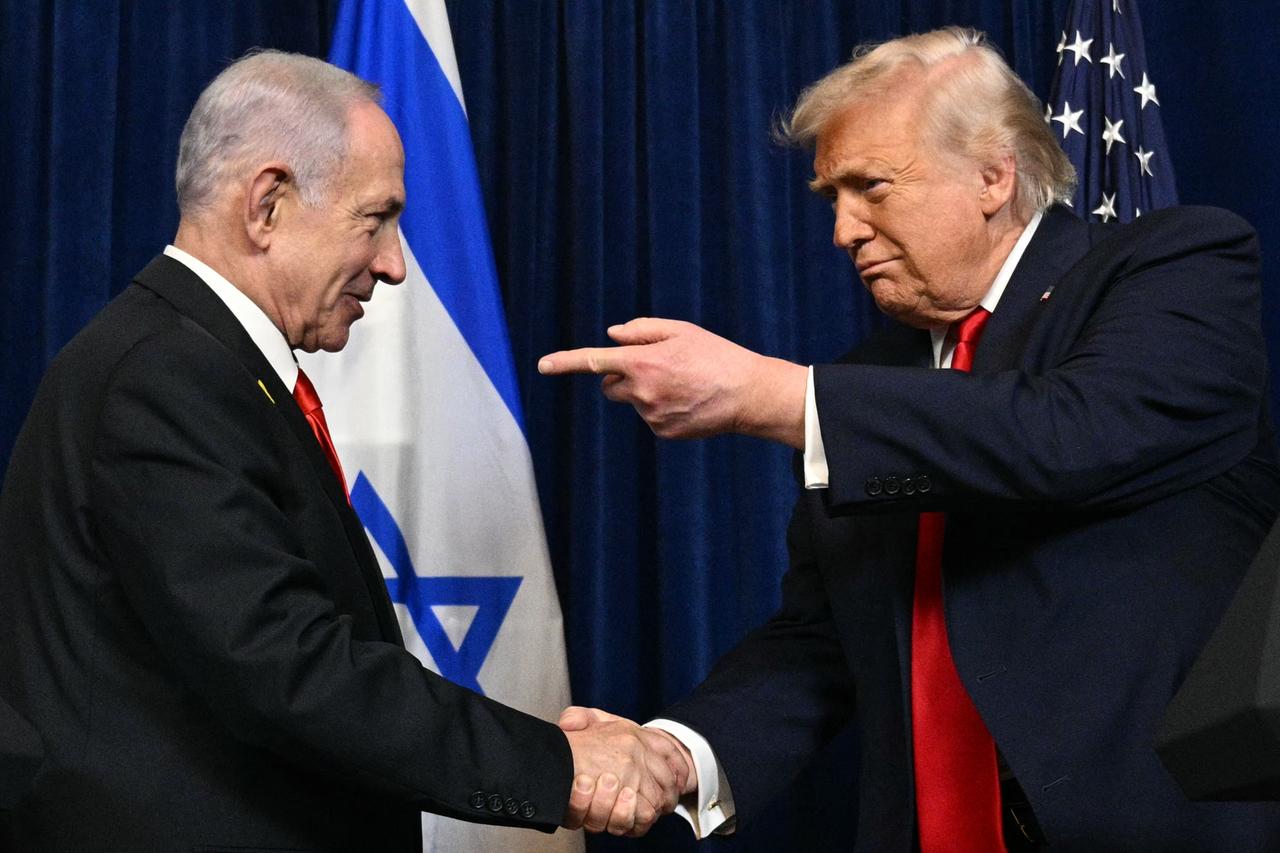


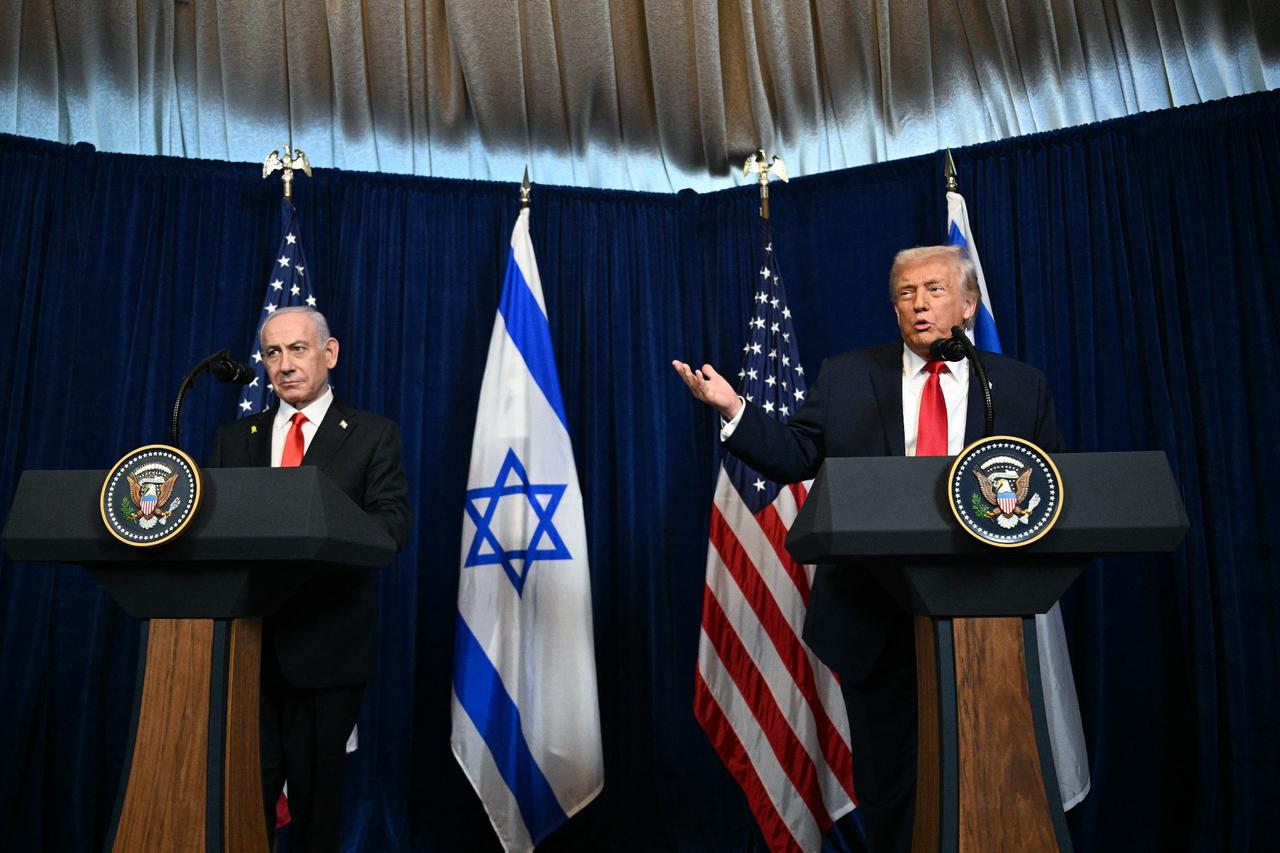
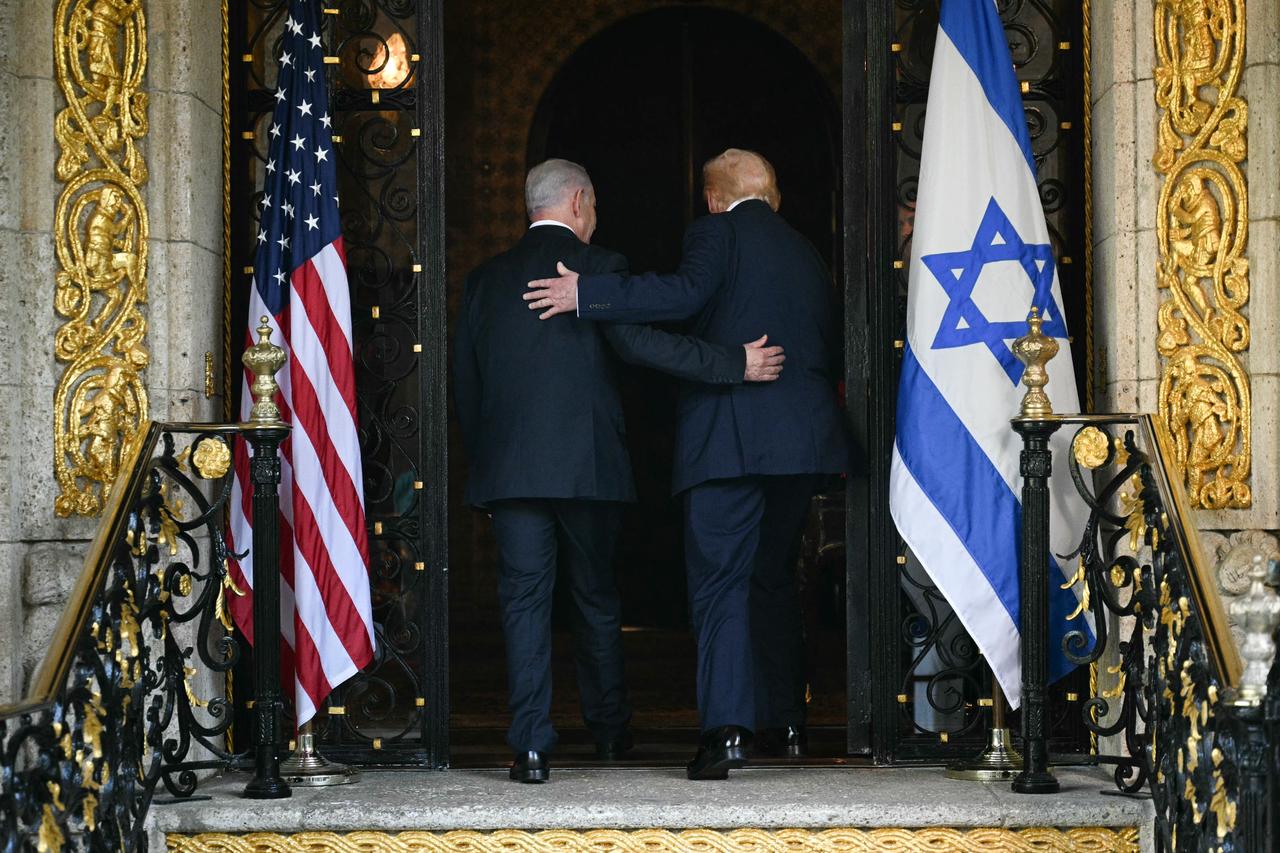
U.S. President Donald Trump and senior administration officials pressed Israeli Prime Minister Benjamin Netanyahu to reverse course on West Bank policies during their Monday meeting at Mar-a-Lago, marking the first significant policy disagreement between the two leaders in Trump's second term, according to a U.S. official and another source with direct knowledge of the discussions.
The White House expressed concern that continued violence and instability in the occupied West Bank could derail the fragile Gaza ceasefire agreement and prevent expansion of the Abraham Accords before the end of Trump's term, the sources said.
The administration specifically raised issues including settler violence against Palestinian civilians, the financial crisis facing the Palestinian Authority, and ongoing settlement expansion.
"We have had a discussion, a big discussion, for a long time on the West Bank. I wouldn't say we agree on the West Bank 100%, but we will come to a conclusion on the West Bank," Trump said during a joint press conference with Netanyahu following their private meeting.
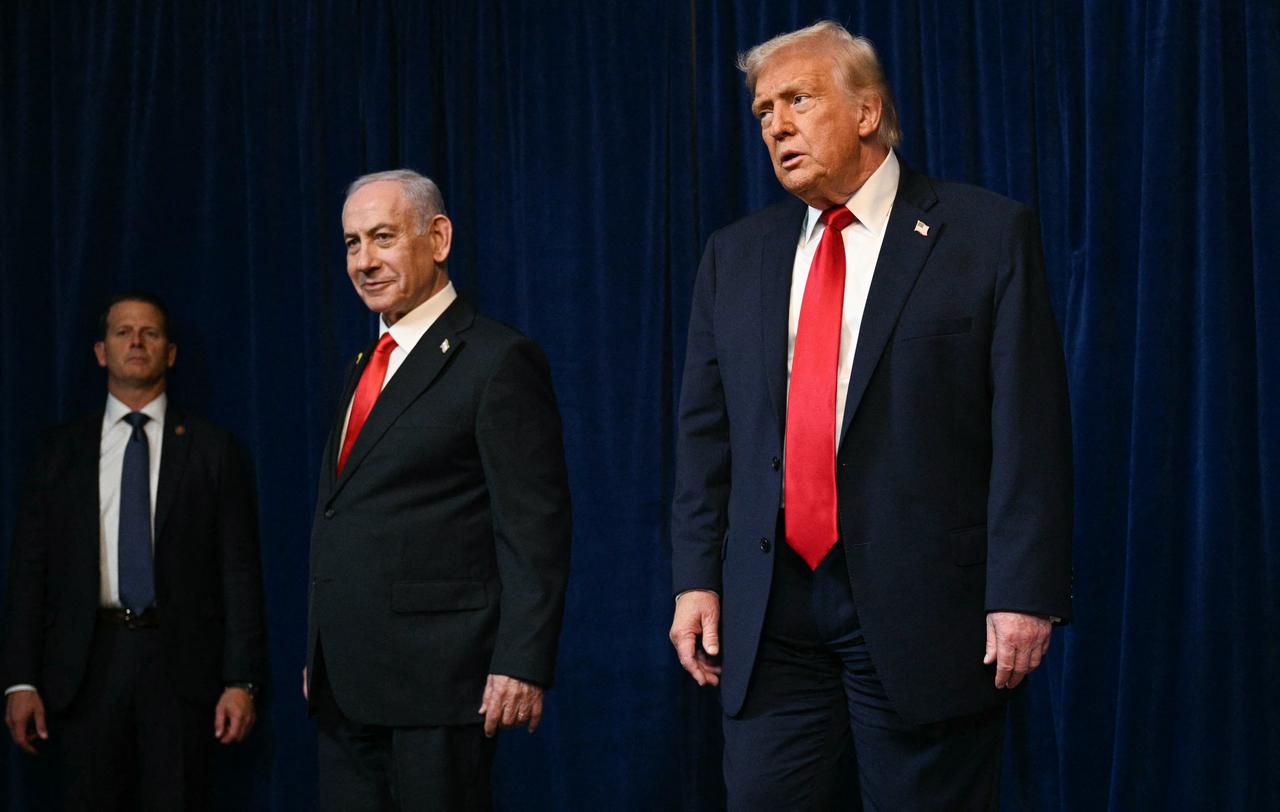

Trump and his team asked Netanyahu to avoid provocative steps and "calm things down" in the West Bank, where the security situation has deteriorated sharply over the past three years, the sources said.
The topic arose in both a morning preparatory meeting that Netanyahu held with Secretary of State Marco Rubio, Middle East envoy Steve Witkoff, and senior adviser Jared Kushner, and during the afternoon session with Trump.
Netanyahu responded by speaking strongly against settler violence and pledging to take additional action, according to one source. However, the Israeli prime minister faces intense domestic political pressure on the issue, as the settler lobby forms a key component of his governing coalition and wields substantial influence within his Likud party.
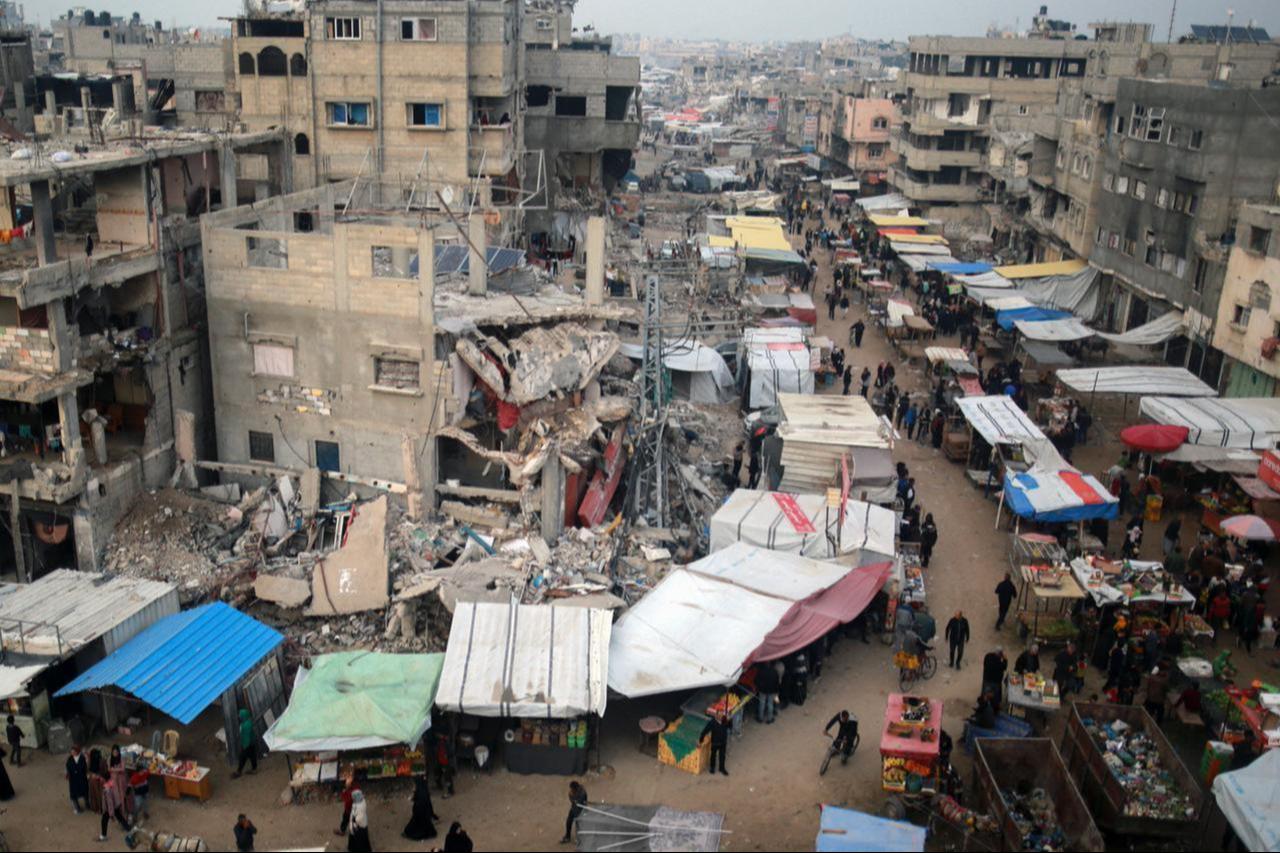
Over the past three years, Netanyahu's hard-right government has pursued policies that weakened the Palestinian Authority financially, dramatically expanded settlements, legalized previously unauthorized outposts, forcibly displaced Palestinian communities, and advanced steps toward de facto annexation of West Bank territory.
The U.S. message emphasized that changing West Bank policies is critical to repairing Israel's relations with European countries and potentially expanding the Abraham Accords, the sources said.
Despite the warm public exchanges between the two leaders, Trump and Netanyahu failed to reach an agreement on advancing to the second phase of the U.S.-brokered Gaza peace plan. The lack of progress has raised concerns within the administration that Netanyahu is deliberately slowing the transition, even as Trump publicly insisted he was "not concerned" about Israel's actions.
Trump downplayed the stalemate, placing responsibility primarily on Hamas to agree to disarmament. "Israel's lived up to the plan 100%.
They're strong. They're solid," he said, though he acknowledged Netanyahu's skepticism about offering "second chances" to ensure the ceasefire remains permanent.
The Israeli military has killed hundreds of Palestinians since the ceasefire took effect in October, according to reports. Netanyahu did agree during the meeting to move toward the second phase, despite previous disagreements with Trump's team about implementation, the sources said.
Trump issued stark warnings about potential military strikes against Iran, citing intelligence suggesting the country is attempting to rebuild its ballistic missile capabilities following earlier U.S. attacks on three nuclear sites.
"I hear that Iran is trying to build up again, and if they are, we're going to have to knock them down," Trump said, adding he would "knock the hell out of them" if necessary. He later threatened "very powerful" consequences while expressing hope that a diplomatic deal could prevent further military action.
Netanyahu raised concerns during the meeting about Iran and Hezbollah rebuilding their military capabilities, particularly long-range missiles, the sources said. Trump made clear in his public remarks that additional strikes against Iran remained under consideration.
The Israeli prime minister also accepted Trump's request to resume talks with the Syrian government over a potential security pact, according to the sources.
The meeting marked a notable shift from Trump's earlier posture on West Bank issues. Upon returning to office, Trump lifted Biden-era sanctions against violent settlers and appointed Mike Huckabee, known for his pro-settler views, as ambassador to Israel. Since then, two Palestinian Americans have been killed in settler attacks, raising fears of broader destabilization.
In September, Trump previously stopped Netanyahu from annexing parts of the West Bank in retaliation for European countries recognizing Palestinian statehood but had not weighed in extensively on Israel's broader policies in the territory until Monday's meeting.
Netanyahu announced during the visit that he would award Trump the Israel Prize for Peace, making him the first non-Israeli recipient of the country's highest civilian honor. Trump called the recognition "really surprising and very much appreciated."


 Set as preferred source
 Set as preferred source


 1 min read
 1 min read