Newsletters


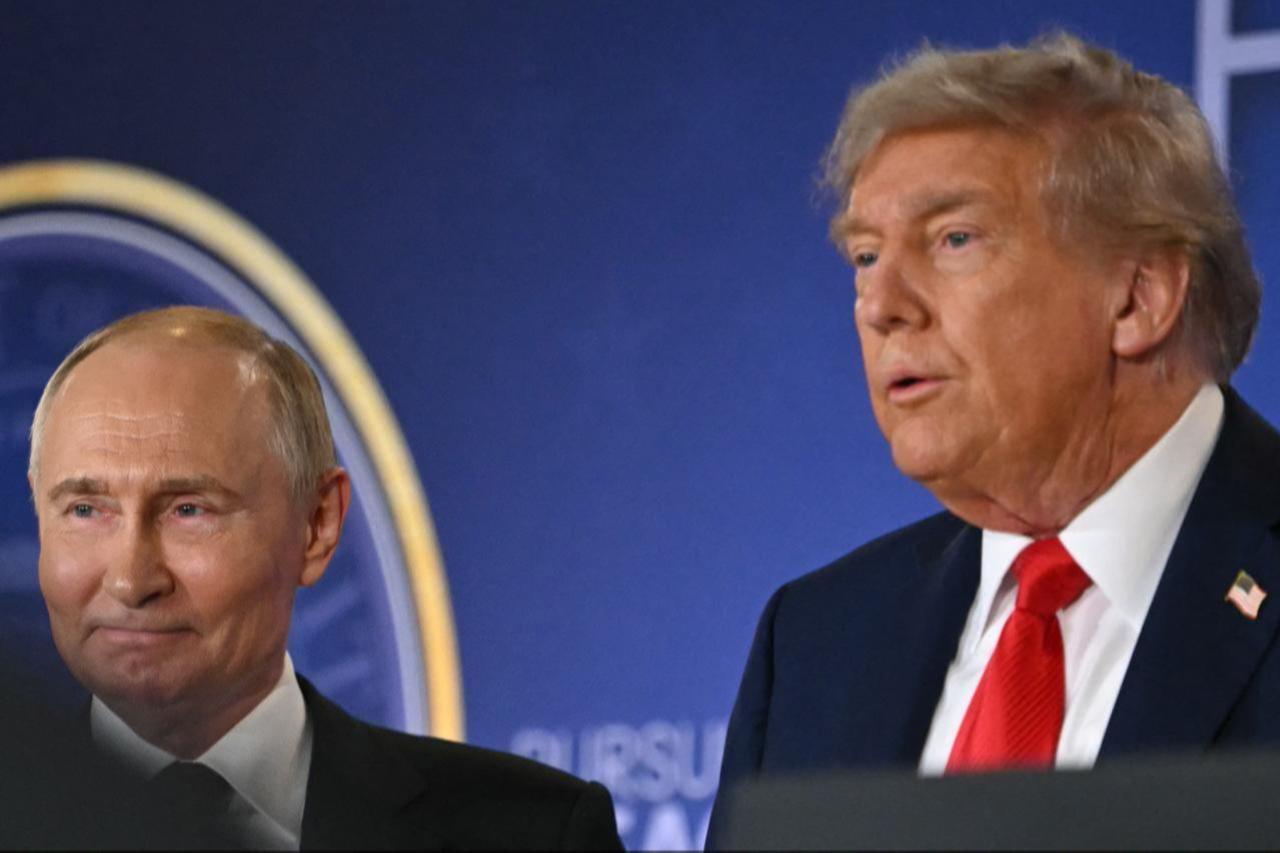


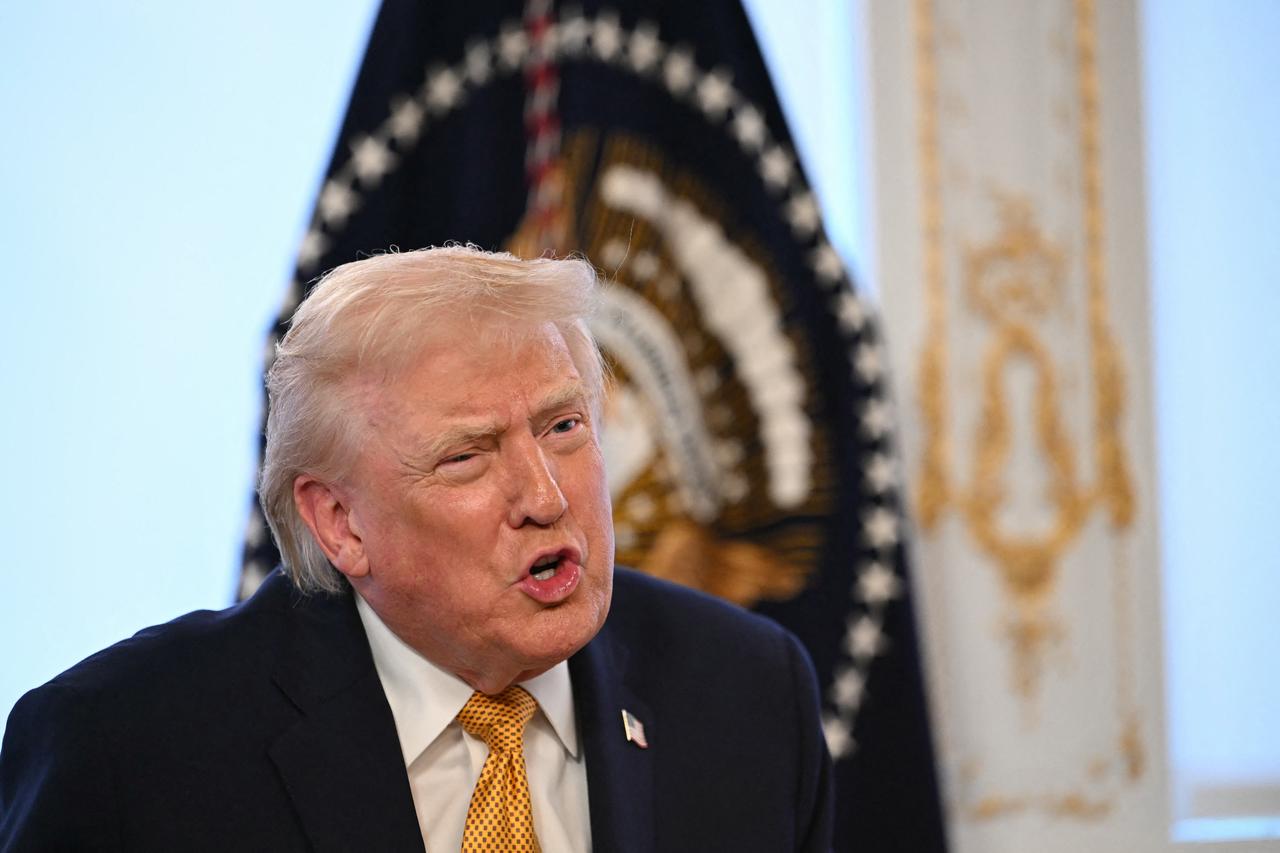
United States President Donald Trump said Sunday that he held a “good and very productive” phone call with Russian President Vladimir Putin ahead of an in-person meeting with Ukrainian President Volodymyr Zelenskyy, as Washington intensifies efforts to broker an end to the war in Ukraine.
“I just had a good and very productive telephone call with President Putin of Russia prior to my meeting, at 1:00 P.M. today, with President Zelenskyy of Ukraine,” Trump wrote on his Truth Social platform.
Trump said the meeting with Zelenskyy, scheduled for 1800 GMT at his Mar-a-Lago residence in Palm Beach, Florida, would be open to the press, but provided no further details about the call with Putin.
The Kremlin issued a more pointed account, saying Trump agreed that a simple ceasefire “would only prolong the conflict,” reiterating Moscow’s position that Ukraine must make territorial concessions.
Trump is set to host Zelenskyy as part of a renewed push to end the nearly four-year war between Russia and Ukraine. Zelenskyy arrived in the United States on Saturday following a visit to Canada.
Ending the Ukraine war has become a central theme of Trump’s second term, with the president portraying himself as a “president of peace” while repeatedly criticizing both Kyiv and Moscow for failing to secure a ceasefire.
Zelenskyy, who has faced sharp public criticism from Trump, has signaled willingness to engage with the U.S. plan, while Putin has offered no clear indication that he will accept its terms.
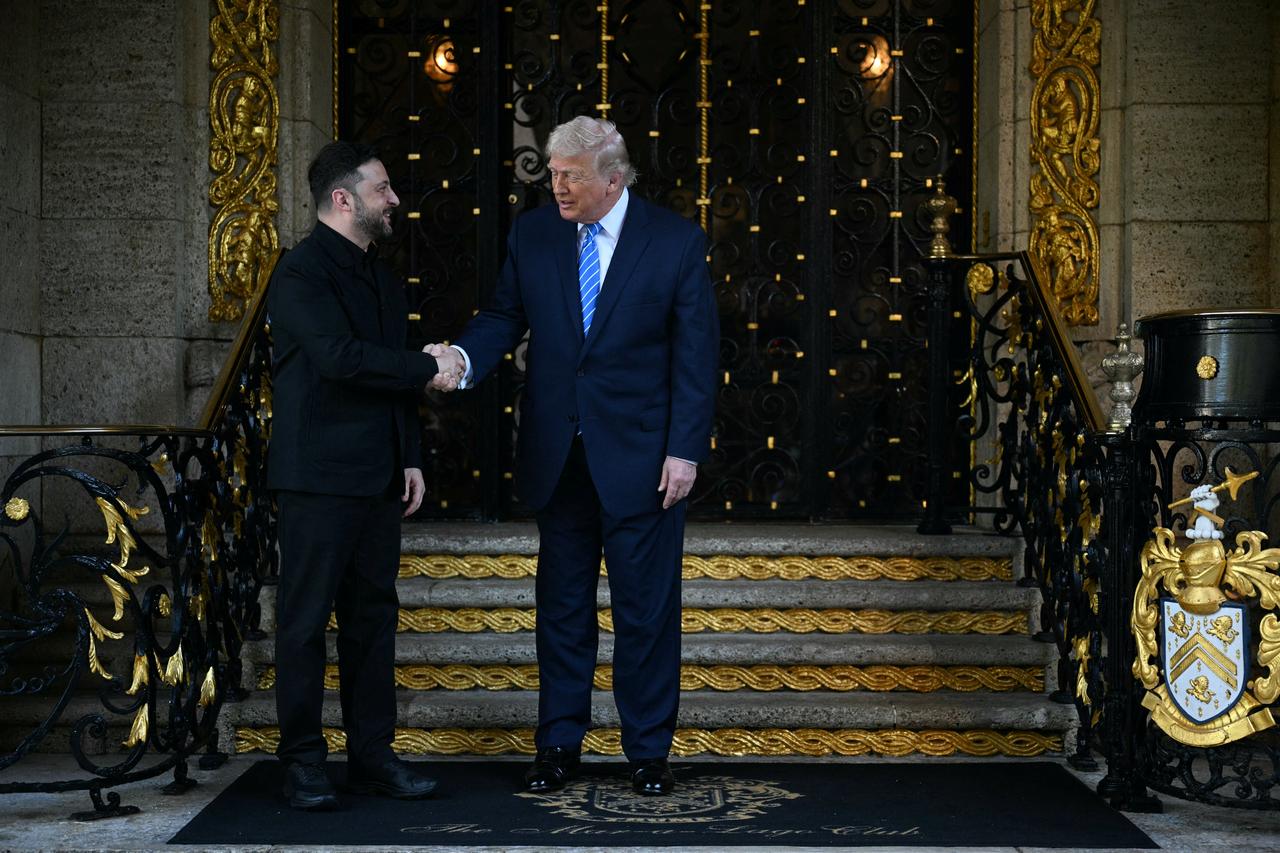

Sunday’s meeting marks Trump’s first face-to-face encounter with Zelenskyy since October, when Trump declined a Ukrainian request for long-range Tomahawk missiles.
Zelenskyy may face renewed pressure, with Trump insisting that Ukraine “doesn’t have anything until I approve it.”
The talks are expected to last about an hour, followed by a joint call with key European leaders.
Polish Prime Minister Donald Tusk, who is expected to join the call, wrote on X that Russian strikes on Kyiv were “contrary to President Trump’s expectations,” despite Ukraine’s readiness to make compromises.
The revised peace plan emerging from U.S.-Ukraine negotiations would halt the fighting largely along current front lines and could require Ukrainian forces to withdraw from parts of the east to create demilitarized buffer zones.
While the proposal represents Kyiv’s clearest acknowledgment yet of possible territorial concessions, it does not include withdrawal from the roughly 20 percent of eastern Donetsk region still under Ukrainian control — a key Russian demand.
Zelenskyy said he hoped the Florida talks would be “very constructive,” but pointed to a recent Russian drone and missile attack on Kyiv that disrupted electricity and heating during freezing temperatures.
“This attack is again Russia’s answer to our peace efforts,” he said during his visit to Canada. “It clearly shows that Putin doesn’t want peace.”
Zelenskyy said he would press Trump on the need for firm security guarantees to prevent renewed Russian aggression, stressing Ukraine’s continued need for Western funding and weapons, particularly drones.
 1 min read
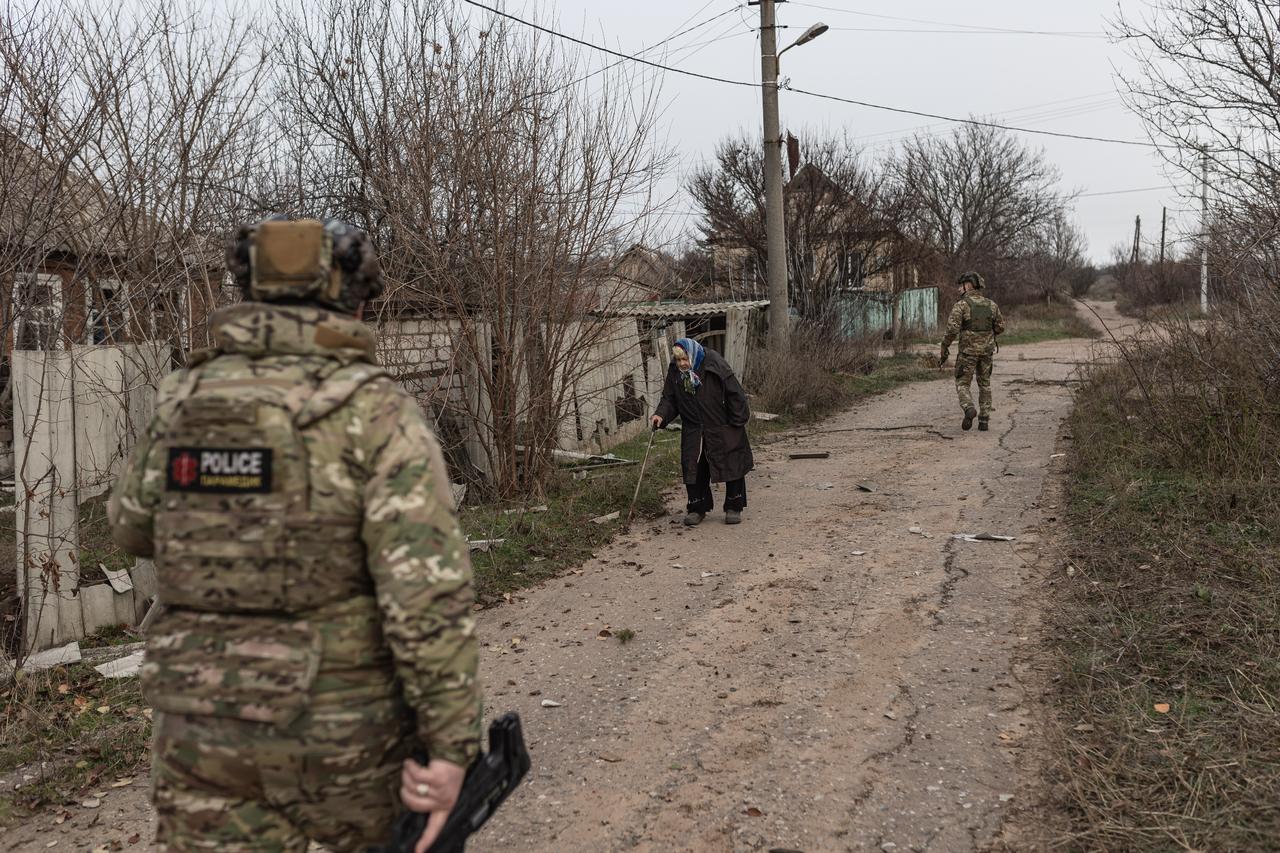
Russia has accused Ukraine and its European allies of attempting to derail earlier U.S.-brokered peace efforts, while recent Russian battlefield advances — including the reported capture of two villages in eastern Ukraine — are seen as strengthening Moscow’s leverage.
“If the authorities in Kyiv don’t want to settle this peacefully, we will resolve all problems by military means,” Putin said Saturday.
Russian Foreign Minister Sergei Lavrov told state news agency TASS that Moscow would continue talks with U.S. negotiators, while accusing European governments of being the “main obstacle” to peace.
“They are openly preparing for war with Russia,” Lavrov said, adding that European ambitions were “blinding” their leaders.


 Set as preferred source
 Set as preferred source


 1 min read