Newsletters


The United States has announced a weapons sales package to Taiwan worth more than $11 billion, including missiles and unmanned aerial vehicles (UAVs), marking one of the largest arms deals for the island.
Washington has approved over $11 billion in arms sales to Taiwan, Taipei said Thursday. The package was announced by the U.S. State Department during President Donald Trump’s State of the Union address.
According to the State Department, the sale includes 82 High Mobility Artillery Rocket Systems, or HIMARS, 420 Army Tactical Missile Systems, known as ATACMS, 60 howitzer systems and related equipment, as well as unmanned aerial vehicles.
The package, whose total value is reported to exceed $10 billion, also includes military software, Javelin and TOW missiles, helicopter spare parts and refurbishment kits for Harpoon missiles.
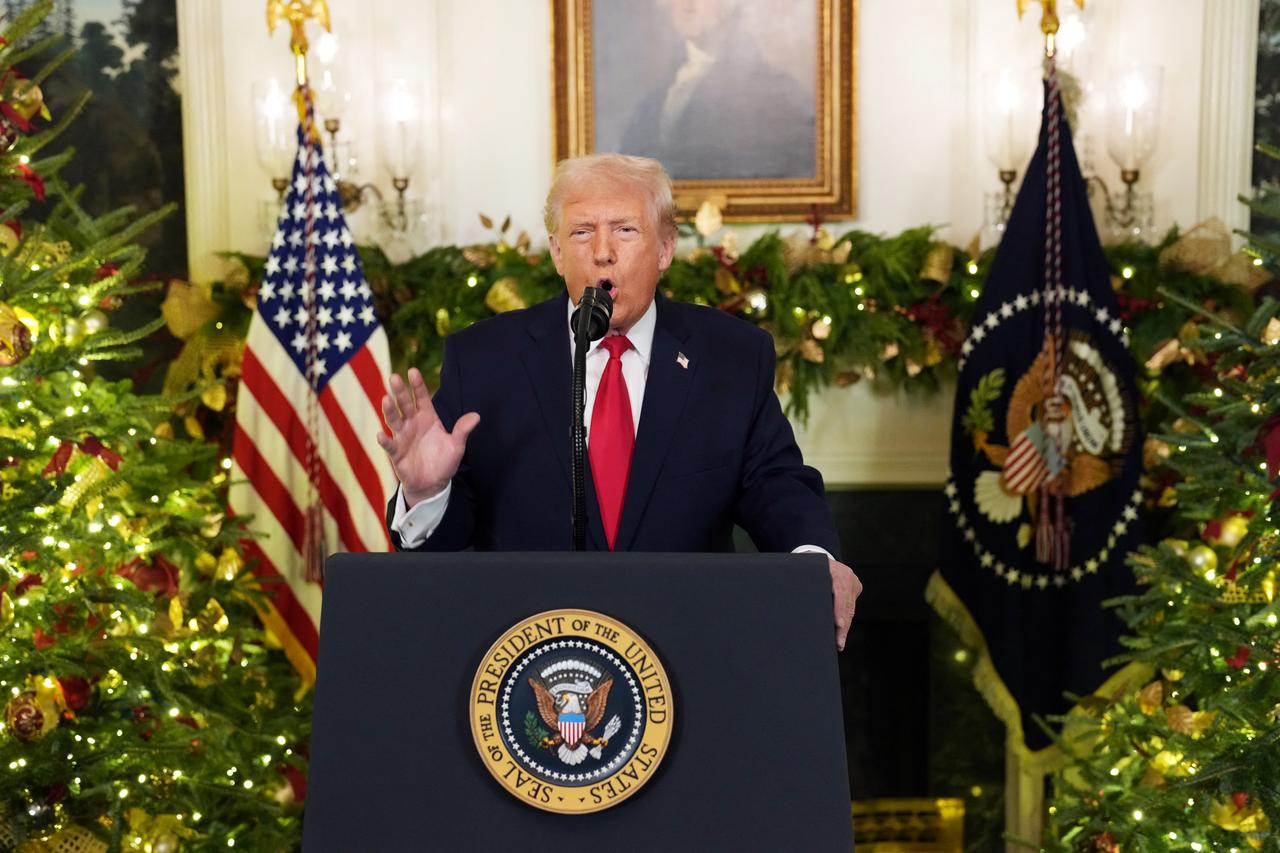

The arms sale, announced Thursday, still requires approval by the U.S. Congress. If cleared, it would be the second weapons package approved for Taiwan since Trump returned to office in January, following a $330 million sale of parts and components announced in November.
The size of the proposed deal rivals the $18 billion arms package authorized under former U.S. President George W. Bush in 2001, though that agreement was later reduced during commercial negotiations. Over his eight years in office, Bush ultimately approved $15.6 billion in weapons sales to Taiwan.
During Trump’s first term, the United States approved roughly $10 billion in arms sales to Taiwan, including an $8 billion deal for fighter jets.
The latest package is widely expected to receive congressional approval, given broad bipartisan support in Washington for strengthening Taiwan’s defenses.
The United States has long been Taiwan’s primary arms supplier, despite not maintaining formal diplomatic relations with the island. However, remarks by Trump in recent months have raised questions about his willingness to defend Taiwan militarily.
Taiwan has significantly increased its defense spending over the past decade as China has intensified military pressure on the self-ruled island, which Beijing considers part of its territory. Trump’s administration has repeatedly urged Taipei to do more to bolster its own defenses.
While Taiwan maintains a domestic defense industry, analysts say it would be heavily outmatched in a conflict with China, leaving the island highly dependent on U.S. arms supplies to maintain its deterrence posture.


 Set as preferred source
 Set as preferred source


 1 min read
 1 min read