Newsletters


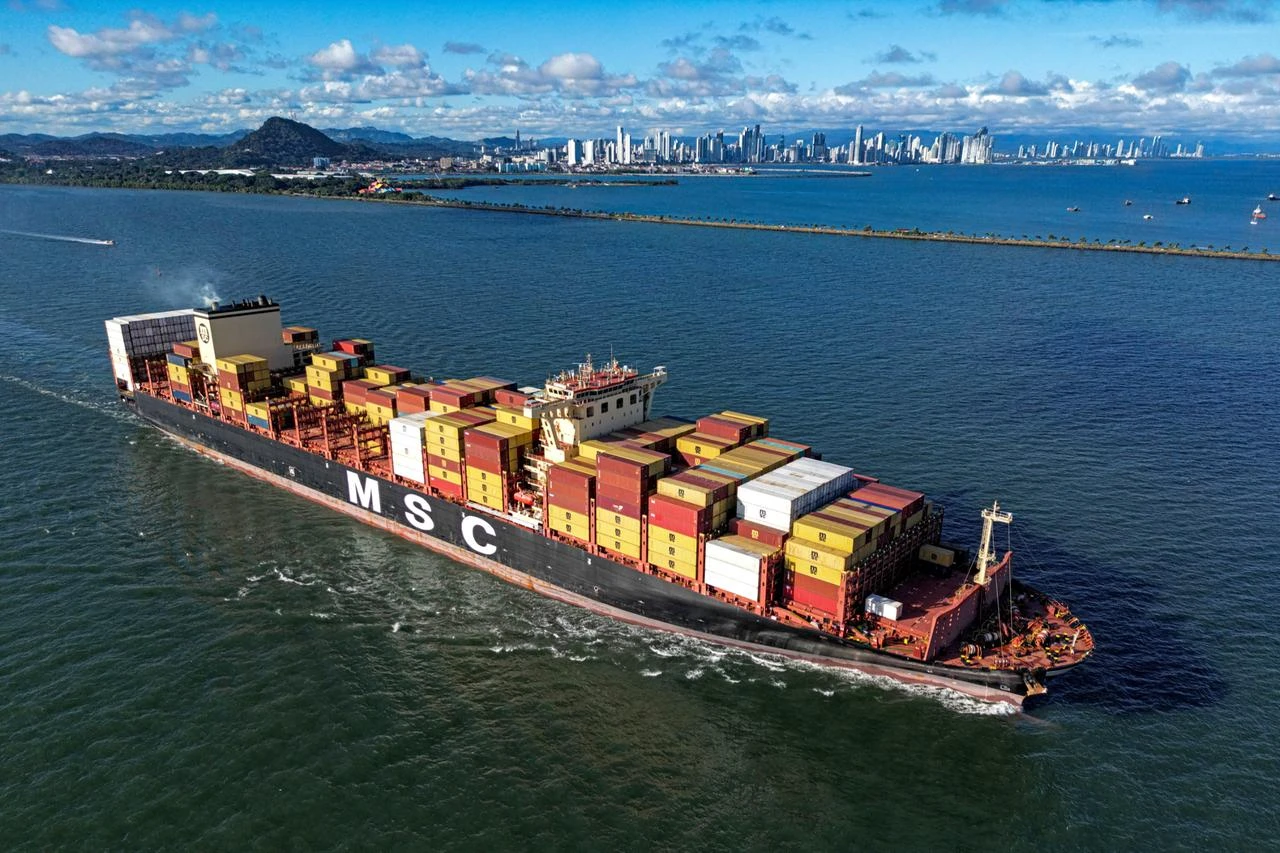


U.S. President Donald Trump imposed additional 50% tariffs Monday on nearly $20 billion worth of Canadian imports, citing what his administration called discriminatory treatment of American cars, alcohol and dairy products.
The tariffs will take effect Aug. 19, 30 days after Trump signed three proclamations invoking Section 338 of the Tariff Act of 1930. The provision allows a president to impose punitive tariffs of up to 50% on trading partners deemed to discriminate against U.S. goods.
The move marks the first known use of Section 338 in the law’s nearly century-long history.
The tariffs cover products including wine, cement, hockey equipment, dairy goods, swimming pools, furniture, fishing rods, seeds, clothing and wigs. They will apply regardless of whether the goods qualify for preferential treatment under the U.S.-Mexico-Canada Agreement, known in Canada as CUSMA.
Energy, potash, fish, critical minerals, products already covered by Section 232 tariffs and certain other goods are exempt.
The Office of the U.S. Trade Representative said the tariffs would affect nearly $20 billion in imports, equal to about 5.2% of the $382 billion in goods the U.S. imported from Canada in 2025, according to Census Bureau data.
U.S. Trade Representative Jamieson Greer accused Canada of continuing to retaliate against Washington’s efforts to rebalance trade and protect industries considered sensitive to national security.
The Trump administration has repeatedly criticized Canada and China for retaliatory measures introduced after Washington imposed tariffs following Trump’s return to the White House last year.
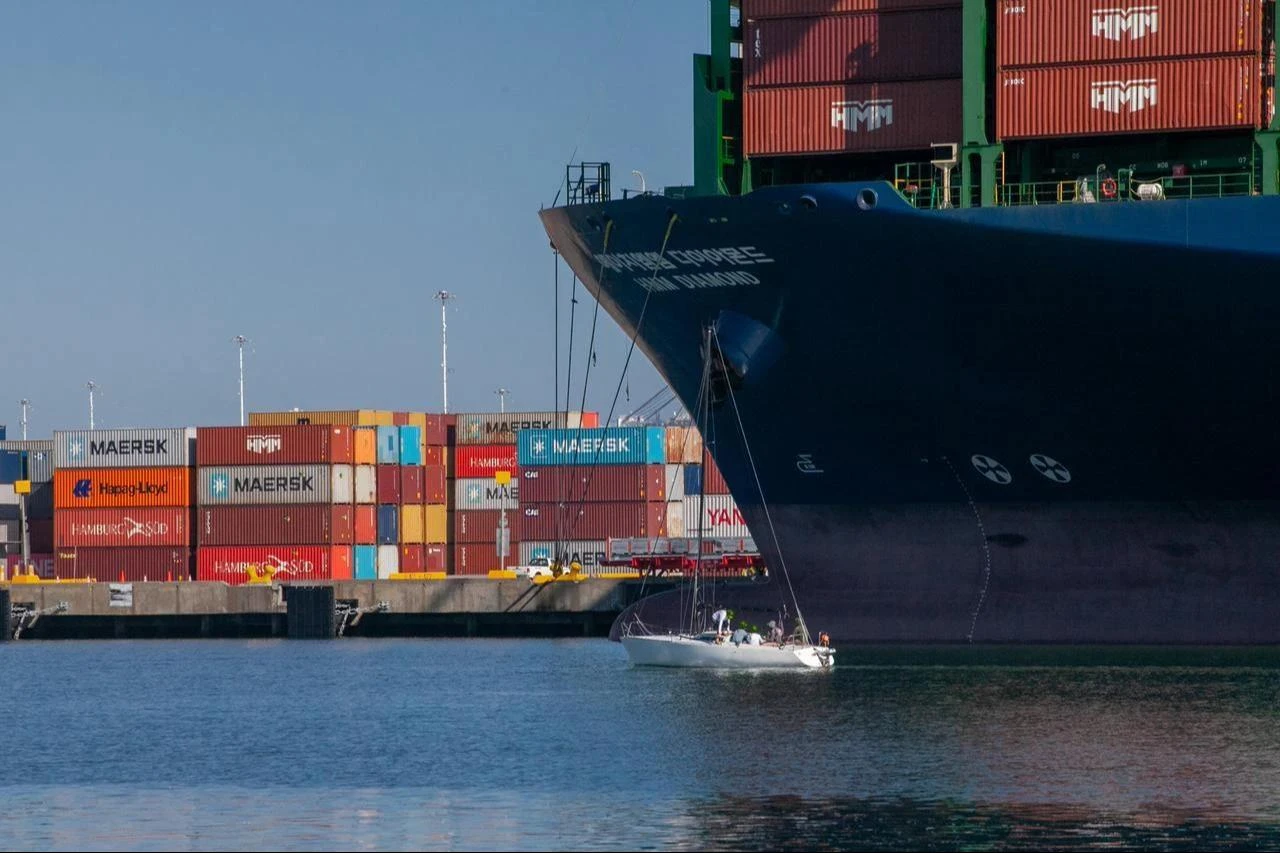

The White House cited Canada’s dairy supply management system, restrictions on U.S. cars and provincial bans on American alcohol as reasons for the tariffs.
“Canada imposes certain tariffs and quotas on cars imported to Canada from the U.S., but not on imports from other countries,” a White House fact sheet said.
The administration also accused Canada of applying more restrictive tariff-rate quotas to U.S. cheese than to similar imports from the European Union.
Most Canadian provinces halted sales of American alcohol in response to earlier U.S. tariffs. The White House said Canadian imports of U.S. vehicles fell 22% over the past year, while imports of American alcoholic beverages dropped 81%.
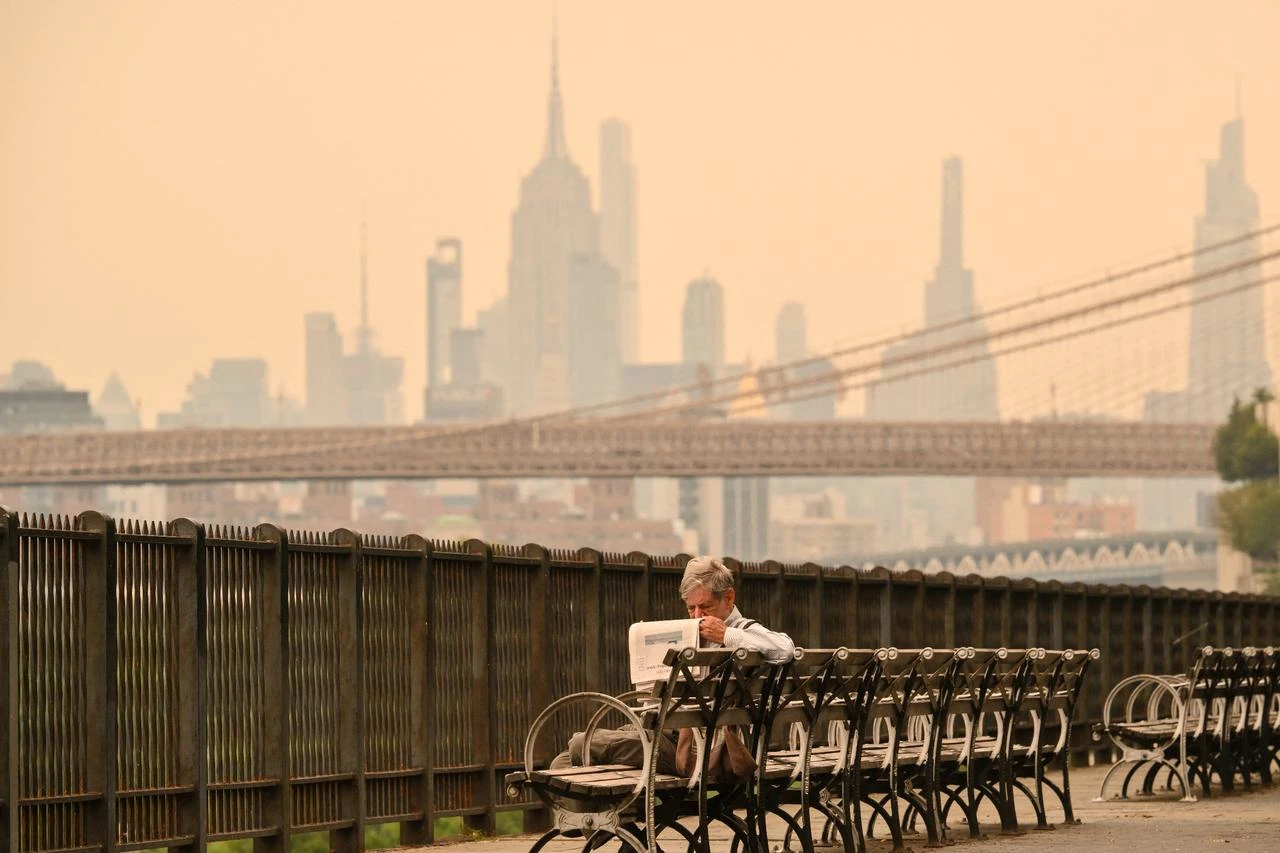
Trump and Canadian Prime Minister Mark Carney met Sunday at the FIFA World Cup Final in New Jersey. Trump demanded action over Canadian wildfires that had sent smoke across parts of the U.S. after previously threatening to add the cost of dealing with the pollution to tariffs on Canadian goods.
Carney described the tariffs as the latest in a series of unilateral U.S. trade measures that he said violated CUSMA.
Canada had only matched U.S. auto tariffs that Ottawa considered inconsistent with the trade agreement, he said.
“This trade dispute has raised costs for families, particularly in the U.S.,” Carney said.
He said Canada had submitted proposals to resolve outstanding disputes and modernize CUSMA after the U.S. reshaped its trade relationships over the past 18 months.
“Canada stands ready to intensify those discussions in the coming weeks,” he said.
Carney also cited more than 20 new economic and security partnerships signed by his government and pledged to protect Canadian workers, farmers, businesses and families.
The Tariff Act of 1930 is associated with sweeping U.S. tariff increases and retaliation that economic historians say worsened the Great Depression.
John Veroneau, a former U.S. trade official under President George W. Bush, said Section 338 was intended to ensure countries applied tariffs equally and did not give preferential treatment to some trading partners at the expense of U.S. exports.
Several presidents, including Franklin D. Roosevelt, considered using the provision, but no record has been found of it being invoked before Trump’s proclamations.
“It is ironic, to say the least, to use this authority to impose tariffs to retaliate against tariffs that were imposed in response to actions taken by the U.S.,” Veroneau said.
He said the tariffs might be lawful but violated the spirit of a provision intended to promote equal treatment of goods from different countries.
Greer has also excluded Canada from negotiations with Mexico over changes sought by Washington to USMCA and is scheduled to hold bilateral talks in Mexico City this week.
Diamond Isinger, a former adviser to ex-Canadian Prime Minister Justin Trudeau, said Carney had limited power to force provinces to resume sales of U.S. alcohol because provincial premiers decide whether stores restock those products.


 Set as preferred source
 Set as preferred source


 2 min read
 1 min read