Newsletters


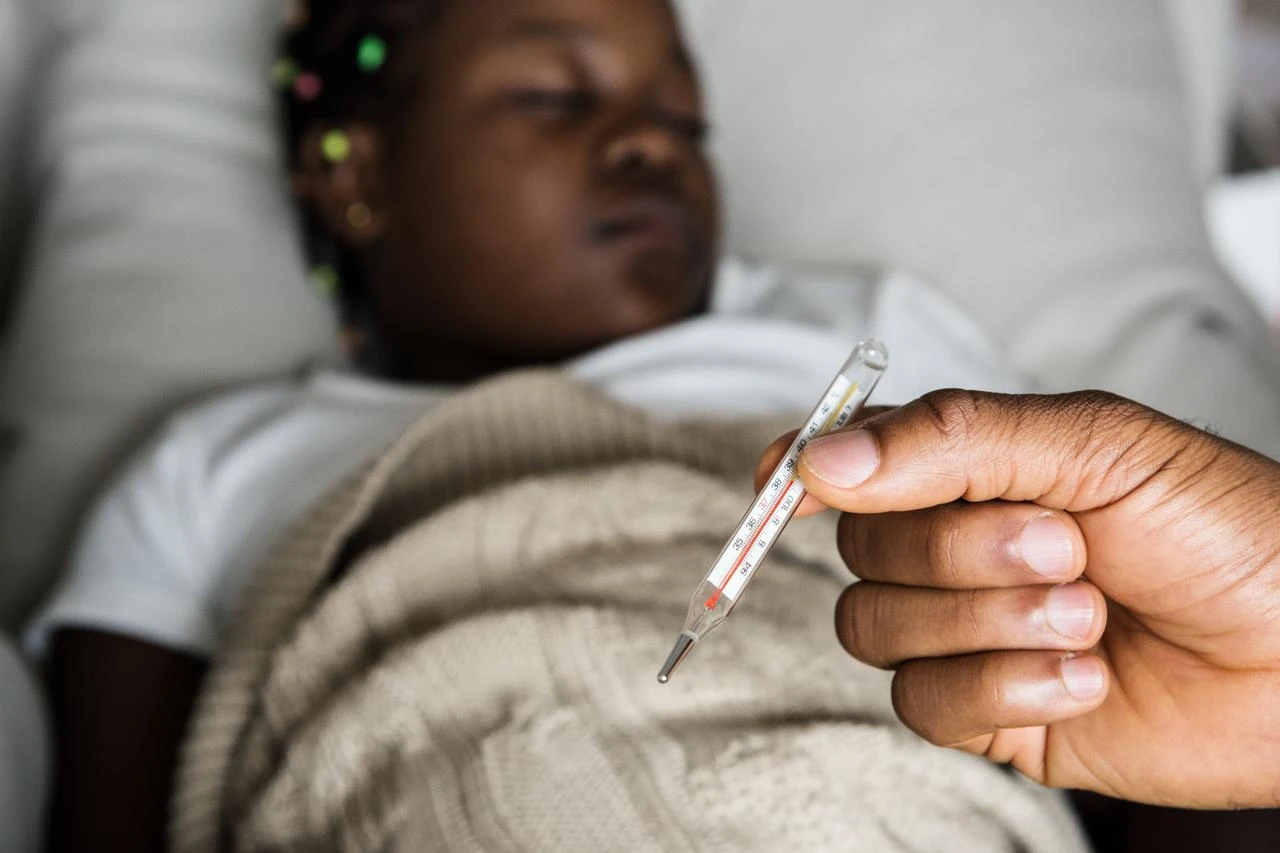


Nigeria has recorded 1,000 confirmed cases of Lassa fever and 237 deaths since the beginning of 2026, according to the Nigeria Centre for Disease Control and Prevention (NCDC).
The agency said 53 healthcare workers have been infected with the viral disease since the start of the year, a figure it says highlights the risks faced by frontline health workers responding to the outbreak.
The NCDC released its situation reports for epidemiological weeks 29 and 30, covering July 13-19 and July 20-26. According to the Week 30 report, Nigeria recorded 17 new confirmed cases and six deaths during that week, bringing the cumulative totals to 1,000 cases and 237 deaths.
The case fatality rate rose slightly from 23.5% in Week 29 to 23.7% in Week 30, the agency said.

The NCDC said 23 states have now reported at least one confirmed case across 116 local government areas.
Five states—Ondo, Bauchi, Taraba, Edo, and Benue—account for 86% of all confirmed cases nationwide, according to the agency. Ondo recorded the highest share at 32%, followed by Bauchi with 25%, Taraba with 13%, Edo with 10%, and Benue with 6%.
The NCDC reported one new infection among healthcare workers during Week 30, bringing the total number of infected health workers in 2026 to 53. The agency said infections among frontline staff remain one of the central challenges in controlling the outbreak.
To address this, the NCDC said it has developed a 30-day Healthcare Worker Protection Plan aimed at reducing infections among frontline workers in high-burden states, with support from the World Health Organization and the U.S. Centers for Disease Control and Prevention.
The plan includes training for frontline health workers, strengthened infection prevention and control programs, pre-positioning of personal protective equipment, and technical support to investigate and mitigate healthcare worker infections, according to the agency.
 1 min read
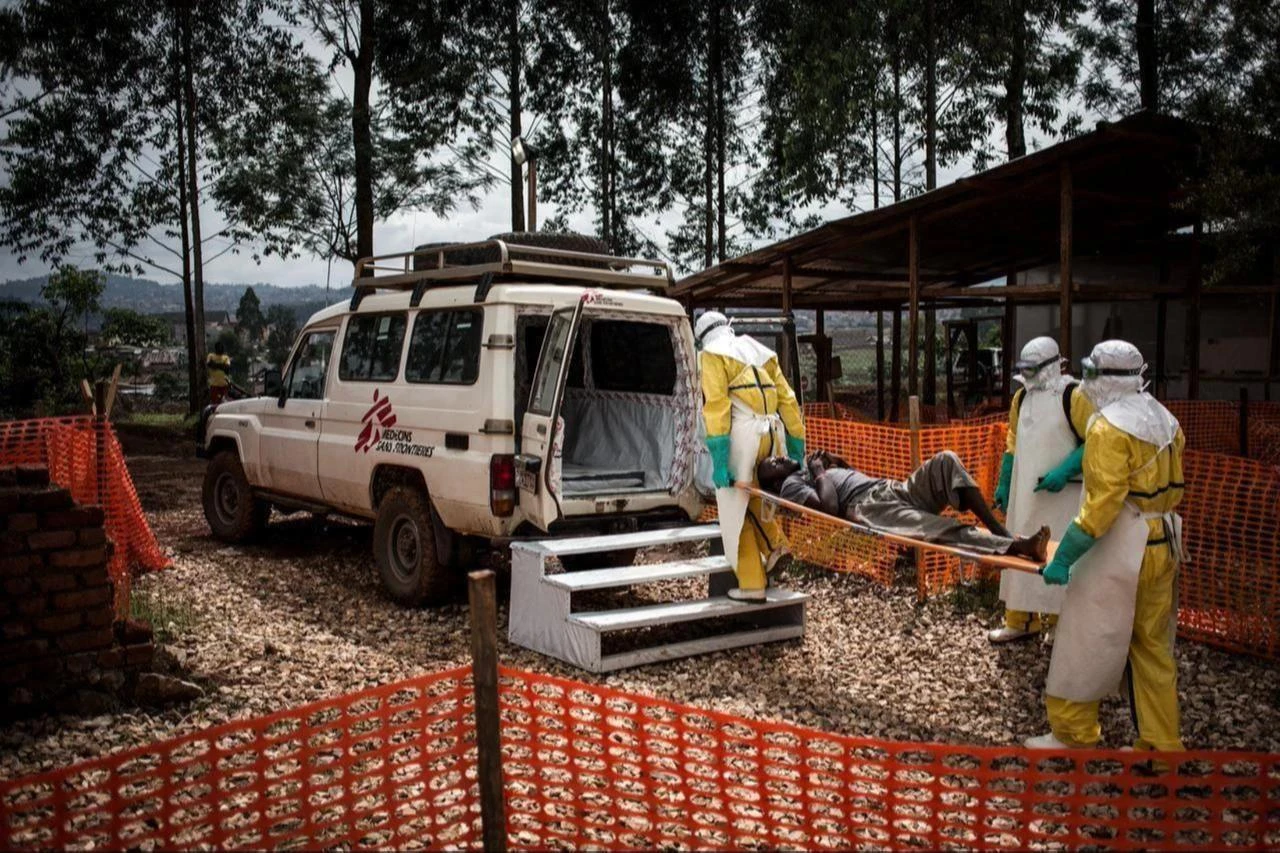
The NCDC identified late presentation of patients as one of the factors contributing to the outbreak's high case fatality rate. The agency also pointed to poor health-seeking behavior linked to the cost of Lassa fever treatment and clinical management, along with poor environmental sanitation and limited awareness in high-burden communities.
The NCDC urged communities to maintain year-round awareness of Lassa fever prevention measures. It also called on healthcare workers to maintain a high level of suspicion for the disease, ensure timely referral and treatment, and adhere to standard infection prevention and control procedures.
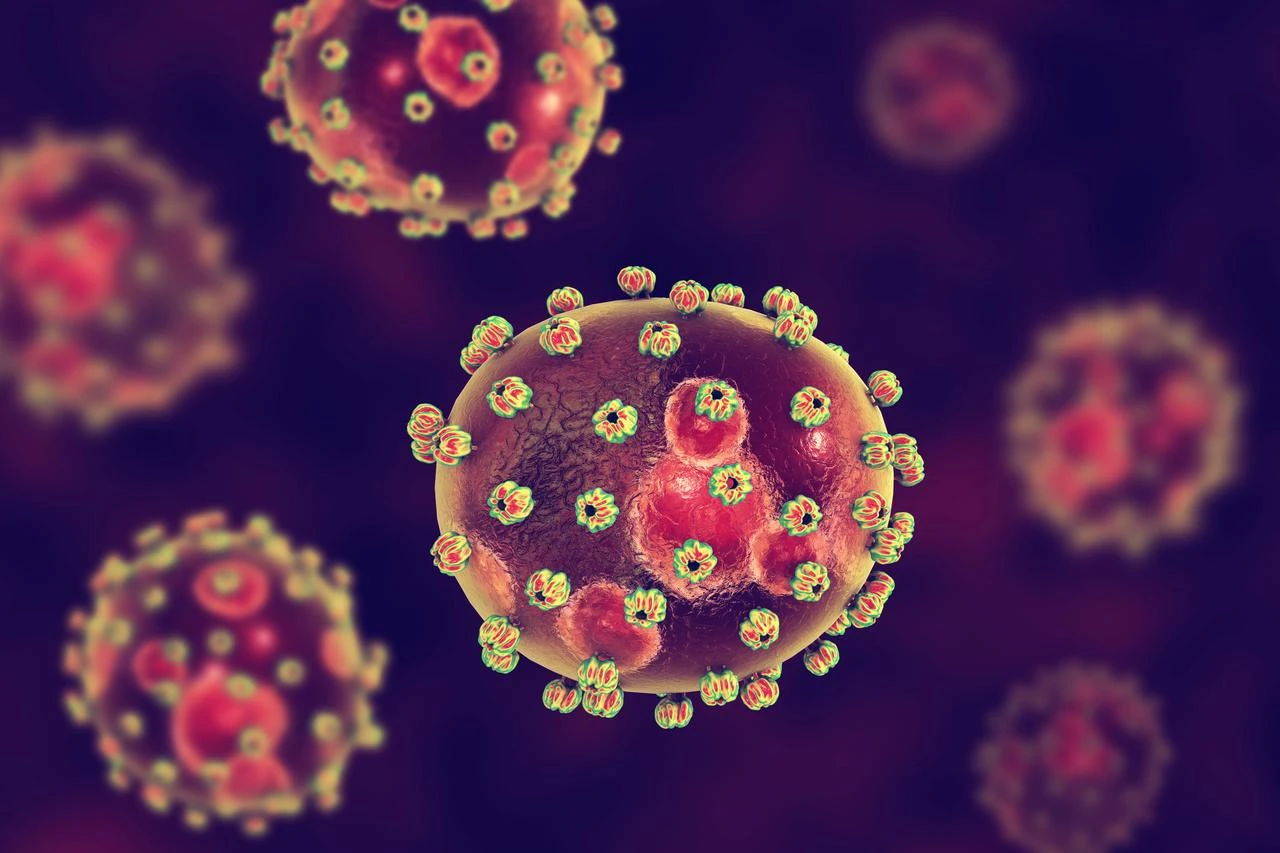
Lassa fever is a viral hemorrhagic disease transmitted primarily through contact with food or household items contaminated by the urine or feces of infected rodents. Human-to-human transmission can also occur through contact with bodily fluids.
Symptoms typically begin with fever, weakness, and headache but can progress to severe complications, including bleeding, respiratory distress, and organ failure, if treatment is delayed.


 Set as preferred source
 Set as preferred source




 1 min read