Newsletters


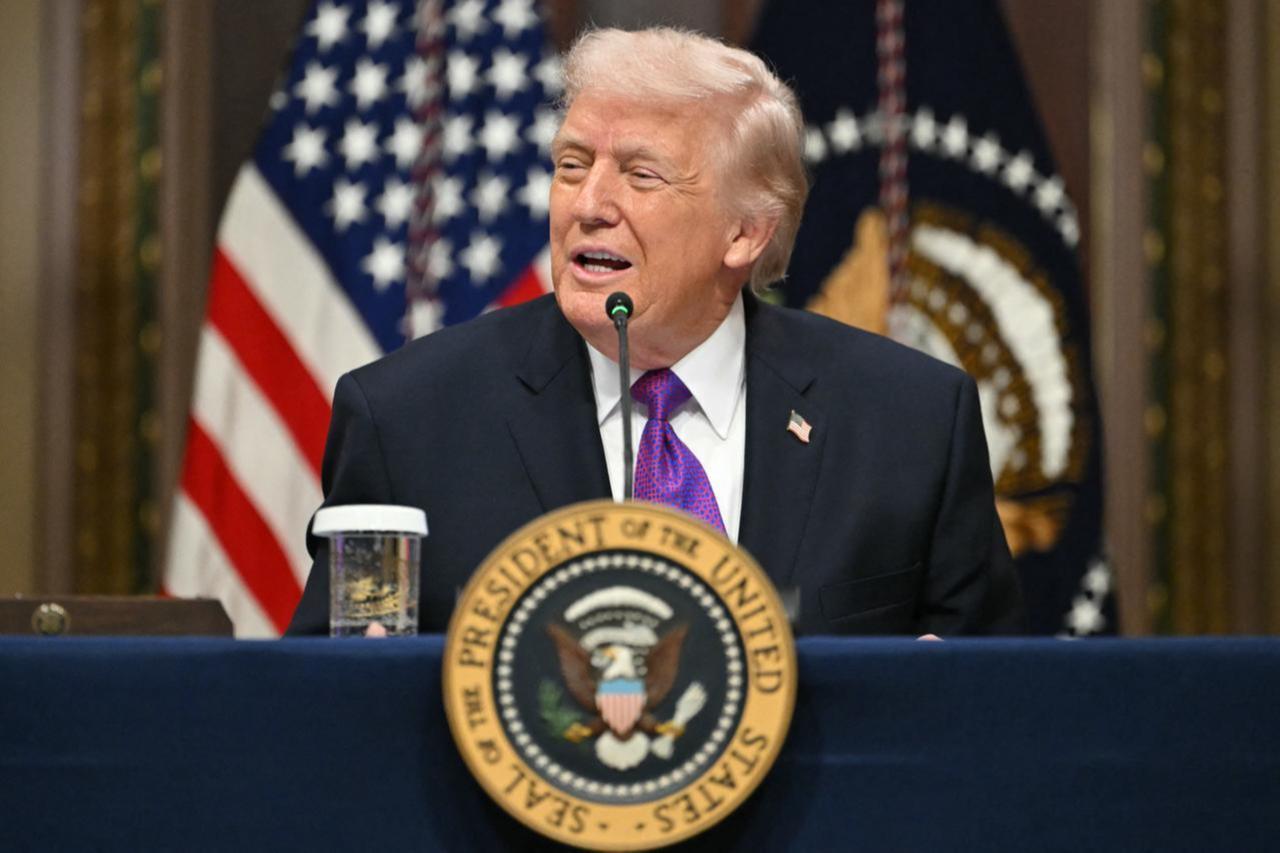


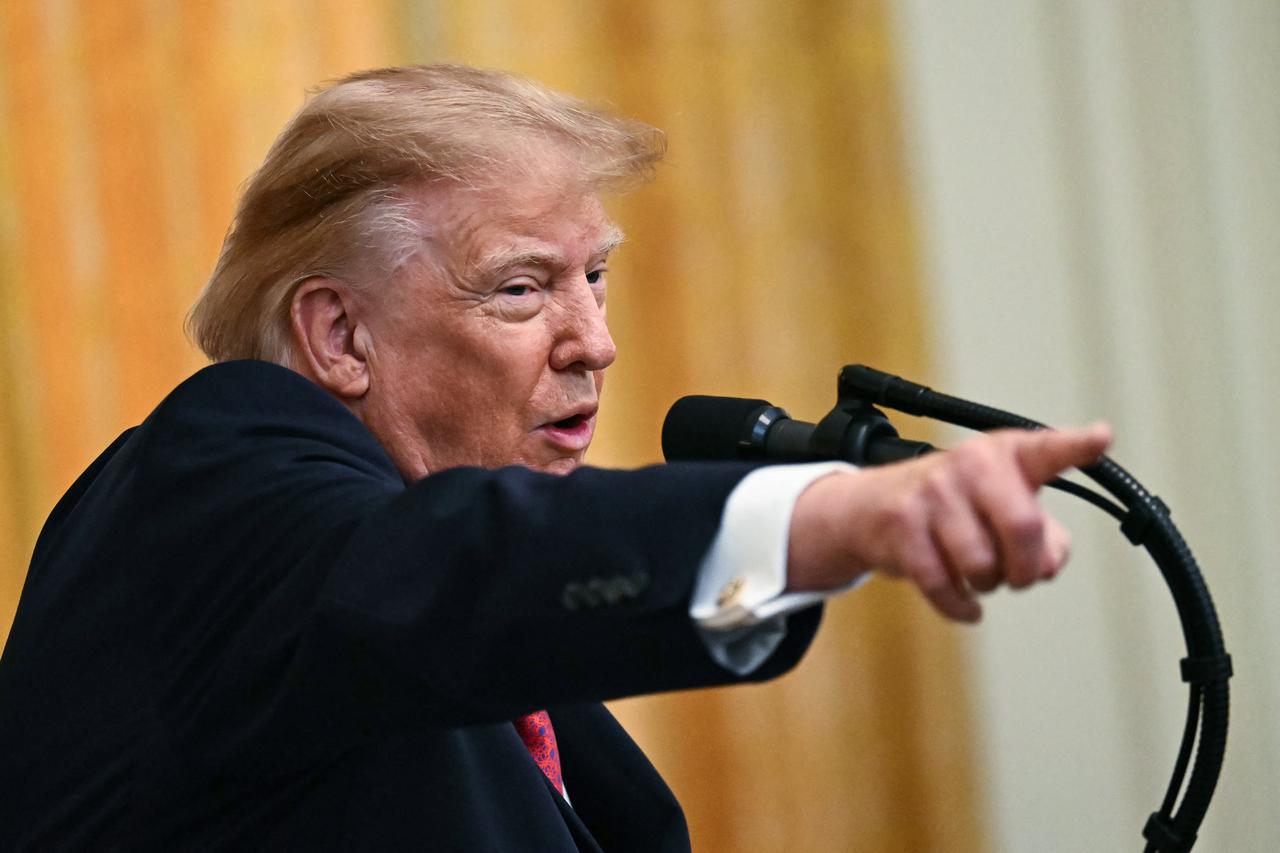
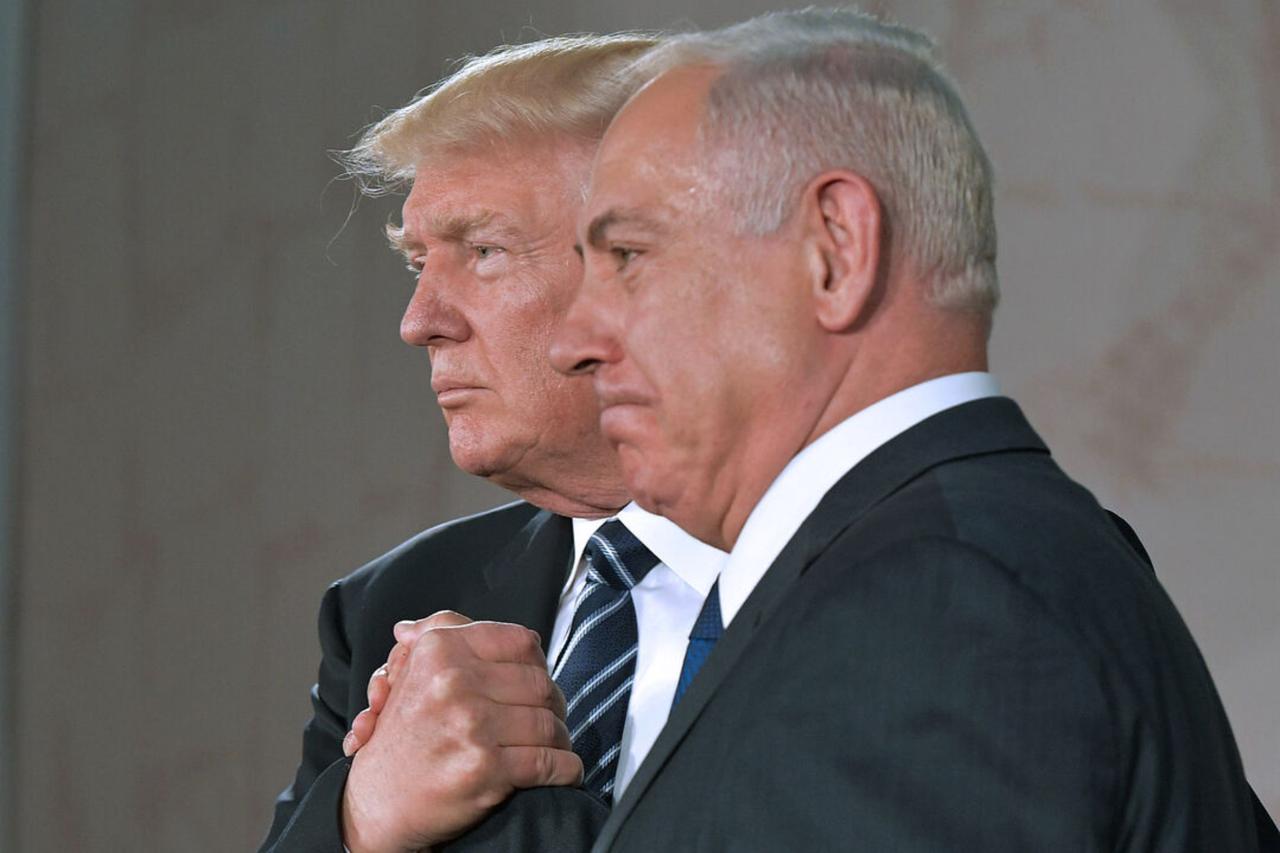
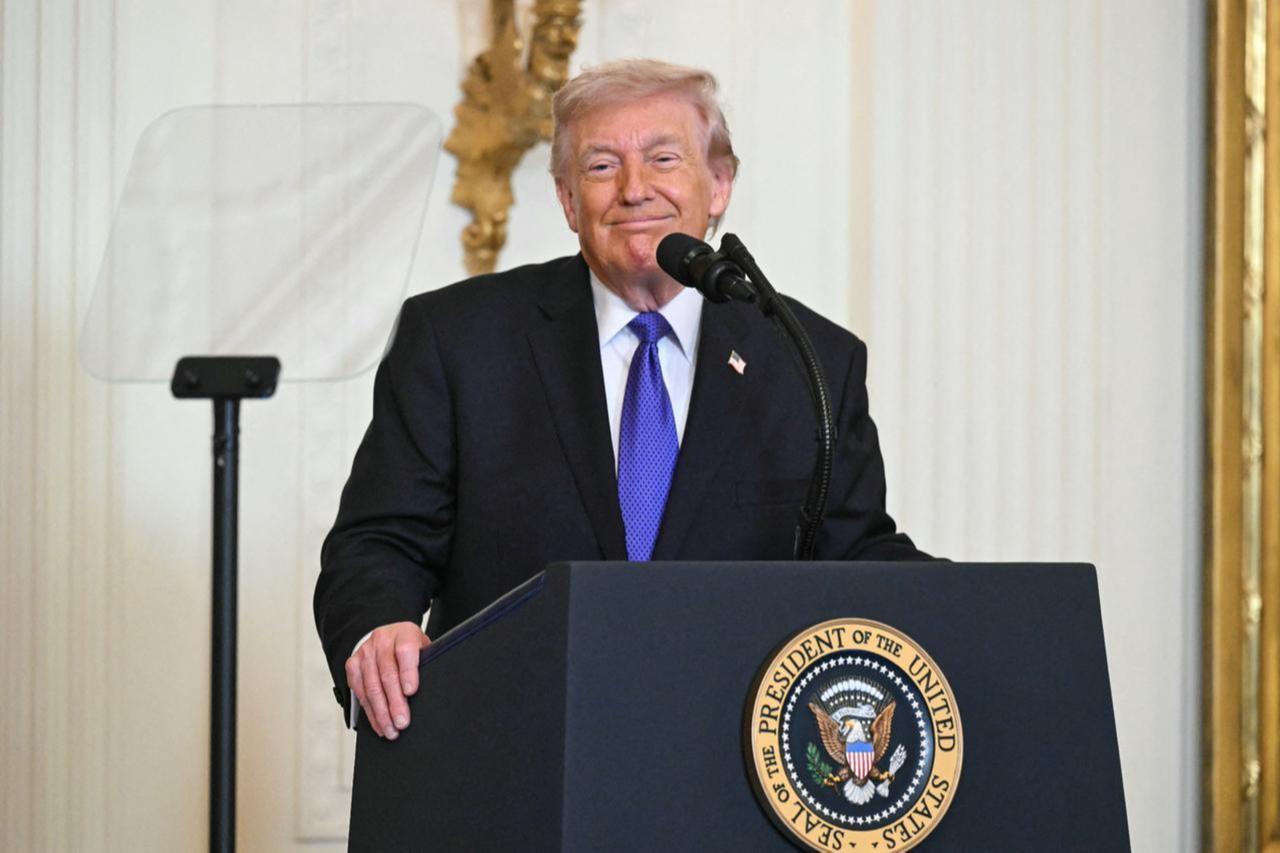
President Donald Trump declined Monday to disclose his strategy for dealing with Mojtaba Khamenei, Iran's newly installed Supreme Leader, while simultaneously tamping down reports that his administration is weighing a ground troop deployment to the country's underground nuclear facility near Isfahan, leaving the two most pressing questions of the US-Iran conflict unanswered in a single exchange.
"Not going to tell you. Not going to tell you. I'm not happy with him," Trump told the New York Post by phone from his Trump National Golf Club in Doral, Florida, when asked about Khamenei, 56, who succeeded his father Ali Khamenei as head of Iran's theocratic government over the weekend. On the Isfahan question, he was equally dismissive: "We haven't made any decision on that. We're nowhere near it."
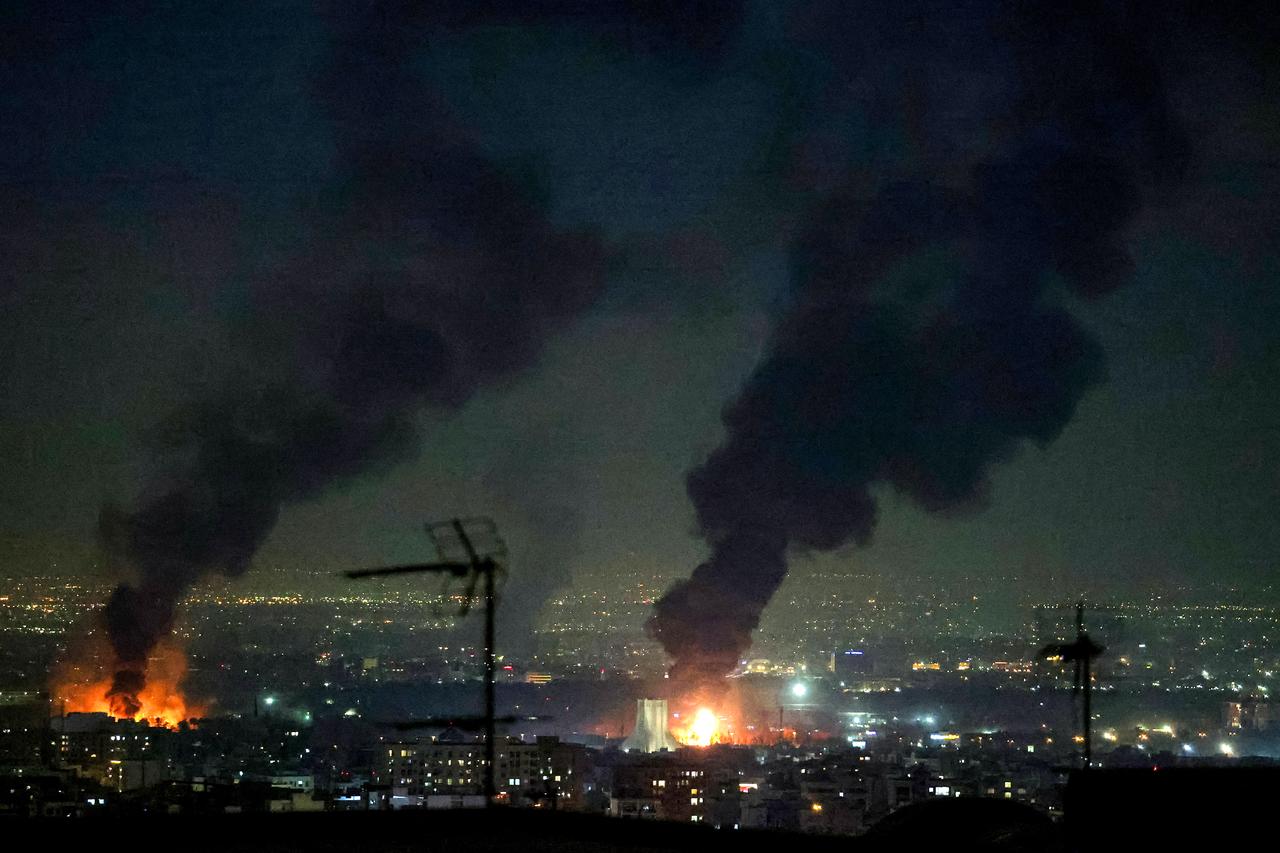
The dual refusal to elaborate came after a weekend in which Trump issued a rapid succession of threats against the new Iranian leader, multiple news outlets reported active White House discussions about securing Iran's enrichment site with American forces, and strikes hit targets in Tehran, including the Shahran oil depot, where images showed burned tanker trucks beneath columns of black smoke.
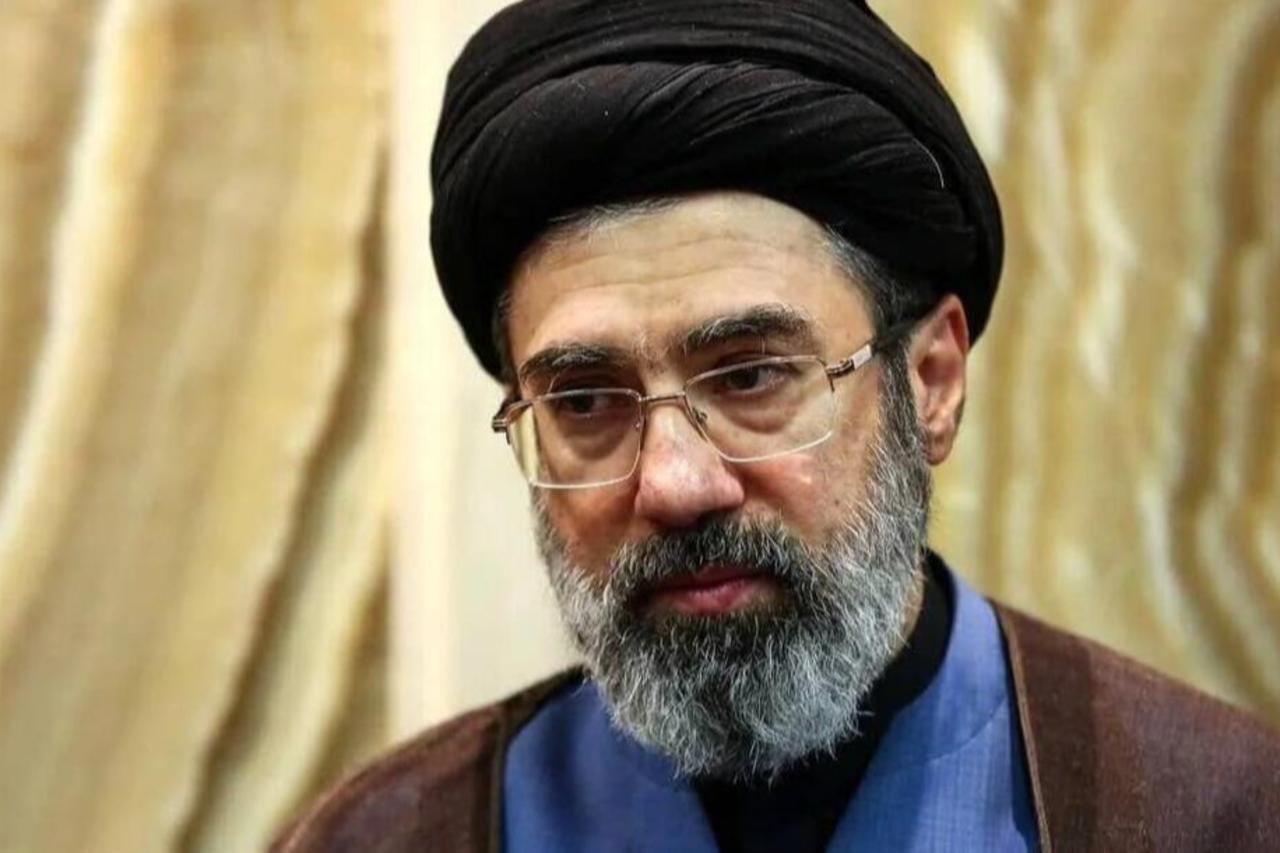

Trump's curt Monday response stood in sharp contrast to the posture he struck just hours and days earlier. Speaking to ABC News on Sunday, shortly before Mojtaba Khamenei's appointment was confirmed, the president warned that Iran's new leader is "not going to last long" if "he doesn't get approval from us." In an interview with Axios last week, he went further, dismissing the younger Khamenei as "a lightweight" and asserting, "I have to be involved in the appointment, like with Delcy Rodriguez in Venezuela."
The Venezuela comparison suggested Trump viewed Iran's succession not as a sovereign internal matter but as a process subject to American approval, echoing his approach to political transitions elsewhere. Yet by Monday, the explicit threats and conditions had been replaced by a flat refusal to engage, with the president notably declining to repeat his earlier warning that he would target any successor who assumed power without his input.
Mojtaba Khamenei's elevation cements a dynastic transfer of authority within the Islamic Republic. His father had served as Supreme Leader since 1989, holding ultimate power over Iran's armed forces, nuclear program and foreign policy. In Tehran, demonstrators rallied in support of the new leader on Sunday, some carrying his portrait alongside Iranian flags.
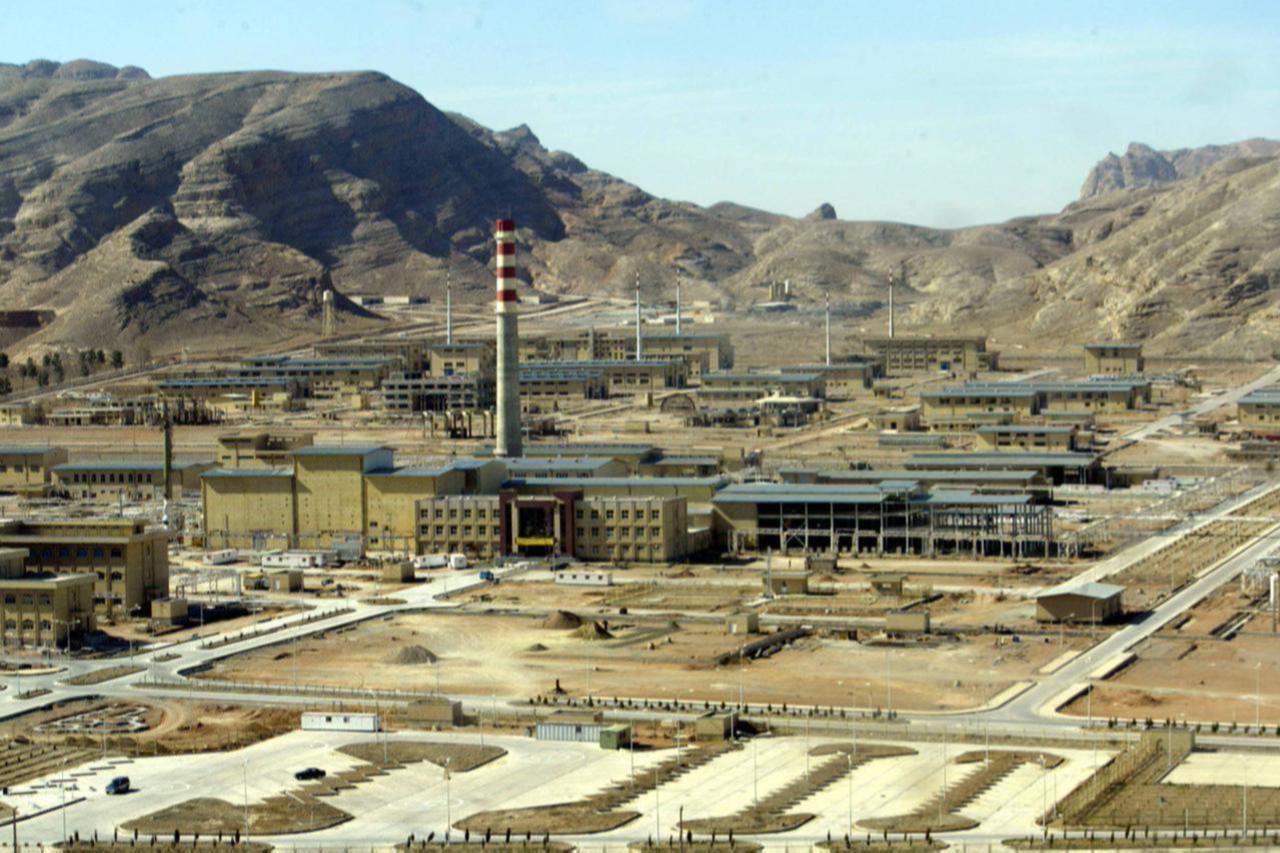
The enrichment complex near Isfahan, one of Iran's most historically significant cities, has become the focal point of speculation about a potential American ground presence inside the country. The facility, buried deep underground, plays a central role in Iran's nuclear program and has long been a source of tension in international diplomacy.
Trump first addressed the prospect Saturday aboard Air Force One, telling reporters that "we haven't talked about" a deployment. But the same day, Semafor, NBC News and Axios each reported that the scenario was under active discussion within the administration, casting doubt on the president's characterization.
His Monday remarks were more measured in tone but no more illuminating in substance, replacing a flat denial with an assertion of distance from any decision. The shift from "we haven't talked about" to "we're nowhere near it" acknowledged the existence of deliberations while pushing the timeline outward, offering neither a confirmation nor a definitive rejection of the idea.
The convergence of the Khamenei succession and the Isfahan question has created a moment of acute uncertainty in US-Iran relations. On the political front, Washington now faces a new and untested leader in Tehran whose consolidation of power is unfolding in real time.
On the military front, the prospect of American boots on Iranian soil, even in a limited capacity at a single facility, would represent a dramatic escalation.
Trump, after days of broadcasting his positions with unusual transparency, appeared on Monday to have made a deliberate decision to withhold both his diplomatic and military intentions simultaneously.


 Set as preferred source
 Set as preferred source


 1 min read
 1 min read