Newsletters


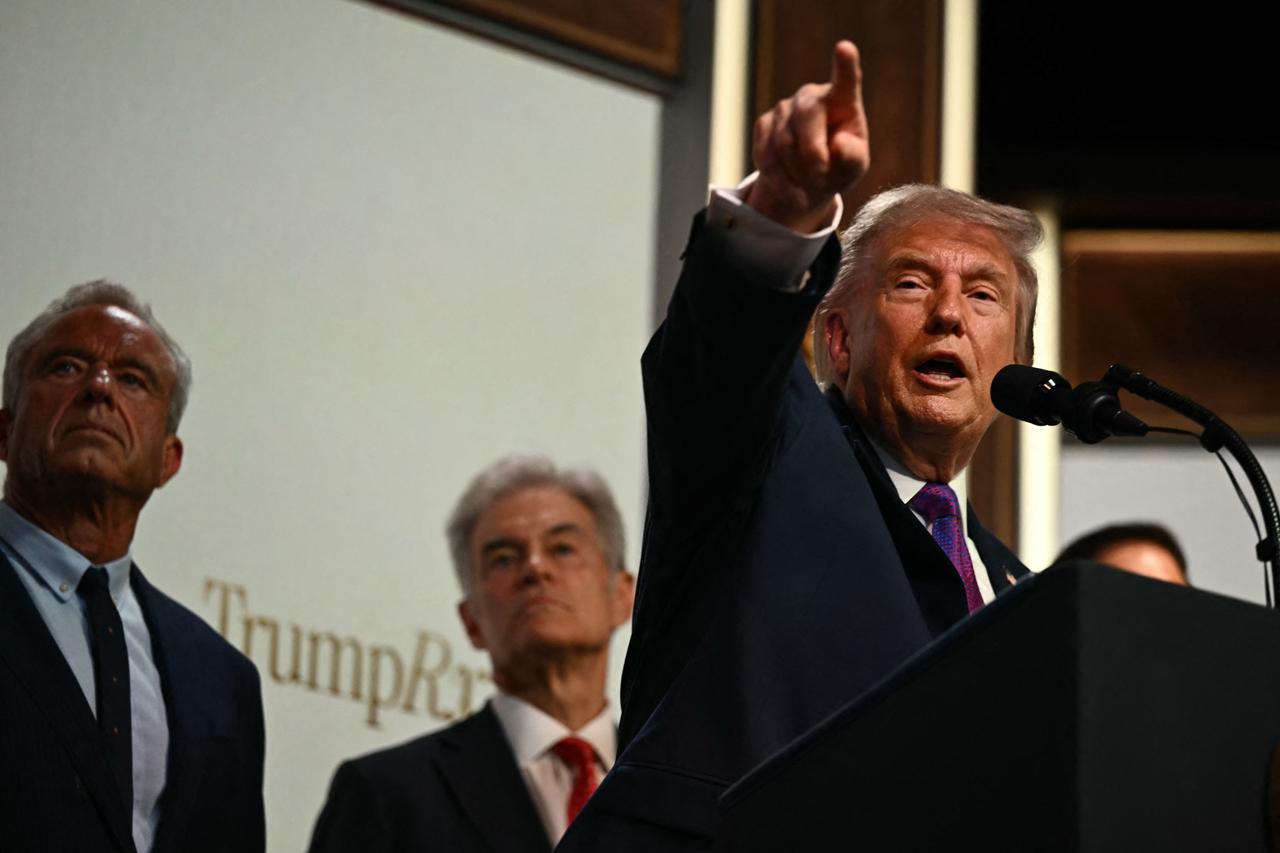


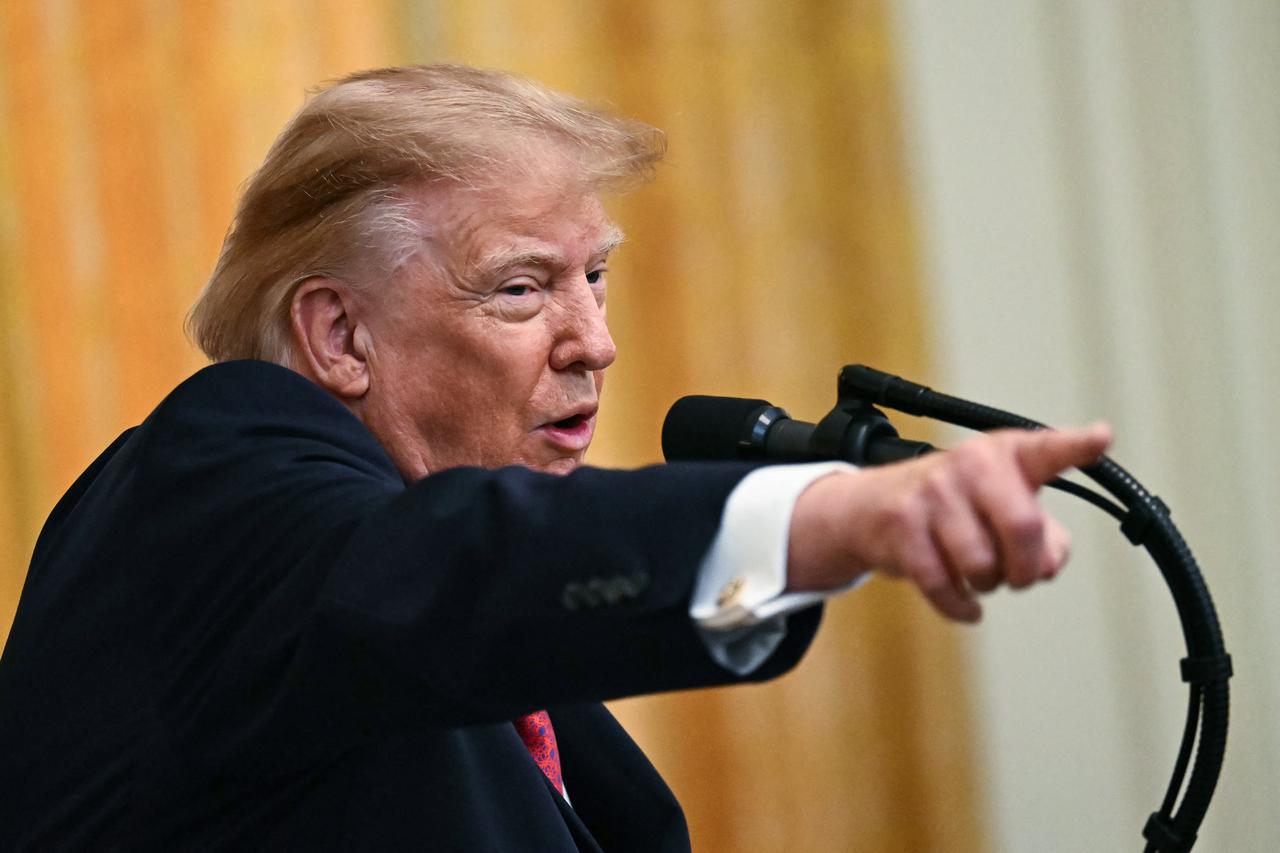
United States President Donald Trump is more seriously considering military action against Cuba as Washington’s economic pressure campaign on the island fails to produce the results it sought, according to a report published on Monday.
Politico, citing two anonymous sources familiar with internal deliberations, reported that Trump and senior administration officials have grown increasingly frustrated with the Cuban leadership’s refusal to implement changes demanded by Washington.
“The mood has definitely changed,” one source told the outlet.
“The initial idea on Cuba was that the leadership was weak and that the combination of stepped-up sanctions enforcement, really an oil blockade, and clear U.S. military wins in Venezuela and Iran would scare the Cubans into making a deal,” the source said.
“Now Iran has gone sideways, and the Cubans are proving much tougher than originally thought. So now military action is on the table in a way that it wasn’t before,” the source added.
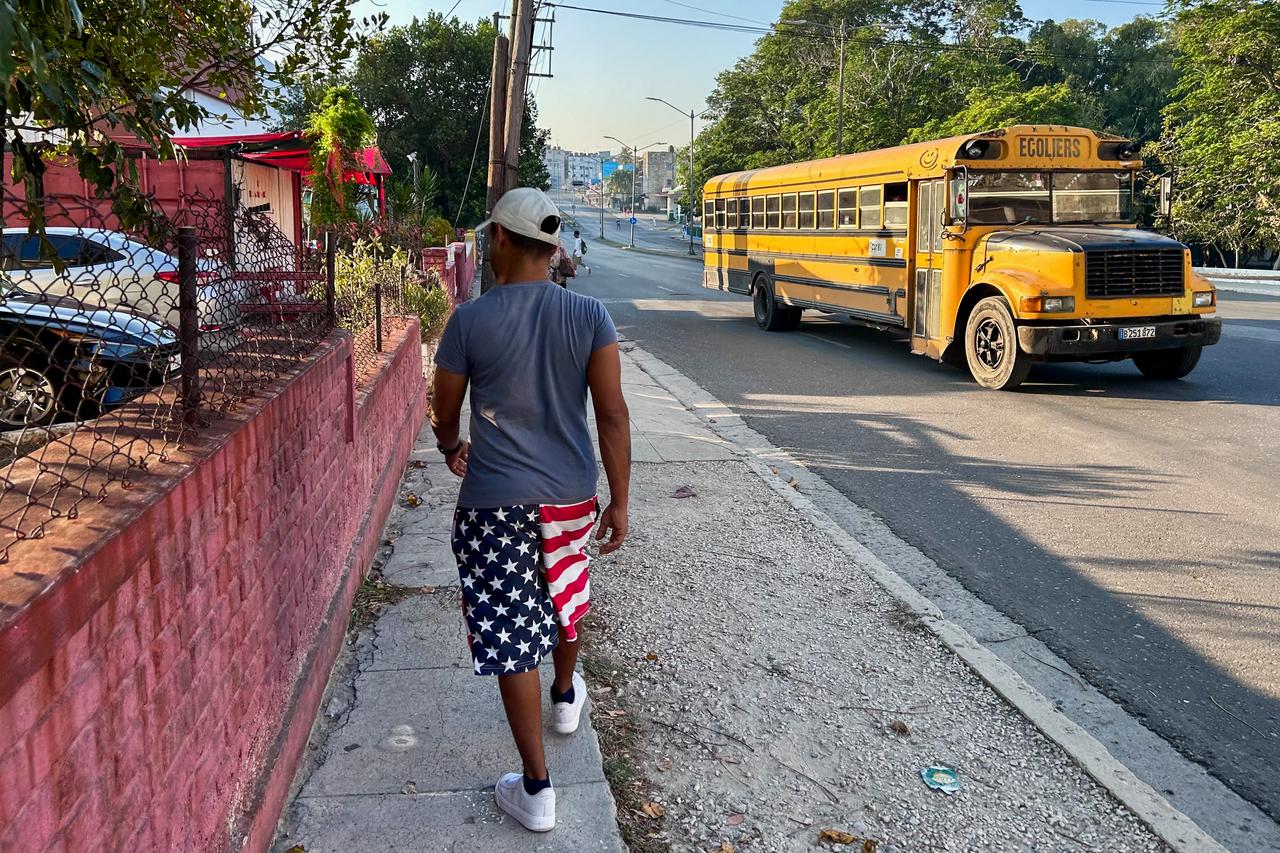

The report comes as Cuba faces its worst fuel crisis in decades following Trump’s Jan. 29 decision to impose an oil embargo.
The order threatened tariffs on any country that “directly or indirectly” supplies oil to Cuba, effectively cutting one of Havana’s remaining economic lifelines.
Cuba announced last week that it had completely run out of fuel oil and diesel, warning that the national electricity grid was operating without reserves and in a critical state.
Cuban President Miguel Diaz-Canel argued that easing U.S. restrictions would do more to help the island than Washington’s recently announced $100 million humanitarian package.
“The damage could be alleviated in a much easier and more expedient way by lifting or easing the blockade,” Diaz-Canel wrote on X.
He accused Washington of imposing collective punishment while simultaneously offering aid.
The escalation also comes after Axios reported that Cuba had allegedly obtained more than 300 military drones from Russia and Iran, citing U.S. intelligence officials.
The report claimed Havana was considering potential drone strikes against U.S. targets, including the naval base at Guantanamo Bay, U.S. military vessels and possibly even Florida.
Diaz-Canel did not directly address the allegations but warned that any U.S. attack would have severe consequences.
Writing on X, he said Cuba “poses no threat” to the United States or any other country.
He added that a military intervention would “trigger a bloodbath with incalculable consequences.”
The Cuban leader also stressed that Havana retains “the absolute and legitimate right to defend itself against a military onslaught.”
Trump has repeatedly escalated rhetoric toward Cuba in recent months, suggesting the island would be “next” after operations against Iran and claiming the communist government would fall “soon.”
Cuban officials have accused Washington of first attempting to “strangle” the economy through energy restrictions before creating conditions for possible intervention.
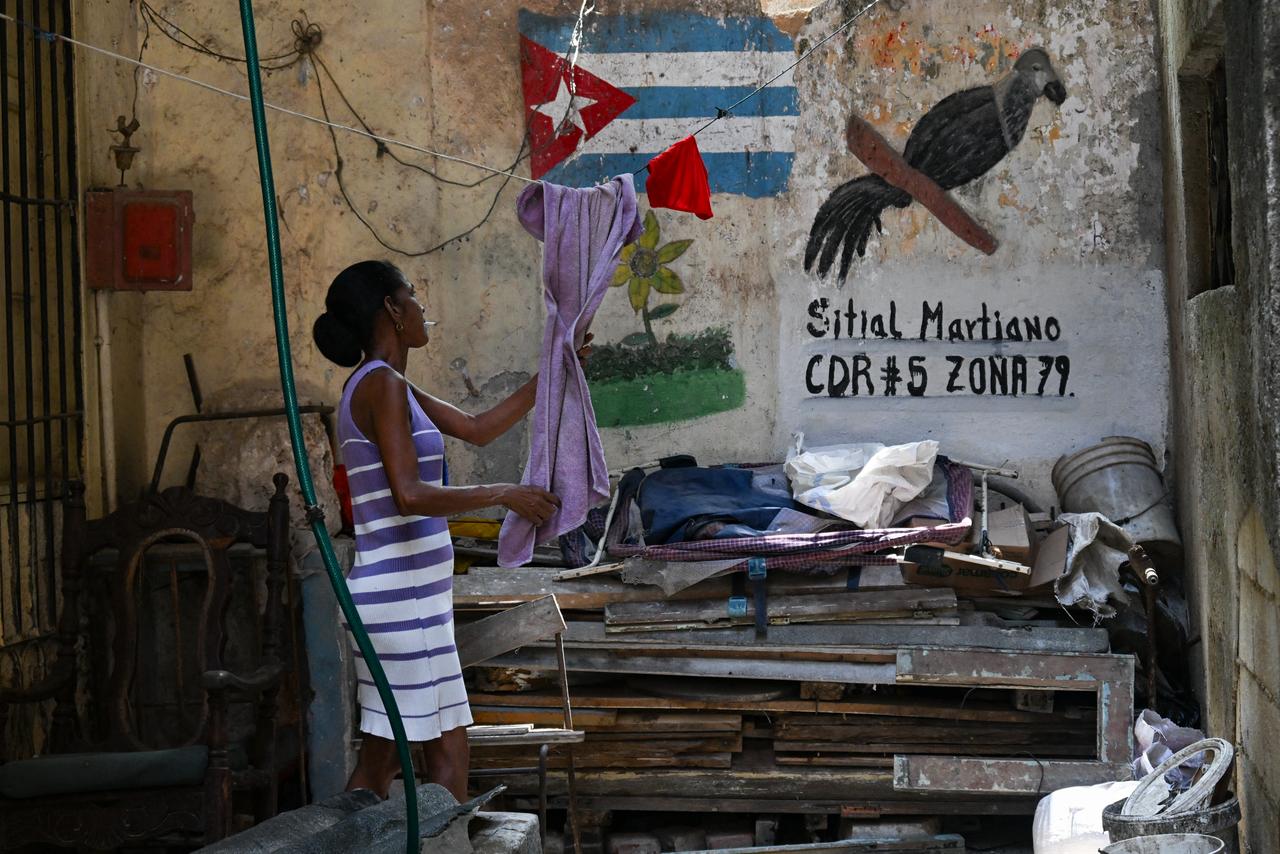
The fuel blockade has worsened humanitarian conditions on the island, with increasingly frequent blackouts and energy shortages affecting daily life.


 Set as preferred source
 Set as preferred source


 1 min read
 1 min read