Newsletters


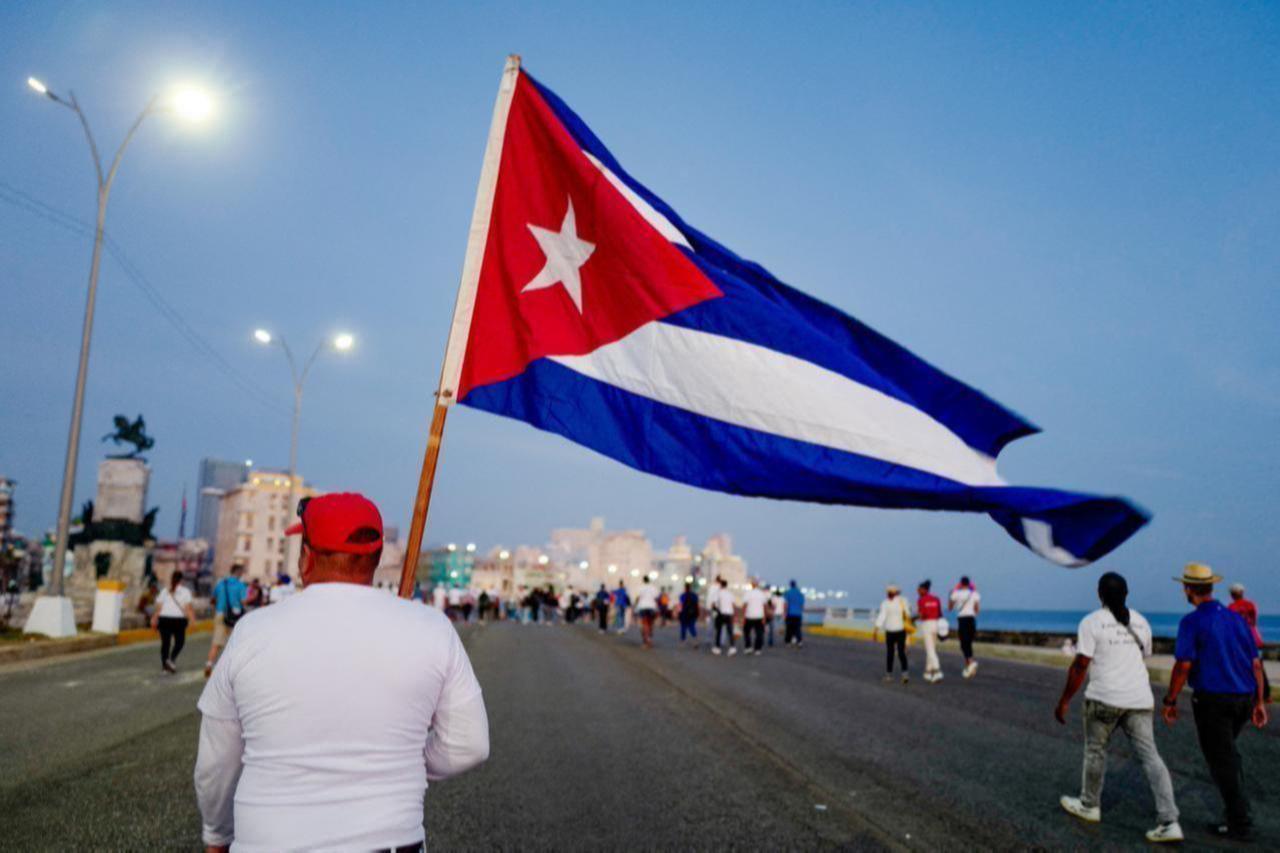


Cuban President Miguel Diaz-Canel said Cuba has never posed a threat to the United States and has instead faced threats for years, while Foreign Minister Bruno Rodriguez warned that any possible U.S. military attack on the island would cause a humanitarian catastrophe.
Diaz-Canel made the remarks in a post on the U.S.-based social media platform X, reacting to what he described as U.S. officials’ repeated attempts to portray Cuba as a threat.
“Cuba does not threaten, Cuba is constantly threatened,” Diaz-Canel said.
Diaz-Canel said that during more than 60 years of the Socialist Revolution, not a single aggressive act against U.S. national security had come from Cuba, despite the island being only 90 miles from the U.S.
He said U.S. government agencies had proven, documented and acknowledged that Cuba contributed to protecting U.S. security in the fight against various types of international crimes.
Diaz-Canel said Cuba, far from posing a threat to the U.S., had been the target of numerous aggressive acts planned from U.S. territory over the years, causing thousands of Cubans to be wounded or killed.
He said Cuba had long maintained calm in the face of threats from the U.S.
“Portraying Cuba as a threat is, above all, hypocrisy,” Diaz-Canel said. “Because both history and current realities show that new threats are directed at Cuba from the U.S. every day. Cuba does not threaten, does not challenge, but it is not afraid either.”
Rodriguez said in a separate post on X that there was no justification for a U.S. attack on Cuba.
“A possible U.S. military attack against Cuba would lead to a real humanitarian catastrophe and a bloodbath,” Rodriguez said.
He said such a scenario would be one in which politicians who do not send their own children or relatives to wars take risks, while both Cuban and U.S. citizens would lose their lives.
Rodriguez said the U.S. had “not the slightest reason, nor even the smallest pretext” to attack a small island that poses no threat to it, simply because a small minority wants to change Cuba’s political system or government.
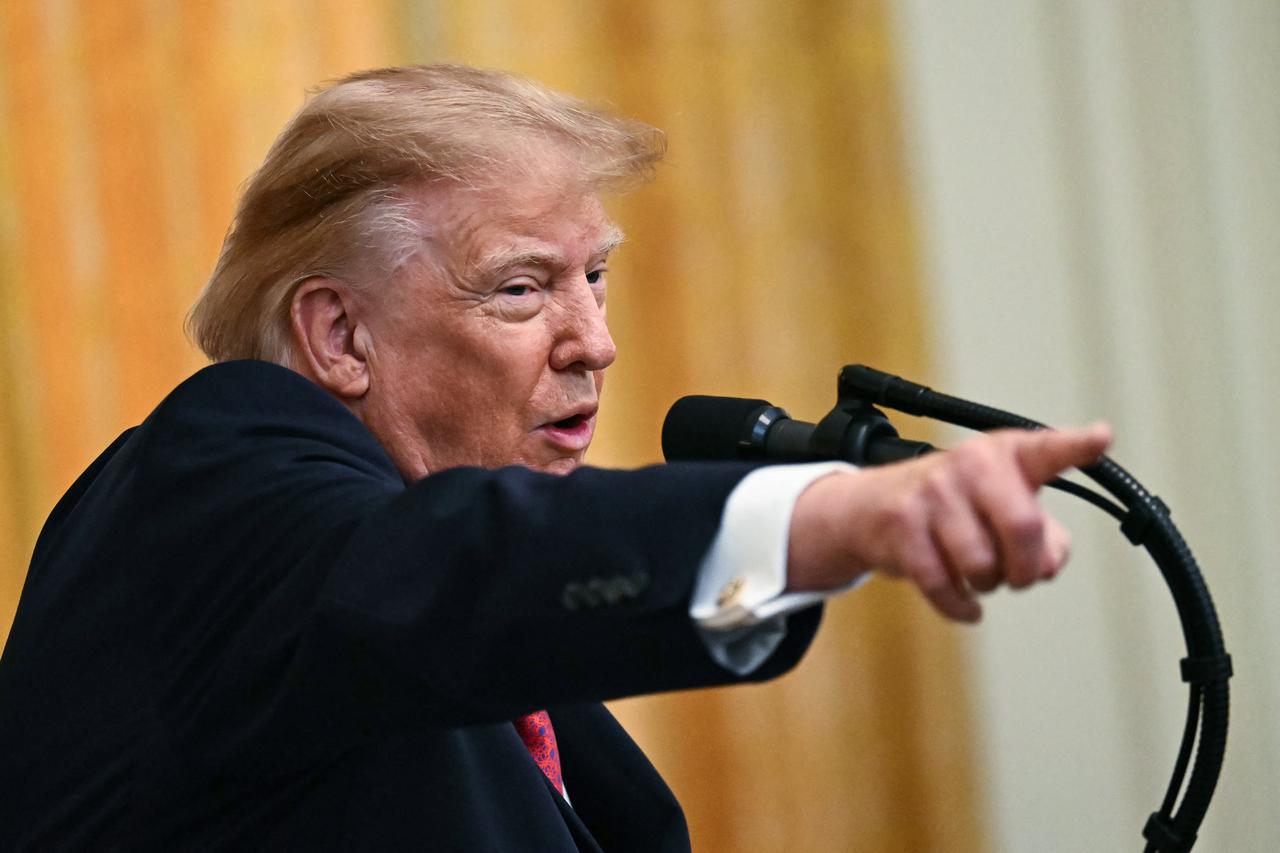
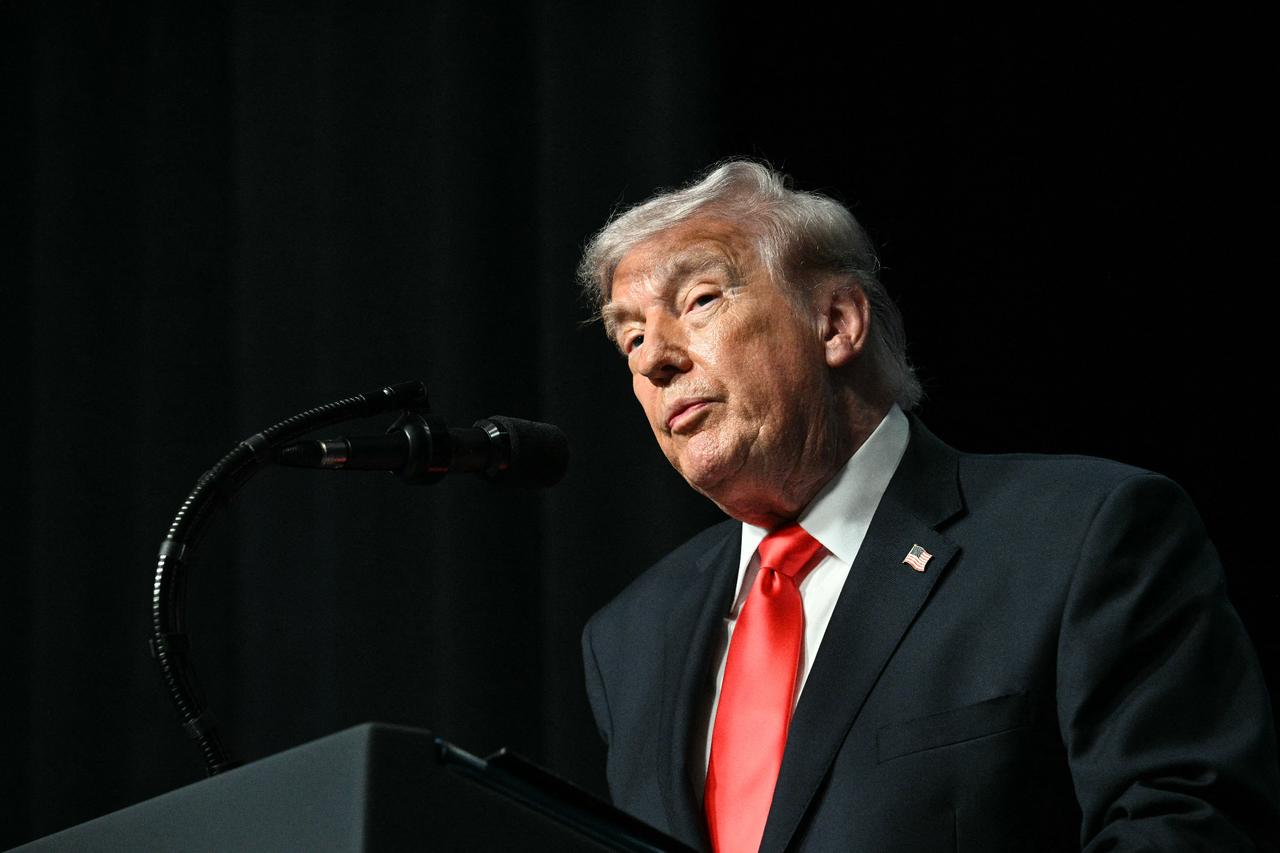
U.S. President Donald Trump signed an executive order on Jan. 30 imposing tariffs on all goods from countries that sell or supply oil to Cuba.
The White House argued that the decision was aimed at protecting U.S. national security and foreign policy interests against Cuba’s “harmful actions and policies.”
Trump said on Feb. 1 that talks had begun with the Cuban government on regulating oil supplies, but Cuba denied this.
The Cuban government activated an emergency package to survive without incoming oil from abroad.
Trump also said Cuba was asking the U.S. for help and that Washington would talk with Havana.
He said he wanted to visit a “free Havana” before the end of his term and has said several times that the U.S. would deal with Cuba after Iran.


 Set as preferred source
 Set as preferred source


 1 min read
 1 min read