Newsletters


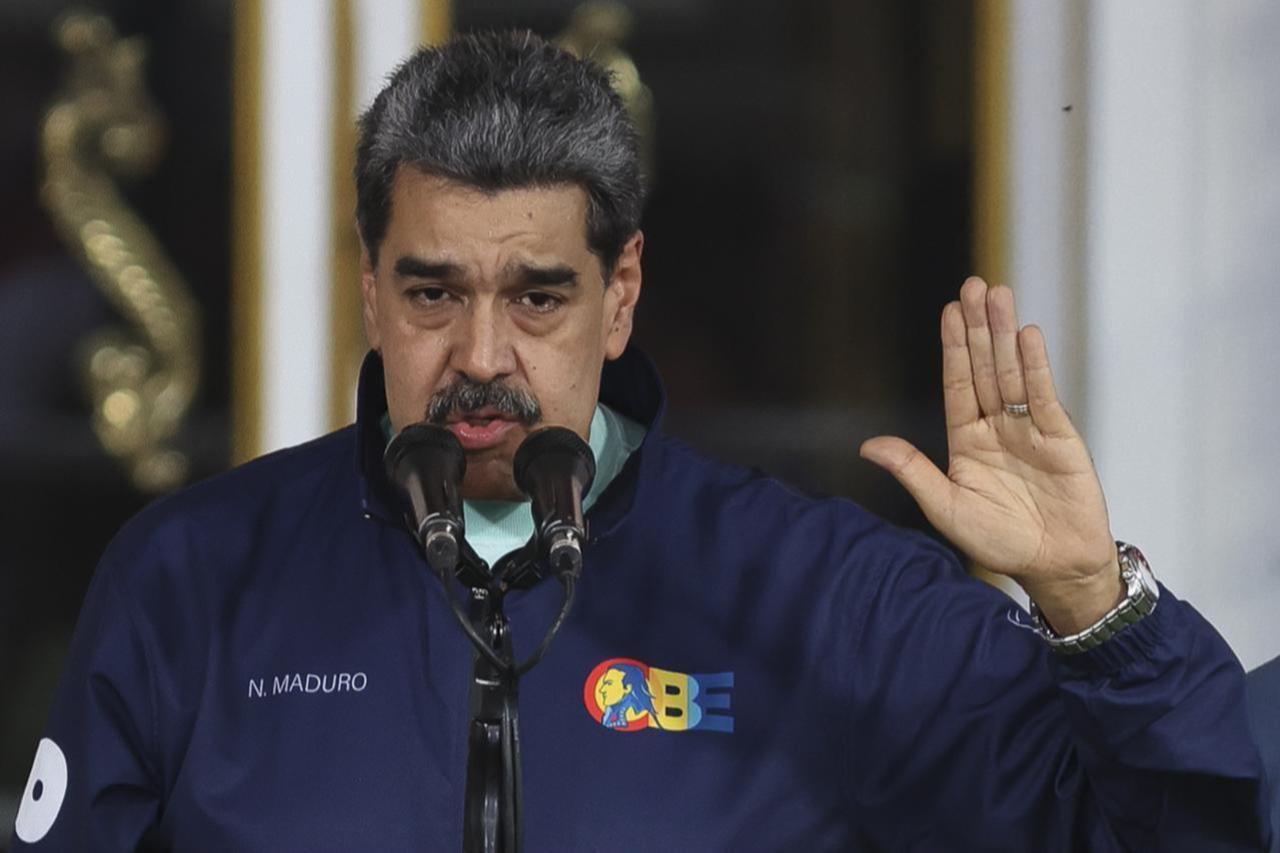


The Trump administration is quietly drafting contingency plans for Venezuela in the event President Nicolas Maduro is removed from power, according to senior administration officials, a move that signals the White House is seriously considering regime change despite public statements focusing on drug interdiction.
The closely held plans, being developed within the White House's Homeland Security Council, outline multiple options for American action to fill a potential power vacuum and stabilize the South American nation if Maduro leaves voluntarily through negotiated departure or is forced out through U.S. military strikes or other direct action, two senior administration officials and a source familiar with the discussions told CNN.
The planning comes months into an escalating pressure campaign that has seen the U.S. military deploy thousands of troops and a carrier strike group to the Caribbean, accompanied by repeated threats from President Donald Trump against the Venezuelan leader. While officials have publicly characterized the military buildup as aimed at reducing drug flows into the United States, the internal planning reveals consideration of more direct intervention.
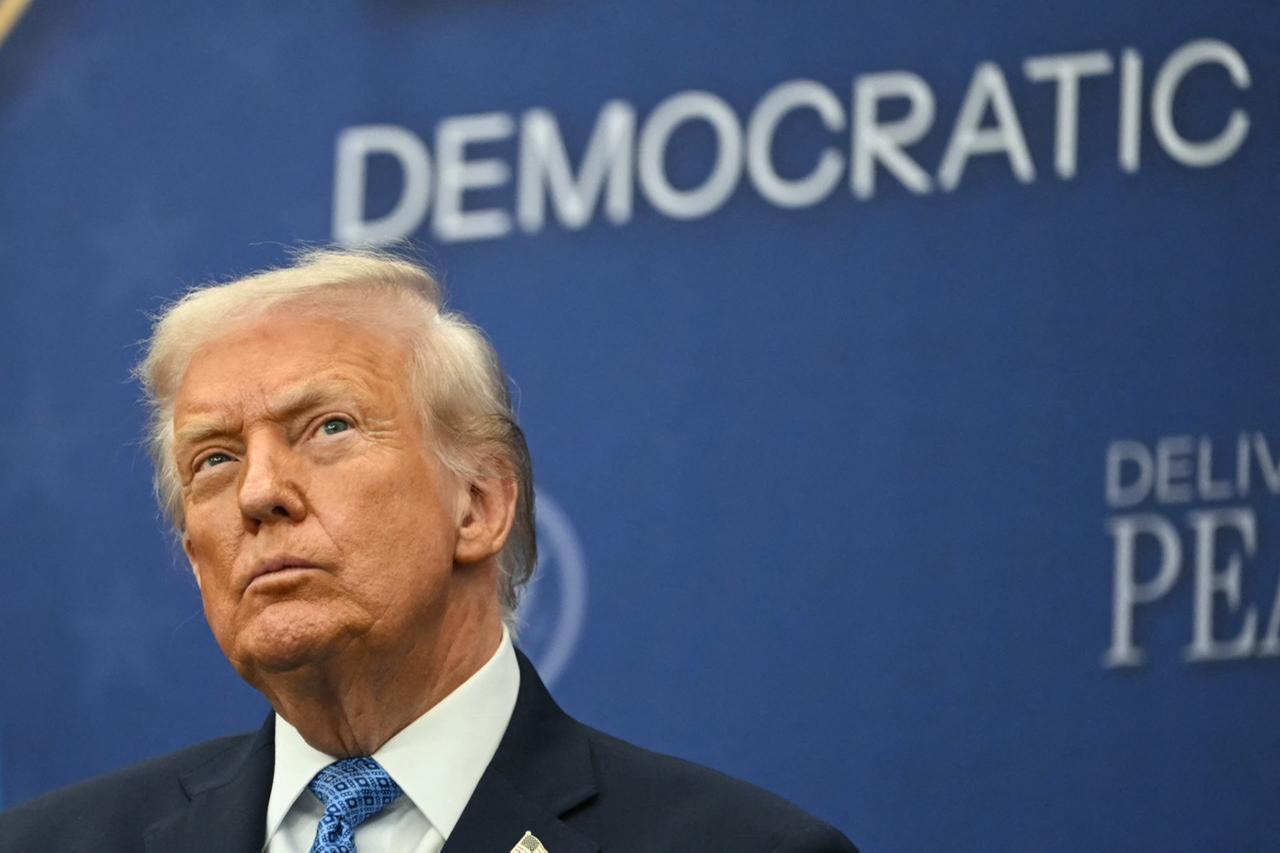

Trump spoke by phone with Maduro late last month, days before a U.S. designation of Maduro and his government allies as members of a foreign terrorist organization took effect. During the call, Trump gave what a senior White House official described as an ultimatum, telling the Venezuelan leader it was in his best interest to leave the country and that Trump intended to keep "blowing up" boats.
In an interview published Tuesday by Politico, Trump declined to specify how far he would go to remove Maduro but added that "his days are numbered."
The president has refused to rule out direct participation in regime change efforts. A senior administration official said the federal government's job is to "always prepare for plans A, B and C," noting that Trump would not be making such threats without a team ready with options for any potential outcome.
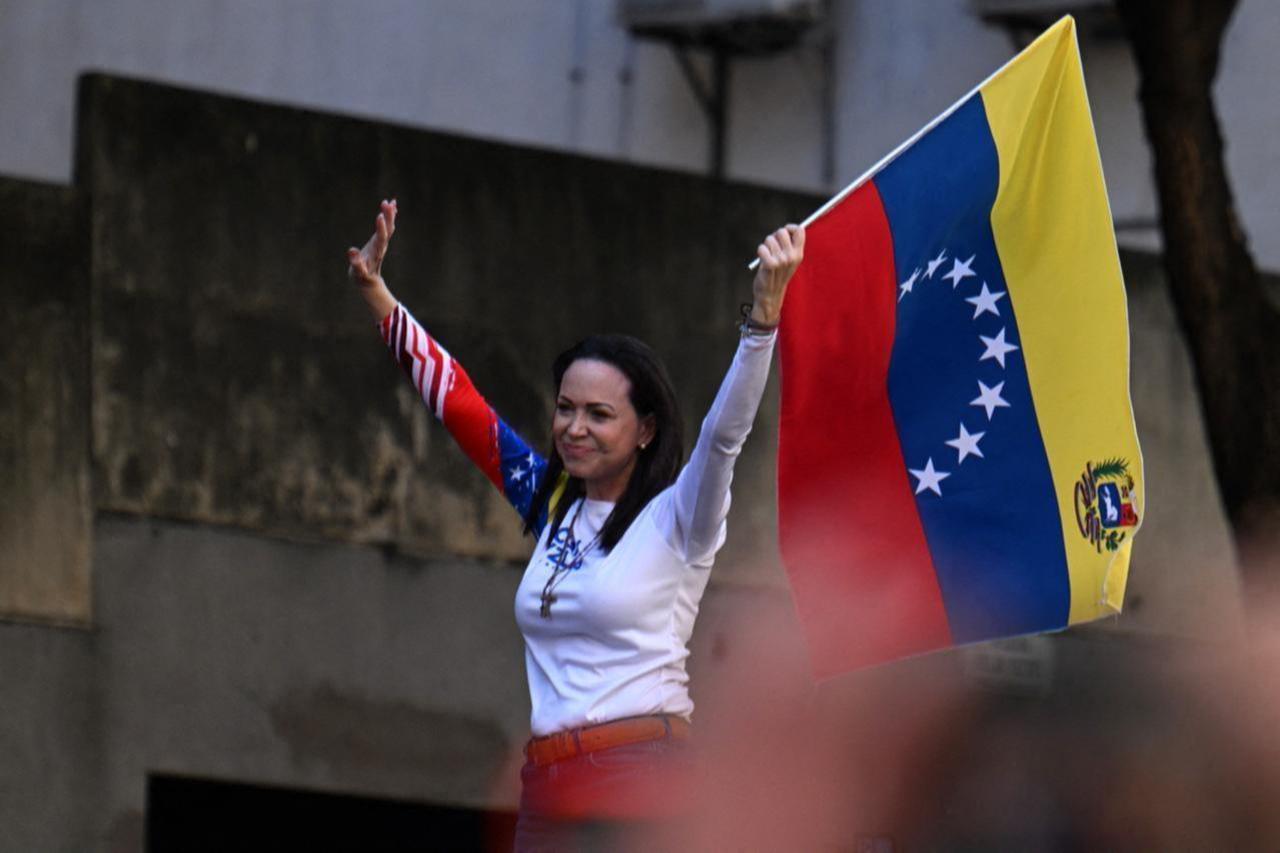
The Venezuelan opposition, led by Maria Corina Machado and Edmundo Gonzalez, has been formulating its own transition plans for years, including detailed "100 hour" and "100 day" roadmaps that address security, economy, energy, infrastructure and education. Elements of these plans have been shared with different parts of the Trump administration, though it remains unclear how much has been incorporated into White House thinking.
The Trump administration previously declared Gonzalez the "rightful president" of Venezuela after claiming he won the most votes in the country's election last year. Informal conversations about Machado and Gonzalez potentially leading the country took place within the administration over the summer.
The current planning must account for numerous scenarios in which Maduro could leave power, a task complicated by the administration's apparent lack of consensus on how it might move to oust him. Multiple factions within the administration hold sharply contrasting views on potential military or covert action, and two senior officials said there was no appetite for ramped up U.S. engagement in the country.
Any day-after scenario would require the U.S. to determine what level and type of support to provide Venezuela to prevent the country from descending into chaos after more than a decade under Maduro's leadership. While putting U.S. troops on the ground remains unlikely even as Trump has not ruled it out, experts said plans would need to address economic, security and intelligence support.
The administration would also face complex questions about recognizing a new government. Francisco Rodriguez, an economist who has studied Venezuela, noted that recognition would determine the lifting of sanctions and access to economic support critical for stabilization. The situation becomes more complicated if a transitional government includes members of Chavismo, the political movement of former Venezuelan leader Hugo Chavez.
Multiple administration officials said Trump is not interested in lengthy negotiations with Maduro. Secretary of State Marco Rubio, who along with senior adviser Stephen Miller has worked closely on Venezuela policy, told Fox News last week that Maduro has "made five deals with different parties over the last 10 years and has broken every single one of them."
In October, Trump authorized the CIA to operate inside Venezuela to clamp down on illegal flows of migrants and drugs, though he stopped short of saying the agency would have authority to remove Maduro.


 Set as preferred source
 Set as preferred source


 1 min read
 1 min read