Newsletters


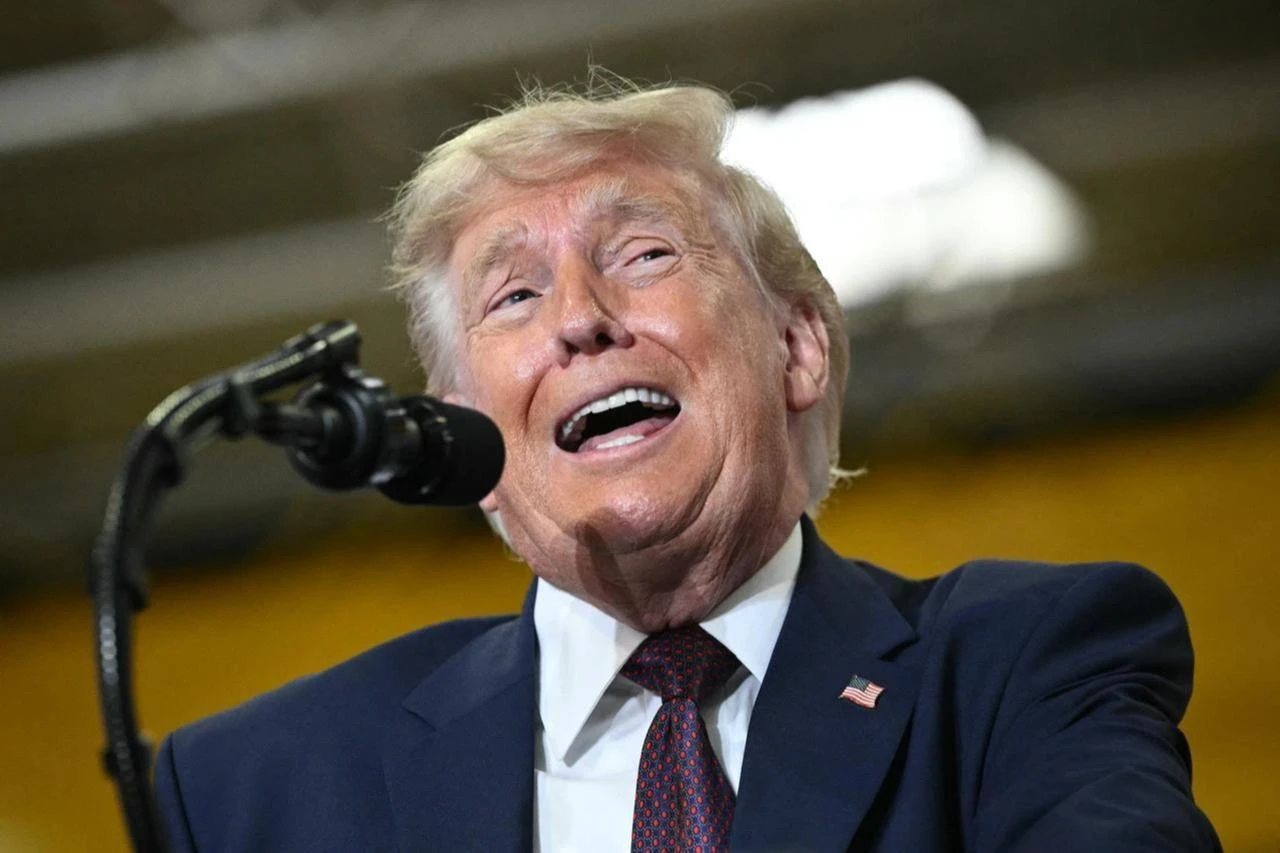


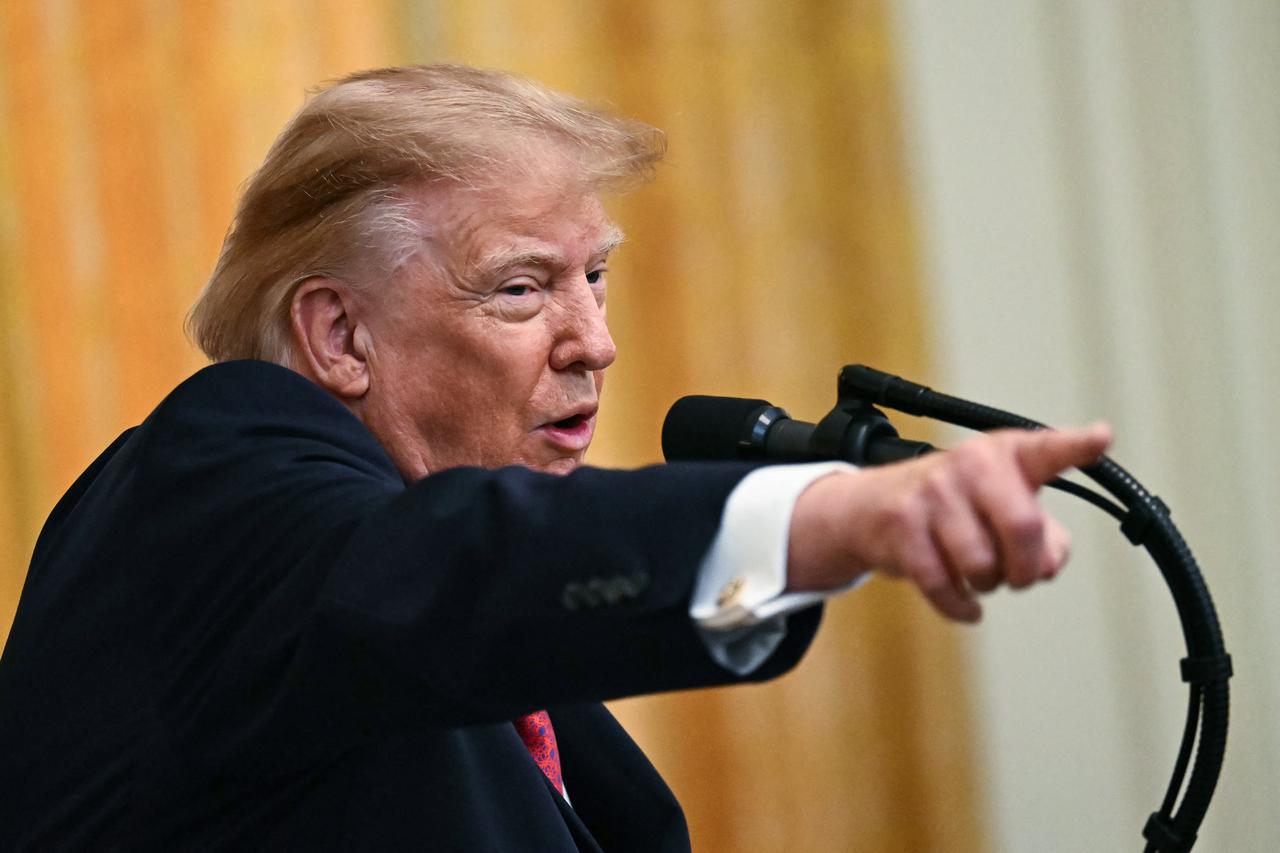
President Donald Trump declared Thursday that nuclear negotiations with Iran are advancing rapidly, saying Tehran had consented to nearly all of Washington's core demands, even as Qatari and Pakistani mediators announced the next round of talks would be delayed until after the funeral of Iran's former Supreme Leader Ali Khamenei.
Speaking in an interview with CNBC, Trump offered his most optimistic public assessment of the diplomatic process to date. "We're negotiating. I think they've agreed to just about everything we need," he said, without specifying which issues remained unresolved.
Trump was unambiguous about Washington's central objective, saying the United States is not pursuing regime change in Tehran.
"We're not looking for regime change. I'm looking for something very simple: they cannot have a nuclear weapon," he told CNBC.
The president also offered a pointed assessment of Iran's military standing following recent U.S. strikes. "I've defeated them militarily.
They're totally defeated militarily," Trump said, adding that Washington could go further but has chosen the diplomatic path. He said he struck Iran "three times last week very hard" in response to what he described as a drone attack on a ship, and suggested residual Iranian missile capabilities could still be eliminated if necessary.
Iran's nuclear program has been at the center of a prolonged standoff between Washington and Tehran spanning multiple U.S. administrations.
Trump withdrew the United States from the 2015 Joint Comprehensive Plan of Action, known as the JCPOA, during his first term, calling it deeply flawed. The current negotiations represent the latest effort to reach a durable agreement on Tehran's nuclear ambitions.
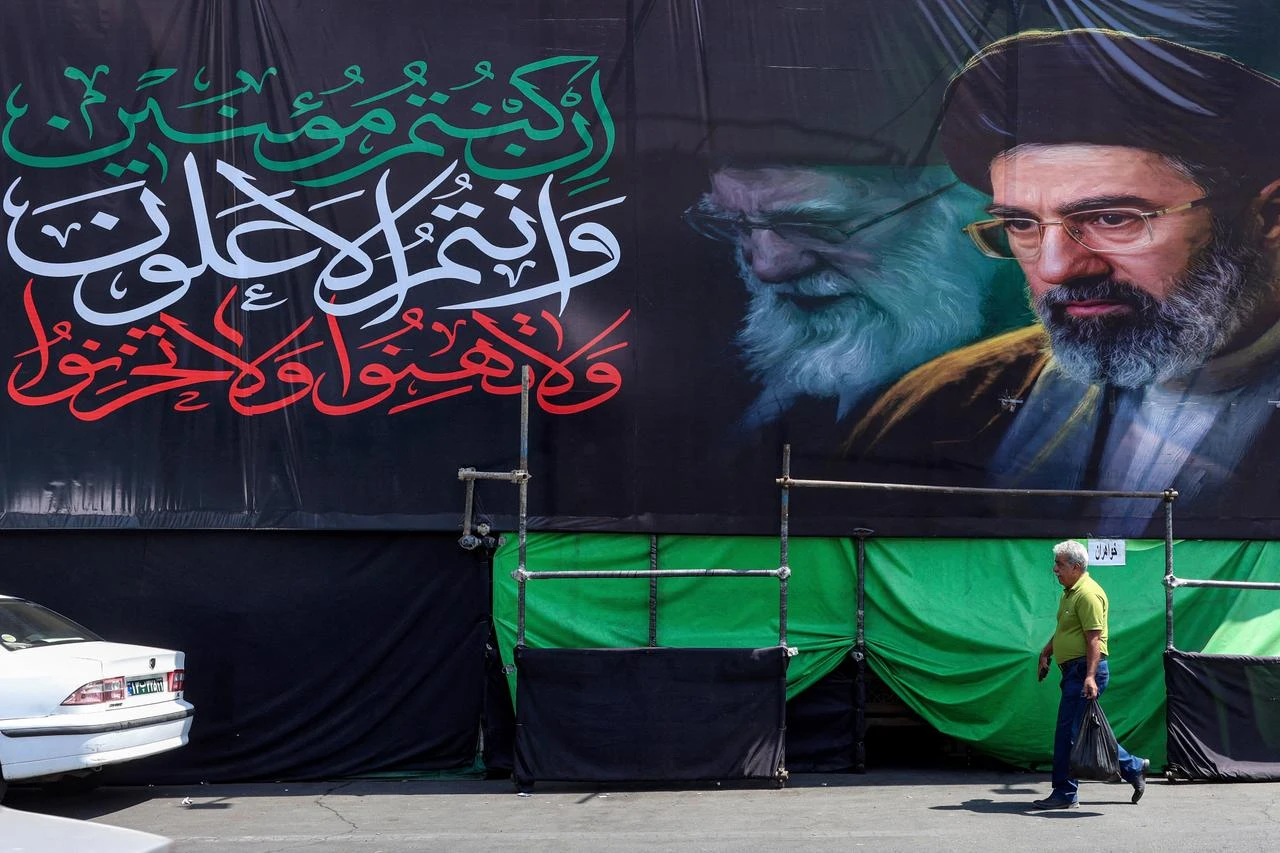
Qatari and Pakistani mediators confirmed Thursday that the next round of U.S.-Iran negotiations would take place "at the earliest possible time" following funeral ceremonies for Ali Khamenei, who was killed in U.S.-Israeli strikes on February 28.
Those ceremonies are scheduled to run from July 4 through July 9.
Qatar and Pakistan have both played active mediating roles in the diplomatic process.
Qatar, which hosts the largest U.S. military installation in the Middle East, has long served as a back-channel intermediary between Washington and Tehran, while Pakistan has emerged as a key facilitator in the current round of negotiations.
Iran's nuclear program has long been a flashpoint in international diplomacy. Tehran has maintained that its nuclear activities are for civilian purposes, while Western governments and international inspectors have raised sustained concerns about its enrichment levels and the scope of its program. Any agreement would likely require verification mechanisms involving the International Atomic Energy Agency, the U.N. body responsible for monitoring nuclear compliance.
Trump's remarks Thursday signal continued momentum toward a diplomatic resolution, though the scale and durability of any deal will depend on the formal negotiations that follow the mourning period for Khamenei.


 Set as preferred source
 Set as preferred source


 2 min read
 1 min read