Newsletters


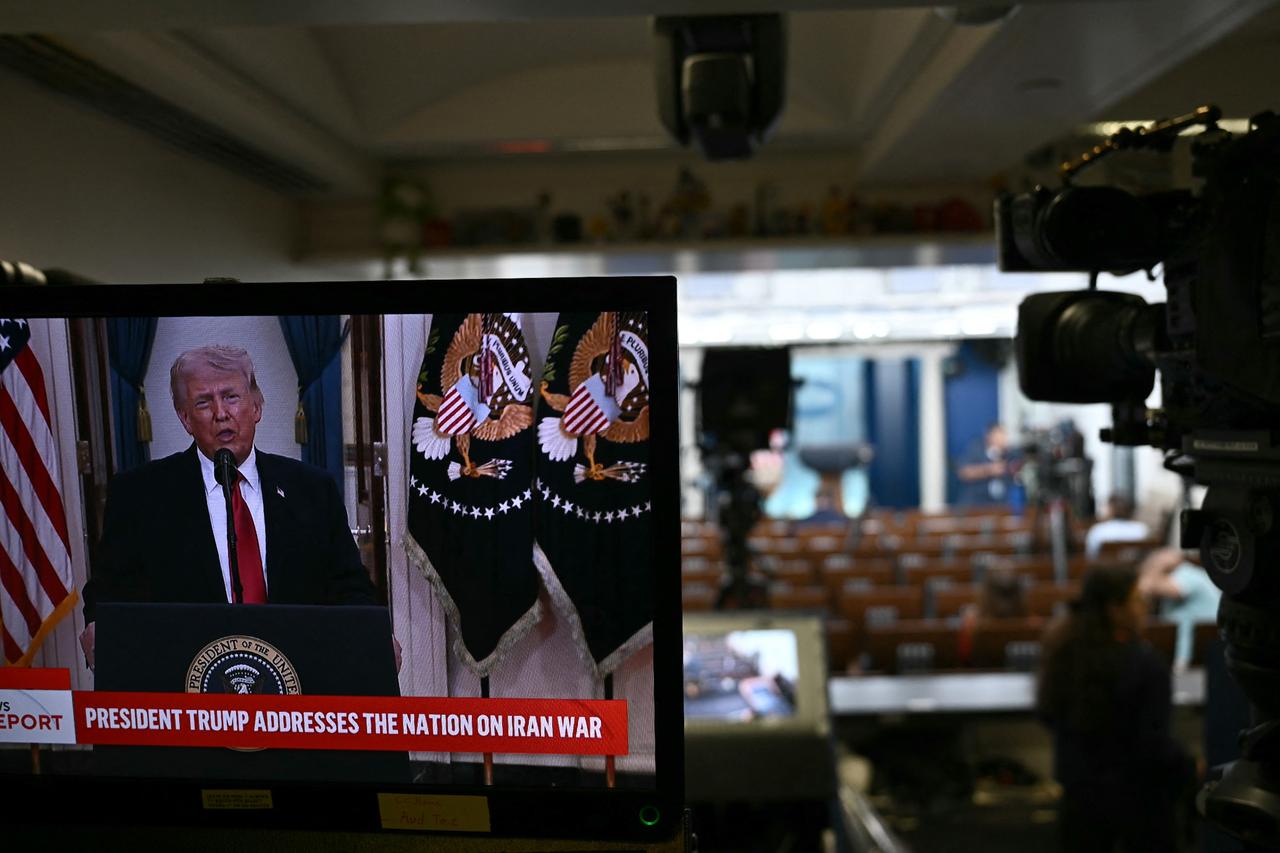


U.S. President Donald Trump sent Congress a fiscal year 2027 budget request on Friday, seeking $1.5 trillion for defense.
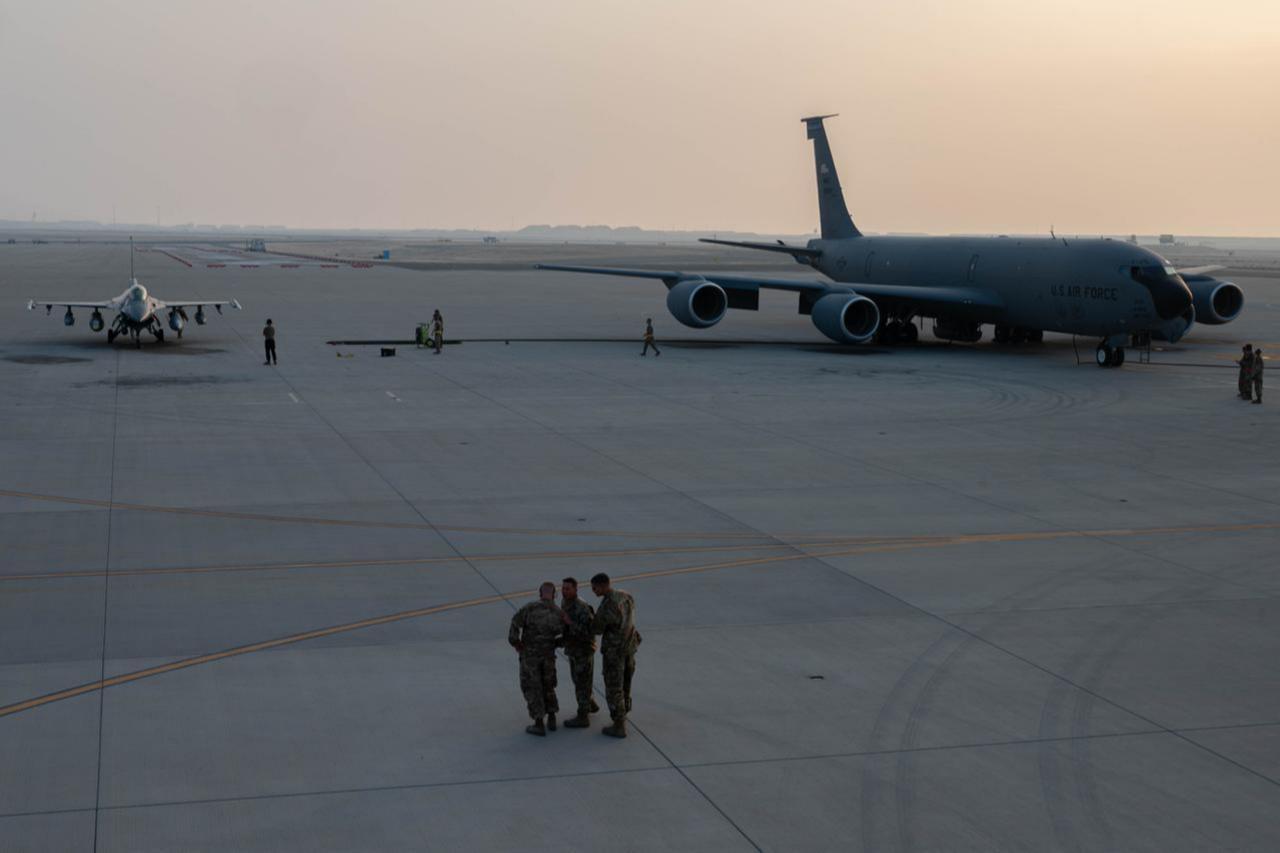
A $445 billion or 42% increase over the current year that would represent the largest year-on-year military spending surge since World War II, while proposing $73 billion in cuts to domestic programs as the administration confronts mounting costs from the war in Iran.
"The budget builds upon the historic $1 trillion overall defense topline for 2026 and requests $1.5 trillion in total budgetary resources for 2027," the White House budget document stated.
"This is a $445 billion, or 42%, increase from the 2026 total resource level," the document added.
The Office of Management and Budget compared the increase to the mobilization preceding World War II, stating it "exceeds even the Reagan buildup."

Of the $1.5 trillion total, $1.1 trillion is marked as base discretionary budget authority for the Department of War. An additional $350 billion would be provided through budget reconciliation for priorities including expanding the defense industrial base, increasing access to critical munitions and broadening acquisition approaches.
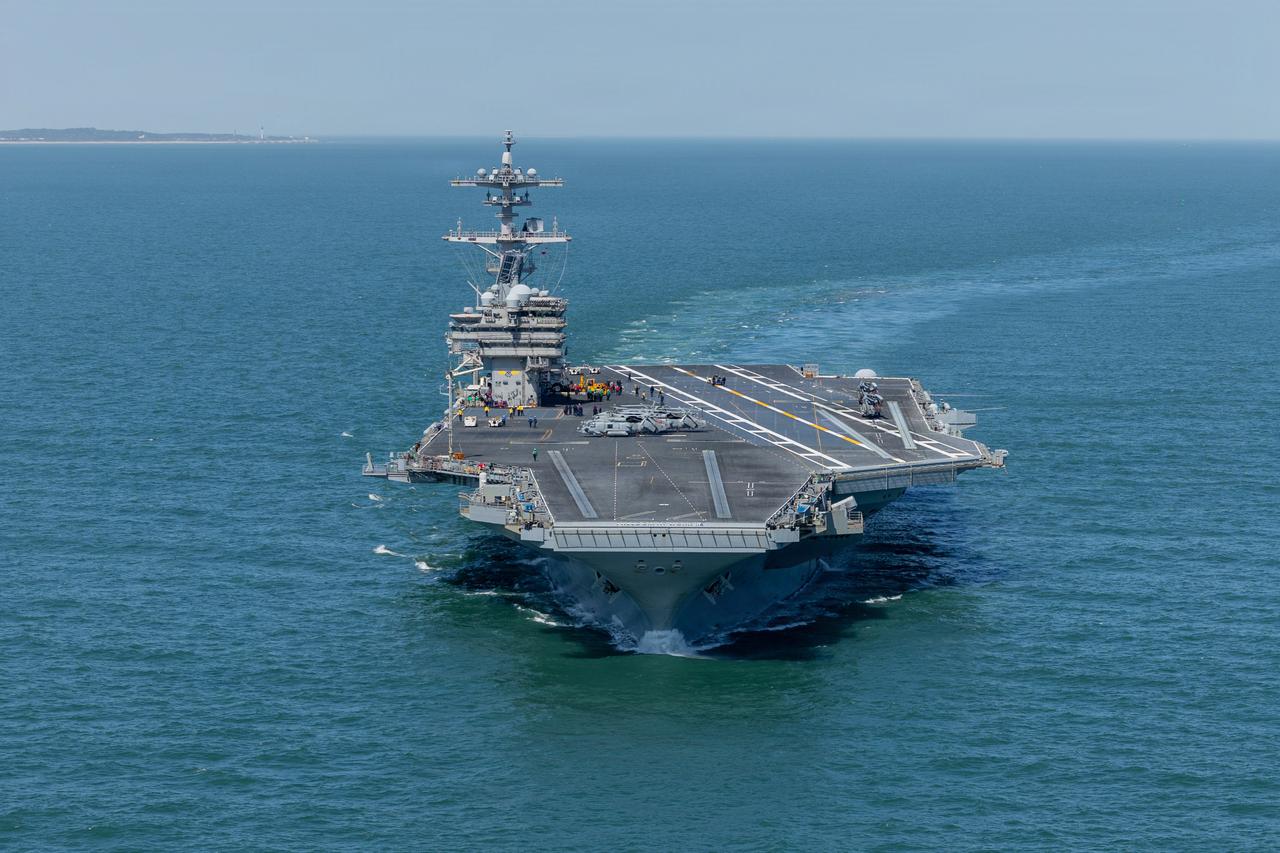
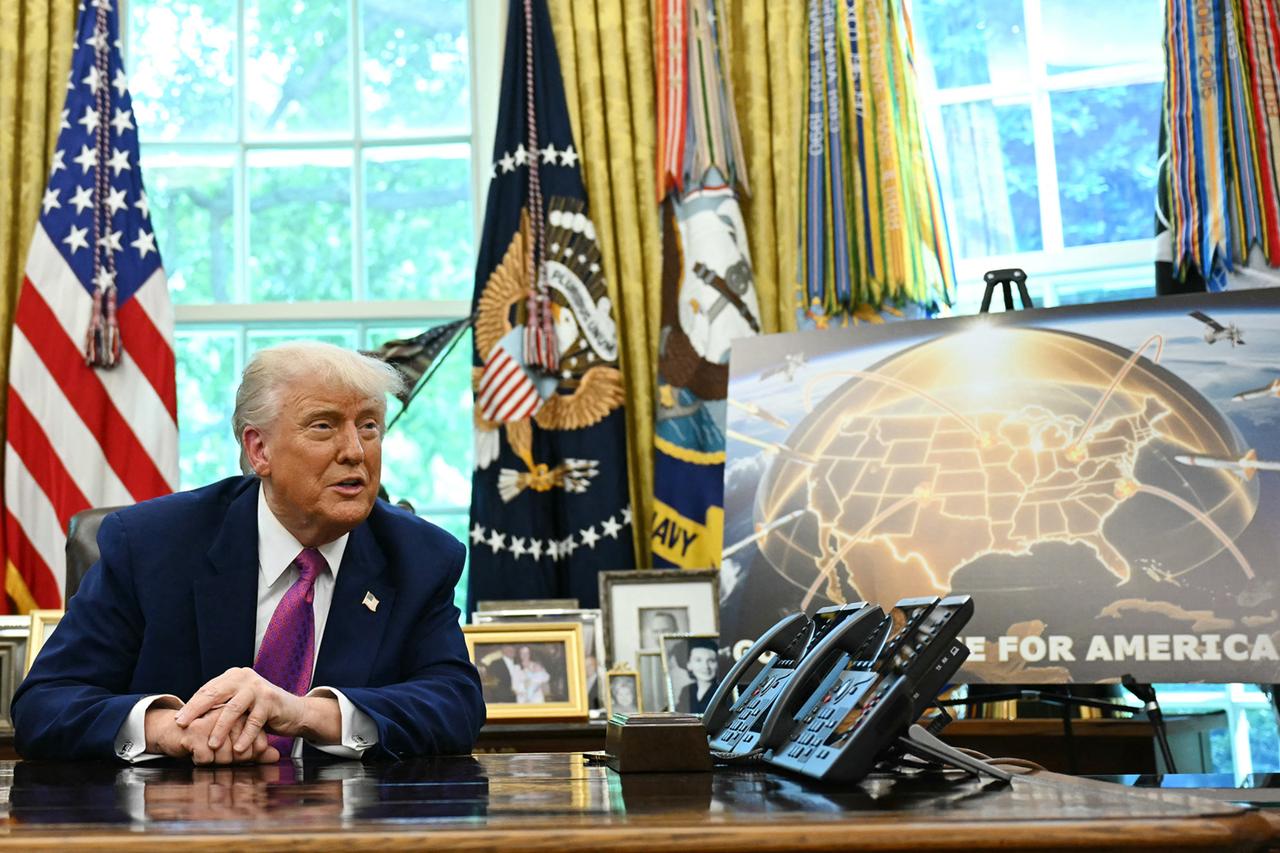
The budget includes funding for Trump's $185 billion "Golden Dome" missile defense system, Lockheed Martin F-35 jets, investments in critical minerals and domestic supply chains, and $65.8 billion for shipbuilding.
The White House described a 41-ship order as "the largest demand signal to the maritime industrial base since the administration of Franklin D. Roosevelt."
A pay increase of 6-7% for all military personnel is also included.
The Department of War is expected to reduce Diversity, Equity and Inclusion spending by "millions of dollars" after previously eliminating more than $1.6 billion.
The White House proposed cutting nondefense spending by $73 billion, or 10%.
"Savings are achieved by reducing or eliminating woke, weaponized, and wasteful programs, and by returning state and local responsibilities to their respective governments," the administration said.
Proposed cuts include climate programs, housing and education spending, and the elimination of nearly 30 Justice Department programs deemed "duplicative" or "weaponized."
At the same time, the budget requests $40.8 billion for the Justice Department, a 13% increase, to "maximize DOJ's capacity to bring violent criminals to justice." Homeland security funding complements $190 billion appropriated through the Working Families Tax Cut in 2025 for border wall construction, immigration enforcement and Coast Guard modernization.
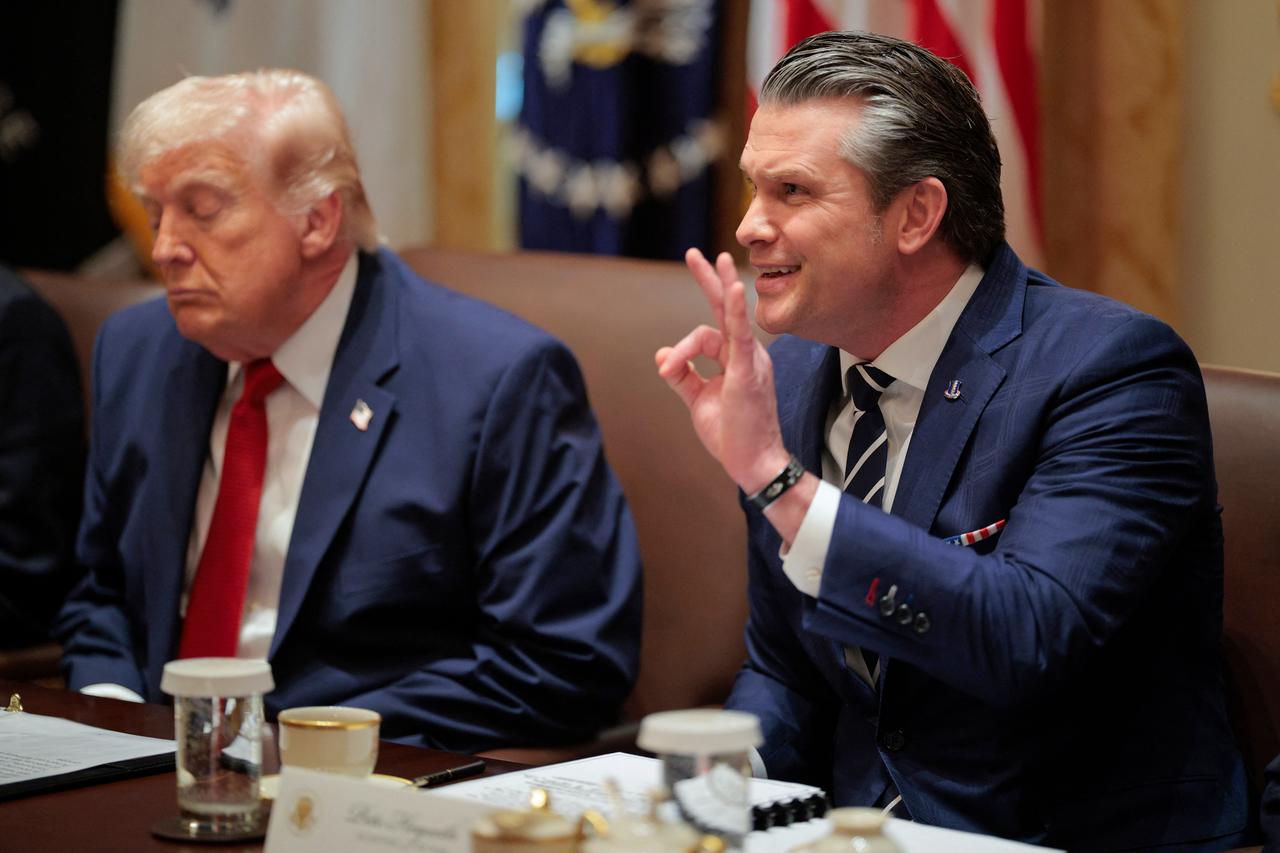
Trump framed the trade-off bluntly at a private lunch before the release. "It's not possible for us to take care of day care, Medicaid, Medicare, all of these individual things, they can do it on a state basis," he said. "Military protection" had to be the focus.
The budget request is a proposal that requires congressional approval, and presidential budgets are typically treated as opening positions rather than binding orders.
Democrats and Republicans have expressed shared unease about the scale of the defense increase, with lawmakers from both parties saying the administration has failed to keep them updated on the war's status.
Only months ago, Congress rejected some of the same domestic cuts when approving spending for the current fiscal year. The fuller budget details are expected later, but analysts warned the proposals could add trillions of dollars to the federal debt over the next decade.
The budget reflects the administration's political priorities ahead of November's midterm elections, when Republicans hope to maintain their slim majorities in both chambers of Congress.


 Set as preferred source
 Set as preferred source


 1 min read
 1 min read