Newsletters


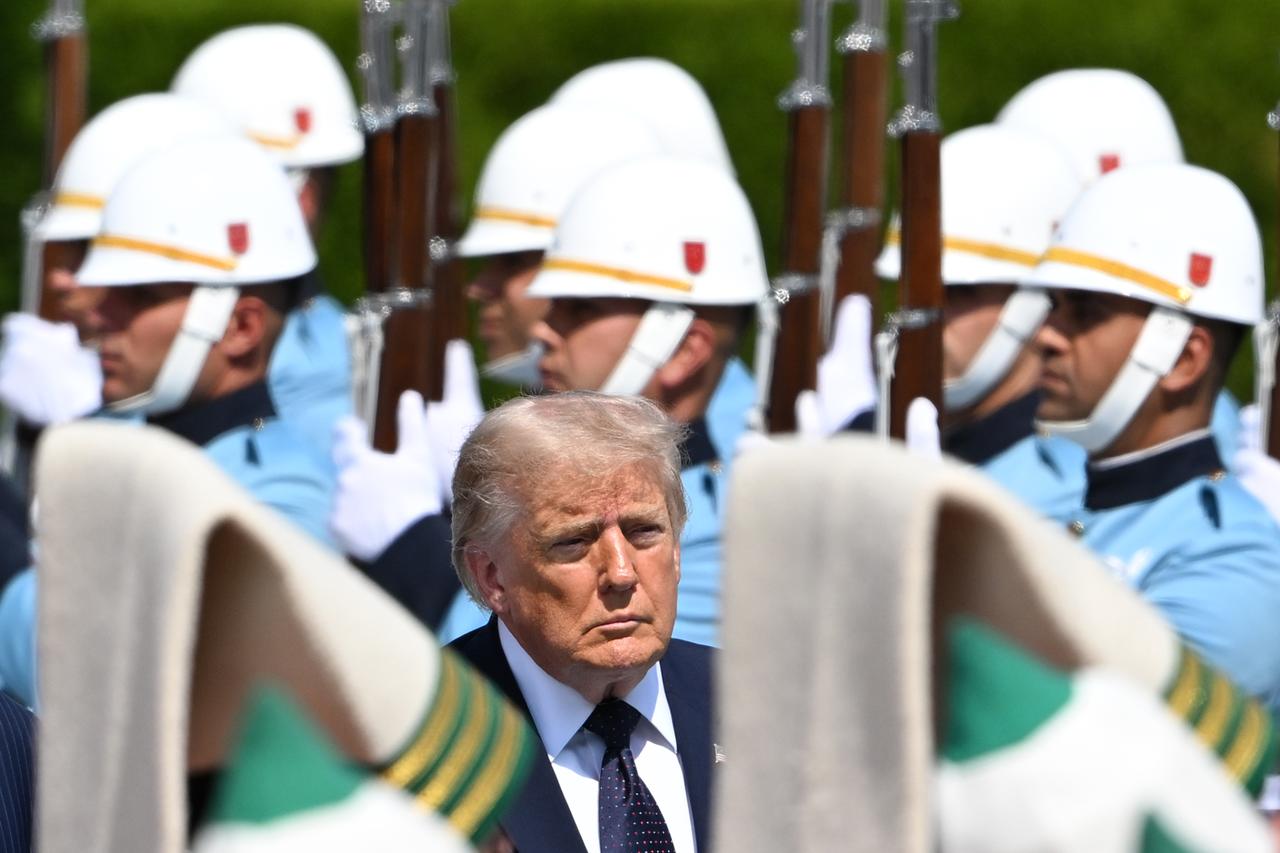


U.S. President Donald Trump used the opening of a NATO summit in the Turkish capital on Tuesday to renew his call for American control over Greenland, telling reporters the territorial dispute had damaged his relationship with the alliance and warning that Chinese and Russian naval activity near the Arctic island made the question one of urgent strategic importance.
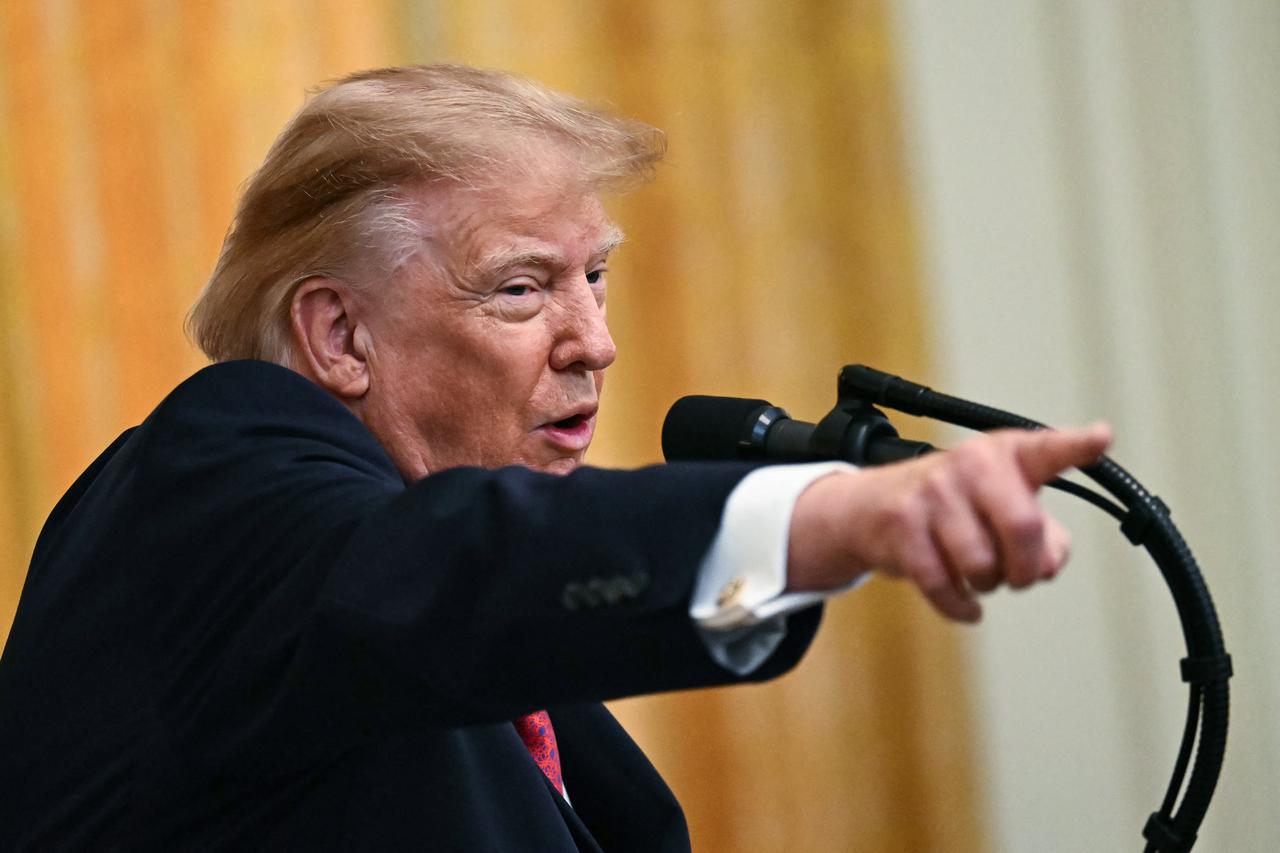
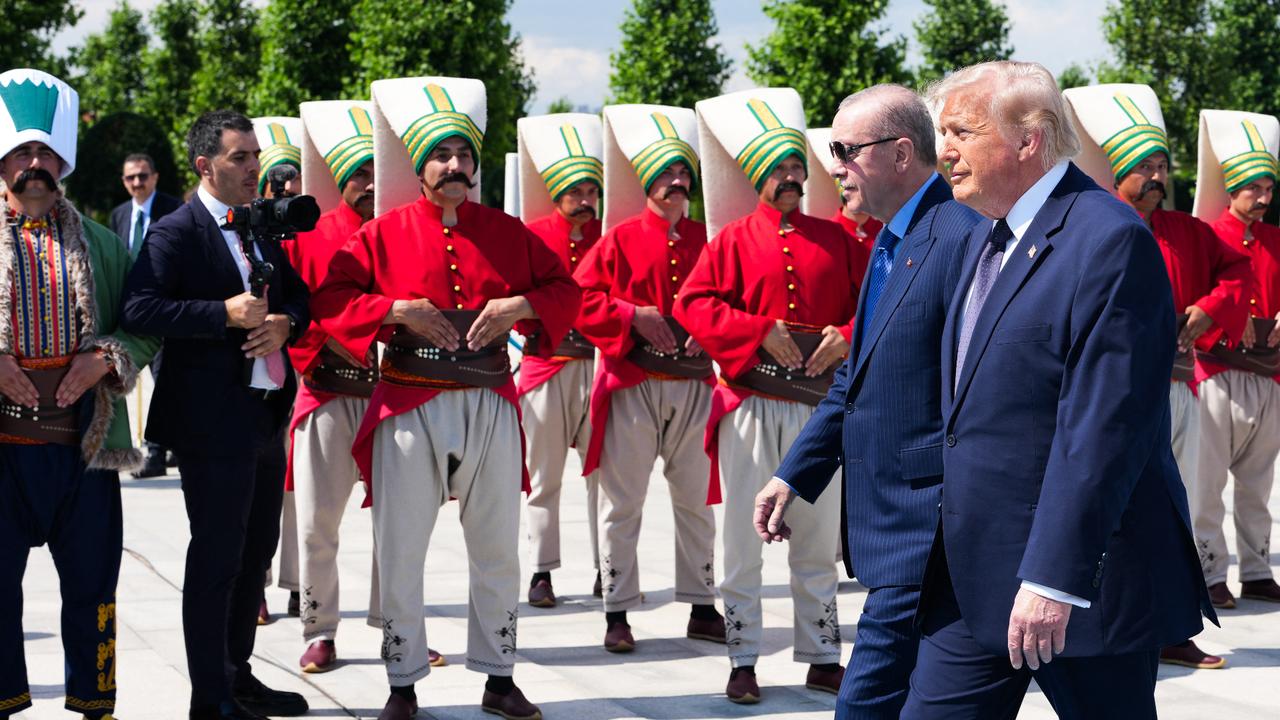
Speaking to journalists during a bilateral meeting with Turkish President Recep Tayyip Erdogan, Trump said Greenland "should be controlled by the United States, not by Denmark," and accused Copenhagen of failing to invest adequately in the territory.
"Denmark doesn't spend money to really help Greenland, but it's an important part for the United States," he said, adding that the island is "surrounded by China ships and Russian ships."
Trump's demands over Greenland, a semi-autonomous Danish territory, have generated sustained tension between Washington and Copenhagen since early in his current term, unsettling two of NATO's founding members and drawing alarm more broadly across Europe.
Since then, according to the source material, the issue has shifted onto a diplomatic track.
U.S. Secretary of State Marco Rubio said in June that conversations with Denmark and Greenland were continuing on a monthly basis.
The United States has considered acquiring Greenland on at least two previous occasions. President Harry S. Truman offered Denmark $100 million for the island in 1946, an offer that was rejected.
Greenland's position astride Arctic shipping lanes and its proximity to North American air defense corridors have long made it a priority for U.S. strategic planners.
Trump framed the alliance's resistance to his Greenland position as a personal and financial grievance, suggesting European opposition had undermined the broader transatlantic relationship.
"That's what hurt my relationship with NATO," he said, pointing to what he described as the scale of American financial support for European defense.
"With all the money we spend to help them with Russia," he added, European allies had nonetheless declined to support the U.S. position on Greenland.
The comments came as NATO leaders gathered in Ankara for a summit centered largely on defense spending, burden-sharing and the alliance's posture in a shifting security environment.
Despite the renewed rhetoric, the Greenland dispute has not derailed the broader NATO meeting.
Secretary Rubio's monthly consultations with Danish and Greenlandic counterparts signal that both sides have chosen negotiation over confrontation, at least for now.
Trump made no indication Tuesday that he was prepared to change the U.S. position, but offered no new escalatory steps either.


 Set as preferred source
 Set as preferred source


 1 min read
 1 min read