Newsletters


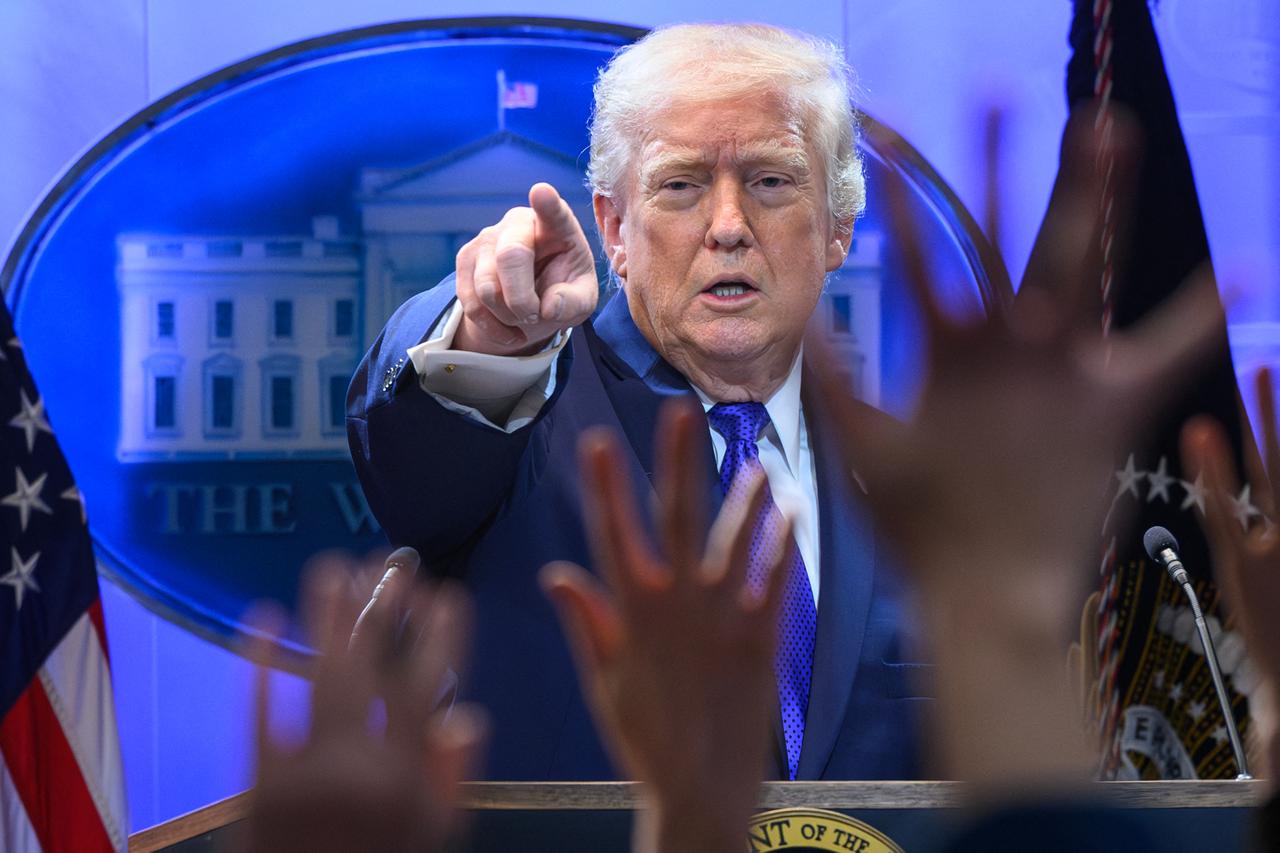


U.S. President Donald Trump vowed Friday to impose a 10 percent tariff on all imports into the United States after the Supreme Court handed him a stinging rebuke by striking down his signature economic policy.
The conservative-majority top court ruled six to three that a 1977 law known as the International Emergency Economic Powers Act, which Trump relied on to erect sweeping trade barriers across virtually all US trading partners, "does not authorize the president to impose tariffs." Chief Justice John Roberts, writing for the majority, was blunt: "IEEPA contains no reference to tariffs or duties."
The decision marked Trump's biggest defeat at the Supreme Court since returning to the White House and immediately threw billions of dollars in collected duties into legal limbo, with economists estimating the government could owe importers as much as $140 billion in refunds.
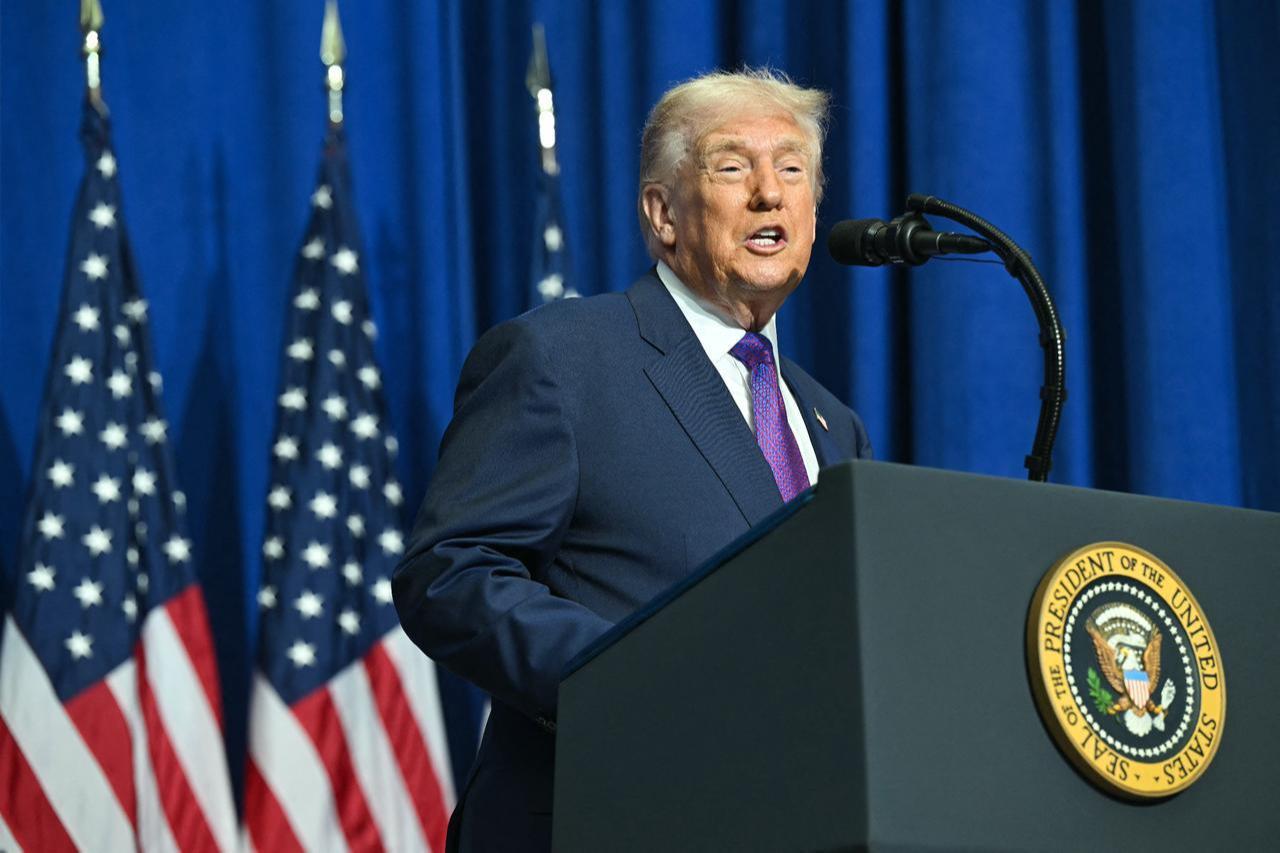

Trump, who nominated two of the six justices who ruled against him, responded with fury, alleging without evidence that the court had been swayed by foreign interests. "I'm ashamed of certain members of the court, absolutely ashamed, for not having the courage to do what's right for our country," he told reporters.
In a characteristic display of defiance, the president insisted the ruling actually left him "more powerful" and announced he would use a separate legal authority to impose a uniform 10 percent tariff. "In order to protect our country, a president can actually charge more tariffs than I was charging in the past," he said. The announcement signaled that while the legal foundation of his trade war had been dismantled, Trump has no intention of abandoning the protectionist posture that has defined his second term.
Trump reserved praise only for Justice Brett Kavanaugh, the sole justice he appointed who sided with him. Kavanaugh joined fellow conservatives Clarence Thomas and Samuel Alito in dissent.
The IEEPA, signed into law by President Jimmy Carter, grants the executive broad authority to regulate economic transactions during declared national emergencies. Before Trump, no president had ever used the statute to impose tariffs. Trump first invoked IEEPA in early 2025 to levy duties on Canada, Mexico and China, citing drug trafficking and immigration as national emergencies, before expanding its use dramatically with his "reciprocal" tariffs announced last April targeting dozens of countries over trade practices Washington deemed unfair.
The court noted that "had Congress intended to convey the distinct and extraordinary power to impose tariffs" through IEEPA, "it would have done so expressly, as it consistently has in other tariff statutes." The Constitution assigns the power to impose tariffs to Congress, though lawmakers have over decades delegated significant trade authority to the presidency through various statutes. The Supreme Court's three liberal justices joined three conservatives in the ruling, which upheld lower court decisions that tariffs Trump imposed under IEEPA were illegal.
The ruling left unresolved a question with enormous financial stakes: whether companies that paid duties under the now-invalidated IEEPA tariffs are entitled to refunds. EY-Parthenon chief economist Gregory Daco estimated the lost IEEPA tariff revenue for the government could amount to around $140 billion.
Kavanaugh, in his dissent, warned that the refund process could be a "mess," as was acknowledged during oral arguments. The question is expected to generate extensive litigation, with more than a thousand refund-related cases already filed in the Court of International Trade.
The ruling did not affect sector-specific duties Trump separately imposed on imports of steel, aluminum and various other goods under different legal authorities. Several government investigations that could lead to additional sectoral tariffs also remain underway.
The Budget Lab at Yale University estimated that consumers now face an average effective tariff rate of 9.1 percent, down from 16.9 percent before the ruling, though it noted this still represents the highest rate since 1946, excluding 2025.
The business community largely welcomed the decision. The National Retail Federation said the ruling "provides much-needed certainty" for American firms and manufacturers and urged lower courts to "ensure a seamless process to refund the tariffs to US importers."
Democratic leaders seized on the outcome. Senate Minority Leader Chuck Schumer called it a "win for the wallets" of US consumers, while California Governor Gavin Newsom, widely expected to seek the Democratic presidential nomination, demanded immediate action. "Every dollar unlawfully taken must be refunded immediately, with interest. Cough up!" he said.
But Senator Elizabeth Warren, the top Democrat on the Senate Banking Committee, cautioned that there remains "no legal mechanism for consumers and many small businesses to recoup the money they have already paid," highlighting the gap between the court's ruling and practical relief for those who absorbed higher costs.
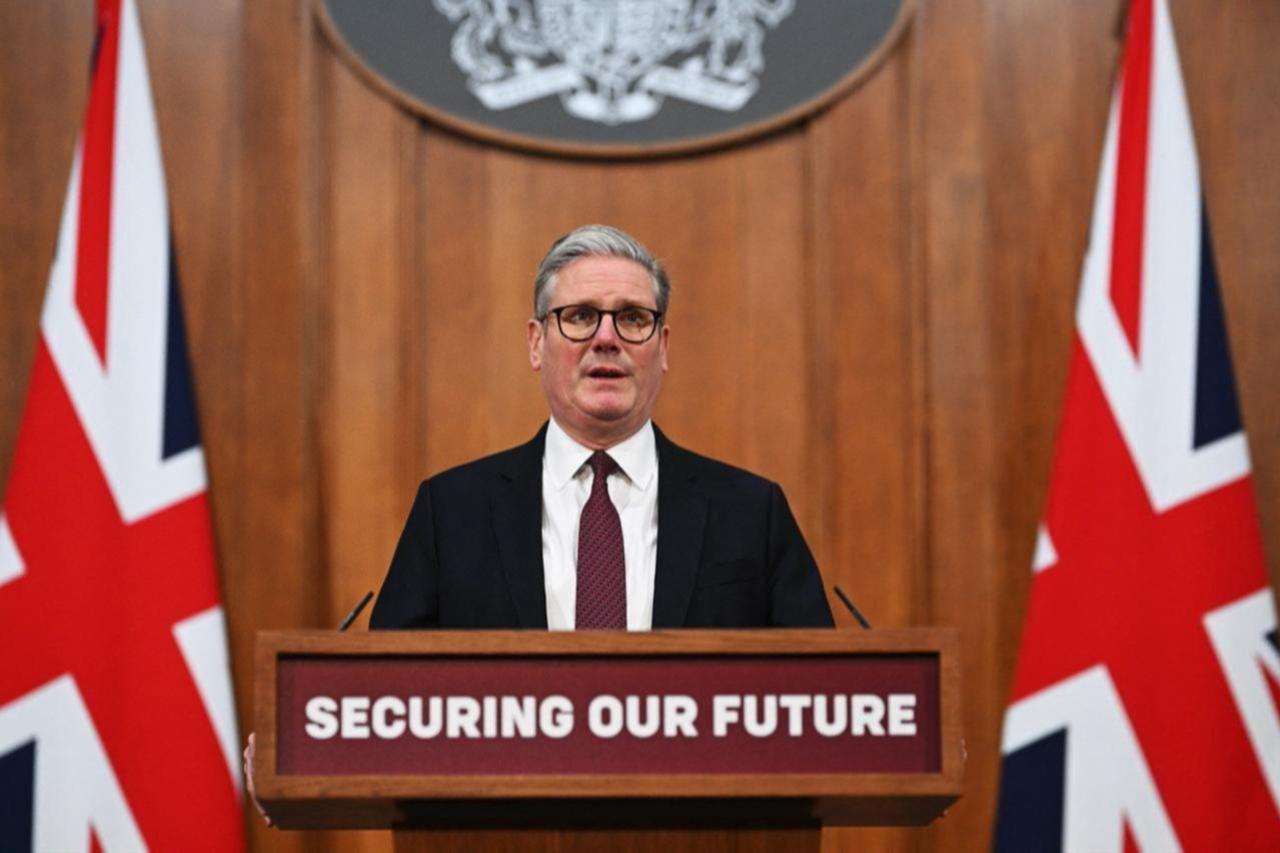
The European Union said it was studying the ruling and would remain in close contact with the Trump administration. Britain indicated it plans to work with Washington on how the decision affects a trade deal between the two countries, while Canada said the ruling affirmed that Trump's tariffs were "unjustified."
The international reaction underscored the diplomatic complexity left in the decision's wake. Trump spent much of the past year using tariffs imposed under IEEPA as leverage to cajole and punish other countries, imposing various rates spontaneously in pursuit of diplomatic and economic concessions, the future terms of which now face uncertainty.


 Set as preferred source
 Set as preferred source


 1 min read

 1 min read