Newsletters




United States President Donald Trump's decision, announced on Jan. 12, 2026, to impose an additional 25% tariff on countries trading with Iran should be seen as the institutionalisation of a new strategic policy that goes beyond classic sanctions and directly transforms the global trading system into an instrument of pressure.
This step should not be seen merely as a trade regulation or a protectionist reflex; rather, it signals a structural shift in which Washington is consciously attempting to control international economic dependency networks, conditioning market access on political allegiance, and positioning the American market as a global disciplinary mechanism.
President Trump's tariff move aims to build a “secondary cost regime” that goes beyond the legal and diplomatic limits of sanctions and encompasses third parties. In this context, the target is not only Iran but all actors that continue to maintain economic synchronisation with Iran.
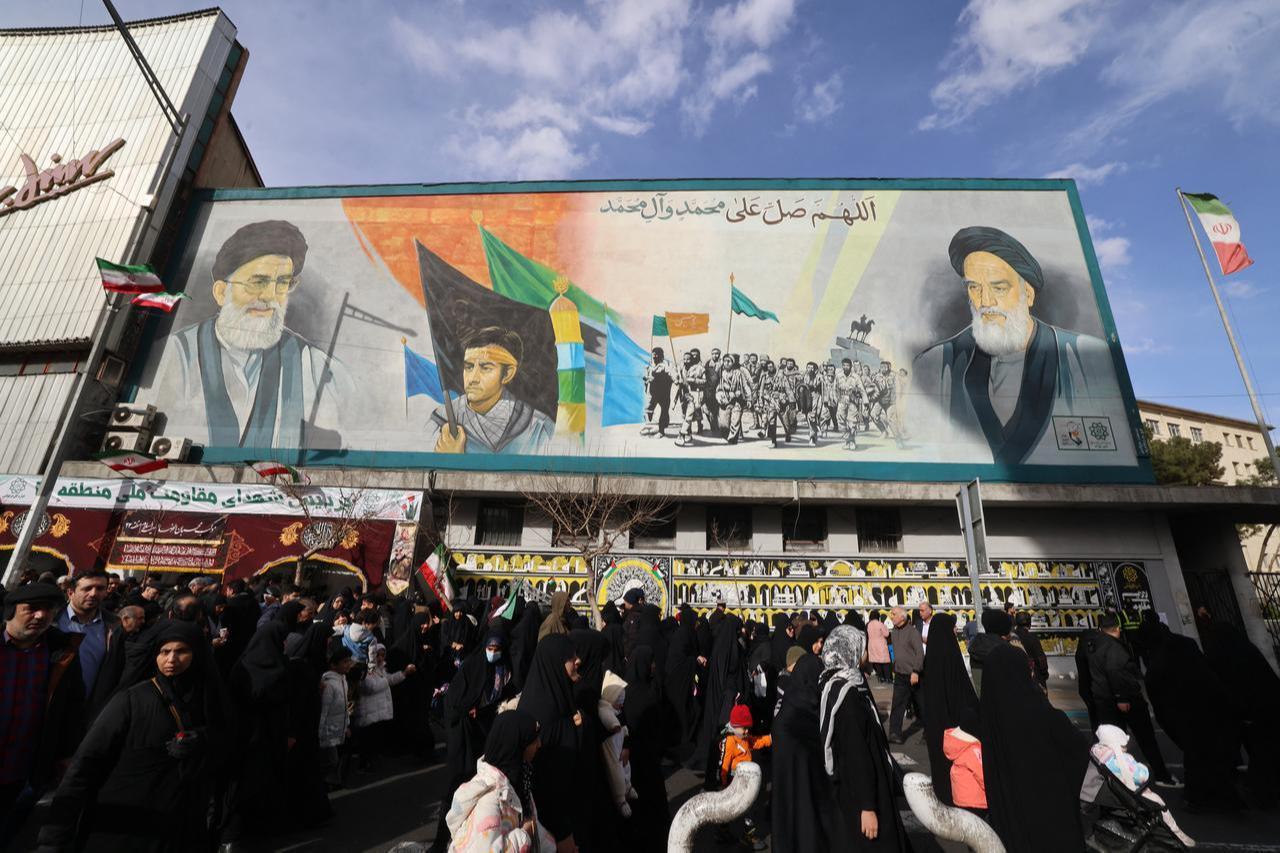

The significance of this move specifically for Iran is that it signals a new phase of geo-economic encirclement, deepening Tehran's exclusion from the global financial system and systematically eroding the regime's capacity for economic survival.
Washington is not content with targeting Iran directly, but is also forcing countries that trade with it to make costly choices. Thus, the alternative trade networks Tehran is attempting to establish at the regional and global levels are being rendered ineffective before they can gain institutional depth. From the Trump administration's perspective, this approach is seen as the lowest-cost and most effective way to weaken the regime, even to undermine it from within, without resorting to military intervention.
Timing is therefore critical. The White House’s decision to implement this measure at the very beginning of 2026 coincides with a period when Iran’s internal political and economic fragility has reached a historic peak.
The most widespread social movements since the 1979 Revolution, the increasing wear and tear of the security apparatus, signs of disintegration within the regime, and the uncontrolled devaluation of the national currency, the rial, have seriously eroded the legitimacy of the Iranian state. The Trump administration aims to close off all economic channels through which the regime could breathe by synchronizing this internal turmoil in Iran with an external financial blockade.
The path Trump is pursuing here is also directly related to his desire to bypass the slow and often fruitless nature of traditional diplomacy. Instead of multilateral agreements, lengthy negotiation processes, and sanctions mechanisms operating within the framework of international law, the central role of the American market in global trade is being transformed into an instrument of pressure.
The message is clear: integration with the world's largest consumer market is no longer an independent right, but a conditional privilege granted only as long as one remains within the boundaries drawn by Washington. Within this framework, the grey areas for allies and rivals are rapidly shrinking, and the ability to pursue a multi-faceted foreign policy is being seriously constrained.
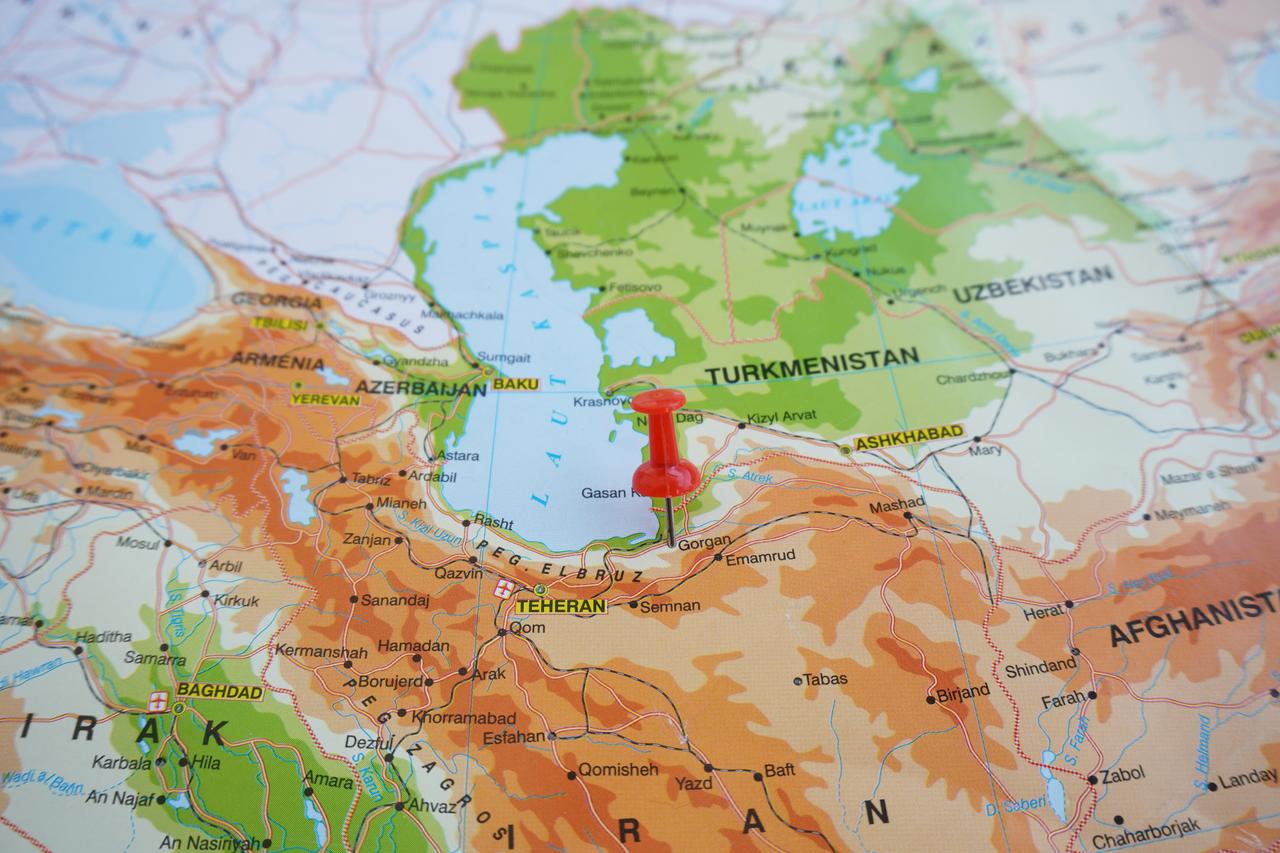
The direct effects of this policy are also being felt in Central Asia. At first glance, one might think that the customs threat targets large economies such as China, Russia and India; however, the real strategic vulnerability lies in the Central Asian states, which have not yet completed their integration into the global trading system and are seeking alternative routes.
Iran is positioned not only as a neighbor to these countries but also as a gateway to the sea, an alternative transit hub in a world surrounded by sanctions, and a critical link for indirect access to Western markets. Tehran's diplomatic and economic outreach to Central Asia throughout 2025, within the framework of its “Look East” strategy, is of vital importance in this context.
However, Trump's 25% tariff threat is fundamentally undermining this strategic framework. The pragmatic cooperation models developed with Kazakhstan and Uzbekistan are losing their sustainability in the face of this new geo-economic reality.
The agreements signed in Astana in December 2025, which aim to transport Kazakhstan's energy and agricultural products to the open seas via Iran, may have to be reassessed in light of the loss of competitive power in the American market and the risk of possible sanctions. Similarly, the global trade integration envisaged for Uzbekistan via the Chabahar Port may emerge as a significant cost and political risk factor.
At this point, the fundamental question for Central Asian capitals is becoming increasingly pressing: Can the logistical advantages provided through Iran compensate for the direct and indirect losses incurred in trade with the United States?
Washington is deliberately intensifying this question and effectively forcing every actor trading with Iran to make a choice. Thus, Central Asian countries are being left facing the risk of punishment in the American market to the extent that they maintain economic relations with Iran.
Central Asian states have historically been actors that have succeeded in striking a balance between major powers through a multi-vector foreign policy approach. This delicate balancing act between Moscow, Beijing and Washington has, until now, provided the countries in the region with a relative degree of manoeuvring space. However, Trump's rigid policy, based on the “you're either with us or against us” approach, is increasingly rendering this balancing act unsustainable.
Iran's vision of establishing a joint transit basin in the region may come into direct conflict with Central Asia's fundamental priorities of economic stability, regime security and avoiding external pressure.
 1 min read
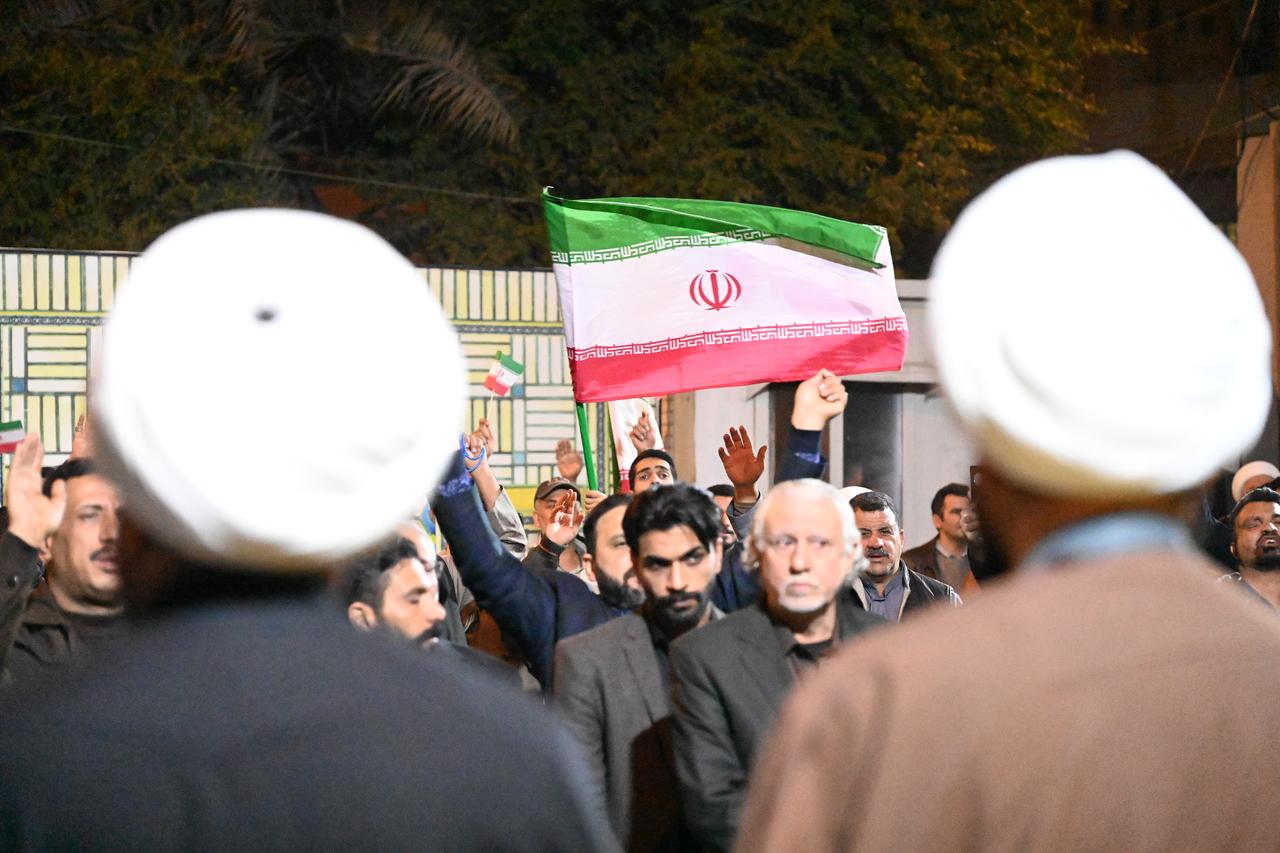
The deepening instability within Iran and the regime's struggle to maintain order even within its own borders are seriously undermining Tehran's perception as a reliable long-term partner. Under these conditions, engaging in multi-billion-dollar, long-term transit and energy projects with Iran may cease to be a strategic opportunity for Central Asia and instead be viewed as a high-risk liability. This is because Trump's customs policy directly targets the lifeline corridor Iran is attempting to build through Central Asia, rendering this route economically unsustainable.
Consequently, Iran is entering the first quarter of 2026 under the pressure of American sanctions, compounded by the cost-focused silence and cautious distance of its closest neighbours. For Central Asia, Iran has begun to represent not so much a secure gateway to global markets, but rather an expensive and uncertain dead end, with transit fees levied as a 25% additional duty at American customs.
Therefore, the current situation and possible scenarios (especially in an environment where U.S.-Central Asian relations are going very well) indicate that Central Asian countries will not oppose the Washington administration. Trump's tariff move, meanwhile, stands out as one of the most striking examples of how trade has become a strategic weapon in the 21st-century power struggle.


 Set as preferred source
 Set as preferred source


 1 min read