Newsletters


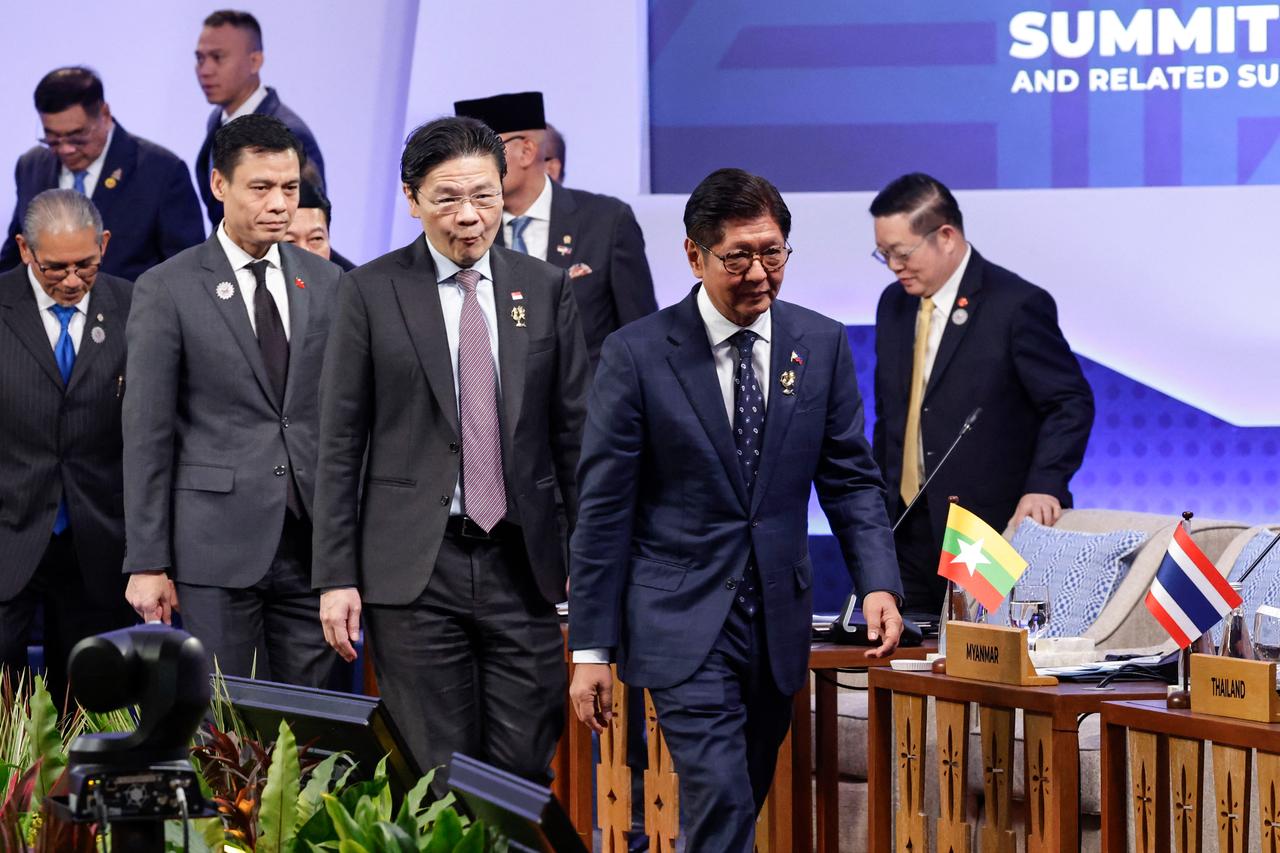


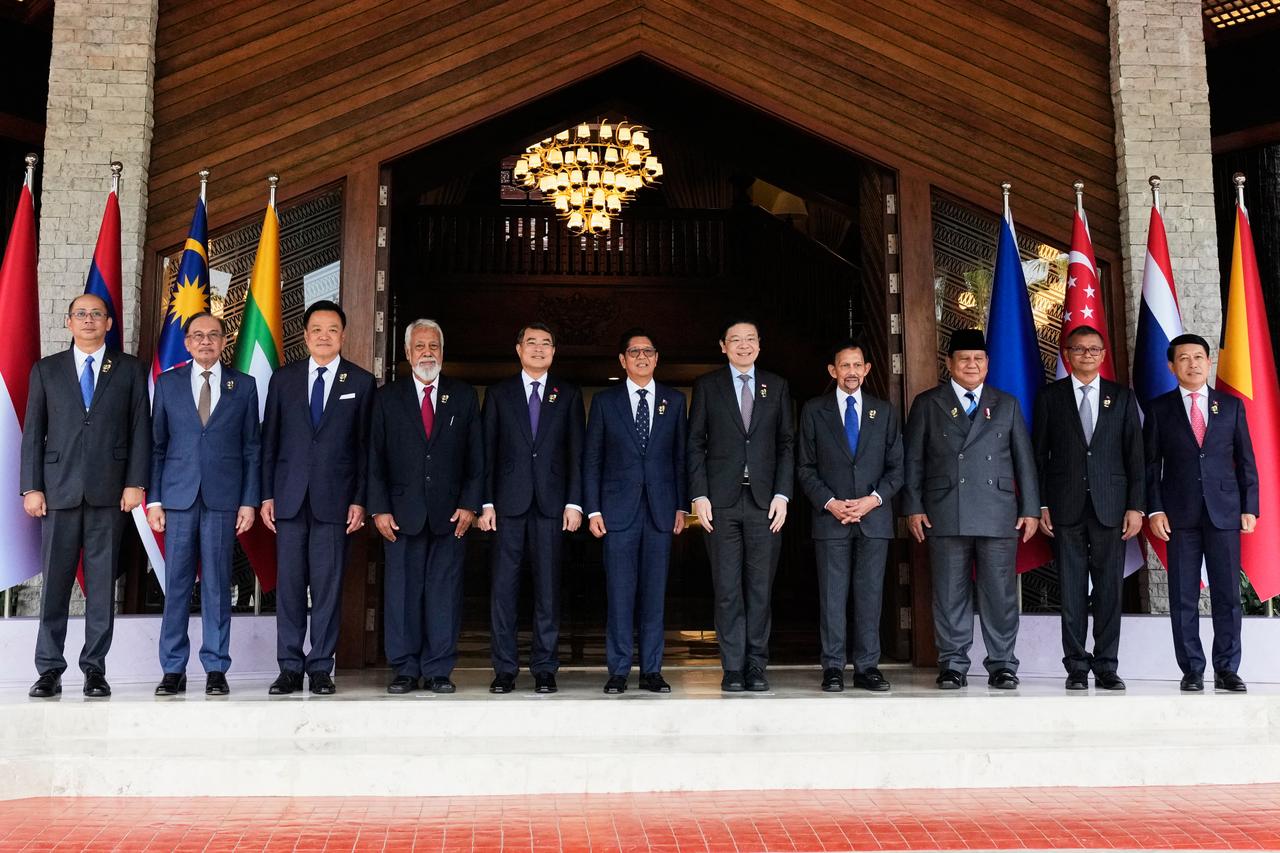
Southeast Asian leaders gathered in Manila on Sunday for the 11-member Association of Southeast Asian Nations (ASEAN) summit, with U.S. President Donald Trump's trade tariffs, the Middle East crisis and regional tensions dominating discussions ahead of his scheduled arrival Tuesday.
Trump is expected to meet leaders of the Quad grouping, comprising the U.S., India, Japan and Australia, for the first time during his second term.
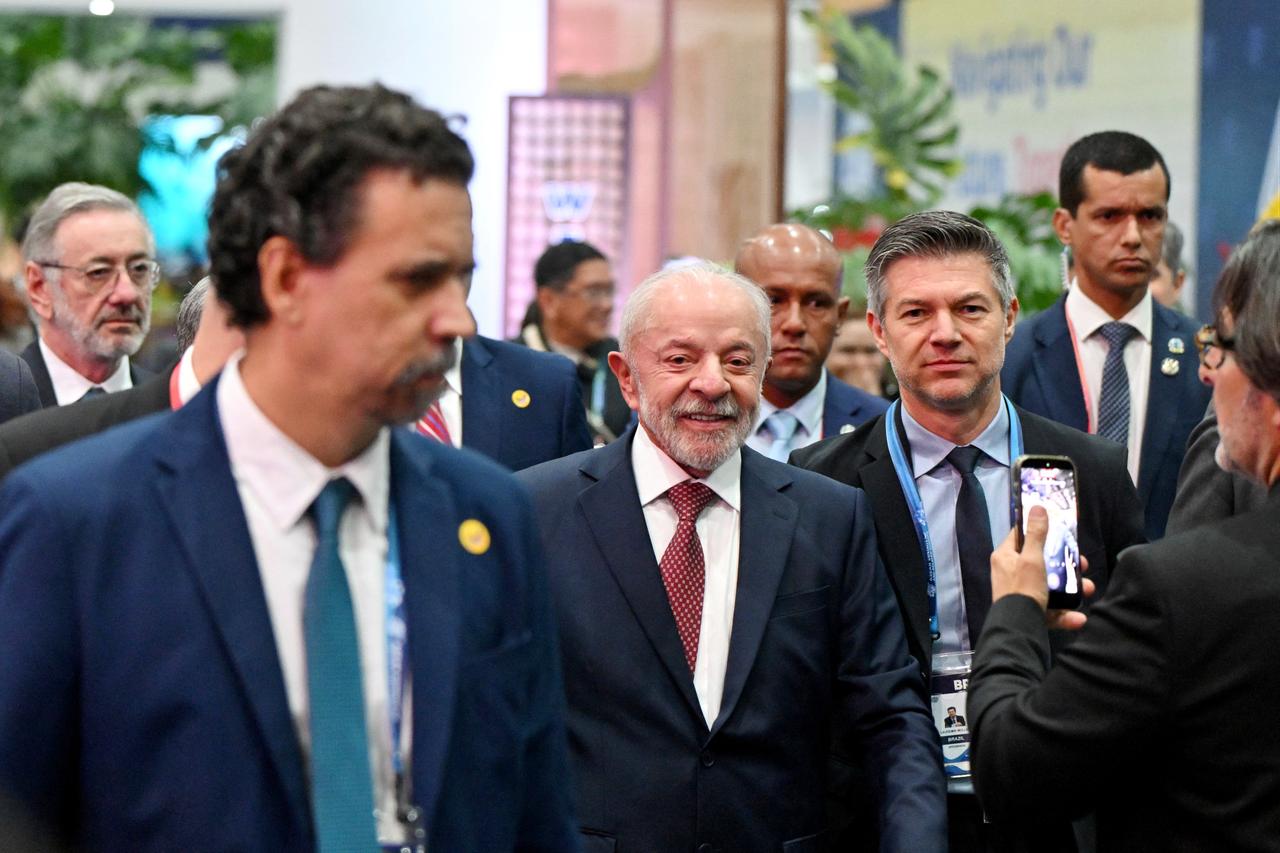

Brazilian President Luiz Inacio Lula da Silva criticized U.S. tariffs, saying his country had sought alternative trading partners rather than requesting concessions from Washington.
"Instead of weeping or begging the U.S. government ... to have pity on us, we decided to look for other partners for us to sell and for us to buy from," Lula said Sunday.
He said Brazil's trade with Indonesia and Vietnam had increased by 15% and 13%, respectively.
Canadian Prime Minister Mark Carney similarly highlighted a new free-trade agreement with the Philippines and substantially concluded ASEAN trade talks, describing them as efforts to reduce reliance on the U.S.
Lula also met Carney, invited him to Brazil and expressed hopes of doubling bilateral trade.
Meanwhile, nearly 20,000 police officers have been deployed across Manila ahead of planned mass protests Tuesday.
Demonstrators oppose the U.S. Pax Silica initiative, aimed at countering China's semiconductor and rare earth dominance, particularly a proposed 1,620-hectare AI manufacturing hub north of Manila that threatens to displace Indigenous families.
On Sunday, around 200 protesters clashed with police, with at least three taken away by officers, according to Agence France-Presse (AFP) reporters.
ASEAN leaders also discussed Myanmar, excluded from high-level meetings since the 2021 military coup that ousted Aung San Suu Kyi's elected government and triggered civil war.
Thailand has called for Myanmar's foreign minister to return to ASEAN meetings, while a joint statement Sunday supported "calibrated engagement" conditional on progress toward a five-point peace plan that Philippine President Ferdinand Marcos previously acknowledged had stalled.
Meanwhile, negotiations over a South China Sea Code of Conduct with China remain unfinished.
Philippine Foreign Secretary Theresa Lazaro, who previously said talks were 80% complete, expressed hope that Singapore would conclude negotiations when it assumes ASEAN's chairmanship in 2027.
China claims most of the disputed waters despite an international ruling rejecting the legal basis of its claims. Repeated confrontations with Philippine forces included a clash between sailors shortly before an ASEAN meeting in July.
ASEAN leaders are scheduled to meet Chinese Prime Minister Li Qiang on Monday.


 Set as preferred source
 Set as preferred source


 1 min read

 1 min read