Newsletters


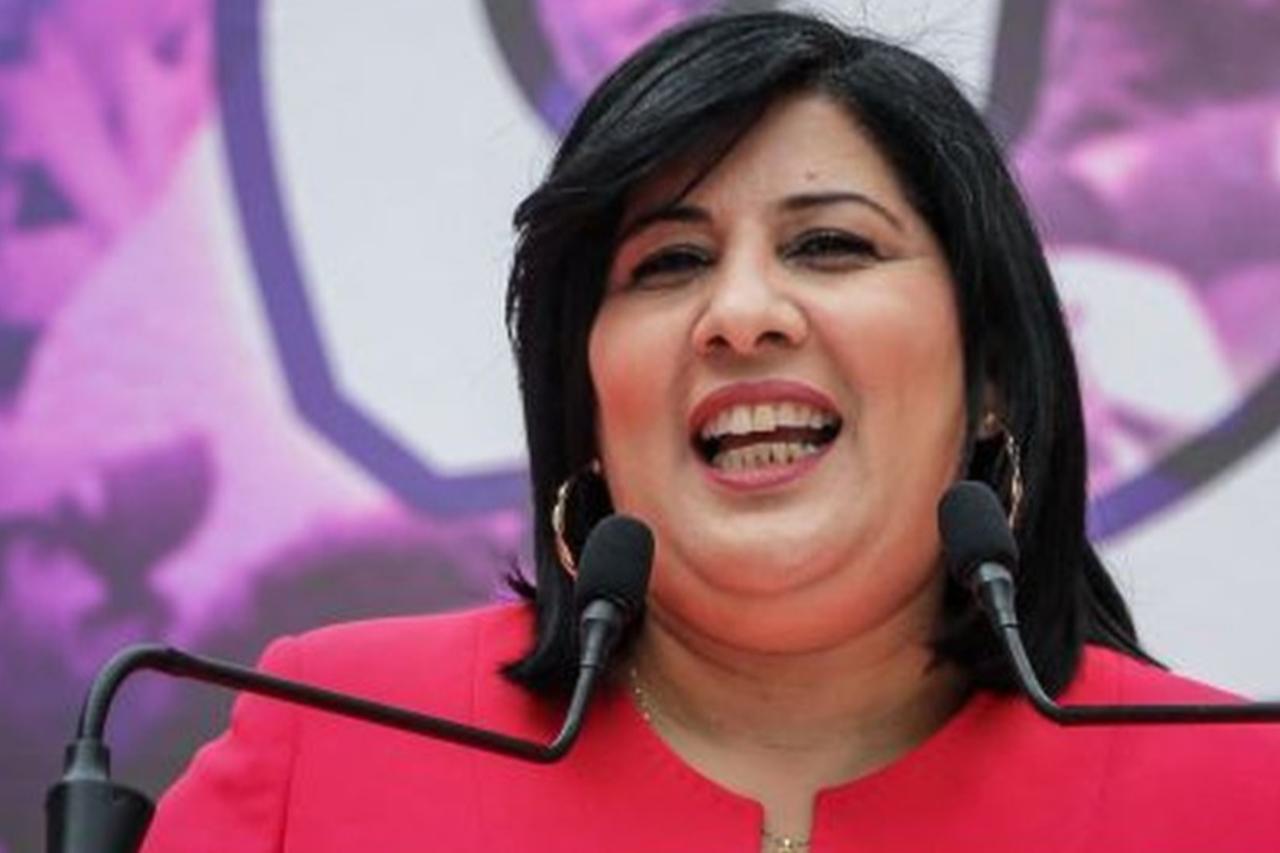


A Tunisian court sentenced opposition figure Abir Moussi to an additional 12 years in prison on Friday for allegedly attempting to change the country's form of government, marking the third conviction against the jailed political leader in less than two years.
Moussi's lawyer confirmed the sentence to AFP, which stems from her October 2023 arrest outside the presidential palace. The Free Destourian Party leader has remained in custody since that incident, where her party says she was attempting to file legal appeals against President Kais Saied's decrees.
The verdict adds to a mounting legal campaign against one of Tunisia's most polarizing political voices, who has positioned herself as an opponent of both Saied's increasingly authoritarian rule and the Islamist-inspired Ennahdha movement that dominated Tunisian politics following the country's 2011 revolution.
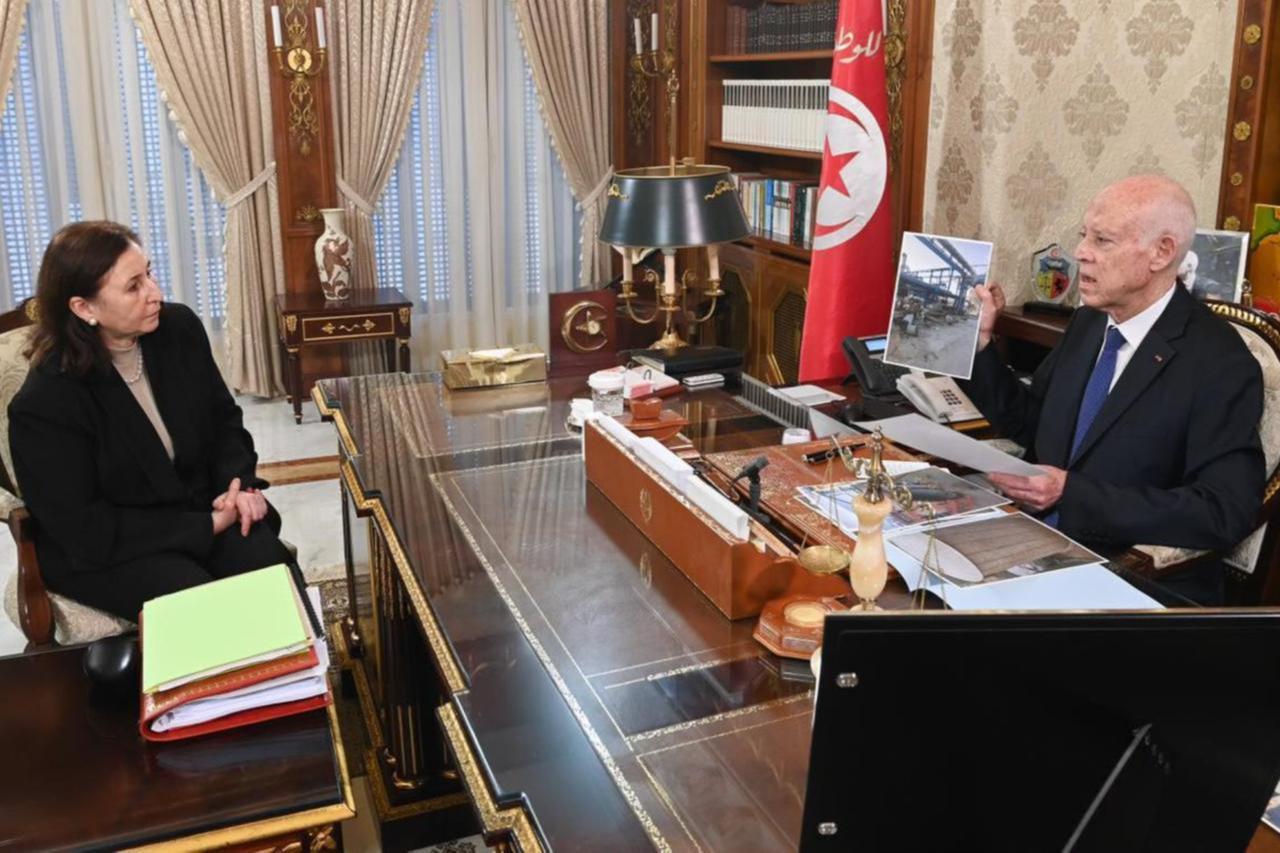

Friday's conviction comes as the latest chapter in Moussi's legal troubles under Saied's government. In Aug. 2024, she received a two-year sentence under Decree 54, legislation enacted by Saied in 2022 that criminalizes the spread of what authorities deem "false news." That sentence was subsequently reduced through the appeals process.
Just one month after completing her initial prison term in June, Moussi faced another two-year sentence under the same controversial decree. Her lawyers are currently appealing that conviction.
The Free Destourian Party issued a statement before Friday's ruling condemning what it characterized as "the injustice suffered by the party's president, Abir Moussi, who has been arbitrarily detained since October 3, 2023."
Moussi occupies a contentious position in Tunisia's fractured political landscape. Critics accuse her of harboring sympathies for the authoritarian era of Zine El Abidine Ben Ali, the longtime president ousted during Tunisia's Arab Spring uprising in 2011. That revolution initially positioned Tunisia as a democratic success story in the region, though recent years have seen significant backsliding.
 1 min read

Moussi's prosecution reflects a wider pattern of government action against opposition voices since Saied consolidated power. The president, who won election in 2019 on an anti-establishment platform, executed a sweeping power grab in 2021 that allowed him to rule by decree, suspending parliament and rewriting the constitution.
Since then, numerous opposition figures have faced imprisonment. A recent mass trial resulted in dozens of political opponents receiving lengthy sentences on conspiracy charges related to state security. Human rights organizations have raised particular concerns about Decree 54, arguing that courts apply the law's vague language to silence legitimate political criticism and dissent.


 Set as preferred source
 Set as preferred source




 1 min read