Sign in
 Newsletters


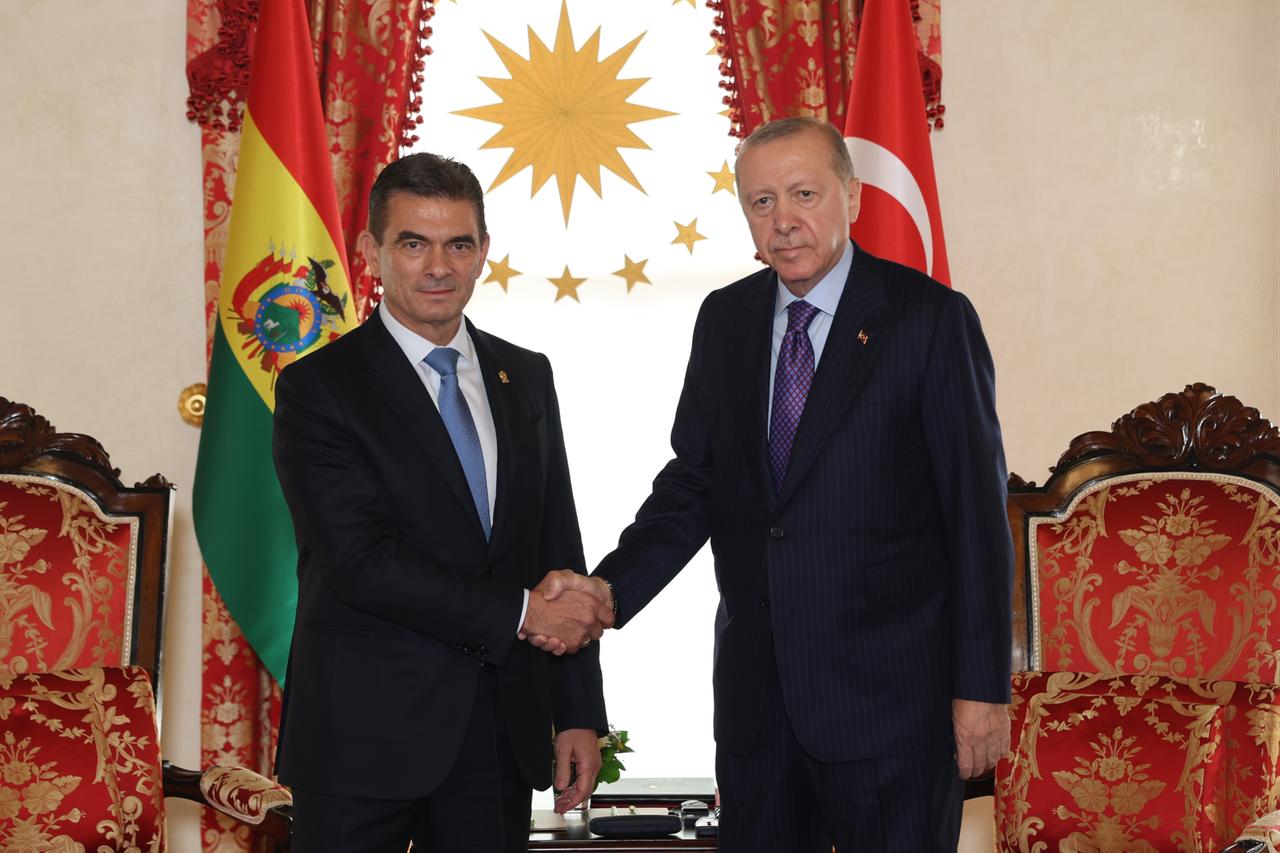


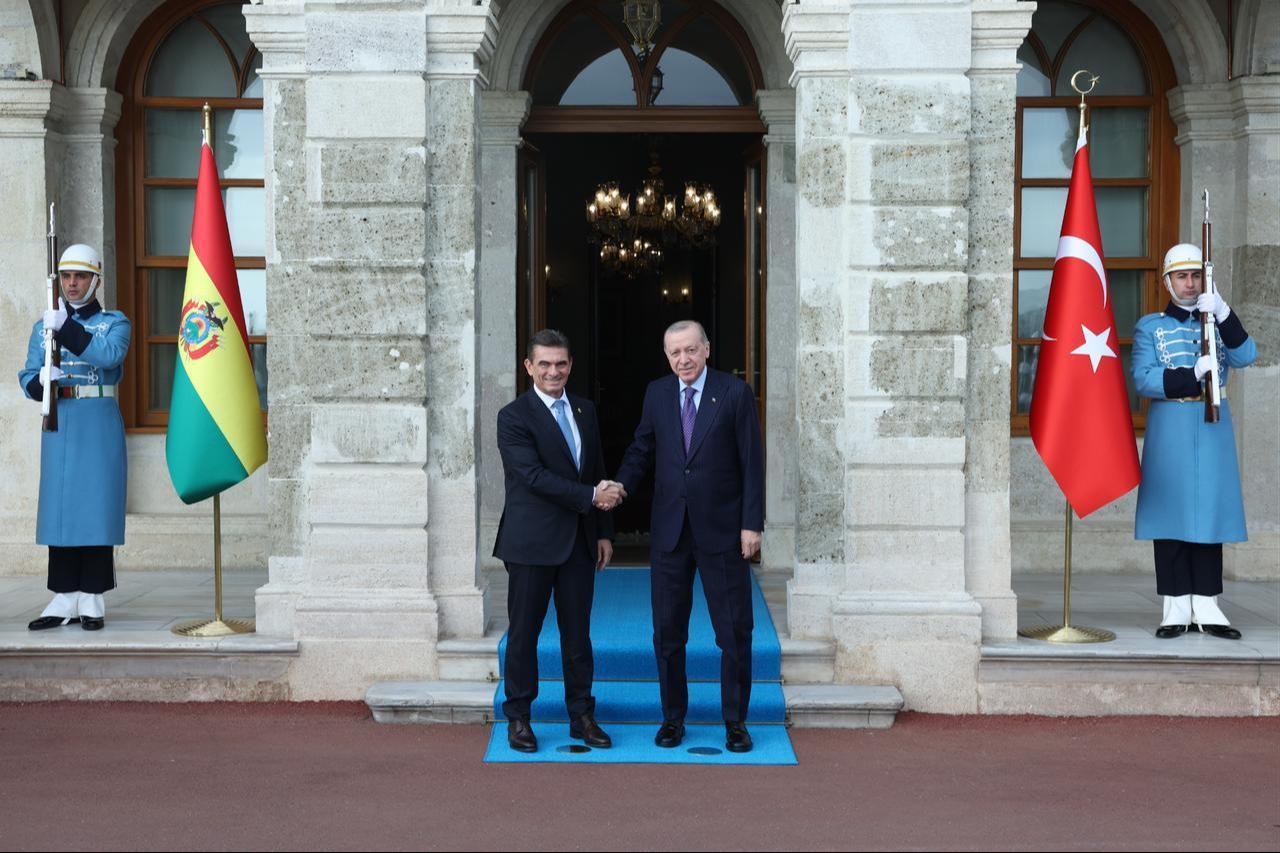
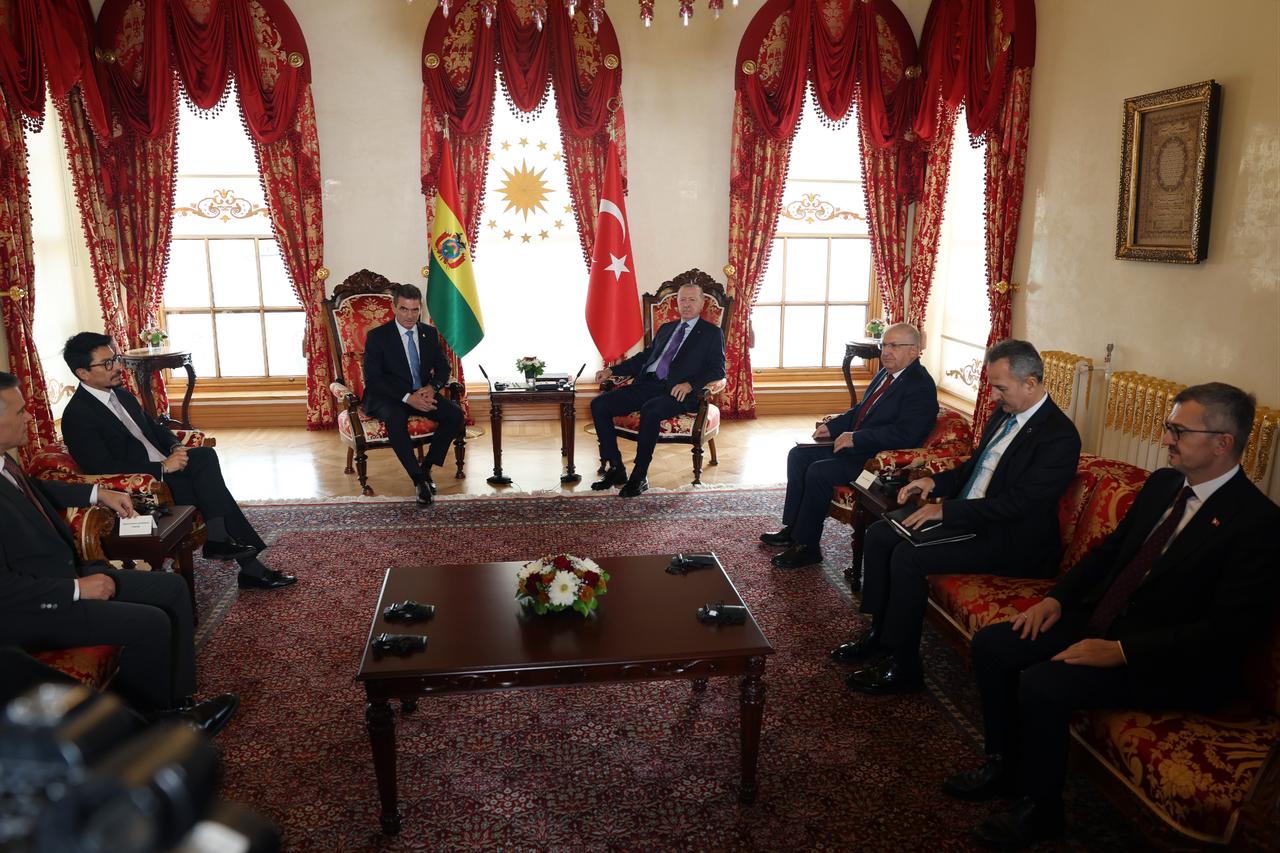
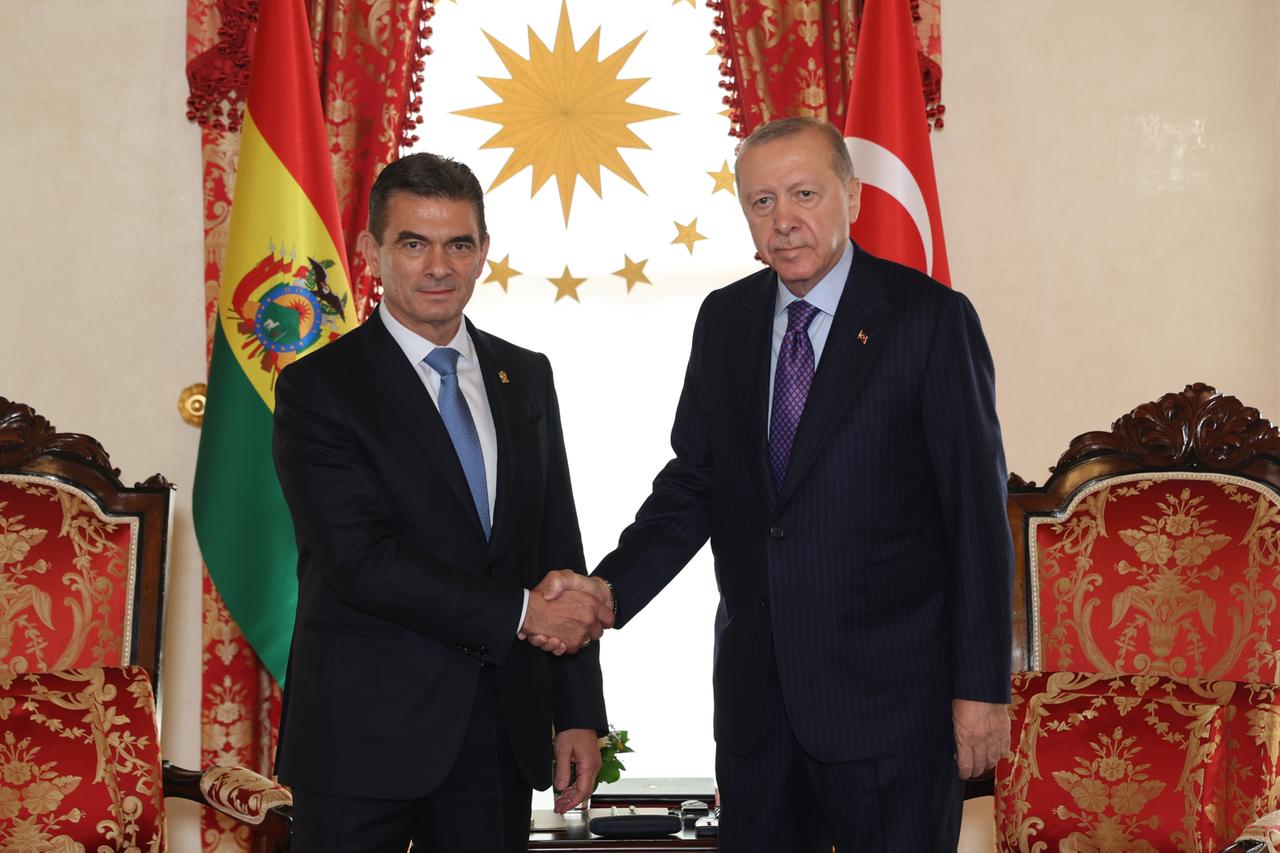
Bolivian President Rodrigo Paz Pereira met with Turkish President Recep Tayyip Erdogan in Istanbul on Nov. 14, following his participation in the COP31 climate summit in Antalya. The meeting, held at the Dolmabahce Presidential Office at Erdogan's invitation, focused on strengthening bilateral relations and exploring new avenues of cooperation, particularly in defense and mining.
Beyond the diplomatic discussions, the visit brought together Turkish business representatives from construction, mining, defense and technology, highlighting growing commercial interest in the South American country.
Speaking exclusively to Türkiye Today, Erdogan Aybogan, chairman of the Türkiye-Paraguay Business Council under the Foreign Economic Relations Board (DEIK), outlined the economic significance of the visit, the agreements under consideration and the opportunities awaiting Turkish companies in Bolivia.
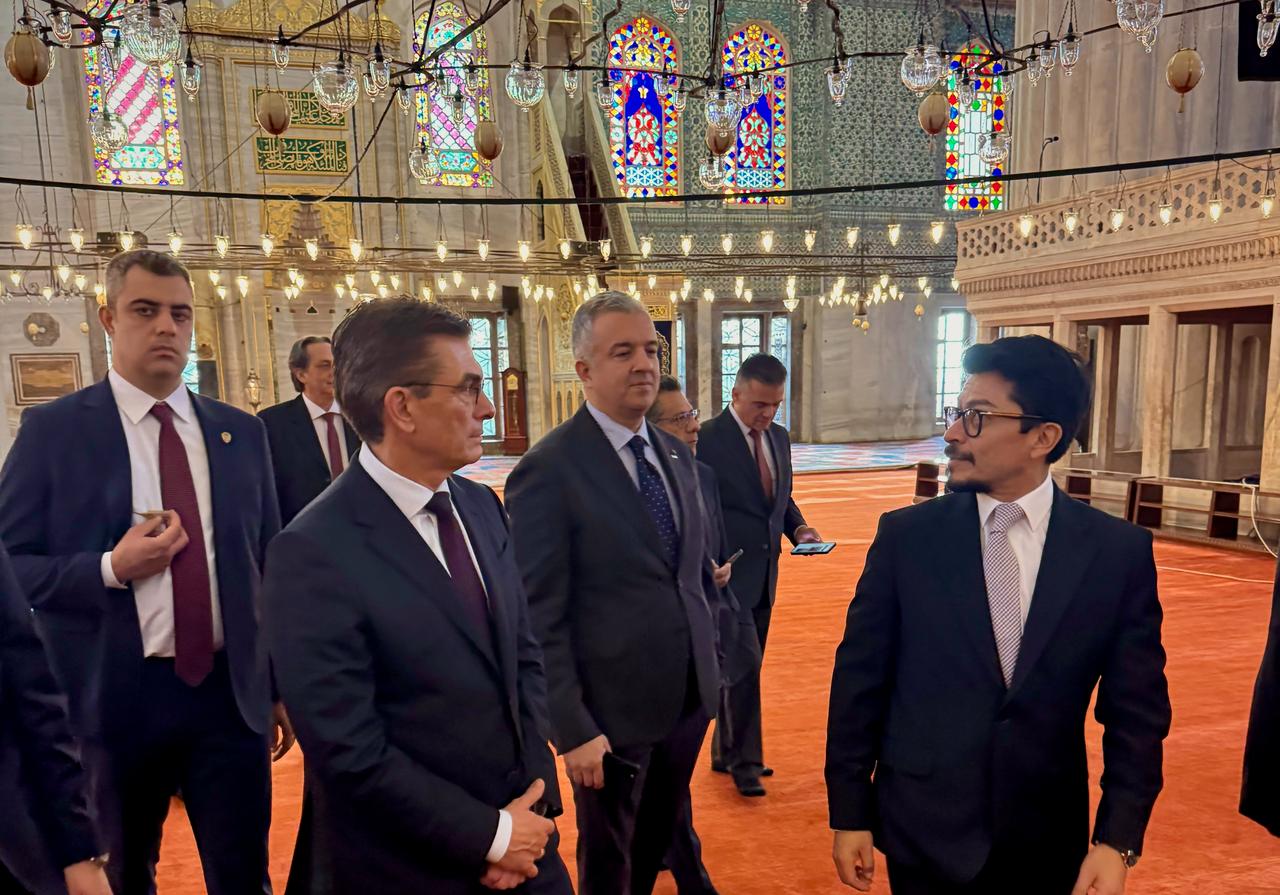

According to Aybogan, defense technologies and mining emerged as the two leading priorities during discussions between Turkish and Bolivian representatives.
Bolivia possesses substantial mineral resources, while Türkiye has developed considerable industrial and technological capabilities that could support their extraction and utilization.
"Türkiye has highly capable, large-scale companies, and Bolivia possesses significant underground resources. This creates important opportunities for cooperation, particularly in mining," Aybogan told Türkiye Today.
He emphasized that Türkiye's advances in defense technologies over recent decades could also provide a foundation for closer bilateral cooperation.
The discussions may soon translate into concrete agreements. Aybogan revealed that an agreement had initially been expected during the visit, but its details remain under review by both countries' delegations.
"We are planning to send a delegation to Bolivia in the coming days, and an agreement will most likely be signed," he said, identifying defense technologies and mining as the immediate priorities.
The anticipated agreement would represent a step toward turning high-level diplomatic engagement into longer-term commercial partnerships.
One of the most significant outcomes of the renewed engagement could be a substantial increase in bilateral trade.
Aybogan said trade between Türkiye and Bolivia had approached $1 billion in previous years, largely driven by transactions involving gold and other metals.
However, he believes the expansion of cooperation into additional industries could substantially increase that figure.
"Our target is to reach $3 billion in trade volume by the end of 2027 following these agreements, and we expect this figure to grow further afterward," he said.
The target reflects ambitions to move beyond trade concentrated in mineral resources toward a more diversified economic relationship.
Aybogan identified infrastructure development, government and public buildings, telecommunications and communication technologies as promising areas for Turkish companies.
Bolivia's agricultural potential and livestock sector could also create opportunities for joint investments and business partnerships.
He said successive business delegations are being planned to strengthen these connections, arguing that a greater Turkish commercial presence would encourage additional companies and industries to explore the Bolivian market.
Despite the opportunities, Aybogan acknowledged that geographical distance and logistical constraints have historically discouraged Turkish companies from entering the Bolivian market.
Located roughly 11,000 kilometers from Türkiye, South America has traditionally presented challenges for Turkish investors, including transportation costs, security concerns and unfamiliar business environments.
Nevertheless, Türkiye's expanding engagement with Latin America over the past three to four years has gradually increased investor confidence and interest, he noted.
Bolivia's geographical position presents both advantages and disadvantages.
Sharing borders with major South American economies, including Brazil, Argentina and Chile, the country offers potential access to a much broader regional market.
However, its landlocked geography complicates international transportation and trade.
Aybogan pointed to Bolivia's arrangements with Peru for access to maritime infrastructure and the potential development of rail and river transportation networks as ways to ease these constraints.
He also mentioned discussions surrounding a major railway project that could improve regional connectivity, although he said Türkiye's possible involvement remains uncertain.
For Turkish investors, these infrastructure developments could eventually make Bolivia a more accessible destination for manufacturing, mining and other investments.
Aybogan's assessment suggests that Bolivia's importance lies not necessarily in its status as Türkiye's leading regional partner, but in the scale of opportunities that remain unexplored.
He described the country as one of the world's relatively underdeveloped investment markets, where existing limitations can also create openings for companies willing to accept calculated risks.
"We cannot say Bolivia is our number one priority, but where opportunities are limited, the potential for new opportunities can be greater," Aybogan said.
As Ankara seeks to expand its economic footprint across Latin America, the challenge will be translating political engagement into sustainable commercial activity.
For Aybogan, the presidential visit marks a promising starting point. Whether the anticipated agreements, business delegations and ambitious trade target materialize will ultimately determine how far Türkiye-Bolivia relations can advance beyond the diplomatic stage.


 Set as preferred source
 Set as preferred source


 1 min read

 1 min read