Newsletters


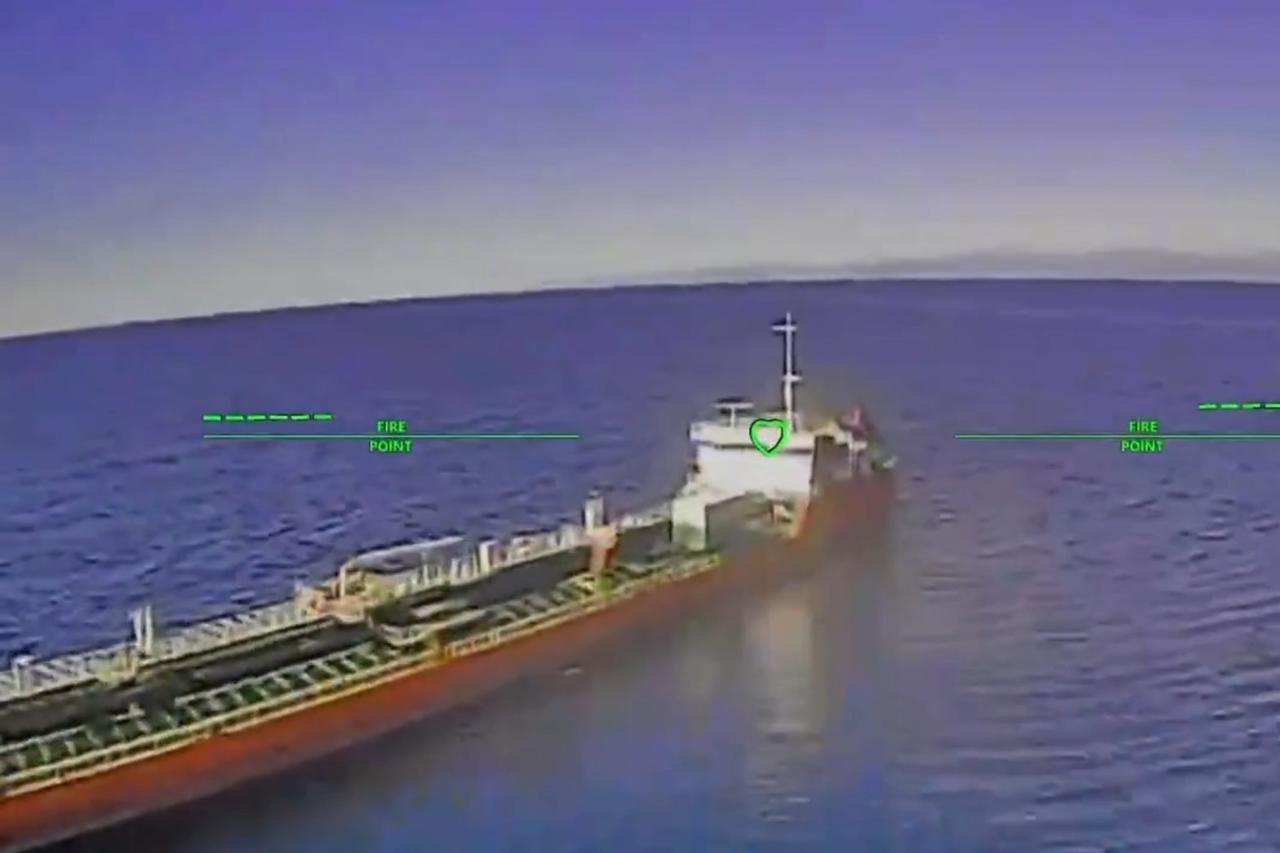


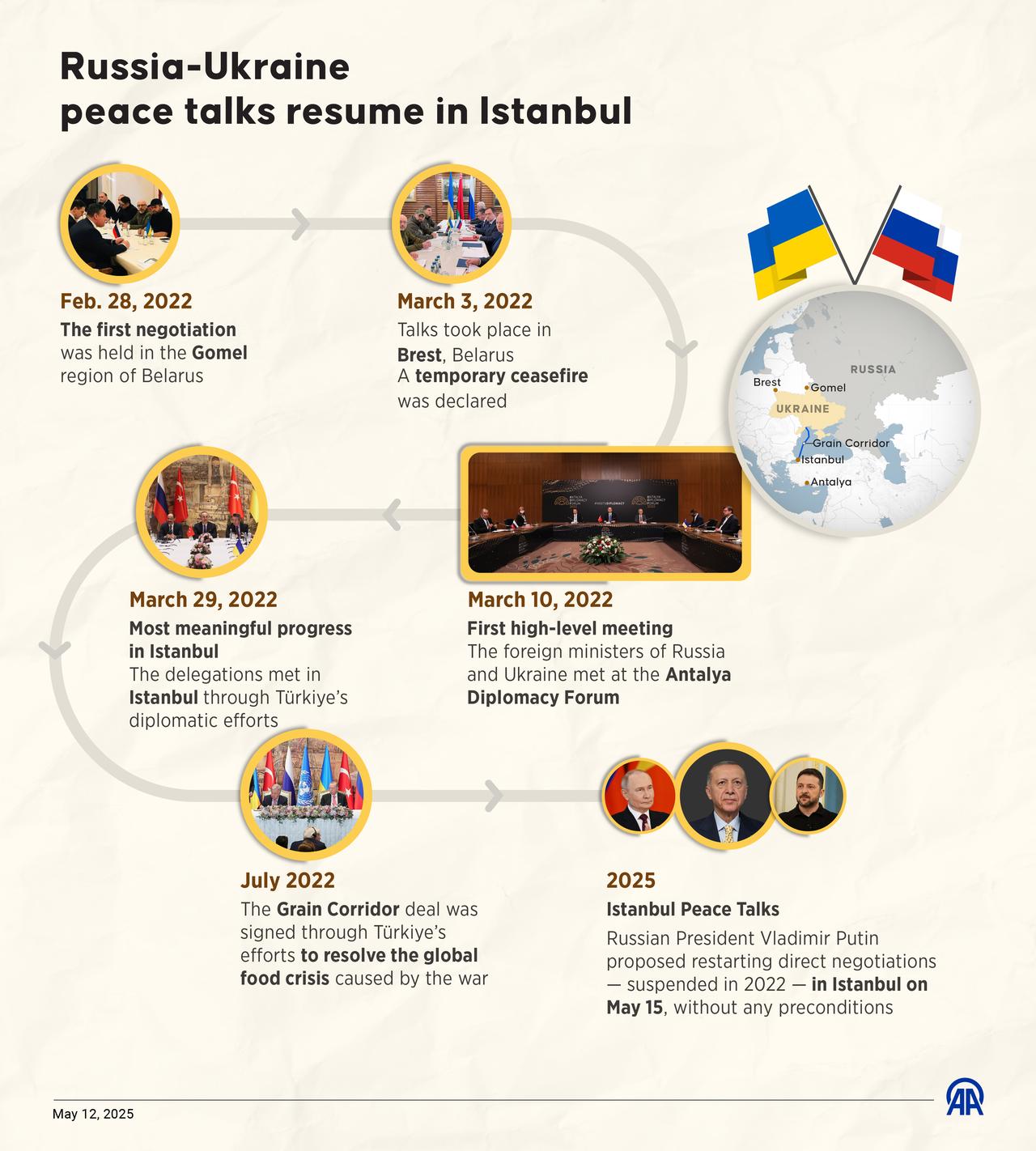
Türkiye has sent a draft proposal to Russia and Ukraine aimed at ending attacks on civilian ships in the Black Sea, a Turkish diplomat told Agence France-Presse (AFP), as the death of a ship's captain in a fresh Russian strike underscored the urgency of the effort.
"We have shared a text of a memorandum, a draft text, with the Russians and the Ukrainians to come up with a solution to those strikes taking place in the Black Sea," the diplomat said.
The diplomat said the new proposal draws on the mechanics of the Black Sea Grain Initiative, the 2022 deal brokered by Türkiye and the UN that allowed safe passage for Ukrainian grain exports.
Although Russia withdrew from that agreement a year later, Ukraine established an alternative route hugging the coasts of Romania and Bulgaria.
"In that mechanism, there is maybe a four- or five-mile gap where the Ukrainian ship has to leave the national territorial waters and travel in international waters, which is the risky part," the diplomat explained.
"So our offer is also inspired by this," the diplomat noted.
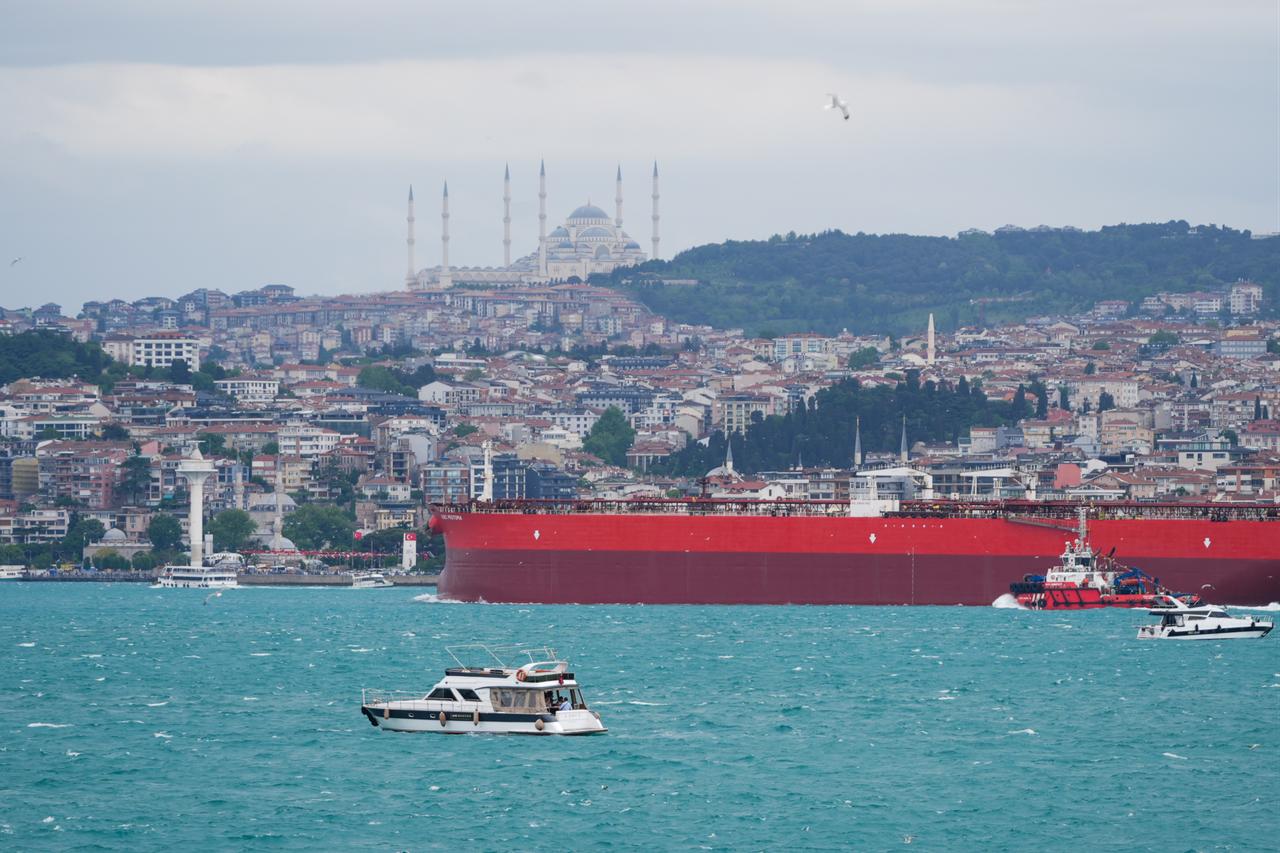
The move comes after at least 25 Turkish-owned vessels have been hit in the Black Sea since late June.
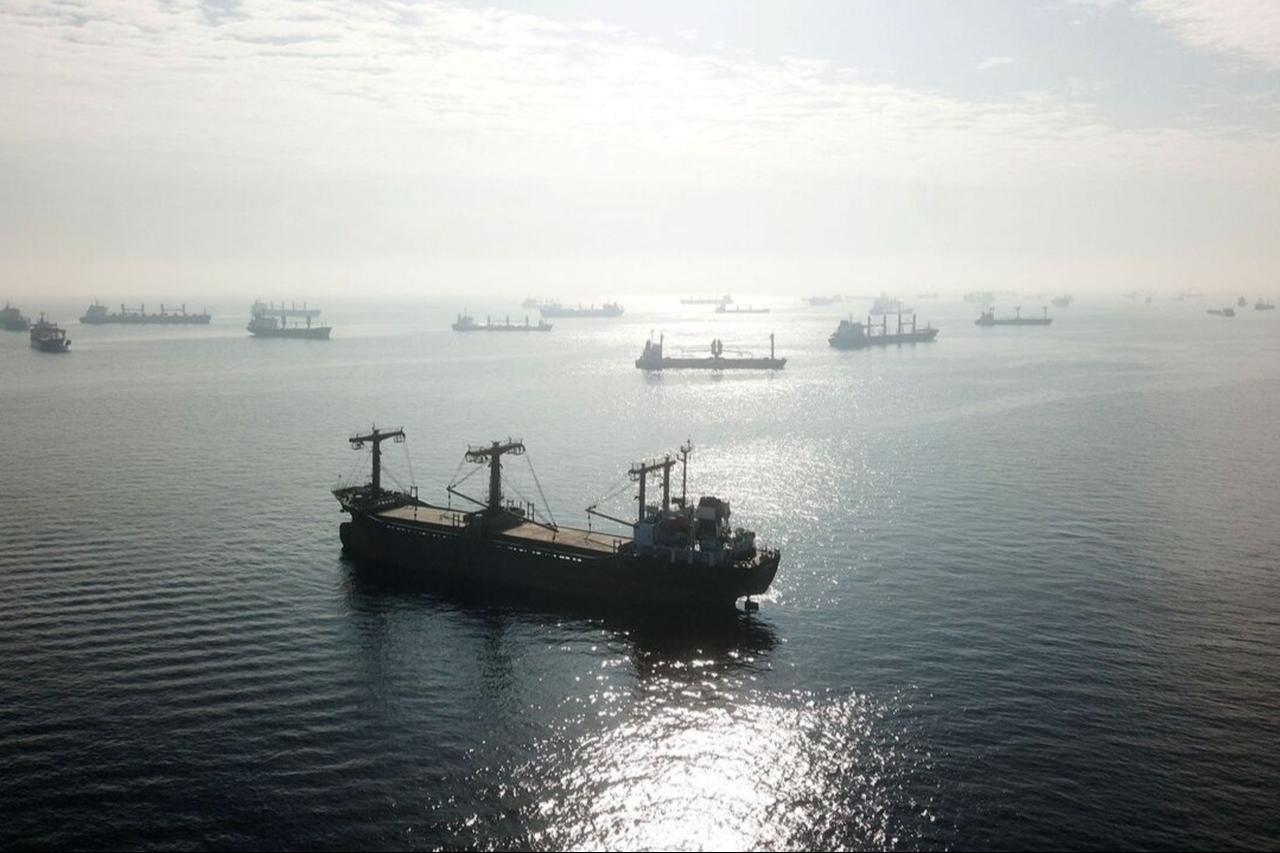

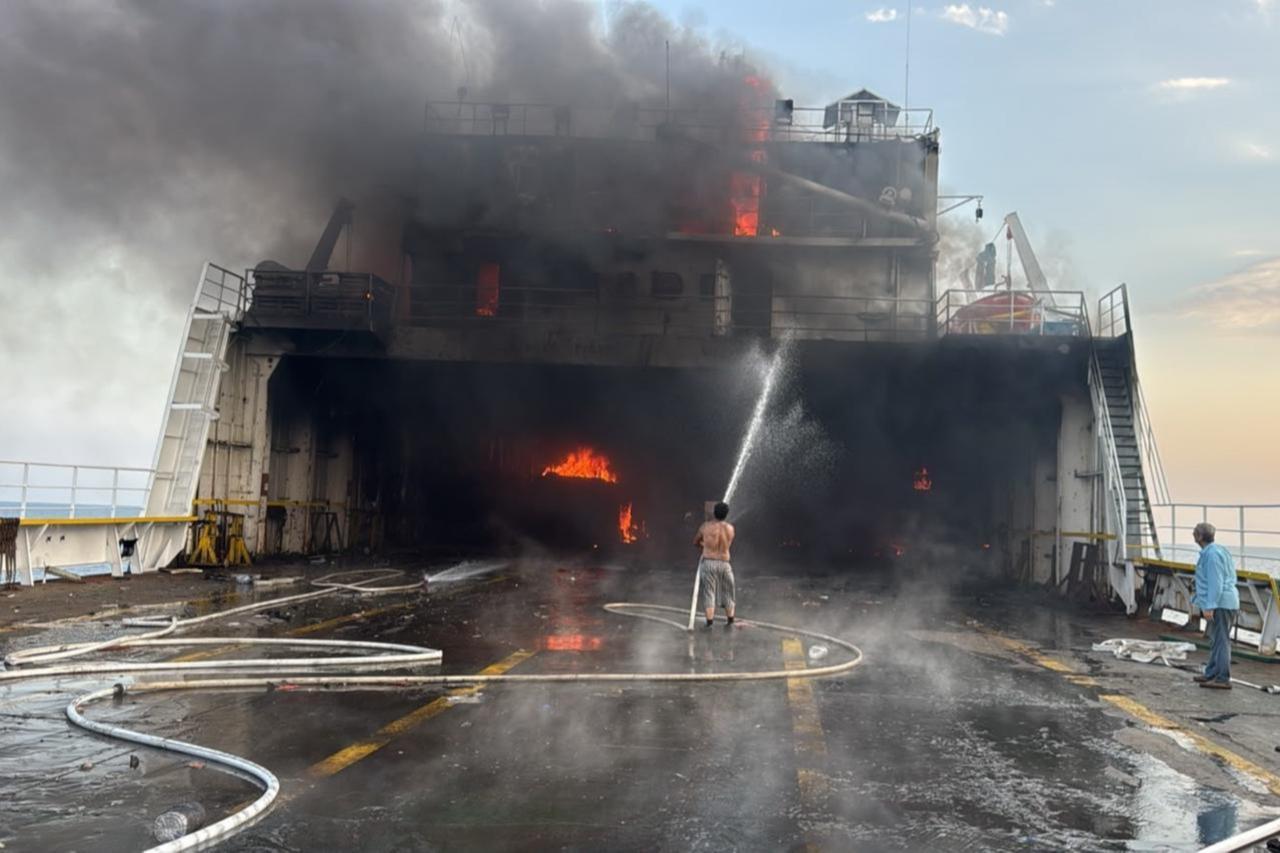
The proposal follows a Russian drone strike on a Tanzania-flagged civilian vessel en route to a Ukrainian port, which killed the ship's captain and wounded three crew members, according to Ukraine's Sea Port Authority.
"As a result of the strike, the ship's captain was killed and three other crew members were wounded," the authority said, without specifying the captain's nationality.
Ukraine's Ministry for Recovery, Infrastructure and Transport said in a statement that "information regarding the vessel's technical condition is currently being clarified," accusing Moscow of systematically targeting Ukrainian port infrastructure and civilian commercial vessels.
"Such attacks create additional risks for crews, international shipping and the stability of logistics routes in the Black Sea," the ministry said, adding that Ukraine continues working with international partners to strengthen protections for civilian shipping.
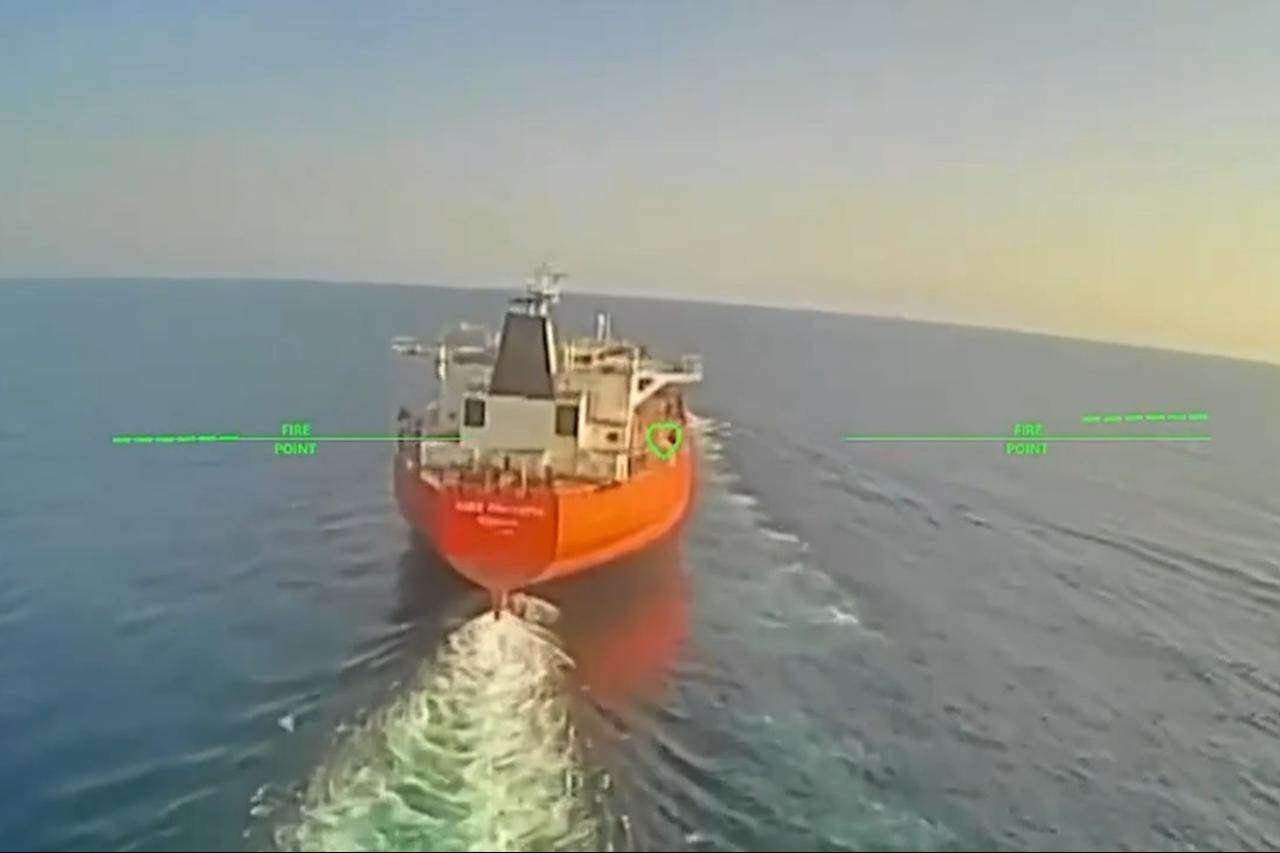
International Maritime Organization (IMO) Secretary-General Arsenio Dominguez separately urged member states to stop actions endangering merchant ships and seafarers, addressing the organization's Sub-Committee on Carriage of Cargoes and Containers in London.
Dominguez warned that geopolitical conflicts were increasingly being used "as a pretext to attack merchant vessels and innocent seafarers."
Since the Middle East conflict began Feb. 28, the IMO has verified 80 attacks on international shipping in and around the Strait of Hormuz, resulting in at least 22 seafarer deaths and numerous injuries.
Dozens more fatalities have reportedly resulted from attacks in the Black Sea and Sea of Azov in recent months, while Houthi attacks in the Red Sea have resumed, with four fatalities confirmed in an Aug. 11 strike on a merchant vessel.
Dominguez said the attacks across these conflicts could not be attributed to a single actor, noting that multiple parties were striking vessels in the Strait of Hormuz, the Black Sea and the Sea of Azov.
While addressing the root causes of these conflicts falls outside the IMO's mandate, he said, their impact on global maritime trade is increasingly evident, and he urged delegates to raise the issue with their governments and relevant international forums.
Türkiye has repeatedly positioned itself as the key broker of Black Sea maritime security since Russia's 2022 invasion.
It helped establish the original Black Sea Grain Initiative, signed in Istanbul in July 2022 by Türkiye, Russia, Ukraine and the UN, under which more than 1,000 ships delivered roughly 33 million metric tons of grain to global markets before Russia withdrew in July 2023.
After the withdrawal, Ukraine built an alternative maritime corridor along the western Black Sea, hugging Romanian and Bulgarian waters, the same route the new Turkish proposal appears designed to make safer by closing the gap in territorial waters where ships remain exposed.
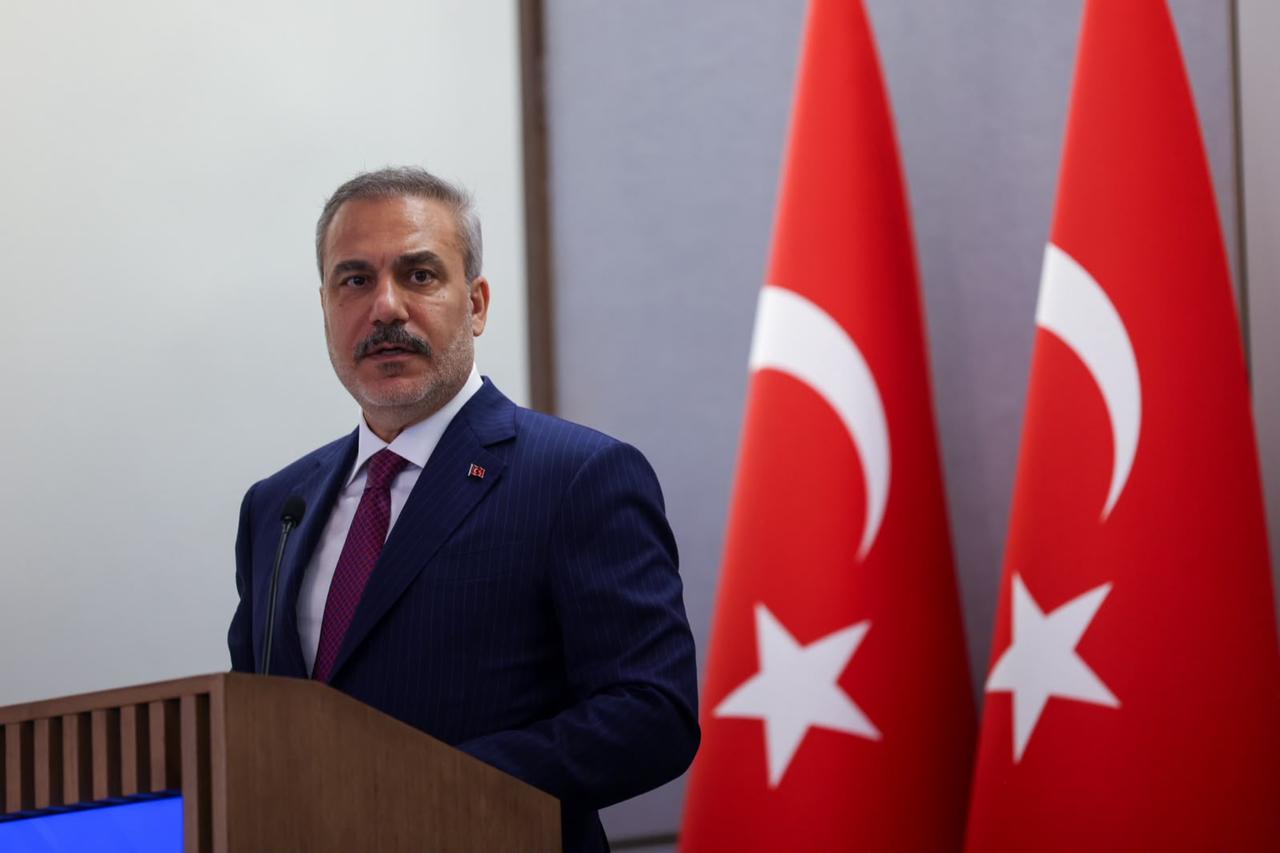
Türkiye had already called publicly for both sides to declare a moratorium on Black Sea attacks earlier this year, with Turkish Foreign Minister Hakan Fidan saying the conflict had "spread across the whole Black Sea" and that vessels of all kinds, not just military ones, were now being targeted "without distinction."
Russia said at the time it had not received any formal Turkish proposal for a moratorium, with Foreign Ministry spokeswoman Maria Zakharova dismissing the idea of a pause as a "half-measure" that would only give Ukraine "temporary breathing space," and accusing Kyiv of using the original grain corridor to stage attacks on Russian targets.
Russian Foreign Minister Sergey Lavrov has separately credited Türkiye with brokering "the only peace agreement between Russia and Ukraine" alongside the grain deal, while accusing Kyiv of failing to implement earlier agreements.
Ukraine, for its part, has said it would consider de-escalation only if any arrangement is mutual, verifiable, and does not allow Russia to use a pause to rearm or circumvent sanctions.
Both Moscow and Kyiv have continued to deny deliberately targeting civilian ships and infrastructure, saying their strikes are aimed at targets linked to military activity, even as both sides have intensified attacks on each other's ports, terminals and commercial vessels in recent months.


 Set as preferred source
 Set as preferred source


 1 min read
 1 min read