Sign in
 Newsletters




Türkiye welcomed a landmark ruling by the International Court of Justice (ICJ) finding Myanmar responsible for genocide against Rohingya Muslims, calling on the Southeast Asian country to comply with the judgment "fully and without delay."
In a statement, the Turkish Foreign Ministry welcomed the ruling in a case brought by The Gambia against Myanmar under the 1948 Convention on the Prevention and Punishment of the Crime of Genocide, reiterating that Ankara had supported the proceedings from the outset.
"This historic judgment marks a milestone in officially recognizing the systematic persecution suffered by the Rohingya Muslims, delivering justice, and ensuring accountability," the ministry said.
Türkiye urged Myanmar to take the necessary steps to guarantee the fundamental rights and freedoms of Rohingya Muslims and implement the court's requirements.
"Türkiye will continue to stand in solidarity with the Rohingya Muslims and support international efforts to ensure their safe, voluntary, dignified, and sustainable return to their homeland," the statement added.
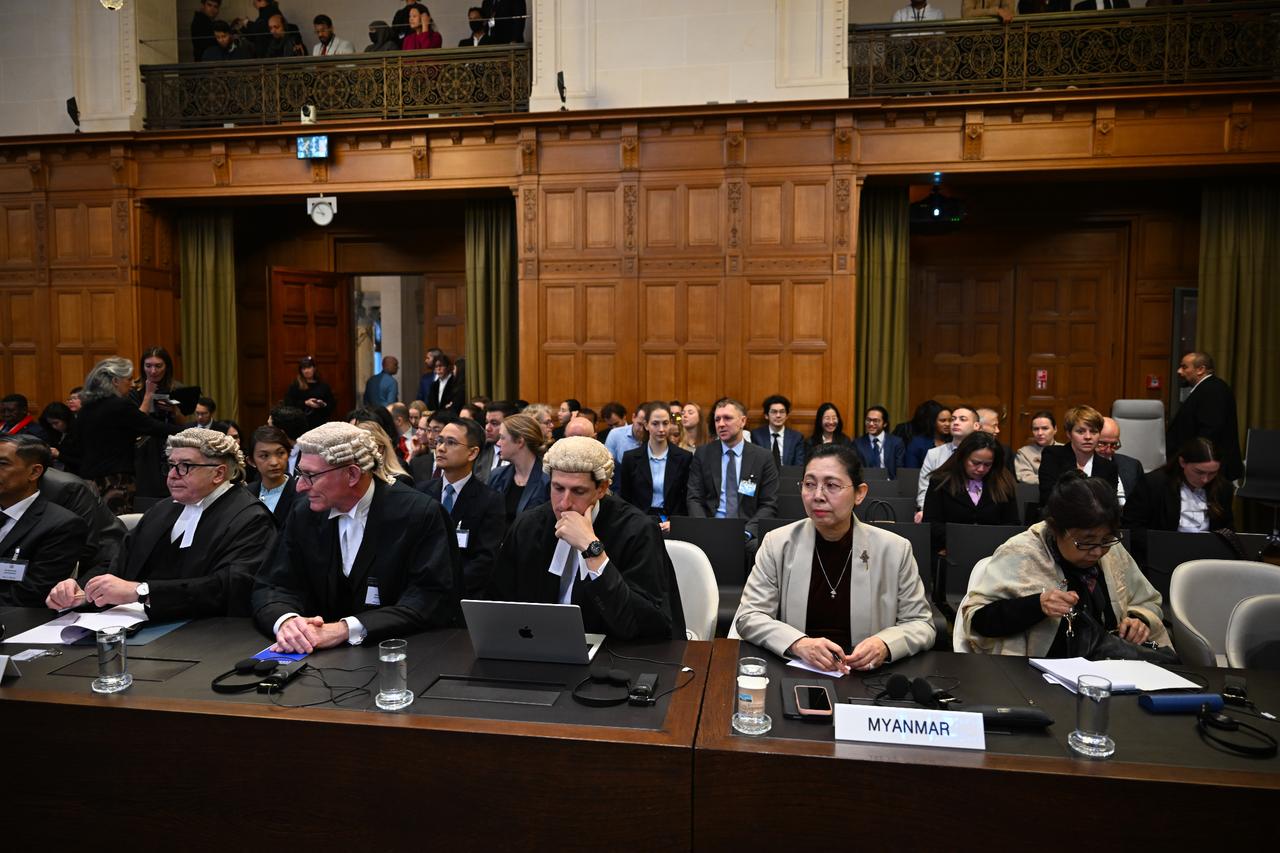
The Turkish response followed Thursday's ruling by the U.N.'s highest court, which found that Myanmar committed genocide during its 2017 military operations in northern Rakhine State.

In a 9-6 decision, the ICJ determined that Myanmar's military operations against the Rohingya population violated the Genocide Convention, marking the first time the court has held a state responsible for committing genocide.
Reading the judgment in The Hague, ICJ President Yuji Iwasawa said Myanmar "has committed genocide against the Rohingya group in northern Rakhine State, in violation of its obligations under the Convention on the Prevention and Punishment of the Crime of Genocide."
The court found that Myanmar's security forces killed thousands of Rohingya civilians, committed widespread sexual violence, subjected children to extreme violence and attacked people fleeing toward Bangladesh.
Judges concluded that the military operations demonstrated "an intent to destroy a substantial part of the Rohingya population of Myanmar."
"The court is fully convinced that the 2017 clearance operations caused serious bodily and mental harm to a significant number of the protected group," Iwasawa said.
The court rejected Myanmar's argument that its military operations were primarily counterterrorism measures conducted in response to attacks by Rohingya militants.
The Gambia filed the case in 2019, accusing Myanmar of conducting a campaign of killings, sexual violence and destruction intended to eliminate the Rohingya minority in whole or in part.
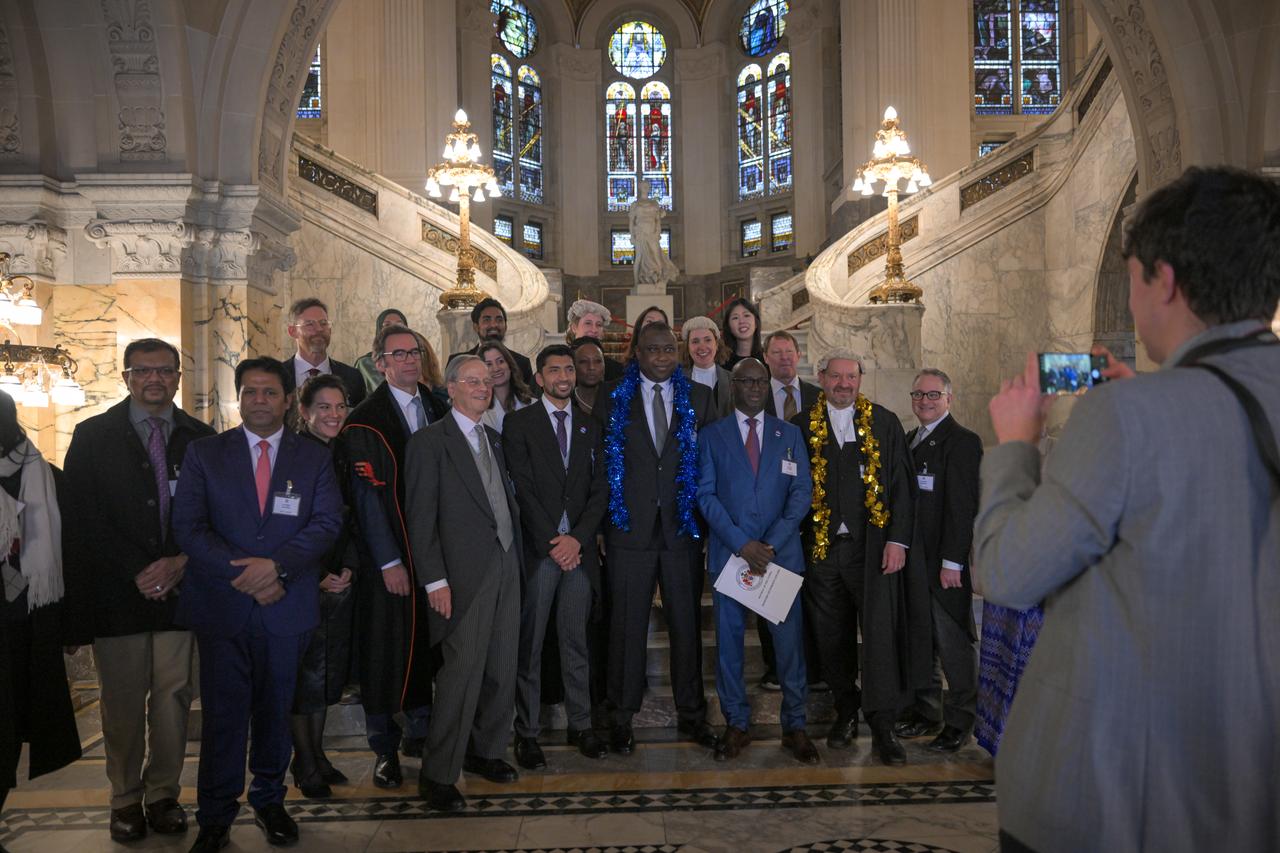
The court ordered Myanmar to provide reparations and restitution to victims, including measures to facilitate the safe return of Rohingya refugees to their homes.
Those measures include restoring or replacing property and providing physical and mental rehabilitation to survivors.
The ICJ said the amount and arrangements for compensation would be determined in a subsequent phase of proceedings.
Myanmar was also ordered to submit a report within two years detailing the restitution measures it had adopted and its proposed arrangements for compensation.
The judgment is final and legally binding, although the ICJ has no direct enforcement mechanism beyond referring noncompliance to the U.N. Security Council.
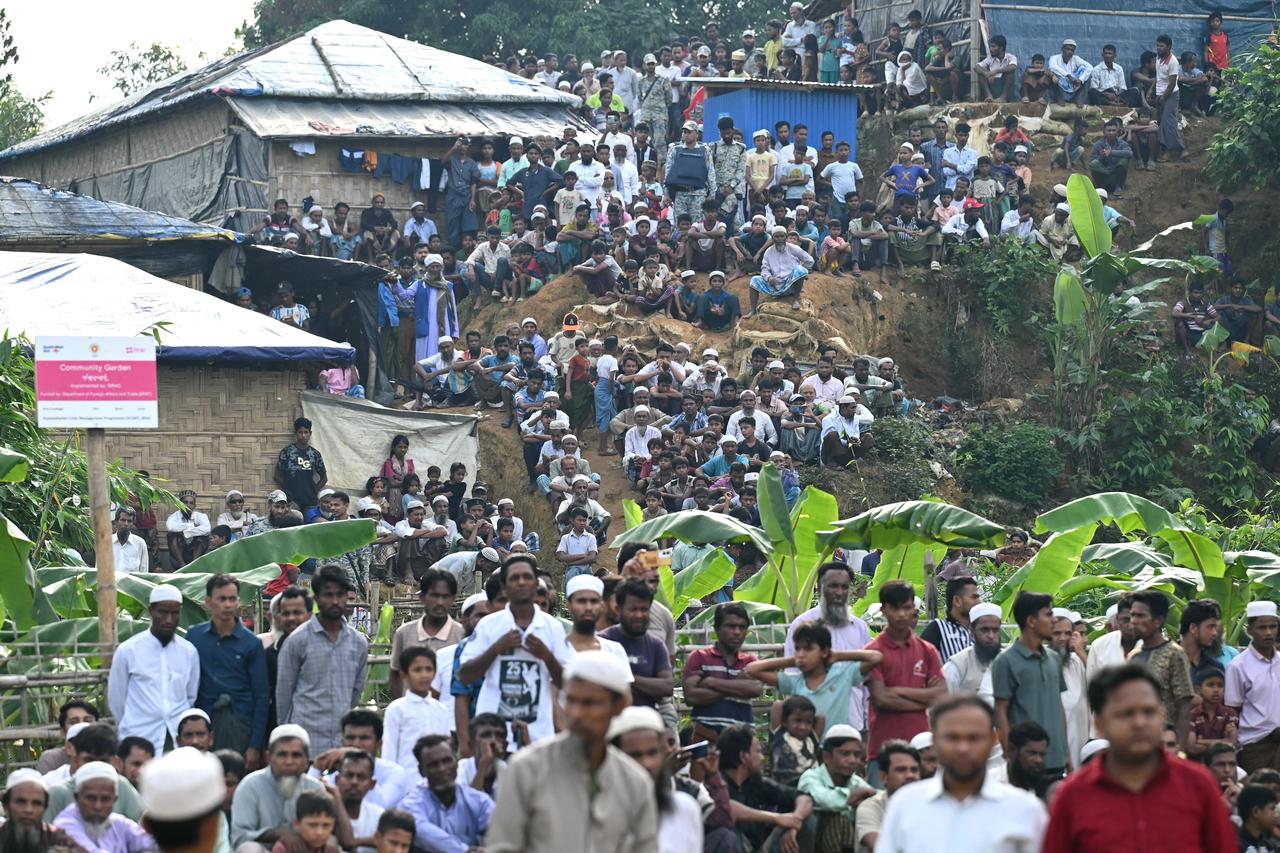
The 2017 military campaign forced hundreds of thousands of Rohingya Muslims to flee across the border into Bangladesh amid reports of mass killings, sexual violence and villages being destroyed.
A U.N. fact-finding mission later estimated that approximately 10,000 people had died during the operations.
Bangladesh currently hosts around 1.3 million Rohingya refugees, most of whom fled the 2017 crackdown.
Myanmar's military authorities have denied committing genocide.
Amnesty International welcomed the judgment, describing it as a major step toward justice for survivors and families of victims.
“Genocide. This is the unequivocal finding of the ICJ. After years of denial, impunity and suppression of truth, this ruling is a historic and authoritative recognition of the atrocities committed against the Rohingya and a rare moment of justice for survivors, victims and their families," Amnesty International Secretary-General Agnes Callamard said.
Callamard also highlighted the ruling's potential significance for other genocide cases pending before the ICJ, including South Africa's case against Israel over allegations concerning Gaza.
She said the court's clarification that genocidal intent could coexist with other objectives, including military aims, was particularly relevant to those proceedings.
Amnesty urged Myanmar's authorities to comply immediately with the judgment and called on other countries, including members of the Association of Southeast Asian Nations (ASEAN), to uphold their obligations under international law.
Myanmar's President Min Aung Hlaing, who commanded the country's military during the 2016-2017 operations, also faces proceedings before the International Criminal Court (ICC) over allegations of crimes against humanity.
Unlike the ICJ, which determines state responsibility under international law, the ICC prosecutes individuals.
The ruling adds to international pressure on Myanmar to provide accountability for the 2017 military operations and establish conditions for the safe and sustainable return of Rohingya refugees.


 Set as preferred source
 Set as preferred source


 2 min read
 1 min read