Newsletters


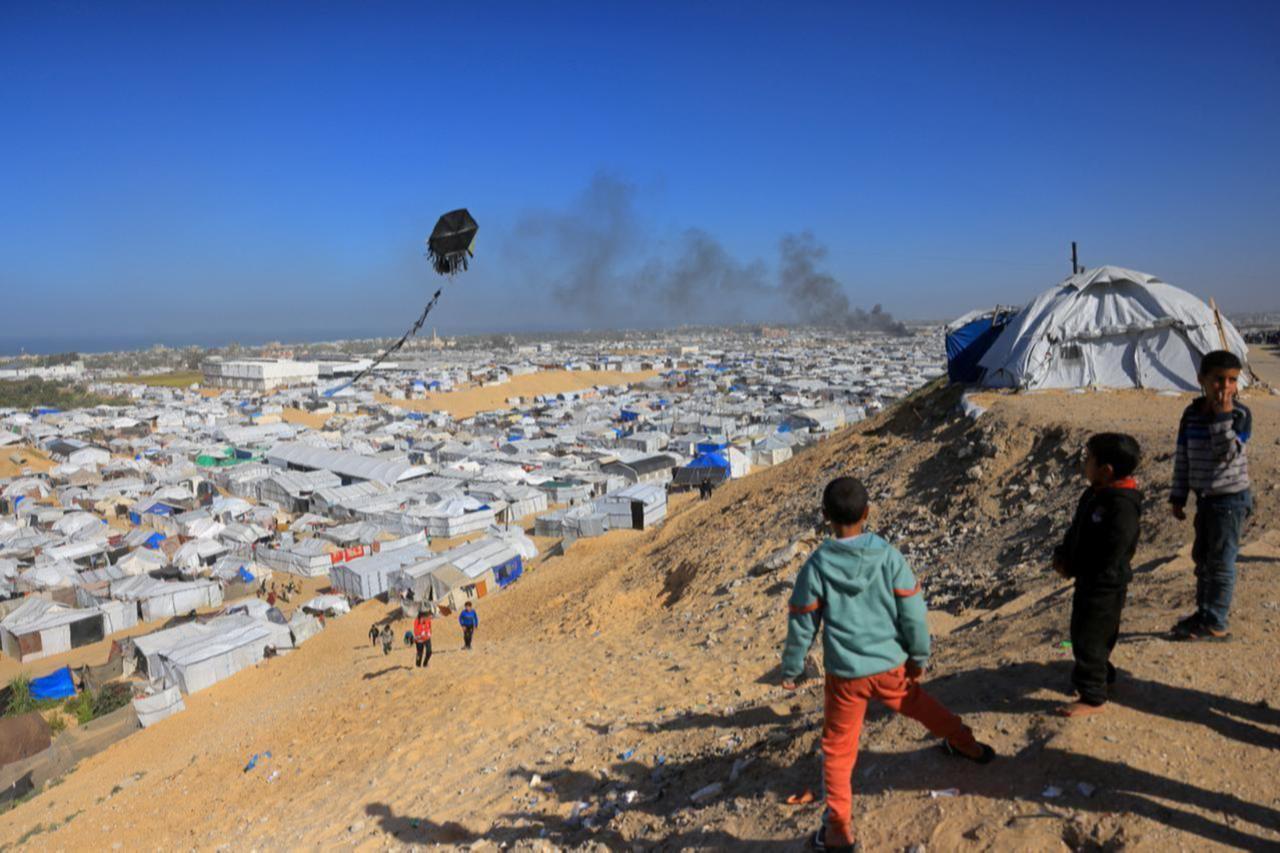


Britain will "no longer stand by" while Palestinian children are killed in Gaza, First Secretary of State Louise Haigh said Tuesday, pledging that the government would increase pressure on Israel over its conduct of the war and its settlement policy in the occupied West Bank.
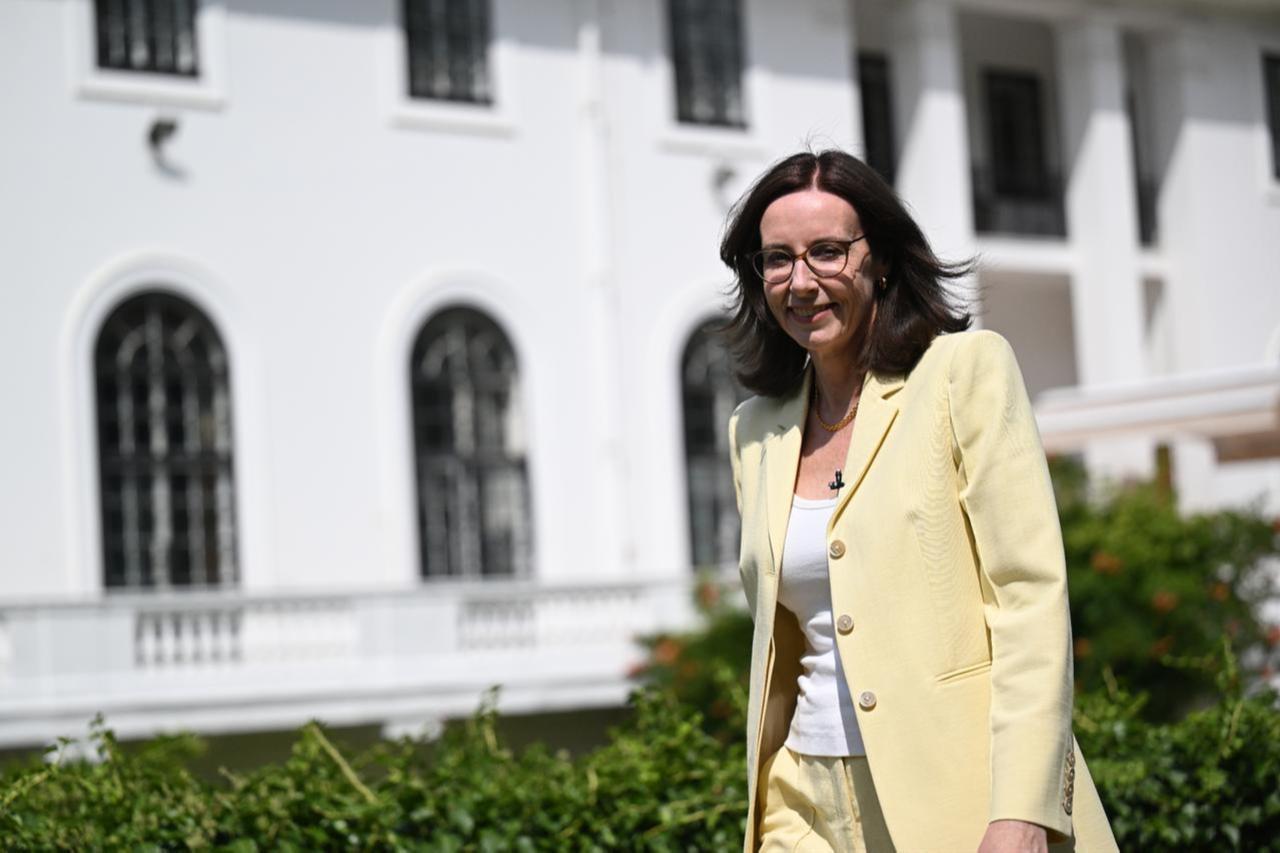
Speaking to the Trades Union Congress, Haigh said the United Kingdom had been "too slow" to respond to the situation in Gaza and the West Bank, a criticism that echoed remarks made previously by Prime Minister Andy Burnham. Haigh, who also serves as Chancellor of the Duchy of Lancaster and Minister for the Cabinet Office, is the most senior member of Burnham's Cabinet after the prime minister himself.
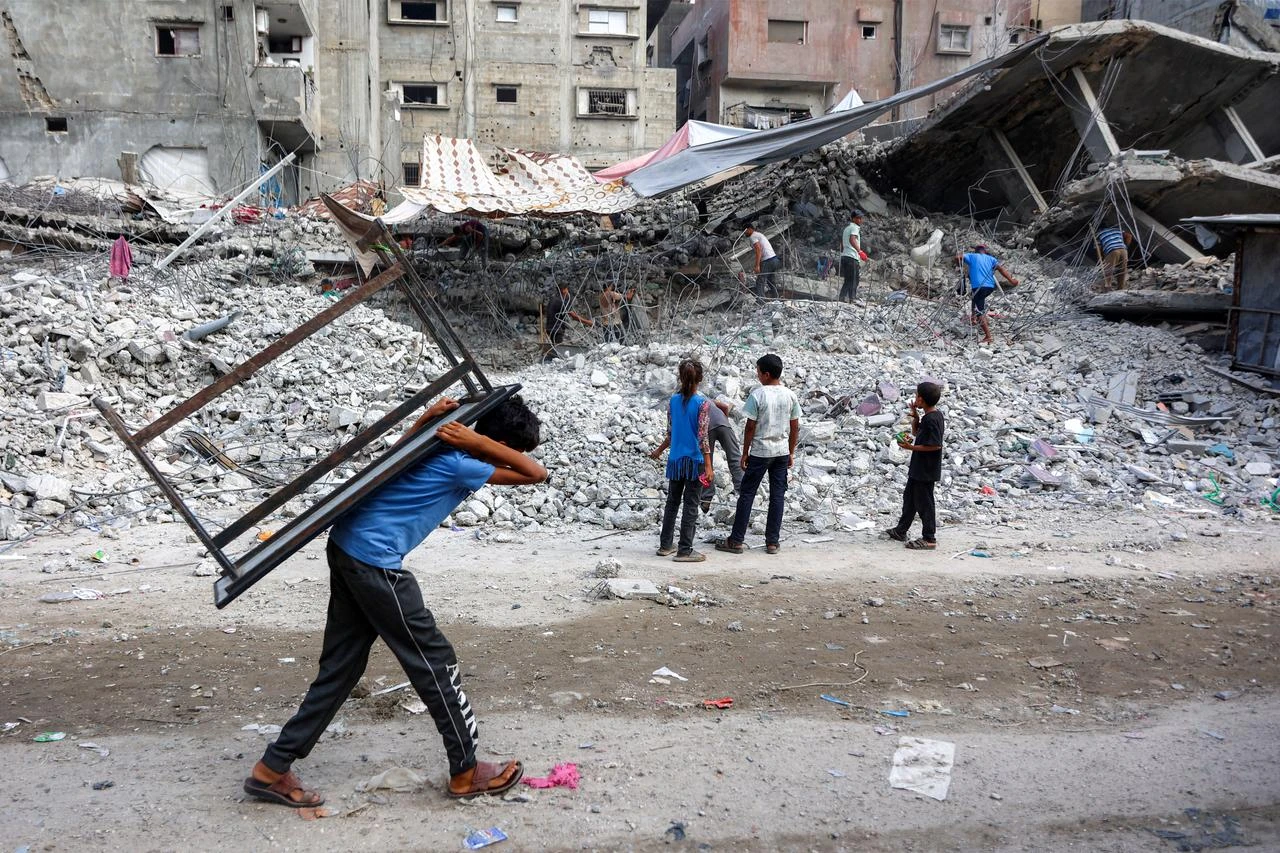

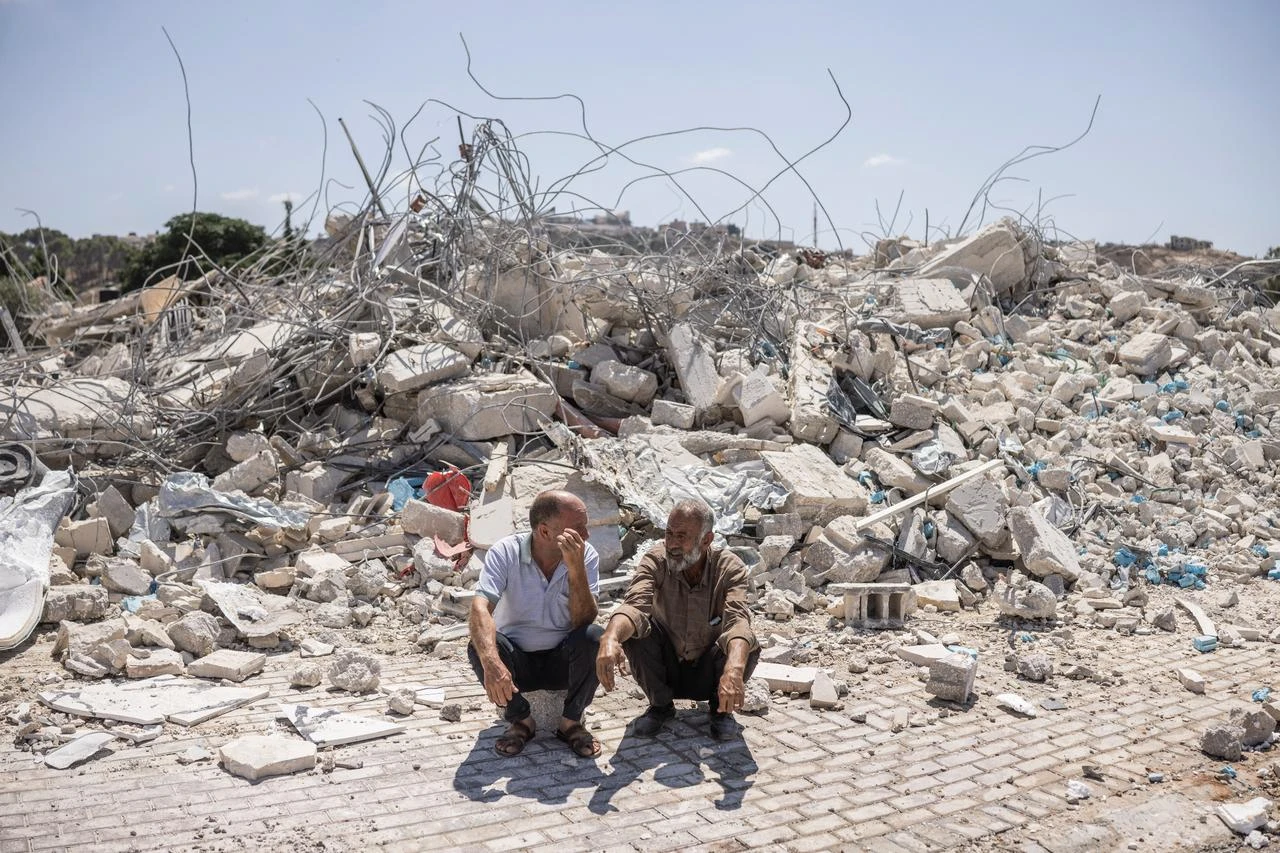
"At a time when it has never been more important to remind the world who we are, we hesitated," Haigh told delegates. "We will no longer stand by while innocent Palestinian families are torn apart, while innocent children are killed in Gaza, and while the hope of a two-state solution evaporates before our eyes."
She framed the government's shift as a moral reckoning, arguing that Britain's response had lagged behind the scale of events on the ground. She did not elaborate on specific incidents but tied her comments directly to the sanctions package Foreign Secretary Ed Miliband announced last week.
Haigh said those measures were designed to change the direction of British policy. "We are purposefully targeting the illegal settlements, increasing pressure on the Israeli government, and helping to keep the hope of peace in the Middle East alive," she said. "We will stand against injustice. We will stand up for peace."
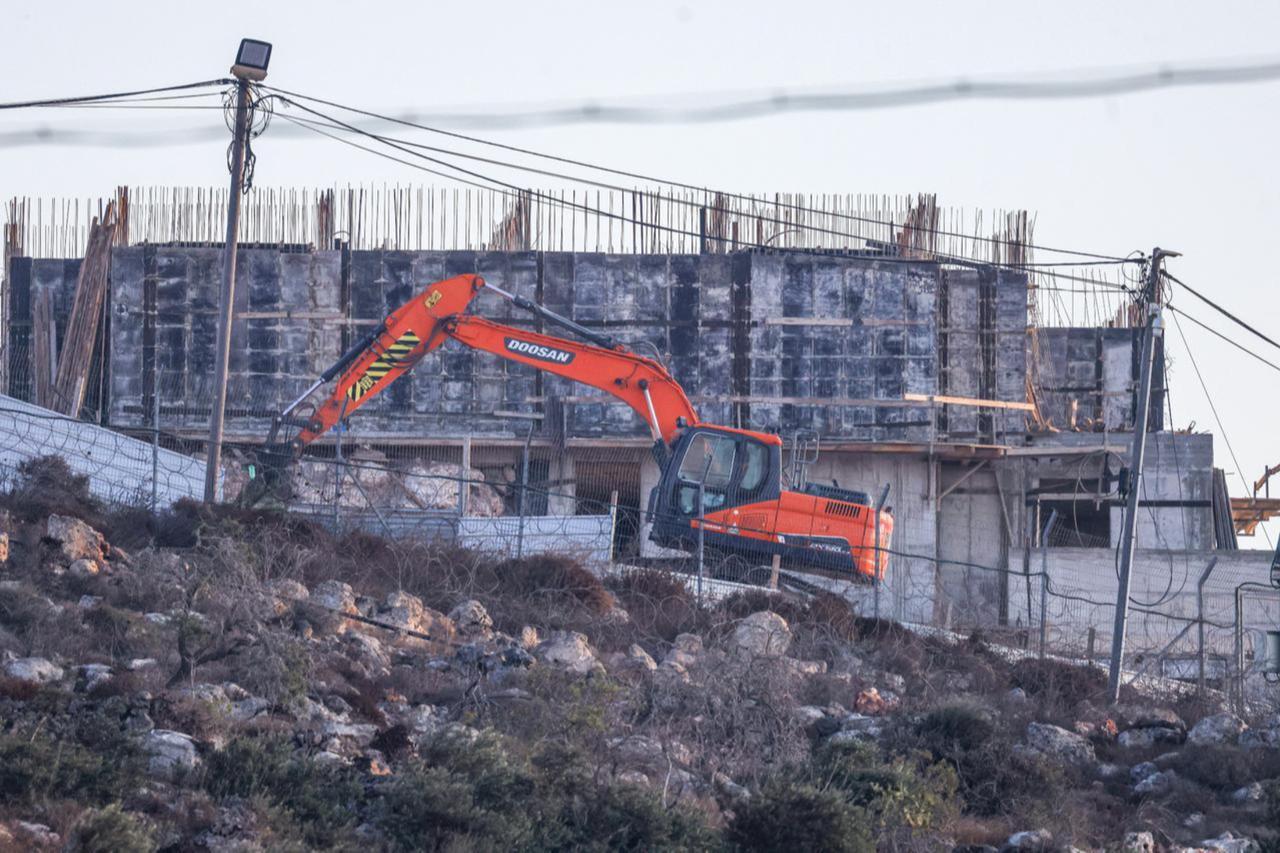
Miliband's announcement included a ban on imports from illegal Israeli settlements in the West Bank, sanctions on companies and individuals facilitating settlement expansion, and further sanctions on Israeli occupiers described as extremists accused of supporting or inciting violence against Palestinians.
The measures build on a series of steps Britain has taken over the past two years, including the recognition of a Palestinian state and earlier restrictions on some arms exports to Israel.
Successive British governments have long held that Israeli settlements in the West Bank are illegal under international law, a position most of the international community shares, though Israel disputes it, citing historical, biblical and security claims to the territory.
Haigh's remarks add a domestic political dimension to a foreign policy shift that has already strained relations between London and Jerusalem. Her comments to the TUC, a federation representing millions of British trade union members, signal that the government intends to frame its harder line on Israel as part of a broader argument about British values and identity, rather than a narrow diplomatic recalibration.
Neither Haigh's office nor the Foreign Office detailed further specific actions beyond the measures Miliband had already announced. It remains to be seen how Israel will respond to the latest comments from a UK Cabinet minister, following its earlier decision to close its consulate in Jerusalem after the sanctions were first unveiled.


 Set as preferred source
 Set as preferred source


 1 min read
 1 min read