Newsletters


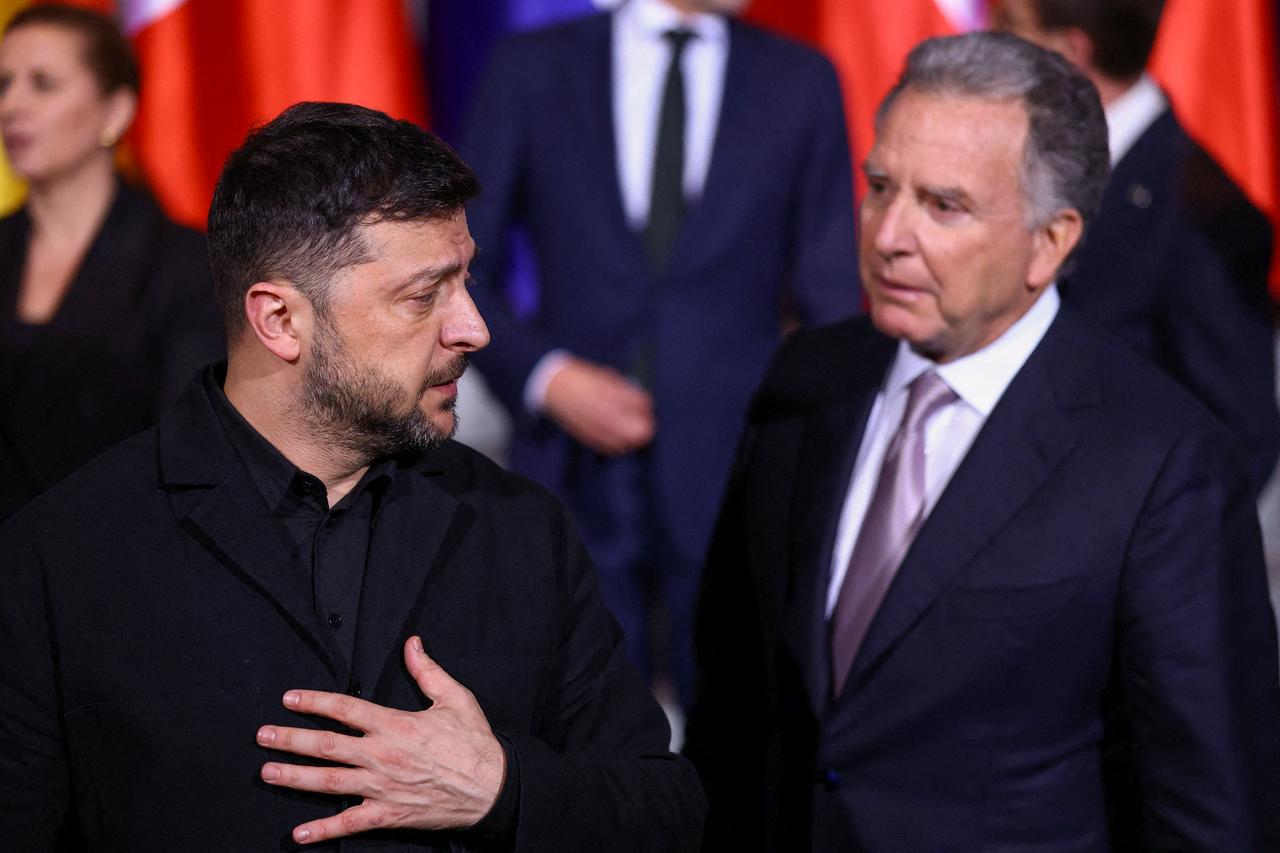


Ukrainian President Volodymyr Zelenskyy said negotiations in Berlin on Monday brought significant advances on security guarantees but revealed persistent divisions over territorial concessions, as US envoys pressed forward with efforts to broker an end to the nearly three-year war with Russia.
Meeting for a second consecutive day with Trump administration representatives Steve Witkoff and Jared Kushner, Zelenskyy described the discussions as challenging but productive, particularly regarding protections Washington has offered to Ukraine. The talks centered on a proposal initially advanced by US President Donald Trump to resolve the conflict that began with Russia's full-scale invasion in 2022.
"There has been sufficient dialogue on the territory, and I think that, frankly speaking, we still have different positions," Zelenskyy told reporters, acknowledging the fundamental disagreement over how much Ukrainian land would be surrendered to Moscow.
German Chancellor Friedrich Merz, hosting the discussions, struck an optimistic tone, declaring the negotiations had created the "chance for a real peace process" and praising Washington for putting forward substantial security commitments.

American officials characterized the Berlin talks as positive and disclosed that Washington has offered Ukraine security guarantees comparable to NATO's Article Five provision, which treats an attack on one alliance member as an attack on all. The proposal includes provisions for Ukraine to maintain a robust military as a deterrent against future aggression.
"The basis of that agreement is basically to have really, really strong guarantees -- Article Five-like -- also a very, very strong deterrence" in the size of Ukraine's military, a US official said, speaking on condition of anonymity.
However, US negotiators warned that the offer comes with a time limit and conditions. "Those guarantees will not be on the table forever. Those guarantees are on the table right now if there's a conclusion that's reached in a good way," the official said, suggesting Ukraine faces pressure to accept the framework.
Trump previously ruled out formal NATO membership for Ukraine and has sided with Russian arguments that Kyiv's alliance aspirations provoked Moscow's invasion. The security guarantees being discussed appear designed as an alternative to full NATO accession.
Merz emphasized that any ceasefire must include strong legal and material protections from both the United States and Europe, calling the American proposal "truly remarkable" and "a very important step forward."
 1 min read
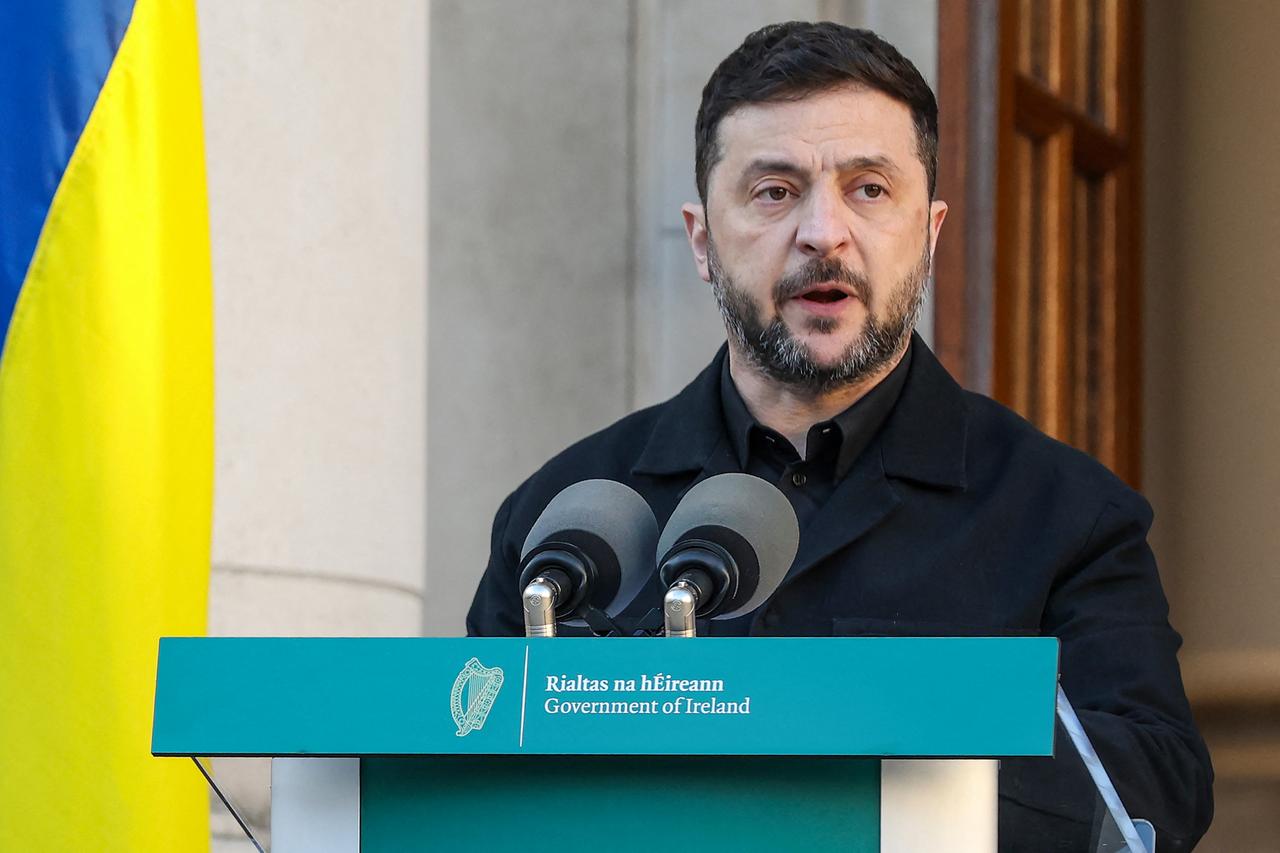
An official briefed on the negotiations told AFP that US representatives want Ukraine to relinquish control of the Donbas region, comprising Donetsk and Lugansk. Moscow currently occupies nearly all of Lugansk and approximately 80 percent of Donetsk, according to the Institute for the Study of War.
Russian President Vladimir Putin "wants territory," the official said, adding that Washington was demanding Ukraine "withdraw" from the regions while Kyiv was refusing to comply.
Trump has previously stated that territorial concessions to Russia are inevitable, a position fundamentally at odds with Zelenskyy's stance after nearly four years of Ukrainian defense against the invasion. One US official acknowledged no agreement exists on the territorial question.
From Moscow, Kremlin spokesman Dmitry Peskov said Russia expects the United States to "provide us with the concept that is being discussed in Berlin today," indicating the Kremlin is awaiting formal details of the proposal. Russia has consistently insisted on its core demands, including territorial gains and a permanent ban on Ukrainian NATO membership.
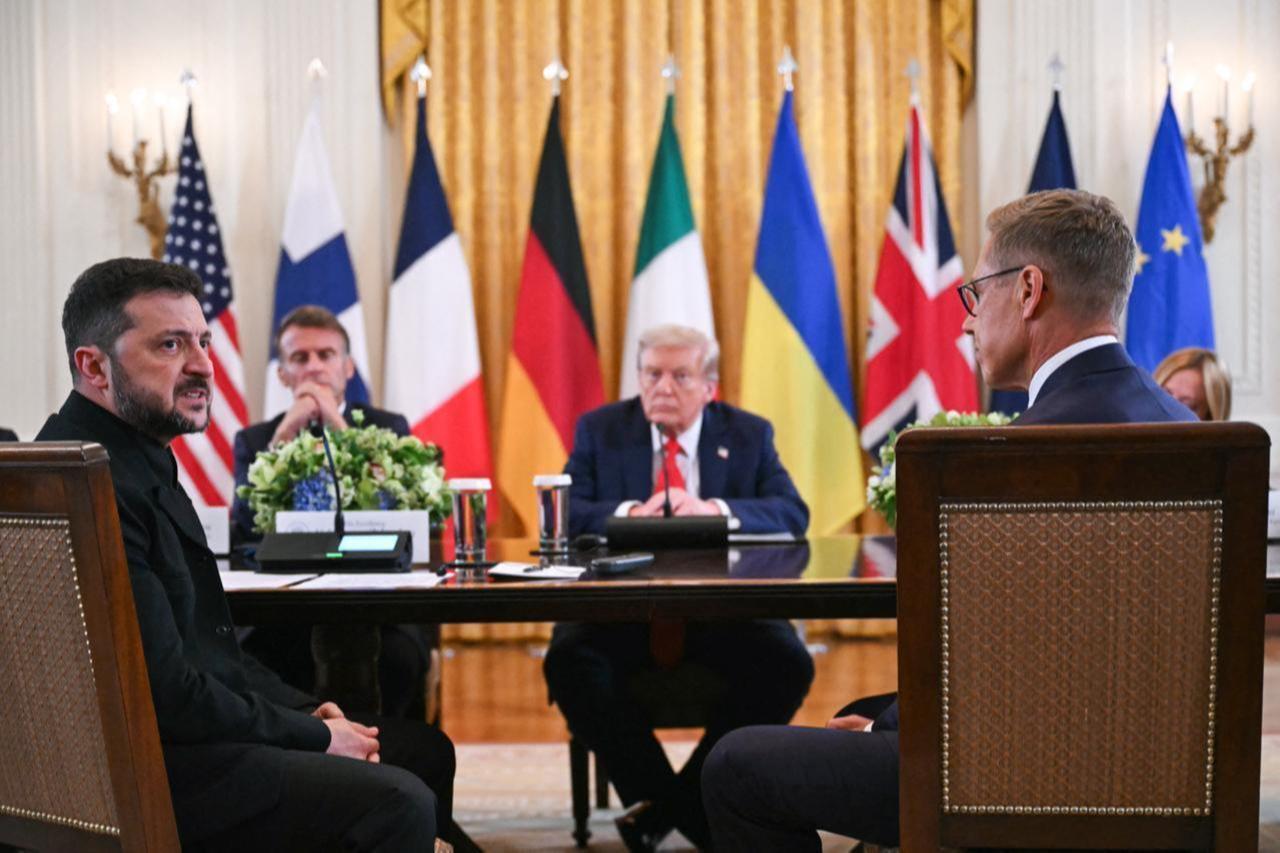
Trump announced he would hold a phone call later Monday with Zelenskyy and a group of European leaders assembling in Berlin, including UK Prime Minister Keir Starmer, French President Emmanuel Macron, Italian Prime Minister Giorgia Meloni, Polish Premier Donald Tusk, and Finnish President Alexander Stubb. NATO Secretary General Mark Rutte and European Commission President Ursula von der Leyen were also expected to participate.
US officials indicated Trump would use the call to advance the proposed deal, with American negotiators expressing confidence that Russia would ultimately accept the framework.
Merz pledged continued support for Ukraine against what he termed "Putin's criminal attack," framing the negotiations within a broader European security context. "We will only be able to achieve lasting peace in Europe together, with a free and sovereign Ukraine, a strong Ukraine that can defend itself against Russian attacks now and in the future," he said. "The fate of Ukraine is the fate of all Europe."


 Set as preferred source
 Set as preferred source



 1 min read