Newsletters


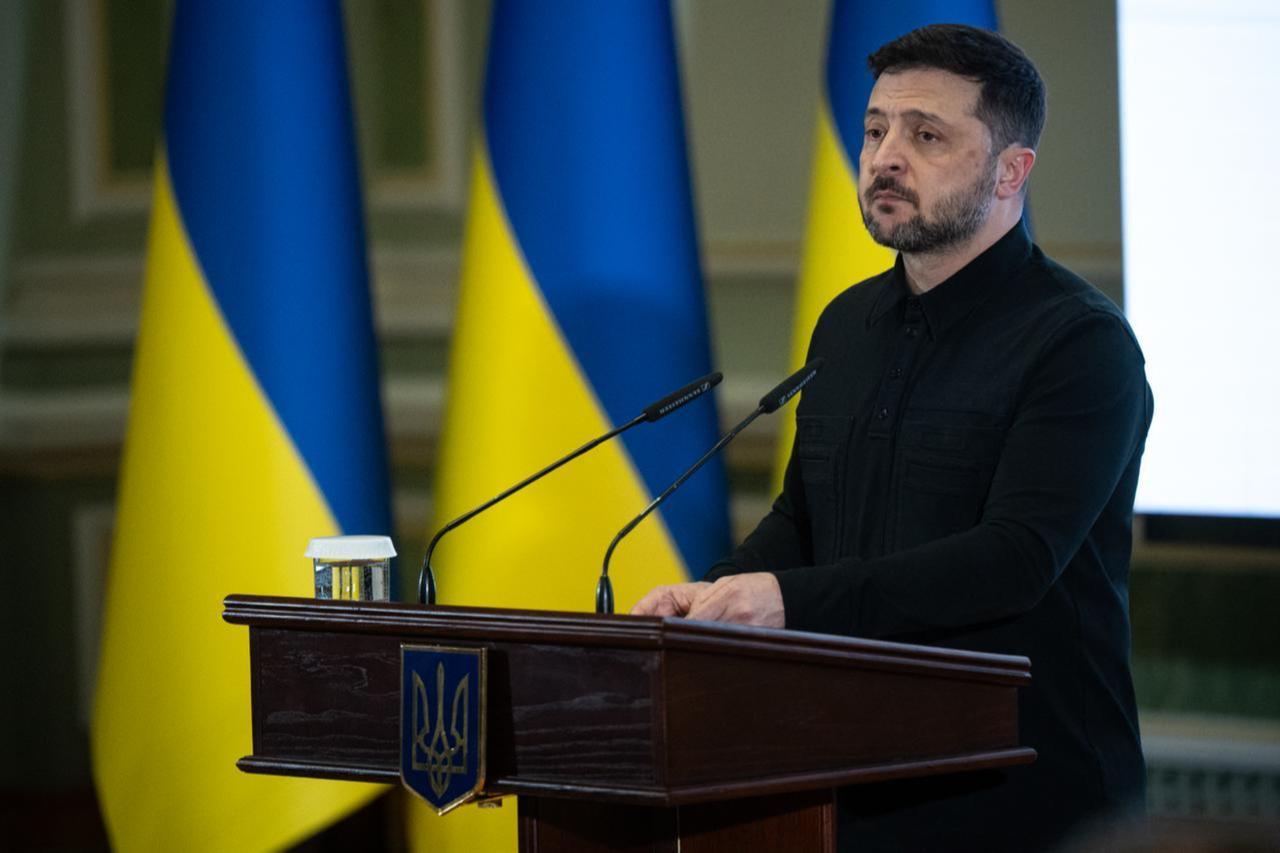


Ukrainian President Volodymyr Zelenskyy rejected suggestions that his country is losing its conflict with Russia, telling AFP in an exclusive interview Friday that Ukrainian forces have liberated 300 square kilometers in recent counterattacks while facing mounting international pressure to cede territory and hold elections as conditions for a ceasefire.
Speaking at the presidential palace in Kyiv ahead of the four-year anniversary of Russia's invasion, Zelenskyy acknowledged the brutal calculus of the grinding conflict even as he asserted Ukraine's military position. "You can't say that we're losing the war. Honestly, we're definitely not losing it, definitely. The question is whether we will win," he said, before adding, "That is the question -- but it's a very costly question."
The statement comes as US President Donald Trump pressures Kyiv to negotiate with Moscow, and as Ukraine's military endures one of its most difficult winters, with exhausted forces and a civilian population struggling through systematic Russian attacks on energy infrastructure that have left millions without heat or electricity for weeks.
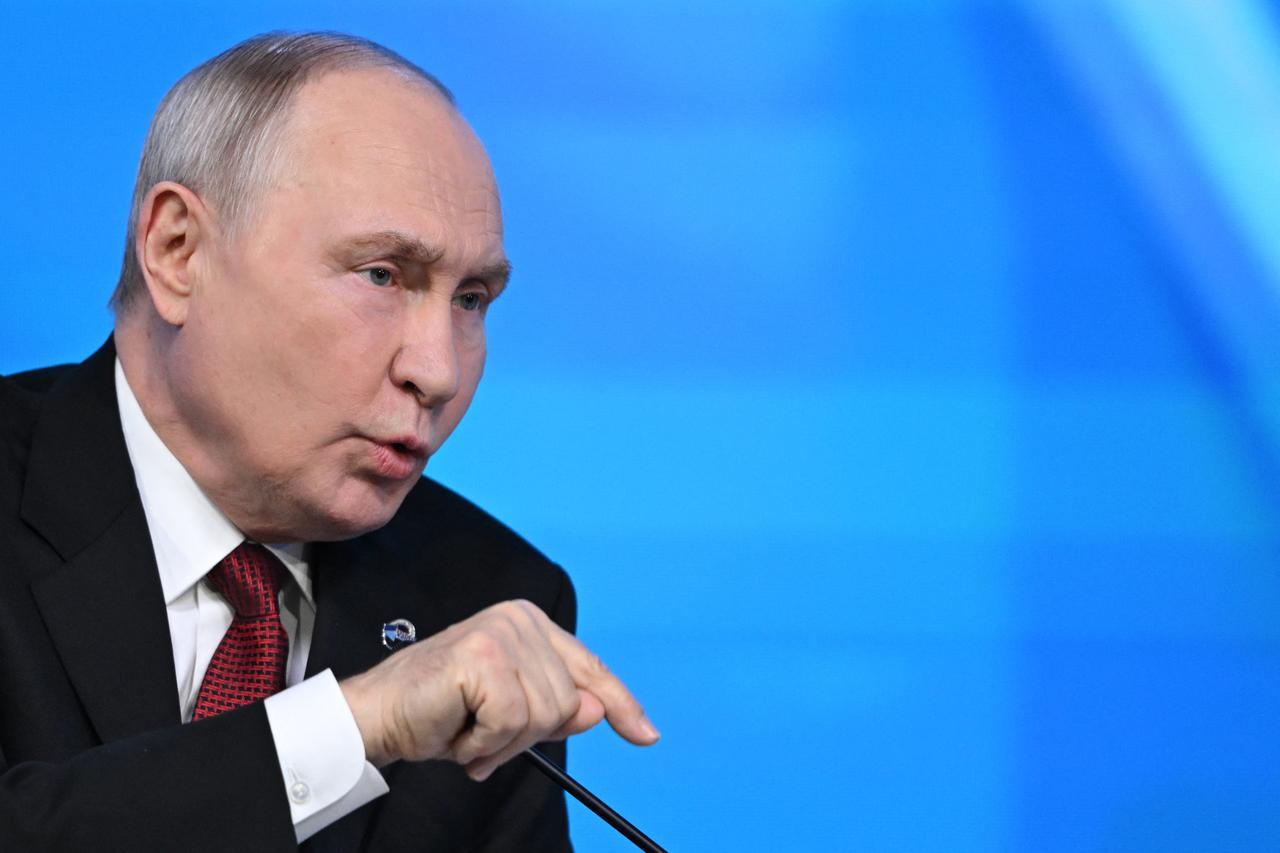
The four-year conflict, which began when Russian President Vladimir Putin ordered an invasion across the Ukrainian border on February 24, 2022, has claimed tens of thousands of civilian lives and hundreds of thousands of military casualties on both sides, making it Europe's deadliest war since World War II.

Both Washington and Moscow are pressuring Kyiv to surrender the embattled Donbas region, the heavily industrialised eastern area that Russia claims as its own. "Both the Americans and the Russians say that if you want the war to end tomorrow, get out of Donbas," Zelenskyy said. Moscow has vowed to capture the entire region by force if Ukraine does not withdraw, with Putin showing no signs of compromising on his territorial demands.
Ukraine still controls roughly one-fifth of Donetsk, while Russian forces have seized nearly all of Lugansk, the two regions that comprise the Donbas. Kyiv has repeatedly ruled out withdrawal, arguing such a move would only encourage further Russian aggression.
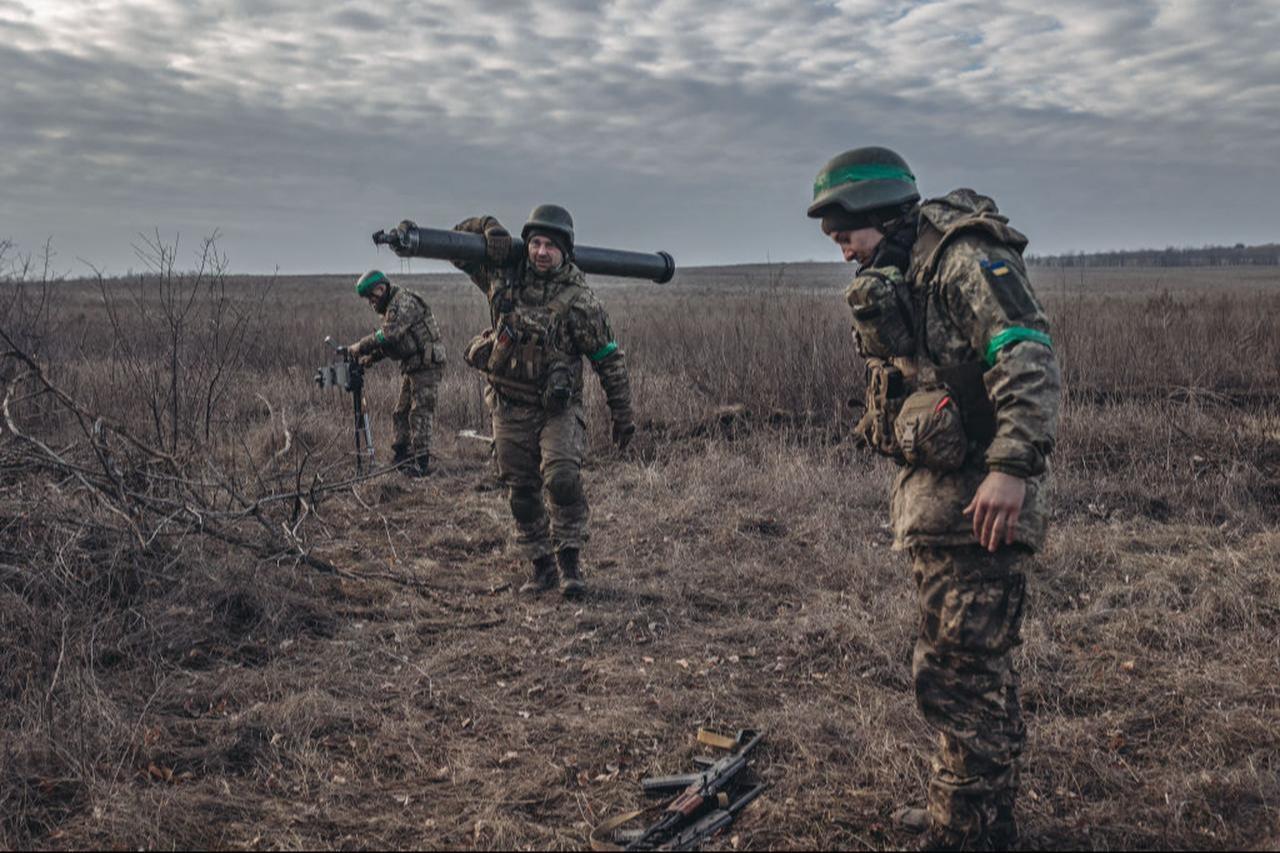
Despite international pressure, Zelenskyy said Ukrainian forces are advancing along the southern front line. "I won't go into too many details, but today I can congratulate our army first and foremost -- all the defence forces -- because as of today, 300 (square) kilometres have been liberated," he said, though he did not specify the timeframe and AFP could not independently verify the claim. Military bloggers have suggested some gains may have resulted from widespread Starlink internet outages after network owner Elon Musk shut down terminals following a request from Kyiv, though Zelenskyy acknowledged Ukrainian forces also experienced disruptions.
The United States and Russia are also demanding that Ukraine hold presidential elections as part of a comprehensive peace agreement. Zelenskyy, who has stated elections can only occur after fighting ends, rejected the timing as unrealistic given that millions of Ukrainians have fled the country or live in occupied territory.
"No one wants elections during a war. Everyone is afraid of its destructive effect," he said, describing the Russian push for quick elections as an attempt to remove him from power. "Let's be honest -- the Russians just want to replace me."
The 48-year-old former comedian, who won a landslide election in 2019, has said any future ballot requires robust security guarantees from allies to prevent Russian attacks. He declined to say whether he would run again.
Zelenskyy emphasized that Ukraine wants European troops, potentially deployed after a ceasefire, positioned directly along the front line rather than deeper within the country. "We would like to see the contingent closer to the front line. Of course, no one wants to stand on the first line, and of course, Ukrainians would like our partners to stand with us on the front line," he said.
The demand reflects Kyiv's concern that any security arrangement must provide meaningful deterrence against Russian aggression and cannot rely solely on distant deployments.


 Set as preferred source
 Set as preferred source


 1 min read
 1 min read