Newsletters


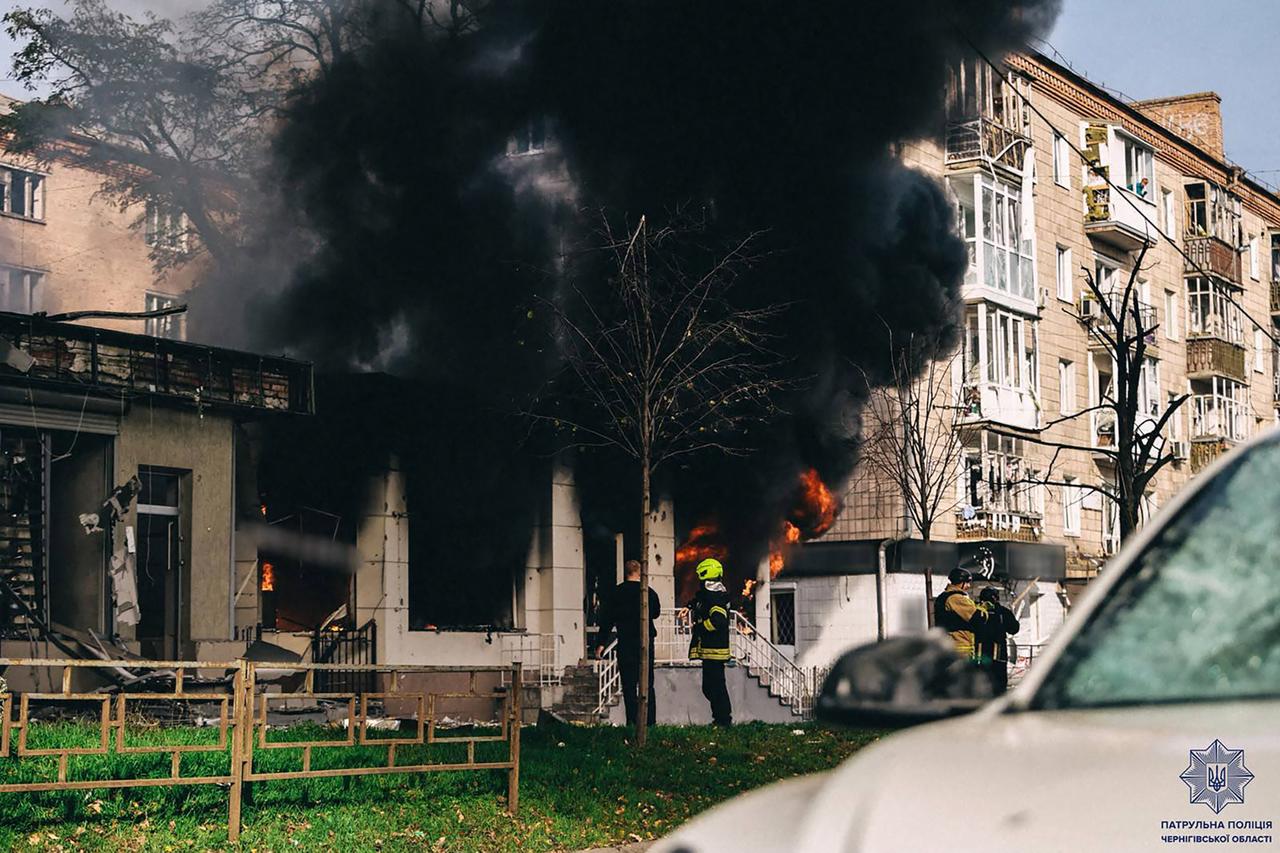


Ukraine has temporarily paused strikes on Russian oil refineries after weeks of pressure from U.S. President Donald Trump, The Wall Street Journal reported, citing people familiar with the operations.
The unofficial pause began early last week and is expected to last until after the U.S. midterm elections, potentially extending further into November, according to the report.
Ukrainian units involved in long-range strikes were told in mid-October that attacks on refineries were effectively on hold once missions already underway were completed, two military officials told the Journal.
Ukraine has not publicly announced a halt.
President Volodymyr Zelenskyy said Tuesday that Ukrainian forces had tried to be “a little more careful” in recent days but had not received an order prohibiting attacks on refineries.
“Our guys tried to be a little more careful during these days. But they do not have an order” not to hit refineries, Zelenskyy told reporters in Kyiv.
He said Ukrainian drone units were continuing to strike other targets inside Russia.
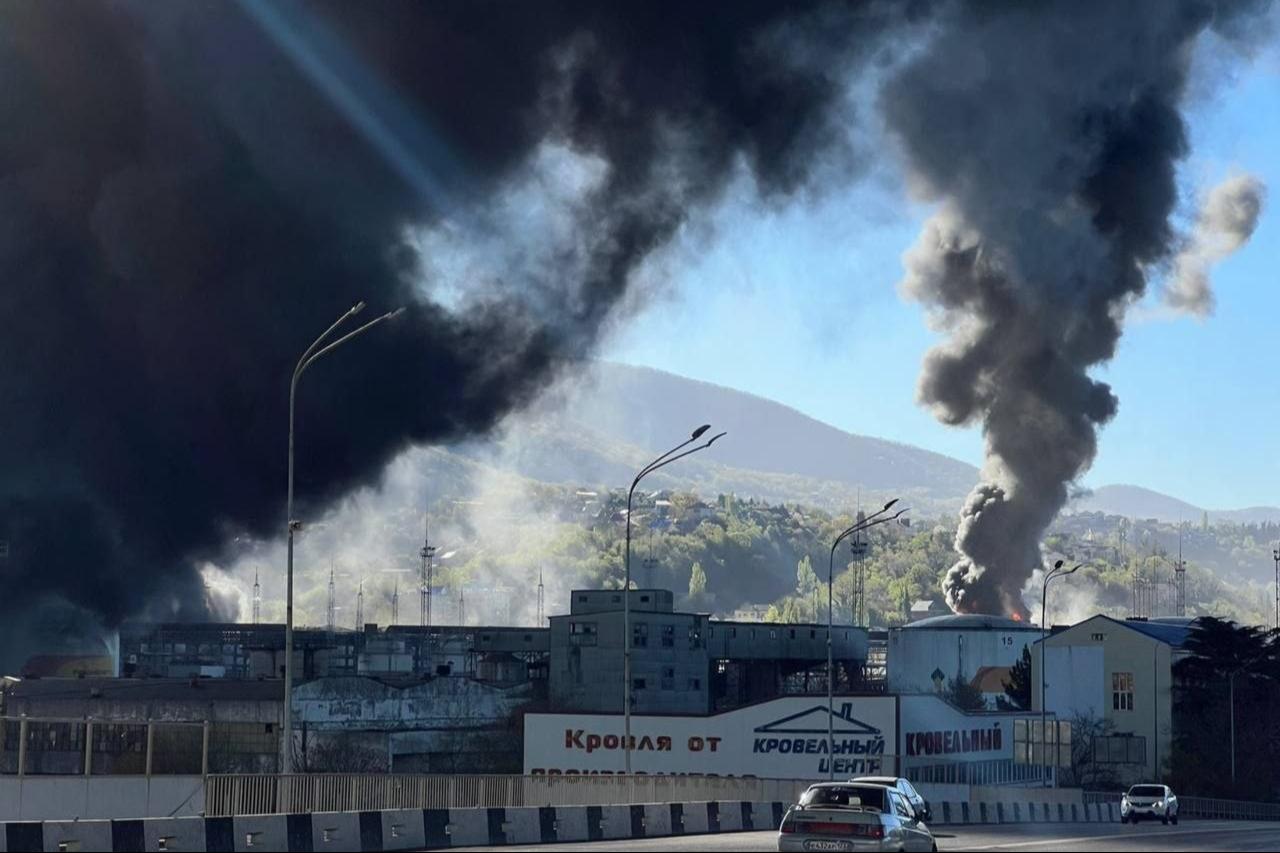

Trump has repeatedly urged Zelenskyy to stop targeting Russian refineries, arguing that the attacks are contributing to higher global fuel prices.
The Journal reported that U.S. envoy Jared Kushner repeated that demand during an Oct. 20 meeting with Zelenskyy in Oslo.
One U.S. official described the conversation as “very tough.”
Kushner, who joined remotely because of illness, told Zelenskyy that he and U.S. envoy Steve Witkoff were spending substantial time and resources mediating with Moscow and that a 30-day pause in refinery strikes would demonstrate gratitude, according to the report.
The day after the Oslo meeting, Trump called Elon Musk and asked him to restore Ukraine’s Starlink satellite service.
U.S. officials said restoring Starlink and Ukraine’s refinery strikes were not linked.
European and Ukrainian officials offered a more nuanced account, with some European allies advising Zelenskyy to take into account the political sensitivity of energy prices ahead of the U.S. midterms.
Some European officials were also concerned about increasingly heated exchanges between Trump and Zelenskyy and disruptions to Starlink service, and encouraged Kyiv to pause refinery strikes until after the elections, the Journal reported.
Zelenskyy has told Trump in recent weeks that Ukraine would need something in return for halting attacks on Russian refineries.
His preferred option was a mutual energy ceasefire under which Russia would also stop attacking Ukrainian power plants.
Other proposals included additional Patriot missile systems to protect Ukraine’s energy grid or permission to use Starlink inside Russia so Ukrainian drones could target Russian missile launchers.
The Journal reported that none of those proposals advanced significantly.
Ukraine’s refinery campaign has sought to reduce oil revenues that help finance Russia’s war, while Kyiv fears that ending the strikes could allow Russian President Vladimir Putin to prolong the conflict.
Ukraine’s last reported strike on Russian oil infrastructure came Oct. 20, when it targeted a pumping station on the Druzhba pipeline in Russia’s Tambov region.
In the preceding days, Ukrainian forces had also struck oil facilities in St. Petersburg, a refinery in the Ryazan region and a major gas plant in Surgut, Siberia.
Ukraine remains heavily dependent on Starlink, U.S. intelligence sharing and Patriot missile interceptors, leaving Kyiv vulnerable to pressure from Washington, according to the report.
Speed restrictions imposed Oct. 14 on Ukraine’s military-grade Starlink service disrupted drone strikes against Russian military logistics and affected some interceptor systems used to defend Ukrainian cities against Russian jet-powered drones.
Full Starlink capabilities were restored Oct. 24, three days after Trump asked Musk to lift the restrictions.
U.S. officials said restoration of the service was not conditional on Ukraine pausing refinery strikes.
Some Ukrainian officials, however, told the Journal that Kyiv felt intense pressure to give Trump a political win and urgently needed White House assistance to restore Starlink.
The 10-day disruption and U.S. threats to end other forms of support further weakened trust in Washington among parts of Ukraine’s military, government and public, according to the report.
At one Ukrainian battalion on the eastern front, soldiers and officers removed U.S. flags and other American insignia during the past two weeks, a commander told the Journal.


 Set as preferred source
 Set as preferred source


 1 min read
 1 min read