Newsletters


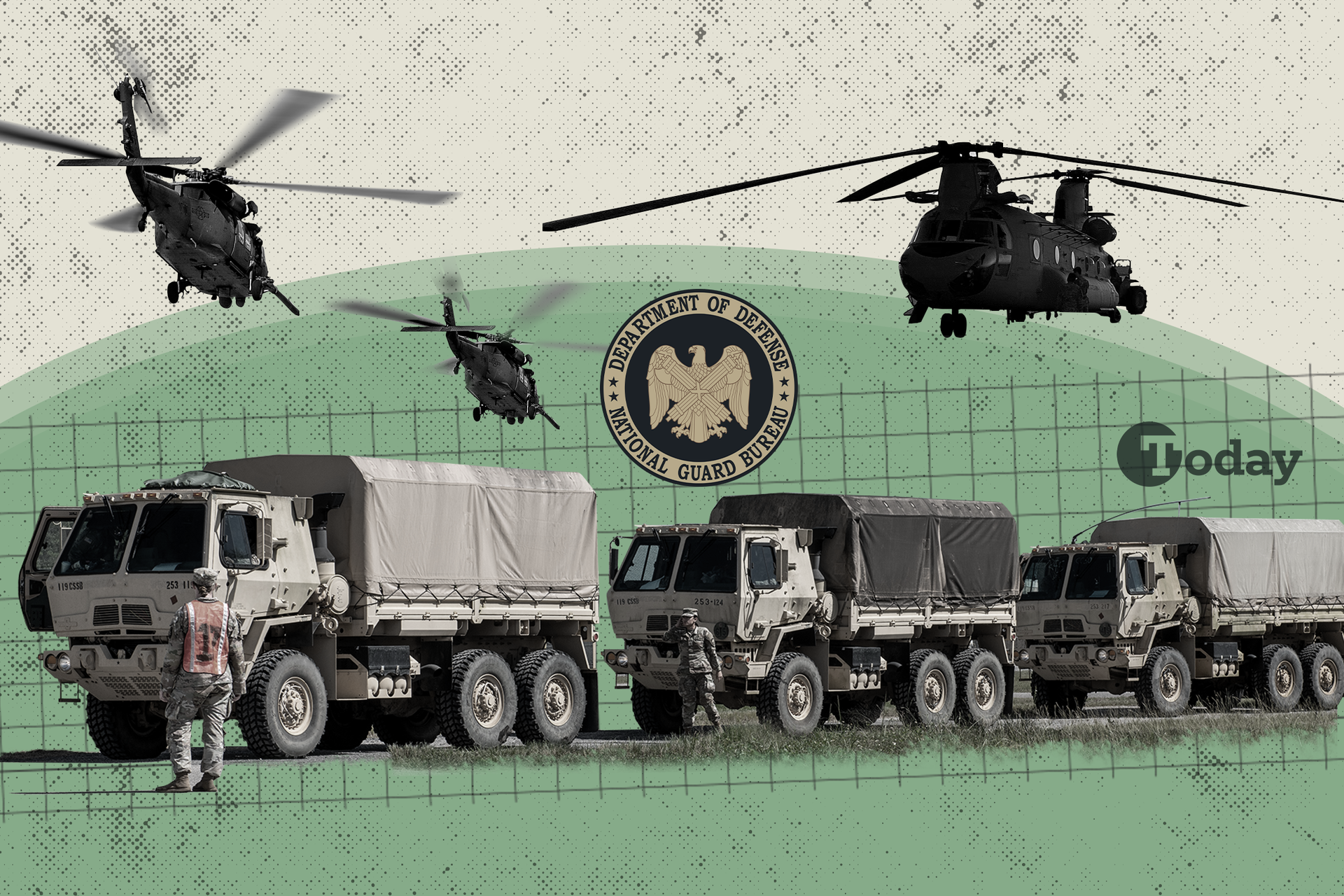


The National Guard plays a vital role in maintaining security within the United States, operating under both state and federal authority. Its deployment depends on the nature of the crisis and whether the decision comes from a state governor or the president.
U.S. soldiers in the National Guard train one weekend each month, with one two-week training period each year. They're typically called into action by a state governor, who can send them to the site of any officially declared emergency in the state. This is usually a weather-related emergency, but civil unrest or terrorist attacks are other emergencies they may respond to.
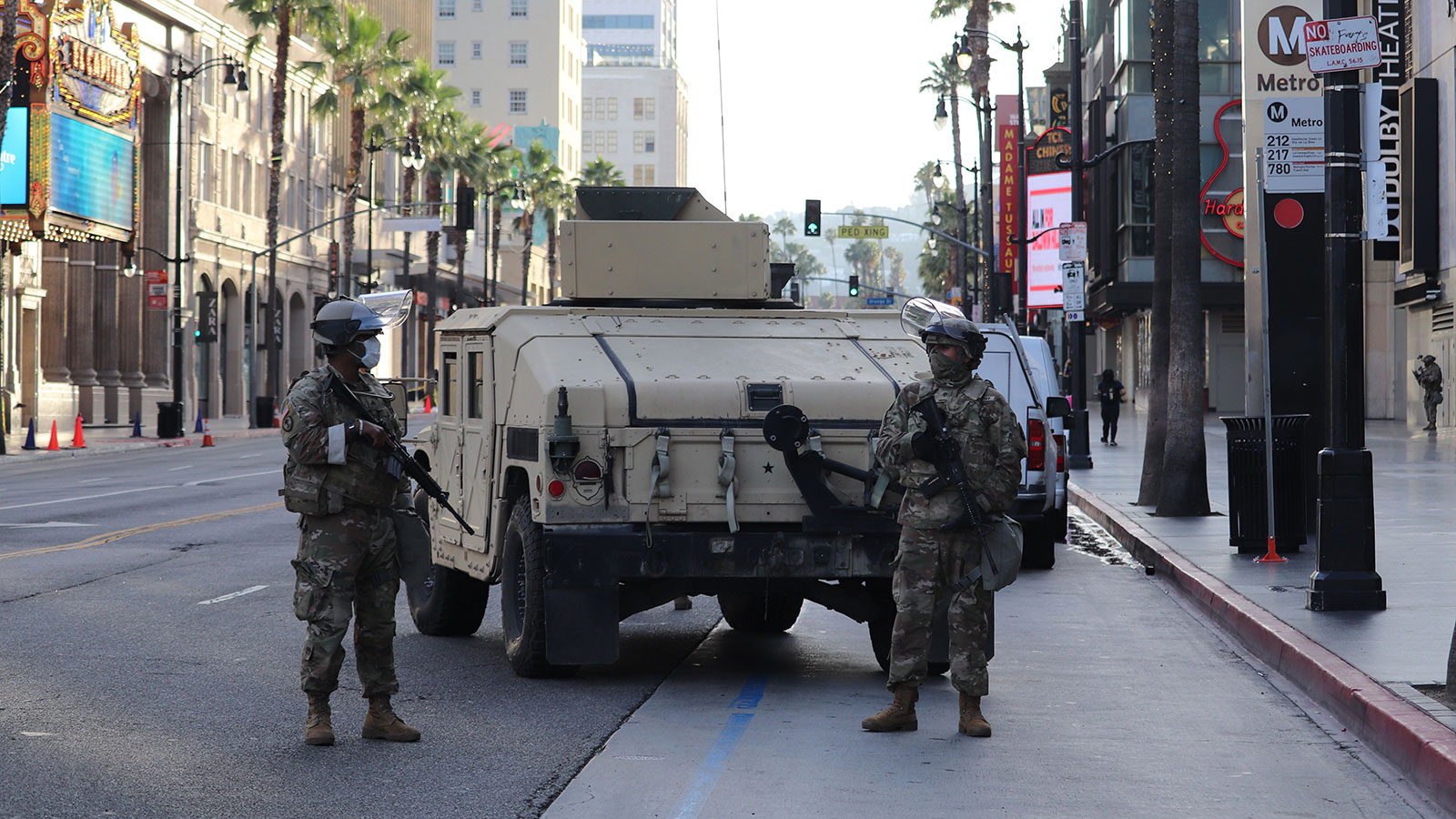
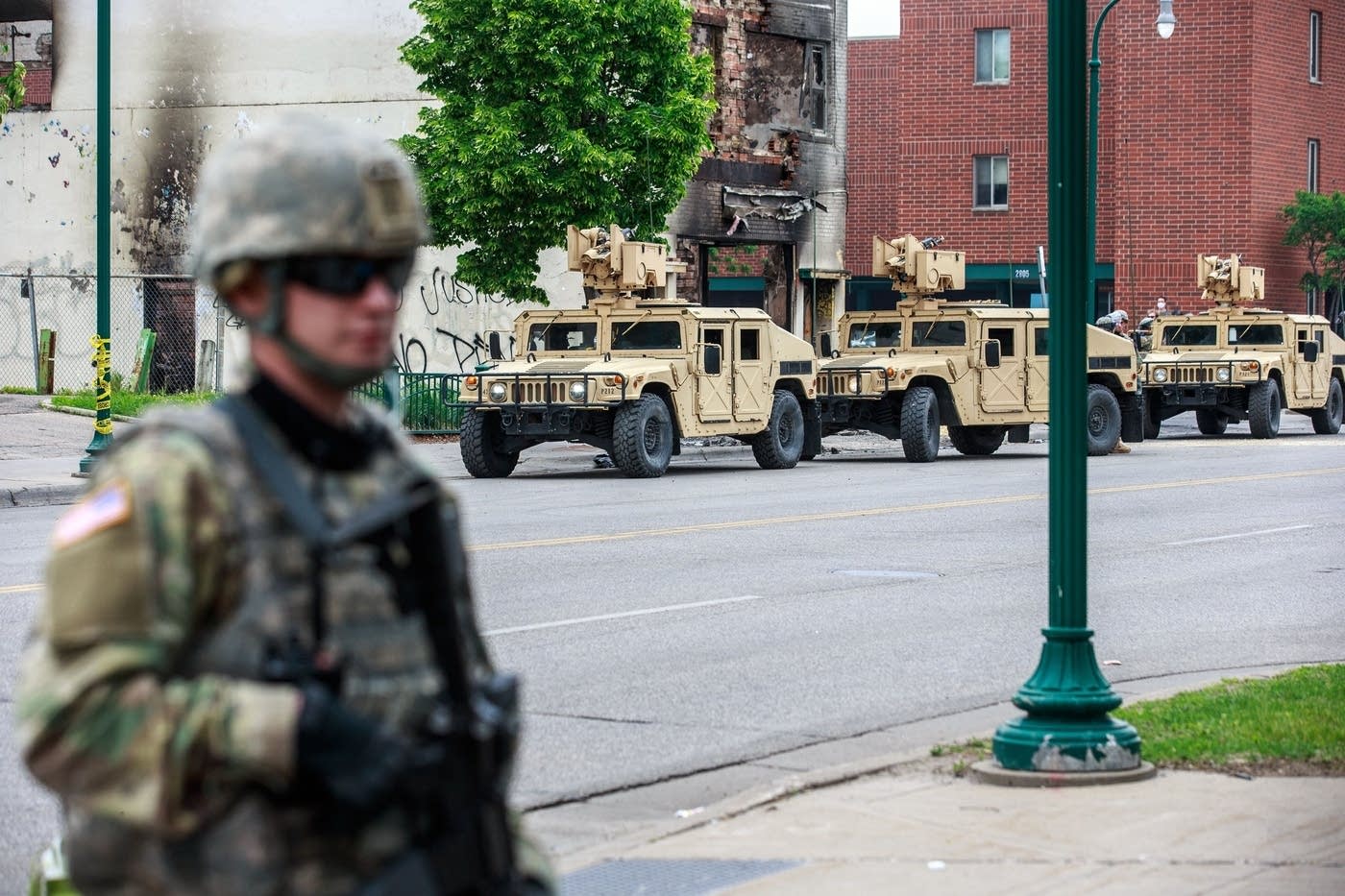
For example, the death of George Floyd incident was followed by mass protests, arson and looting in cities across the U.S. in May 2020. National Guard personnel were activated in 23 states and the District of Columbia.
In June 2020, 600 to 800 National Guard members from five states were requested to augment the D.C. National Guard in dealing with civil unrest in the nation's capital.
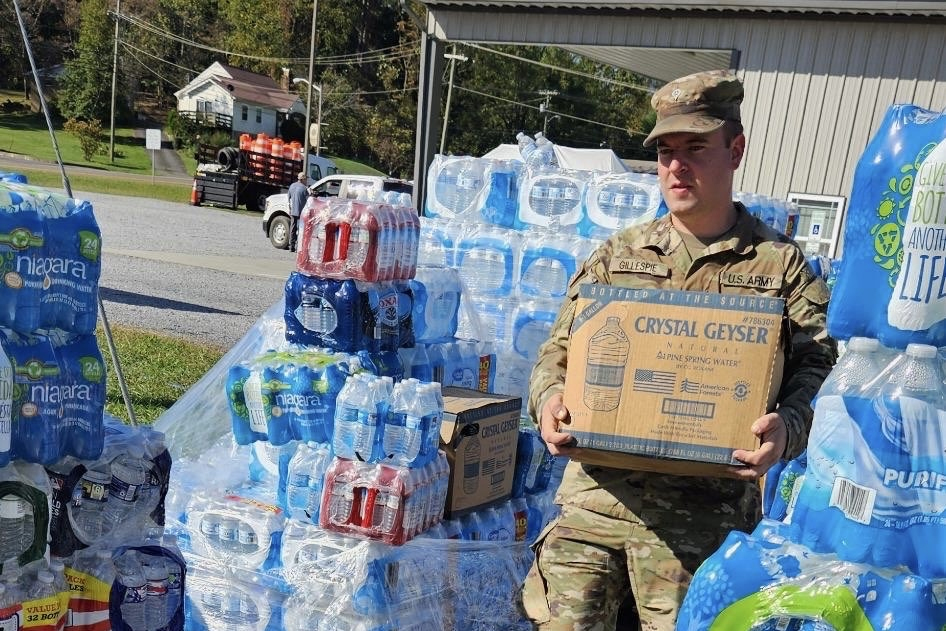

Governors have the authority to activate their state’s National Guard in response to various domestic situations, such as:
In these cases, the Guard remains under the governor’s command and is funded by the state. These state-led deployments are generally short-term and focus on supporting local efforts to restore stability and safety.
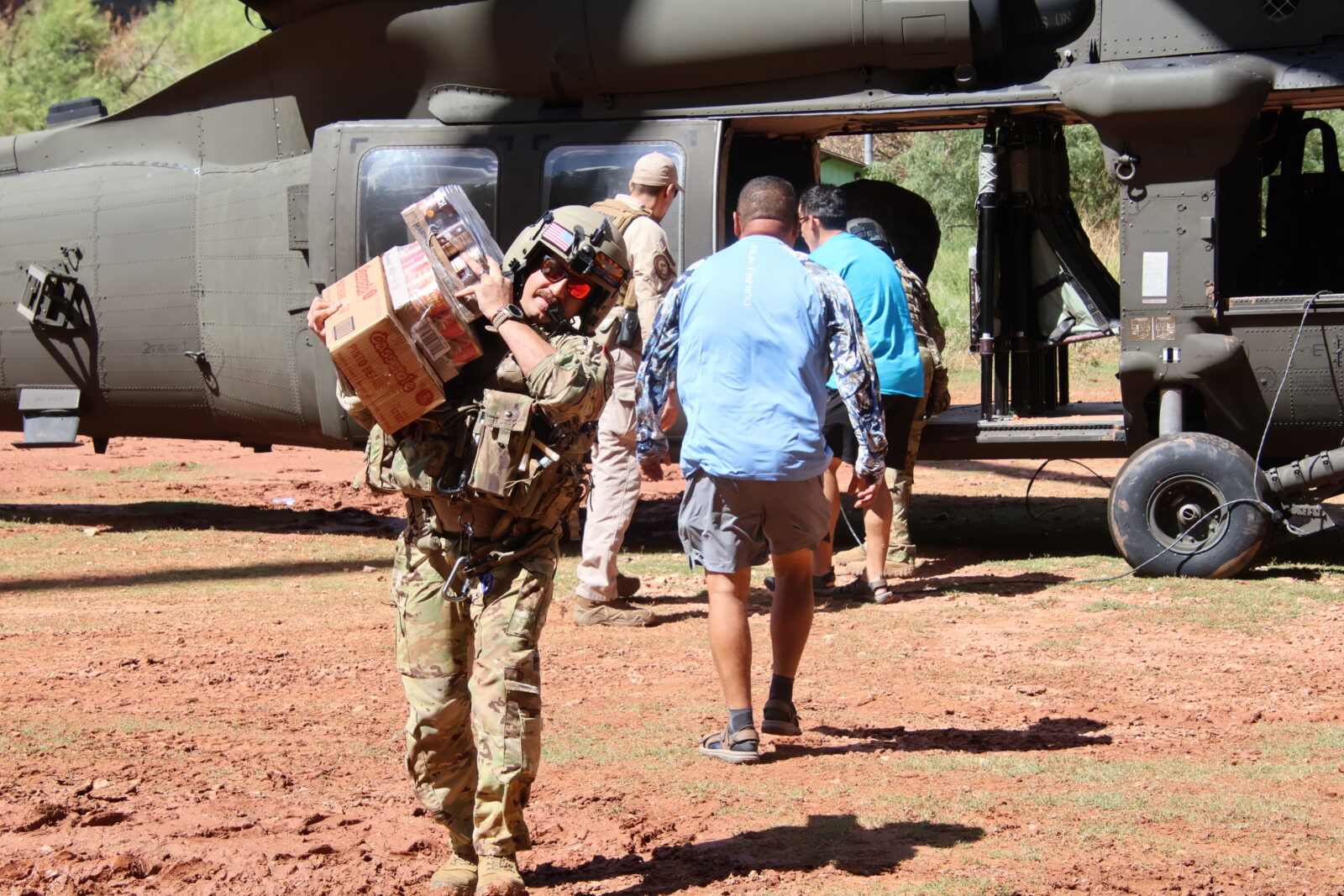
The U.S. president can federalize the National Guard, placing it under federal command and providing federal funding. This typically happens under more severe conditions, including:
A critical tool for presidential deployment of the Guard is the Insurrection Act, which allows military intervention without a state’s consent under certain conditions:
The Insurrection Act has been used historically to protect civil rights, such as when President Dwight D. Eisenhower federalized the Arkansas National Guard in 1957 to enforce school desegregation or when President Lyndon B. Johnson deployed the Guard to safeguard civil rights demonstrators in Alabama in 1965.
The Posse Comitatus Act generally limits the use of active-duty military in domestic law enforcement, reinforcing civilian control. However, the National Guard can be utilized under state authority or when activated under the Insurrection Act, bridging this gap.
This distinction was notable during the nationwide protests in 2020 following the death of George Floyd, when governors deployed the Guard to support local law enforcement.
The domestic use of the National Guard often raises questions about the balance of power and potential overreach. The Insurrection Act’s broad language grants significant discretion to the president, sparking discussions on clearer definitions and limits to prevent misuse. While the U.S. Supreme Court has upheld presidential authority to decide when to invoke the Act, concerns remain about protecting constitutional rights and balancing federal and state powers.
The National Guard can be deployed during elections under certain conditions to ensure public safety and secure the electoral process. Here’s how:
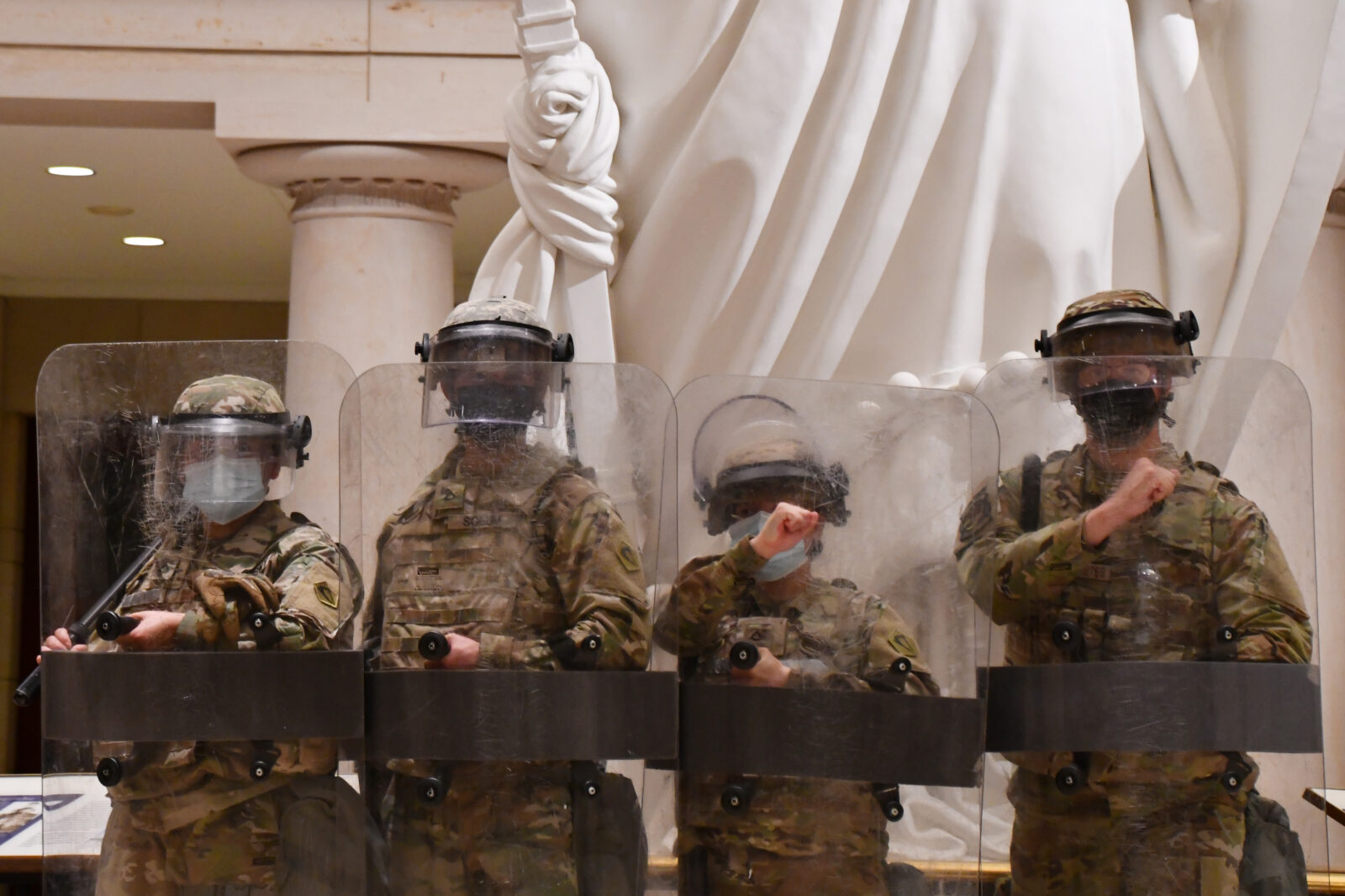
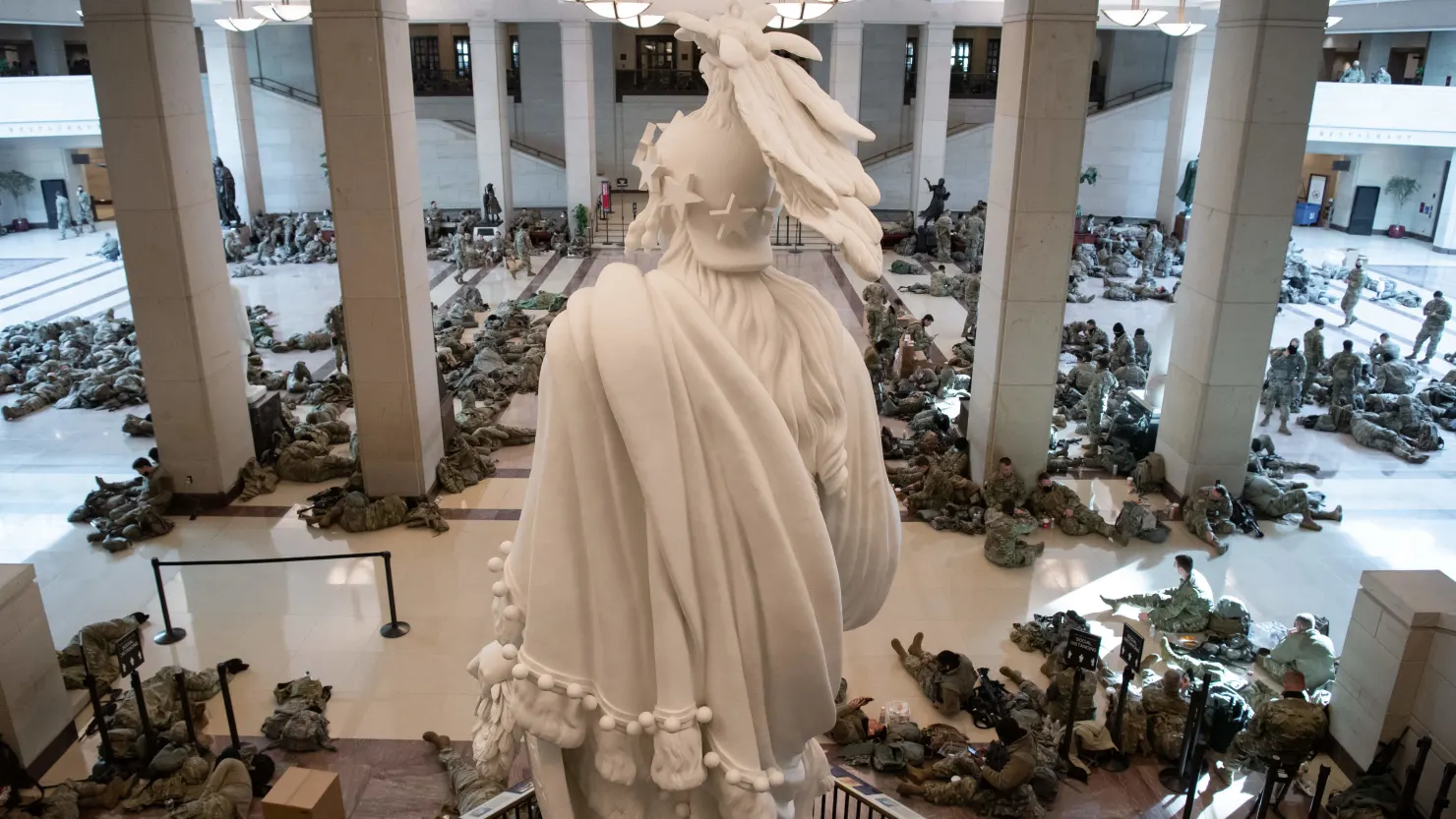
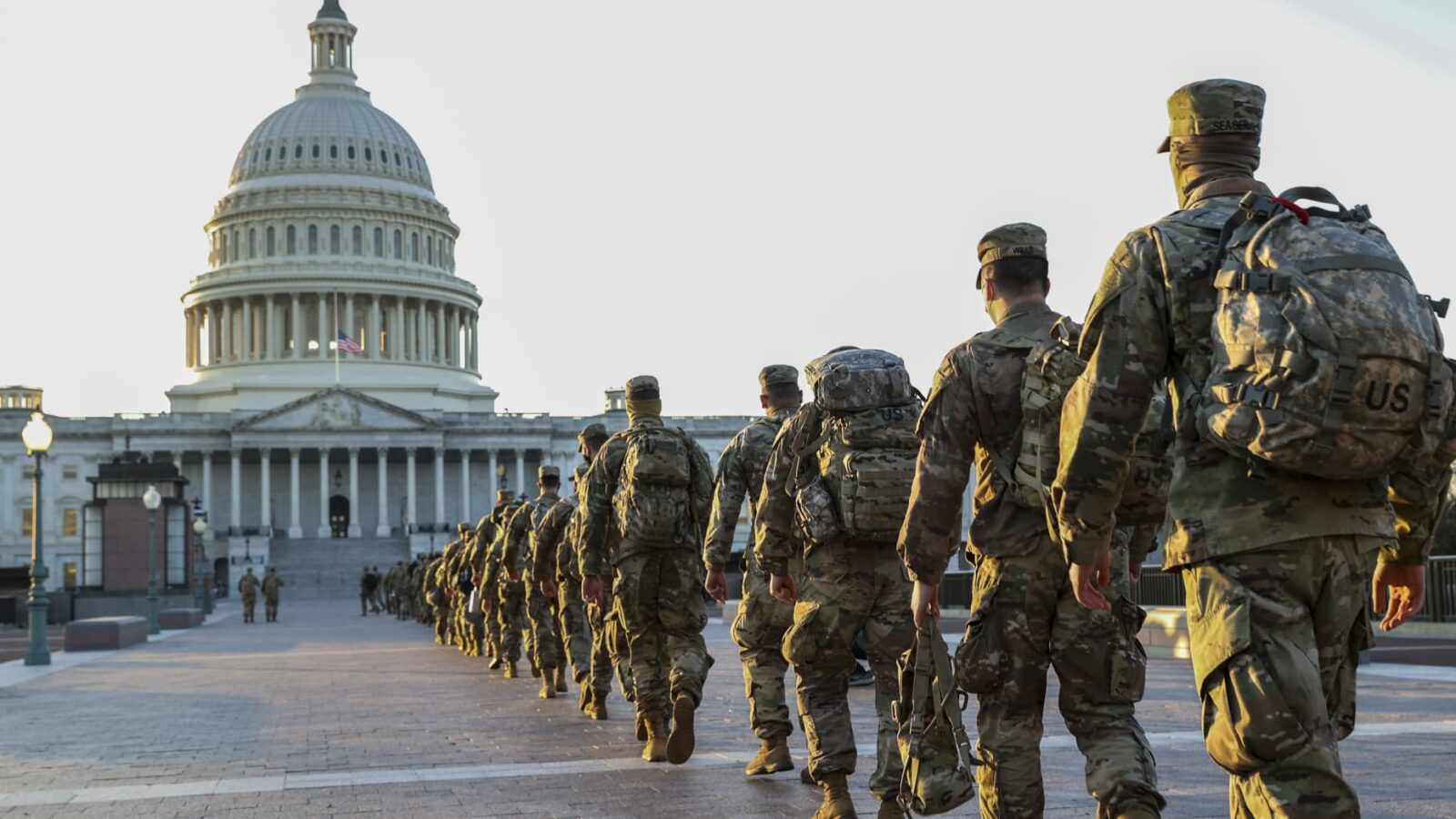
After the assault on the U.S. Capitol became apparent, National Guard troops deployed, Department of Defense officials said in a phone briefing on Jan. 7, 2021 After the attack on Capitol Hill, U.S. National Guard troops were dispatched to the area and for some time served as reinforcements to provide security in the area.


 Set as preferred source
 Set as preferred source


 2 min read