Newsletters


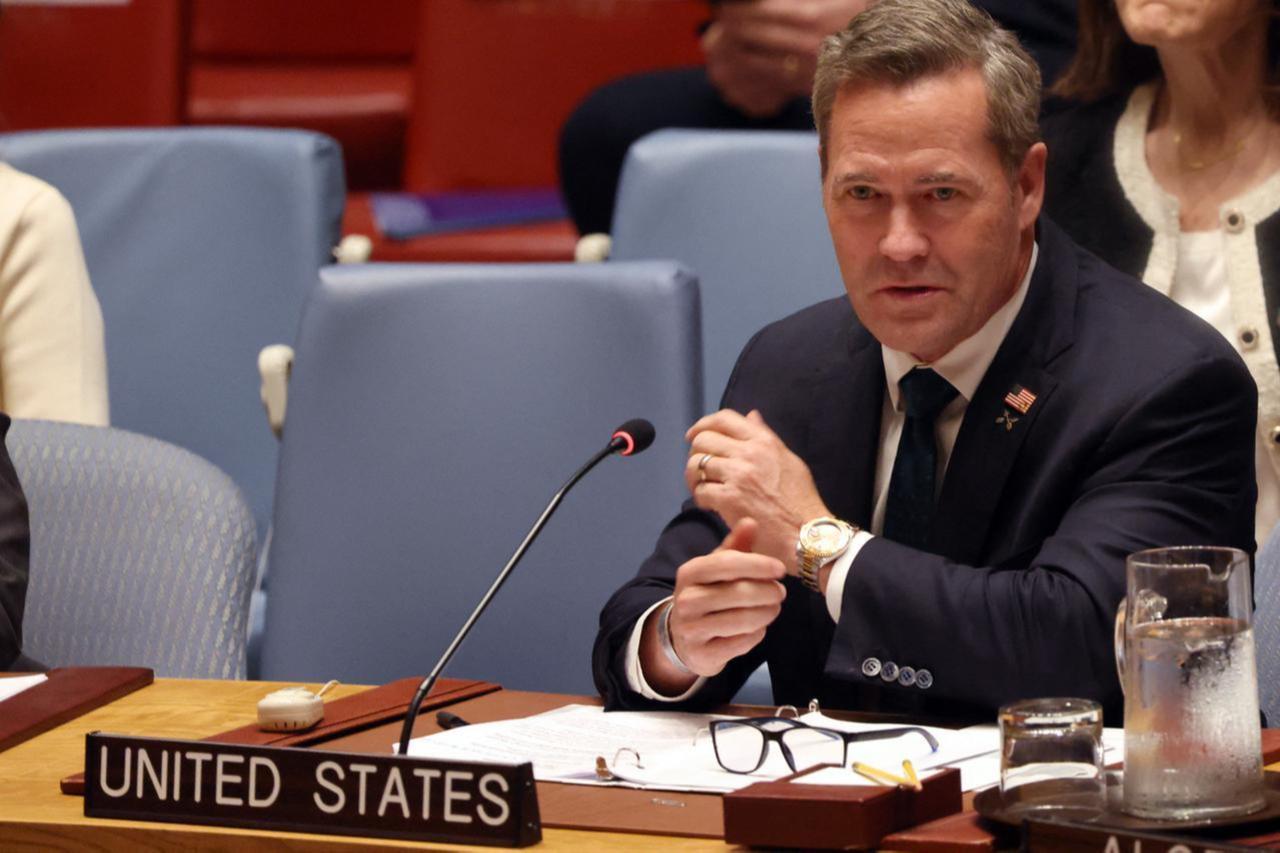


U.S. and Cuban officials engaged in a shouting match on the floor of the U.N. General Assembly on Tuesday. It was the latest in a series of public spats between the longtime adversaries over Washington’s escalating economic campaign against Havana.
The exchange began shortly after Mike Waltz, the U.S. ambassador to the United Nations, took the podium to urge countries not to support this week’s annual resolution condemning the U.S. economic embargo on the island. As Waltz detailed years of alleged corruption by Cuba’s socialist government, members of the Cuban delegation, including Foreign Minister Bruno Rodriguez, began slamming their hands on their designated table and calling for a point of order.
As U.N. officials tried to calm the outbursts, Rodriguez walked down the aisle toward the head of the General Assembly hall and shouted at Waltz, “You are a liar!”
Waltz answered, “You understand who you’re dealing with? This is America. Back up.”
The moment was a sharp departure from the decorum typical of the world body. It also reflected the rising tension between the two countries as President Donald Trump’s administration seeks to force changes to Cuba’s political system by tightening an already punishing economic campaign.
Cuba was already struggling with long-running economic and financial troubles. In late January, Trump announced that he would impose tariffs on any country that sells or provides oil to the island. The warning has effectively cut off Cuba’s fuel supply and led to widespread power outages. The blackouts disrupt basic activities, including cooking, the water supply, and internet and telephone services.
Tuesday’s outburst came a week after a similar encounter between Waltz and Cuba’s U.N. ambassador, Ernesto Soberon Guzman. That confrontation took place outside a U.S.-hosted panel with Cuban dissidents and former prisoners. The event was meant to highlight allegations of oppressive behavior by the Cuban government.
Waltz and other U.S. officials have used such events and gatherings at the United Nations to persuade member states to vote against the resolution on Wednesday. It calls out what it describes as the U.S. government’s “maximum pressure policy” against Cuba.
The measure has drawn overwhelming support for 34 years. Last year it passed 165-7, with 12 abstentions. Argentina, Ukraine and Hungary opposed it for the first time. The embargo itself dates to the early 1960s, and Cuba has long argued that it amounts to a blockade that harms its people. General Assembly resolutions are not legally binding, but they reflect world opinion.
In a post on X after the exchange, Waltz said a Cuban “diplomat” tried to intimidate U.N. staff into cutting his microphone while he “exposed the regime for the world to see.” He said the same person then tried to intimidate one of his American diplomats who noticed what was happening.


 Set as preferred source
 Set as preferred source


 1 min read

 1 min read