Newsletters


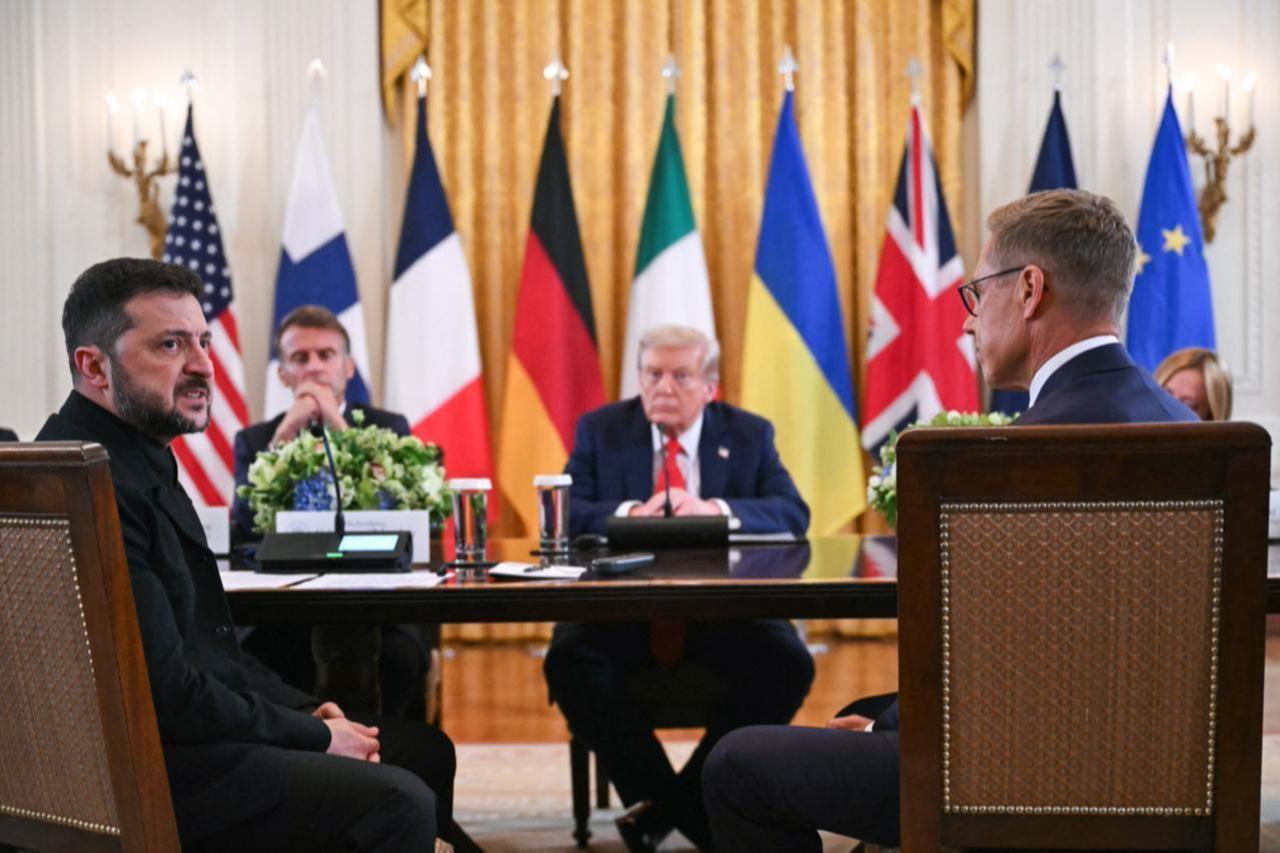


The United States and European Union have developed an ambitious $800 billion funding strategy to rebuild Ukraine following the end of Russia's invasion, according to an 18-page document obtained by POLITICO.
The European Commission distributed the proposal to EU member states ahead of a leaders' summit Thursday evening, outlining a decade-long plan to guarantee Ukraine's recovery while fast-tracking the country's path toward EU membership. The document, dated January 22, was discussed by officials who spoke on condition of anonymity due to the sensitive nature of the negotiations.
The reconstruction blueprint emerges as part of a broader 20-point peace framework the US is attempting to negotiate between Kyiv and Moscow, with a three-way meeting scheduled for Friday and Saturday in Abu Dhabi as the conflict approaches its fourth anniversary. However, the prosperity plan's viability depends entirely on achieving a ceasefire that remains out of reach while Russian President Vladimir Putin continues his full-scale invasion.
The proposal calls for $500 billion in public and private capital over the next 10 years from the EU, US and international financial institutions including the International Monetary Fund and World Bank. The European Commission plans to allocate an additional €100 billion to Kyiv through budget support and investment guarantees as part of the bloc's next seven-year budget beginning in 2028, which officials expect will unlock €207 billion in investments for Ukraine.
Washington committed to mobilizing capital through a dedicated US-Ukraine Reconstruction Investment Fund, though the document did not specify an amount. The US indicated it would invest in critical minerals, infrastructure, energy and technology projects in Ukraine.
The funding strategy extends through 2040 and includes an immediate 100-day operational plan to launch the initiative.
 1 min read
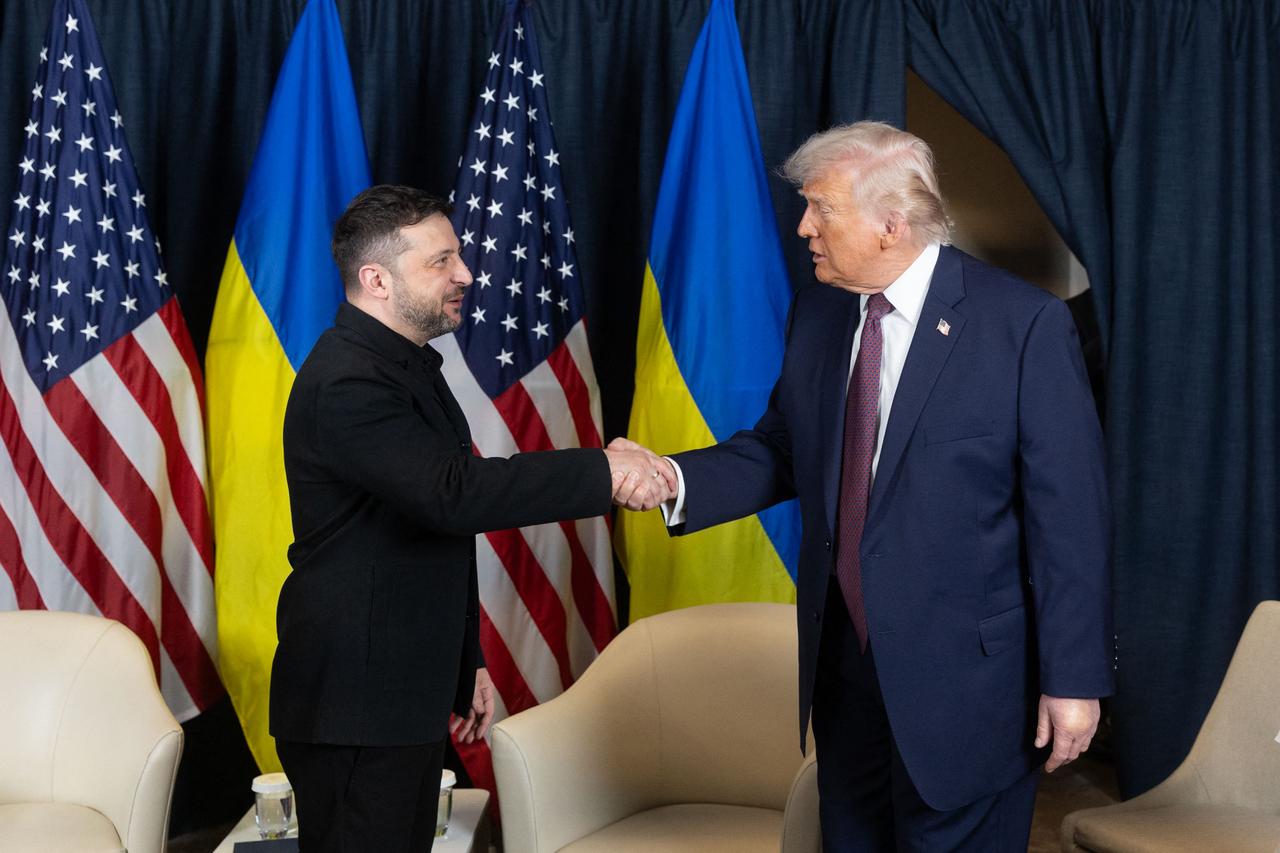
Despite the substantial pledges, investment experts warn that attracting private capital will prove nearly impossible while combat operations continue. BlackRock, the world's largest money manager, is advising on the reconstruction plan pro bono, but the firm's vice chairman Philipp Hildebrand expressed skepticism about immediate implementation.
"If you're a pension fund, you're fiduciary towards your clients, your pensioners. It's nearly impossible to invest into a war zone," Hildebrand said Wednesday in an interview at the World Economic Forum in Davos. "It's very hard to see that happening at scale as long as you have drones and missiles flying."
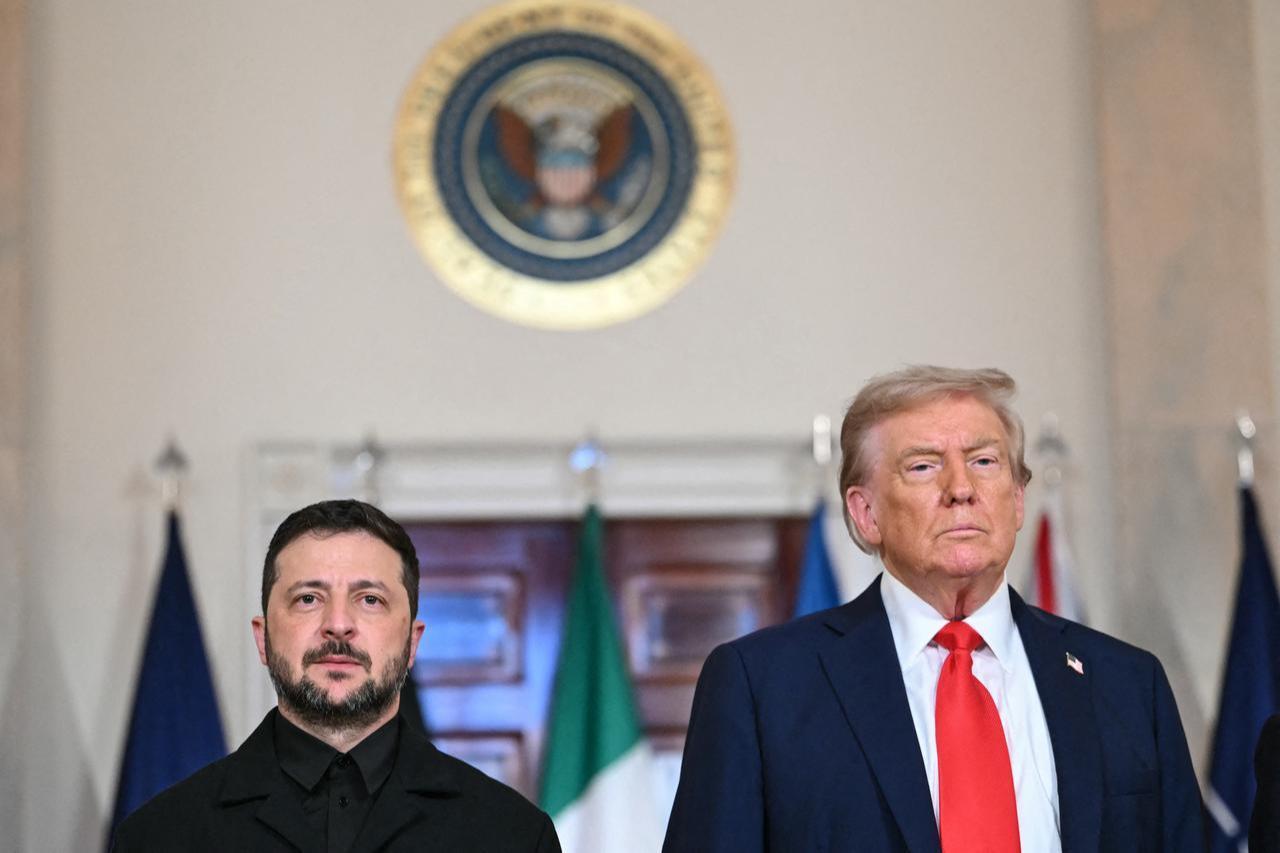

The document explicitly assumes security guarantees are already established and does not serve as a military roadmap. Instead, it focuses on transitioning Ukraine from emergency assistance to self-sustaining prosperity.
The US is cast in a prominent role, framed as a strategic economic partner, investor and credibility anchor for Ukraine's recovery rather than primarily as a donor. The plan anticipates direct participation by American companies and expertise on the ground, highlighting the country's role as a mobilizer of private capital.
BlackRock chief executive Larry Fink has participated in peace talks with Kyiv alongside US President Donald Trump's son-in-law Jared Kushner and special envoy Steve Witkoff, though the Trump administration has significantly reduced military and humanitarian support to Ukraine during the ongoing war while expressing willingness to invest after the conflict ends.


 Set as preferred source
 Set as preferred source



 1 min read