Newsletters


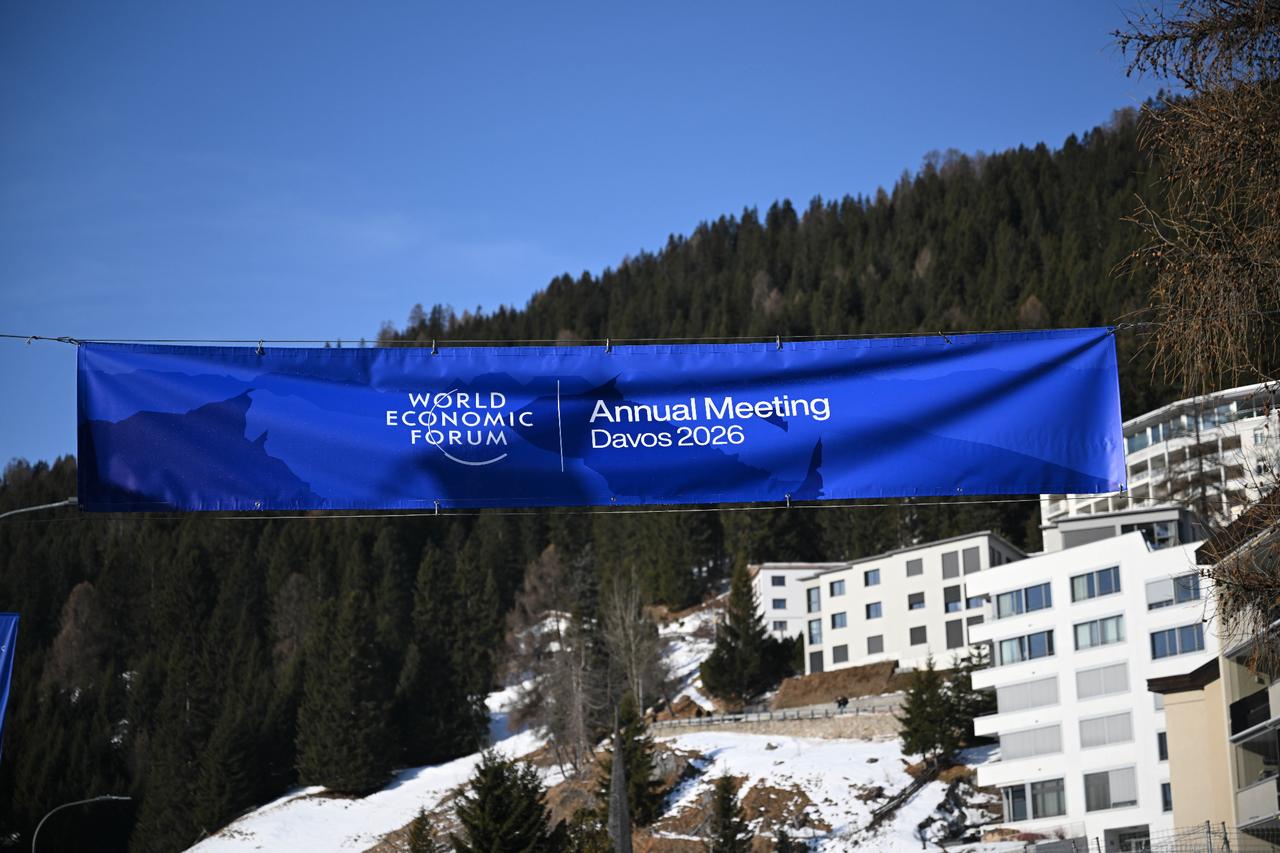


Russia and Ukraine offered positive assessments Tuesday following contacts with U.S. and European representatives on the sidelines of the World Economic Forum’s annual meeting in Davos.
After meeting for more than two hours with U.S. envoys Steve Witkoff and Jared Kushner at the U.S. House in Davos, Russian envoy Kirill Dmitriev described the talks as “constructive.”
“More and more people are realizing the correctness of the Russian position,” he said.
Witkoff said the contacts went well.
“They were very positive,” he said.
Separately, Rustem Umerov, secretary of Ukraine’s National Security and Defense Council, said discussions on a possible settlement were taking place in Davos.
“Working in Davos alongside (the head of the Office of the President of Ukraine) Kyrylo Budanov and (lawmaker) David Arakhamia. In the morning, together with David Arakhamia, we held a meeting with the national security advisers of France, Germany and the U.K. We synchronized approaches to security guarantees and further diplomatic work,” Umerov wrote on Telegram.
He said additional meetings focused on security guarantees, economic development and Ukraine’s reconstruction would follow later.
Budanov said he felt “cautiously optimistic” about progress in the peace process but warned against expectations of an imminent breakthrough.
“Peace will not come tomorrow,” he said, adding that much depends on Russia’s position, “whether someone likes it or not.”

The World Economic Forum meeting in Davos, held annually in Switzerland, brings together political leaders, business executives, academics and public figures to discuss global economic, geopolitical and social issues.
U.S. President Donald Trump has pursued a personal approach to ending the war in Ukraine, marked by discreet contacts between his advisers and both Russian and Ukrainian officials.
His proposed framework centers on U.S.-backed security guarantees for Kyiv and greater burden-sharing by European allies, while leaving unresolved the status of Russian-controlled territories and the Zaporizhzhia nuclear power plant.
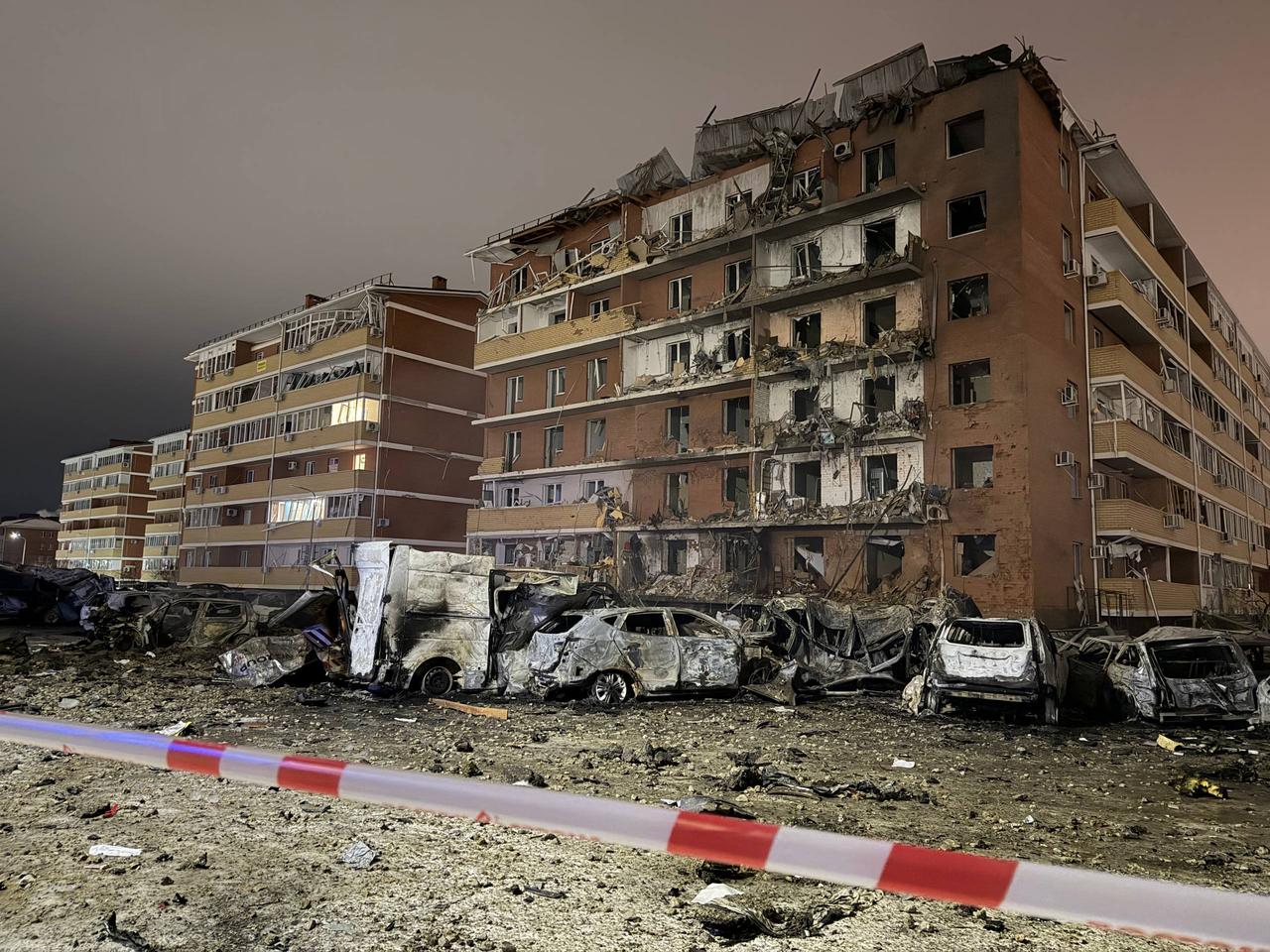
Meanwhile, Russia and Ukraine each reported civilian casualties Tuesday from air attacks blamed on the other side.
In Russia’s Bryansk region, two civilians were killed when a Ukrainian kamikaze drone struck a civilian vehicle in the Pogarsky district, Governor Alexander Bogomaz said on Telegram.
“Ukrainian terrorists attacked a moving civilian vehicle with kamikaze drones in the village of Chausy, Pogarsky district. Unfortunately, two civilians were killed as a result of the terrorist attack,” he said.
In Ukraine, Ivan Fedorov, head of the Zaporizhzhia Regional Military Administration, said Russian shelling killed a married couple and their 57-year-old neighbor.
He said at least six private homes were damaged and three vehicles burned.
Separately, Ukrainian President Volodymyr Zelenskyy said Russian strikes on energy infrastructure had left more than one million people in Kyiv without electricity.
“As of this evening, more than one million consumers in Kyiv alone are without electricity. A significant number of buildings are without heat—more than 4,000 apartment blocks,” Zelenskyy wrote on Telegram.
“All efforts must be directed toward easing the situation,” he added.


 Set as preferred source
 Set as preferred source


 1 min read
 1 min read