Newsletters




The United States and Iran are quietly exchanging messages even as their governments publicly insist no negotiations are taking place, a contradiction that lays bare the desperate, disorganized search for an exit from a conflict now in its third week, as per the Axios Report.
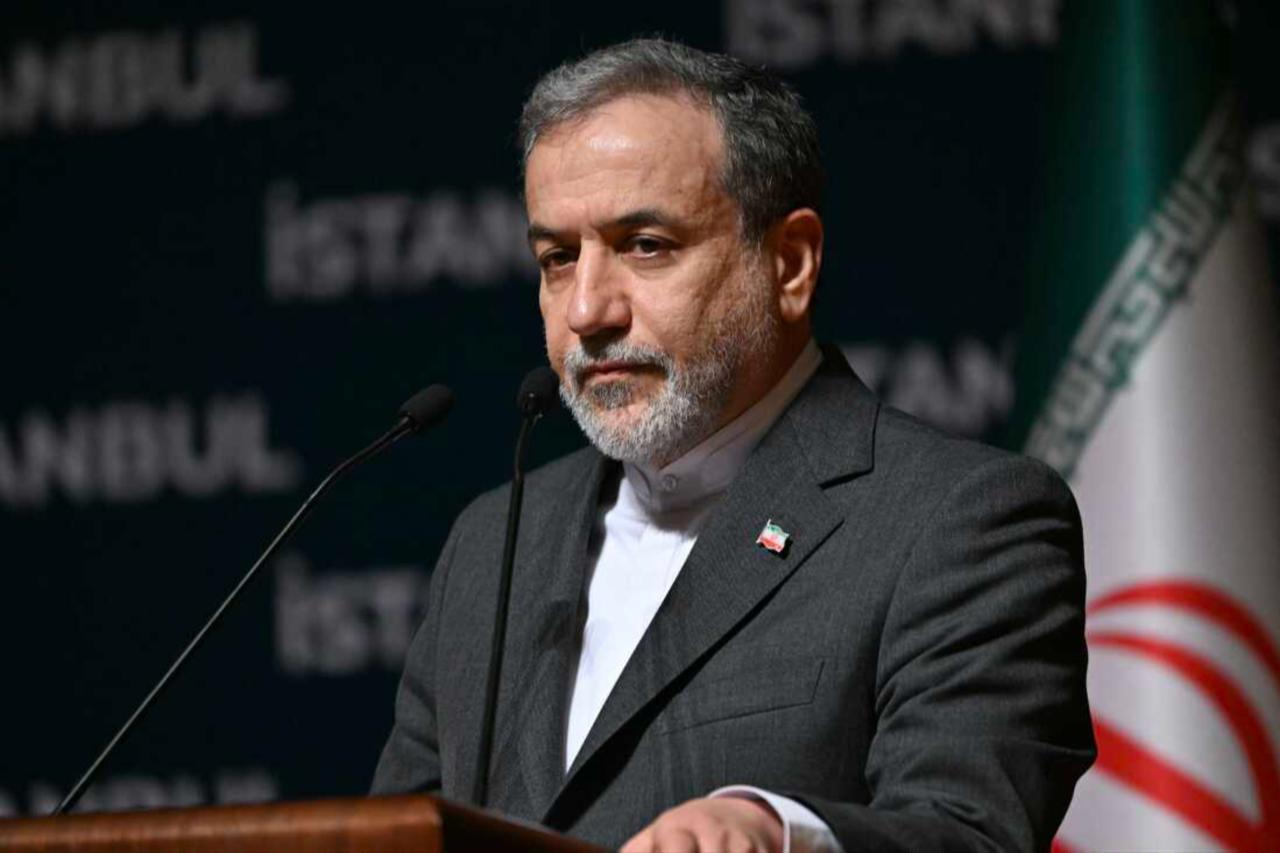
Text messages between US special envoy Steve Witkoff and Iranian Foreign Minister Abbas Araghchi represent the first confirmed direct contact between Washington and Tehran since hostilities began.
But the exchanges have been clouded by mutual finger-pointing over who initiated them, conflicting accounts of their substance, and deep uncertainty on the American side about whether anyone in Iran's decimated leadership actually has the power to make peace.


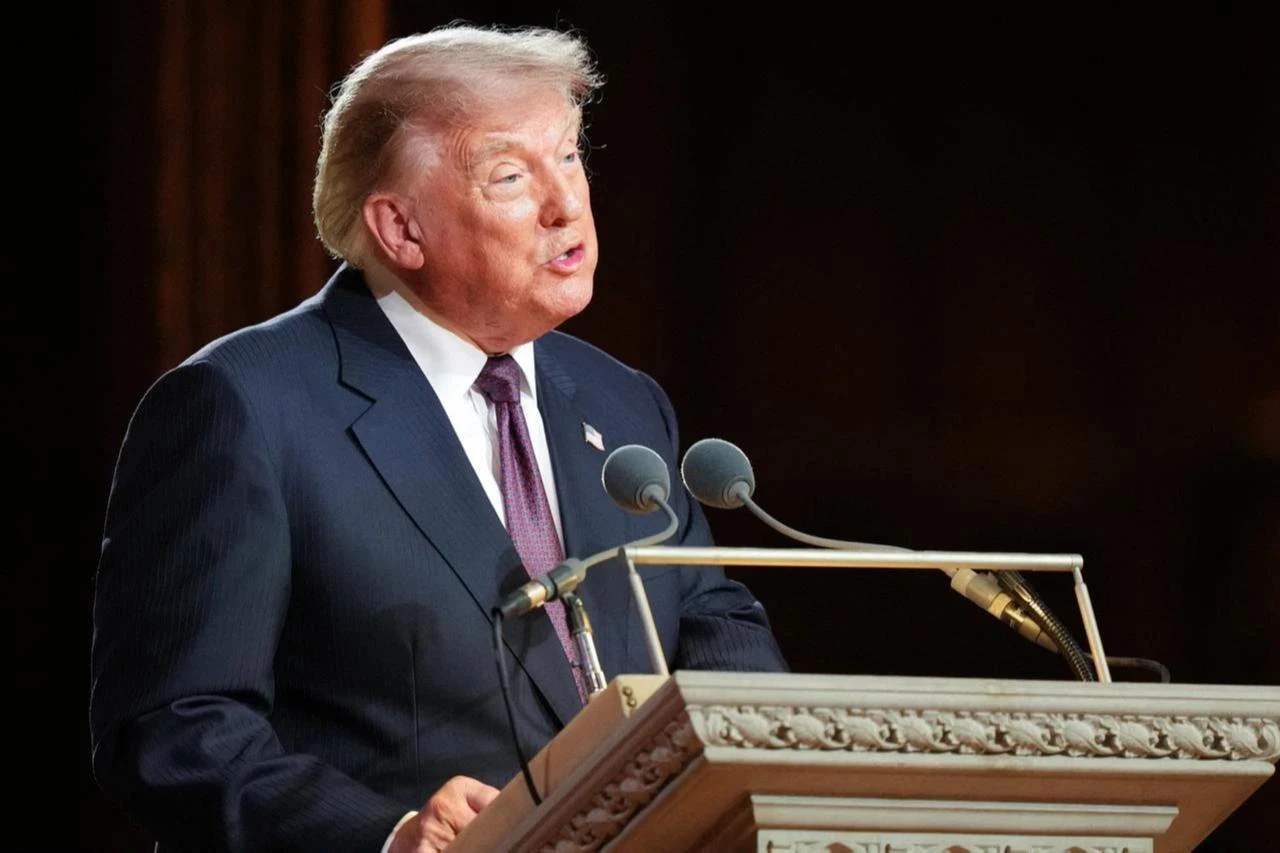
President Trump's public remarks Monday captured the paradox at the heart of the situation. He confirmed that Iranian officials had been in touch but questioned whether his counterparts had any real mandate. "They want to make a deal. They are talking to our people... we have people wanting to negotiate, but we have no idea who they are," he told reporters.
That uncertainty stems from the devastation the war has inflicted on Iran's leadership hierarchy. Trump noted that many top officials are dead and suggested that even Mojtaba Khamenei, who assumed the position of supreme leader, may not be alive, saying he has not been seen publicly.
Despite those doubts, Trump indicated he would not shut the door on engagement, "because sometimes good things come out of it."
Even the basic question of who picked up the phone is in dispute. A US official told Axios that Araghchi initiated the contact and that Washington "is not talking" to Iran. Drop Site News, however, reported that Witkoff had been the one sending messages, citing Iranian officials who said Araghchi was ignoring the American envoy's outreach.
Neither account offered detail on the volume or content of the texts beyond their general focus on ending the war.
The competing versions suggest both sides see strategic value in appearing reluctant rather than eager, a dynamic familiar in wartime diplomacy where the side perceived as more desperate to talk often finds itself negotiating from a weaker position.


 Set as preferred source
 Set as preferred source


 2 min read
 1 min read