Newsletters


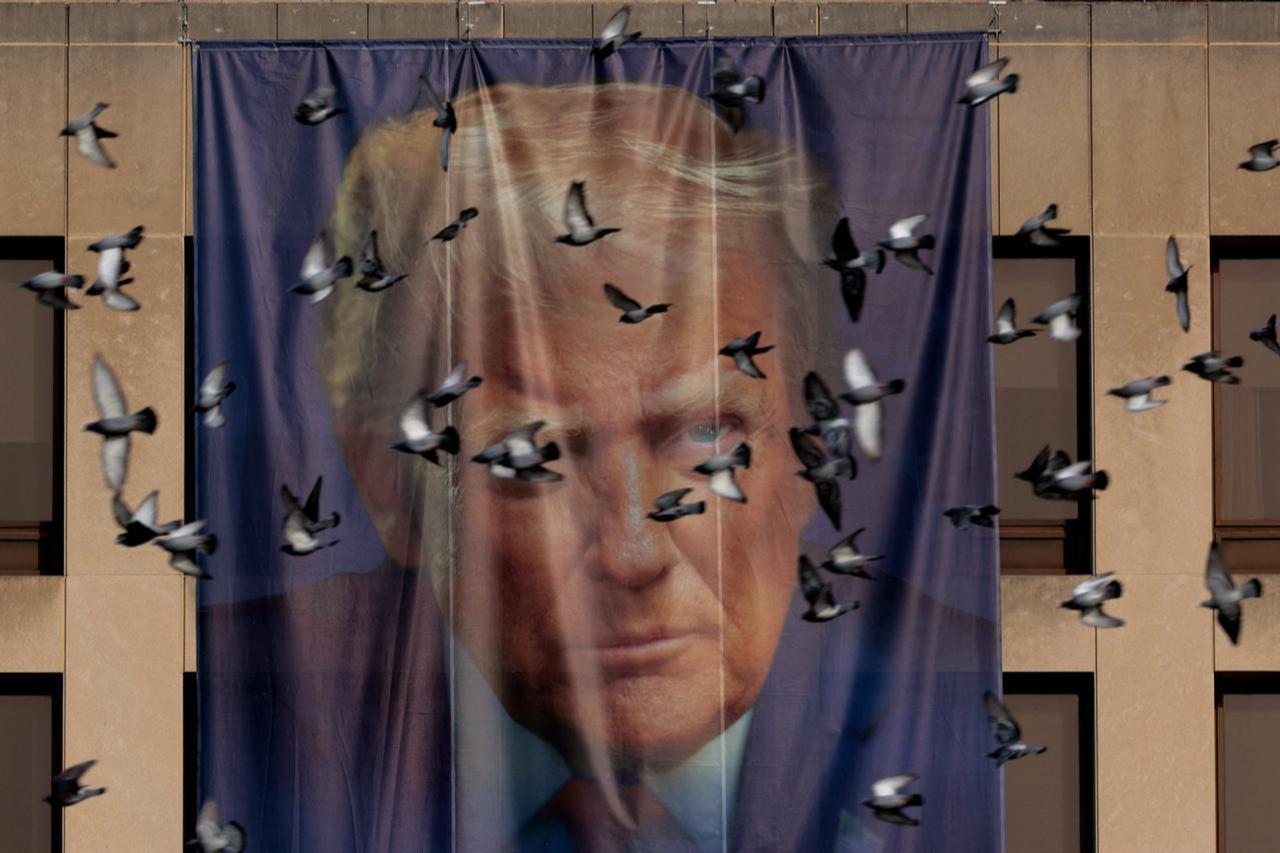


The United States will maintain control over Venezuelan oil sales for the foreseeable future, Energy Secretary Chris Wright announced Wednesday, expanding on a arrangement disclosed by President Donald Trump that gives Washington authority to market up to 50 million barrels of Venezuelan crude.
Wright told attendees at a Goldman Sachs energy event in Miami that American control would extend beyond the initial stockpile of stored oil to encompass ongoing production from the South American nation, which holds the world's largest proven oil reserves.
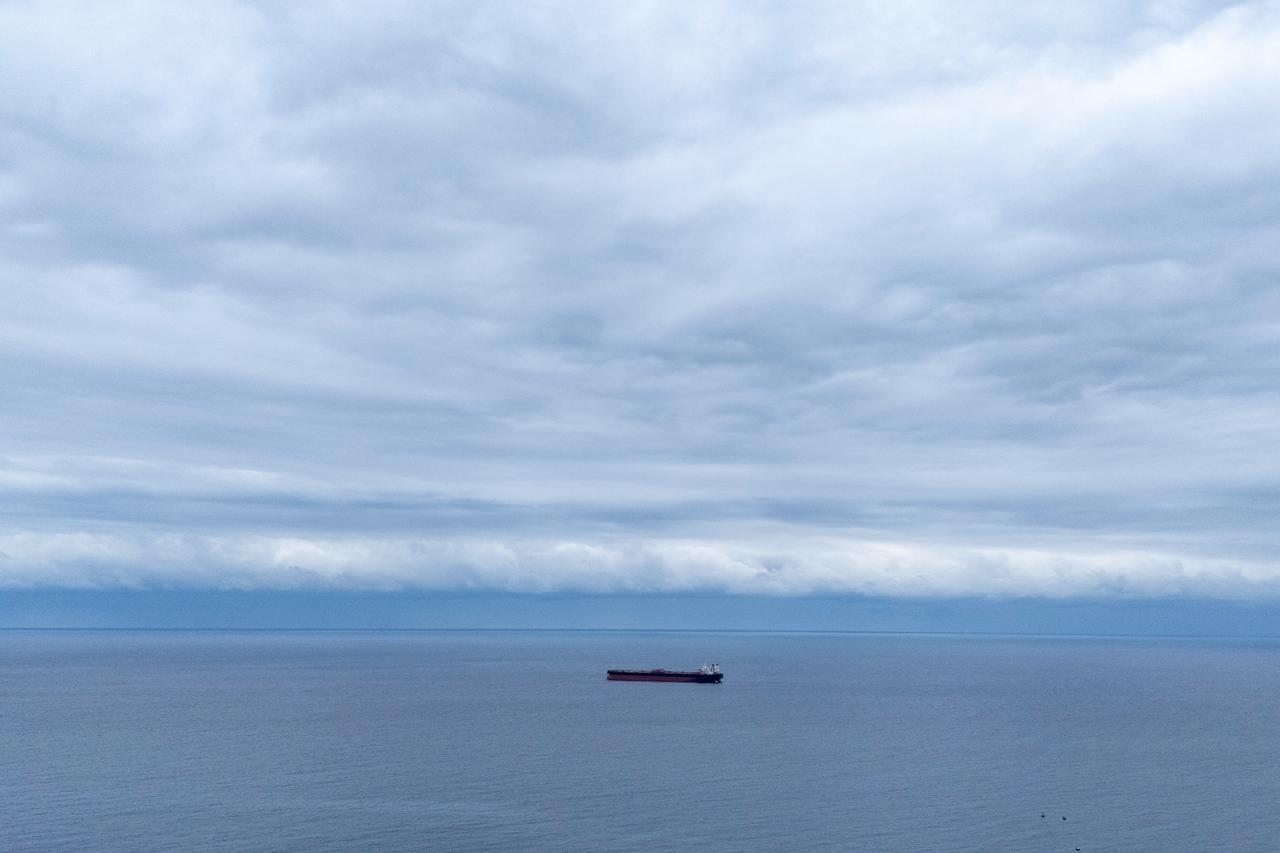
The announcement follows a dramatic escalation in US enforcement actions against vessels carrying Venezuelan crude, including the unprecedented seizure of a Russian-flagged tanker that was shadowed by a Russian submarine during a two-week pursuit across the Atlantic.
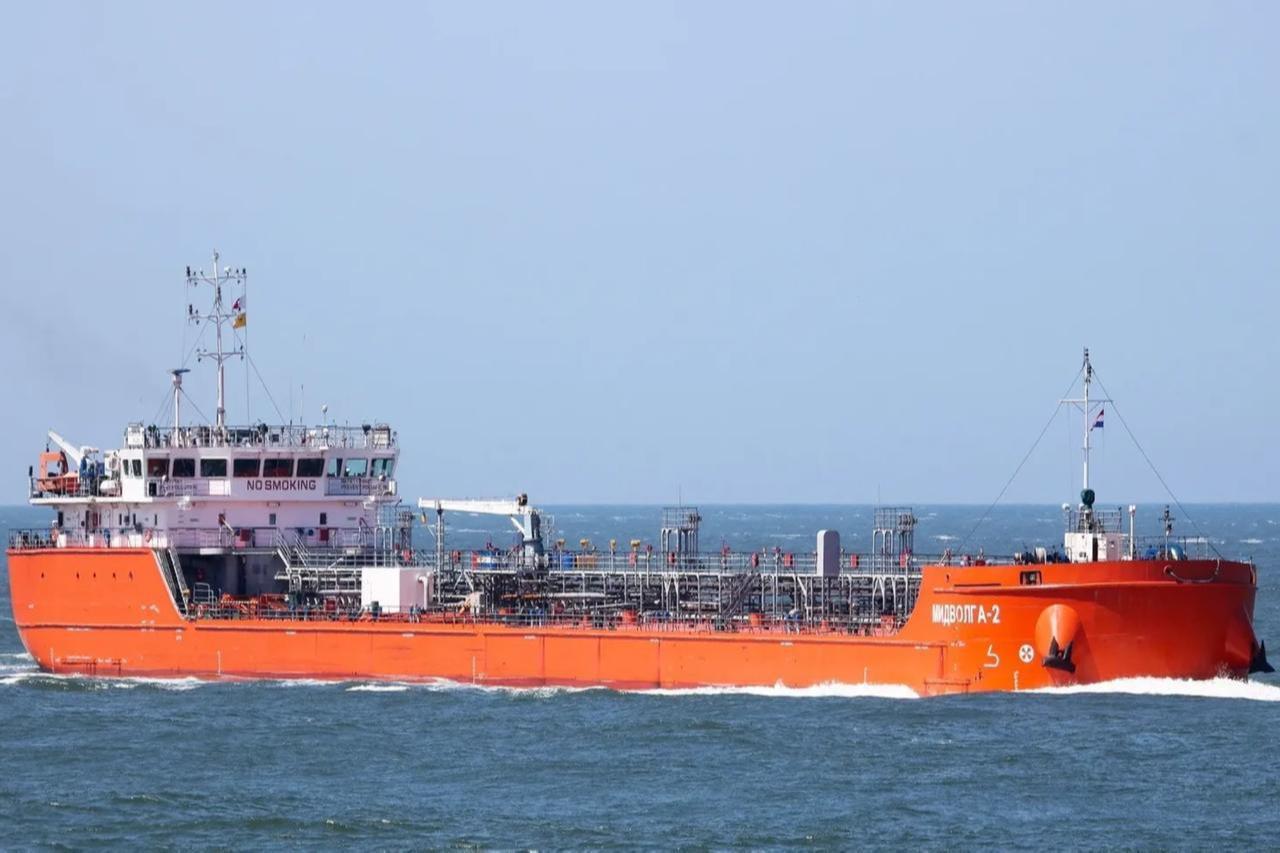

The Coast Guard and US military intercepted the Marinera near Iceland on Wednesday after tracking the vessel for more than two weeks, according to US officials speaking on condition of anonymity. The operation marked the first known American seizure of a Russian-flagged ship in recent memory.
US Defense Secretary Pete Hegseth declared on social media that Washington's blockade of Venezuelan oil "remains in FULL EFFECT — anywhere in the world."
Russian military vessels were present in the general area during the operation, including a submarine, though officials reported no direct confrontation between American and Russian forces. Moscow did not immediately comment, but Russian state media outlet RT published images of a helicopter near the ship.
The Marinera had previously evaded a US maritime blockade in the Caribbean and refused Coast Guard boarding attempts. After those encounters, the vessel registered under a Russian flag and changed its name from the Bella-1.
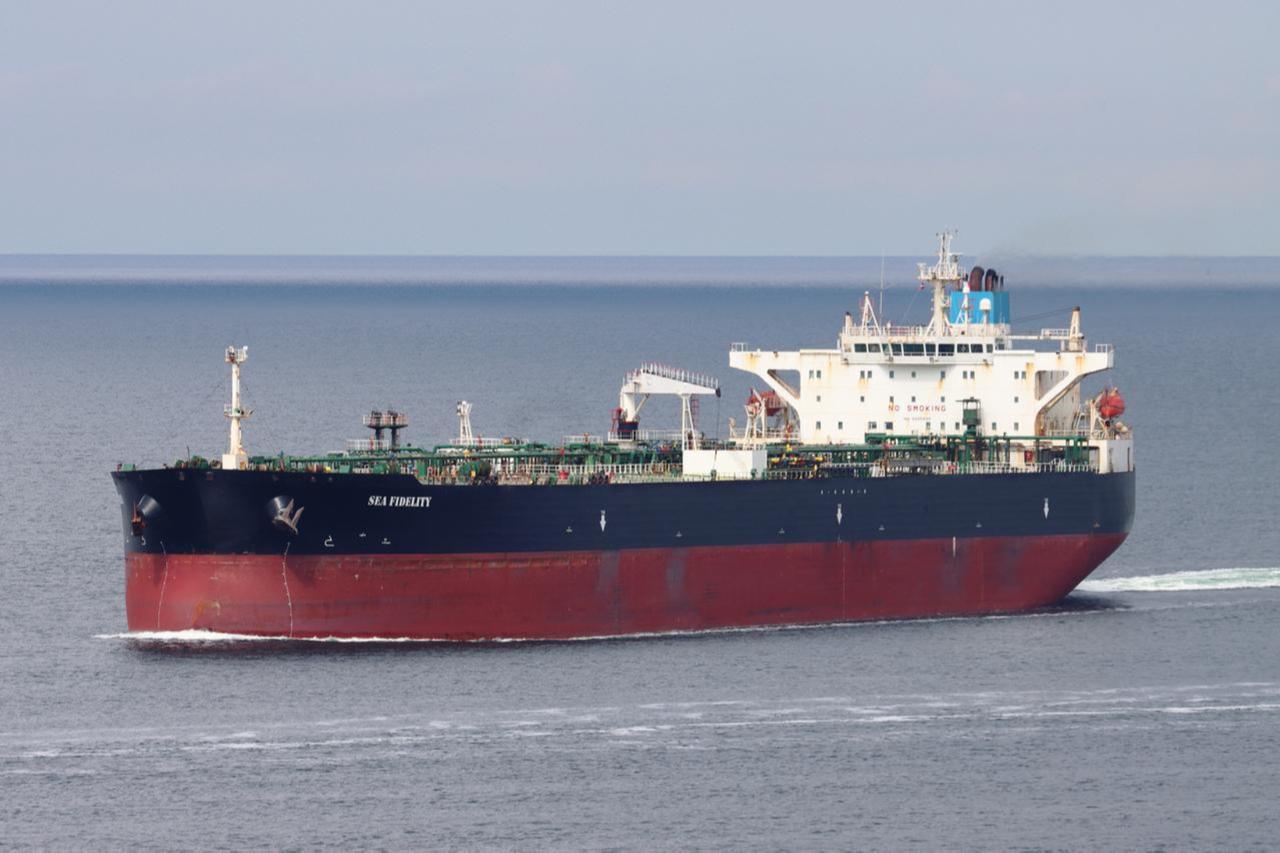
Separately, the Coast Guard seized the Panama-flagged supertanker M Sophia in Latin American waters Wednesday morning. US Southern Command described the vessel as a "stateless, sanctioned dark fleet motor tanker" and said it would be escorted to the United States.
The M Sophia had departed Venezuelan waters in early January as part of a fleet transporting oil to China with its tracking transponder disabled, according to shipping data and industry sources.
The tanker operations come less than a week after US special forces conducted a pre-dawn raid in Caracas on Saturday to capture President Nicolas Maduro and transport him to the United States for prosecution on drug trafficking charges.
Venezuelan officials have condemned Maduro's capture as a kidnapping and accused Washington of attempting to seize the country's oil reserves. The Trump administration has countered by claiming Venezuela stole American oil, referencing the nationalization of the country's energy sector over the past half-century.
Trump said Tuesday that Caracas and Washington reached an agreement allowing Venezuela to export up to $2 billion worth of crude to the United States, diverting supplies previously destined for China. The president has demanded that interim President Delcy Rodriguez grant the US and private companies "total access" to Venezuela's oil industry.
Venezuela has millions of barrels stored on tankers and in storage facilities that it cannot ship due to the American blockade imposed in mid-December. The country has relied on a "shadow fleet" of tankers that disguise their locations or use vessels already sanctioned for transporting Iranian or Russian oil since the US imposed energy sanctions in 2019.
As Venezuelan exports remain constrained, Mexican President Claudia Sheinbaum said Wednesday that her country has become a "major provider" of oil to Cuba, which depends on discounted supplies from allies to withstand US sanctions.
Sheinbaum clarified that Mexico is not currently sending Cuba more oil than historical levels, responding to a Financial Times report showing Mexican exports to the island surpassed Venezuelan shipments in 2025.


 Set as preferred source
 Set as preferred source


 1 min read
 1 min read