Newsletters


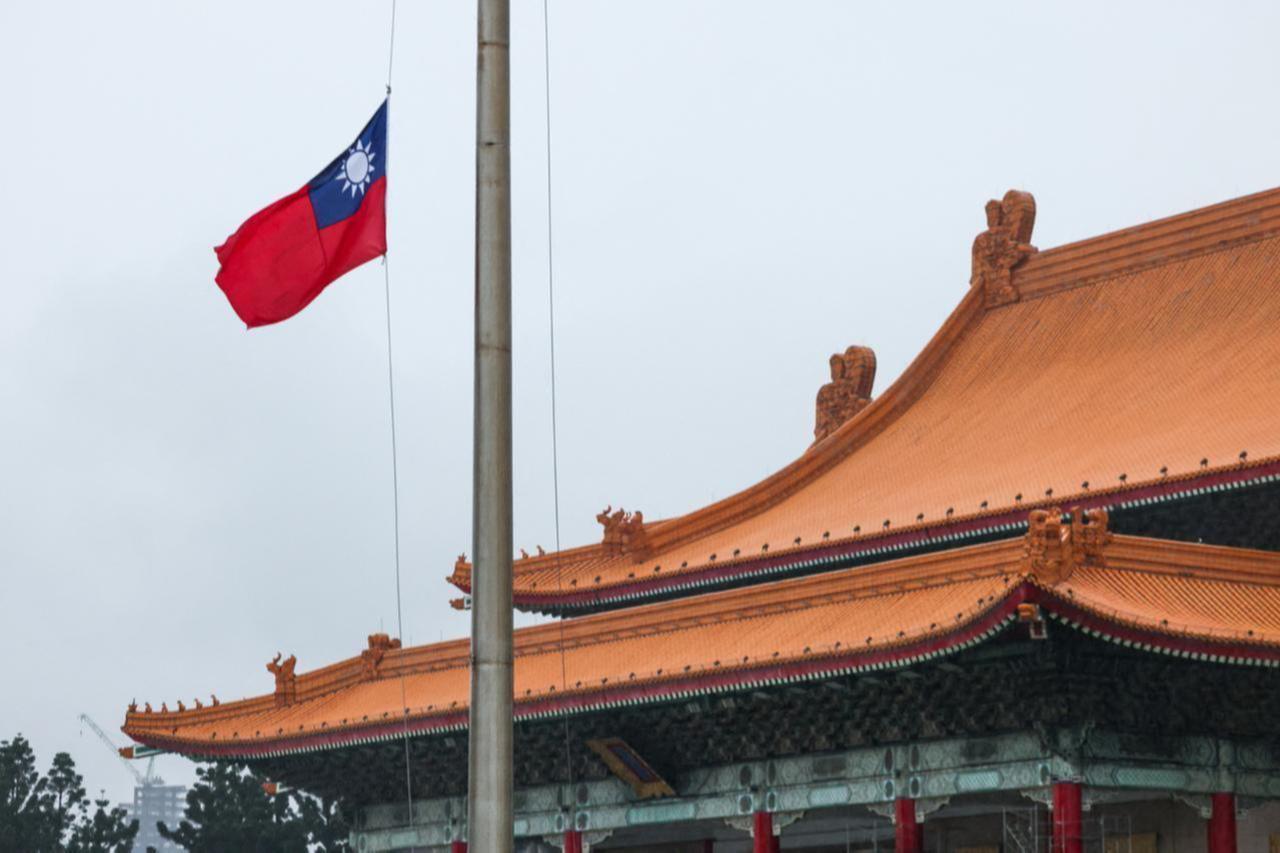


The United States' approach to Taiwan has not shifted following high-level talks in Washington last week, US Ambassador to China David Perdue said Sunday, insisting that the Trump administration remains committed to the one-China policy while continuing to expand defensive arms sales to Taipei.
"Our support for that has not changed," Perdue said in an interview with Fox News. "We do not support independence, and we do not support coercion."
The remarks come as Perdue pushed back on criticism that Washington has not done enough to arm Taiwan against potential aggression from Beijing, describing President Donald Trump as "as strong on Taiwan as I have ever seen anybody."
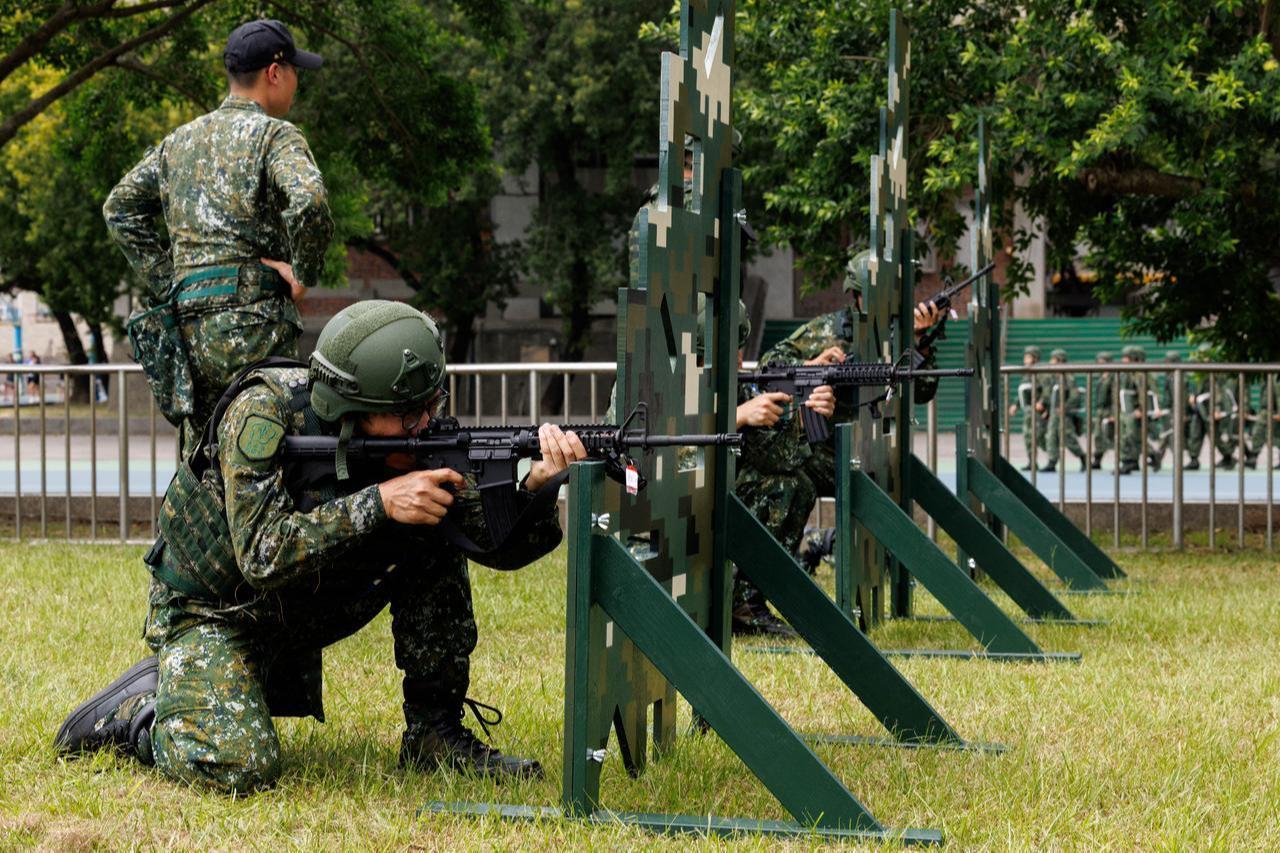

Perdue said Trump has authorized 50% more arms transfers to Taiwan than any US president since 1979, the year Washington established the Taiwan Relations Act, which governs unofficial US relations with the island and has underpinned American arms sales policy since. That figure includes an $11 billion package approved earlier, Perdue said, with additional defense shipments still under discussion.
He said the subject comes up regularly in conversations between Trump and Chinese President Xi Jinping. "He and President Xi talk about that every time they get together," Perdue said, noting that Trump often reminds foreign counterparts that the United States sells defense equipment around the world.
Perdue added that Trump had at one point even asked Xi whether Beijing would be interested in purchasing American arms.
Trump himself said Saturday that Taiwan was not a major focus of his recent meetings with Xi, saying the Chinese leader "understands very much" where he stands on the issue.
Perdue also addressed broader security concerns raised with Chinese officials, saying Washington has told Beijing that providing Iran with intelligence, components or military equipment amid the ongoing war there would be "totally unacceptable."
He said Xi had reaffirmed commitments first made in May, including opposition to Iran acquiring nuclear weapons, support for freedom of navigation through the Strait of Hormuz, a critical corridor for global oil shipments, and rejection of any fees imposed on maritime transit through the waterway.
On technology policy, Perdue said Chinese officials are increasingly acknowledging the risks associated with frontier artificial intelligence systems. He said the United States intends to continue diplomatic engagement with Beijing on the issue going forward.


 Set as preferred source
 Set as preferred source


 1 min read
 1 min read