Newsletters


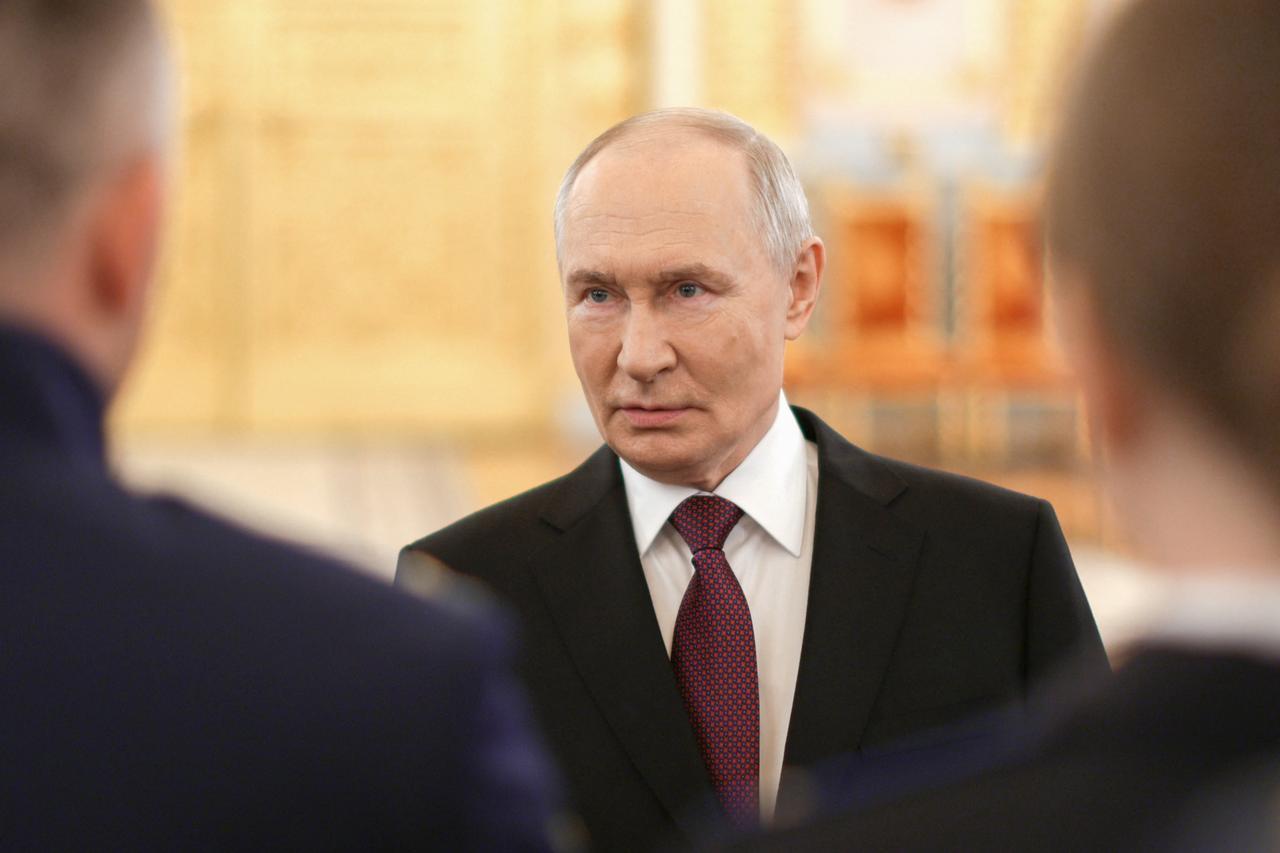


Russian President Vladimir Putin said Sunday that Russia is ready to continue negotiations with the United States to end the war in Ukraine, telling state television that Moscow expects American envoys Steve Witkoff and Jared Kushner to travel to Moscow once Washington is no longer preoccupied with the Iran war.
"We're ready to continue negotiations and discussion of the details and modalities, if not agreements, then at least the topics discussed in Anchorage," Putin said, referring to talks with U.S. President Donald Trump last year in Alaska.
Putin said Moscow had received new proposals aimed at limiting the fighting: one to halt long-range strikes deep inside Russian and Ukrainian territory, and another to confine combat to four occupied Ukrainian regions, Kherson, Zaporizhzhia, Donetsk and Luhansk.
He did not say who had proposed the measures.
Putin said he rejected the proposals, arguing that confining combat to the four regions would allow Ukrainian forces to redeploy troops from other sections of the front.
"It is clear why this proposal is being made, because our counter-strikes deep into Ukrainian territory are much stronger, have greater impact and are, frankly, more destructive," he said.
"Given their catastrophic shortage of personnel, the Ukrainian Armed Forces apparently believe this could be their salvation. But saving the Kyiv regime is not part of our plans," Putin noted.
 1 min read
He said Ukraine's strikes were "aimed at diverting our attention and forces from achieving the main objectives, the complete liberation of Donbas and Novorossiya," using a term referencing Donbas along with the adjacent Zaporizhzhia and Kherson regions.
Russia annexed all four regions seven months after its 2022 invasion, though it only partly controls them.
Putin also said Ukraine would "pay" for its incursion into Russia's Kursk region by losing territory Moscow says is needed to establish a security buffer zone, and suggested Ukrainian forces might attempt unexpected diversionary special-forces attacks aimed at distracting Russia from the Donbas campaign.
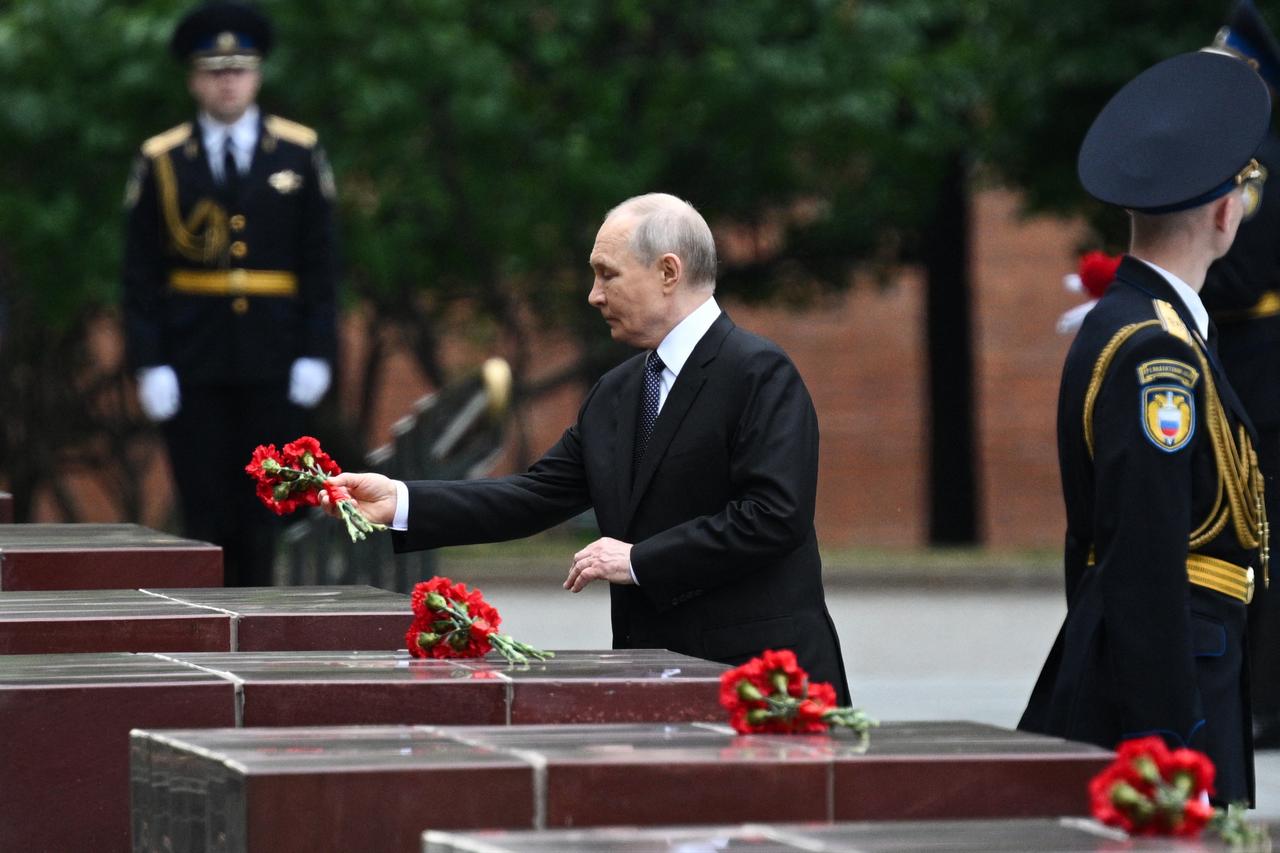

In a rare admission, Putin acknowledged that Ukraine's intensified drone campaign against Russian energy infrastructure has caused real difficulties.
"These strikes on our infrastructure sites are creating problems, that's obvious," he said in the television interview.
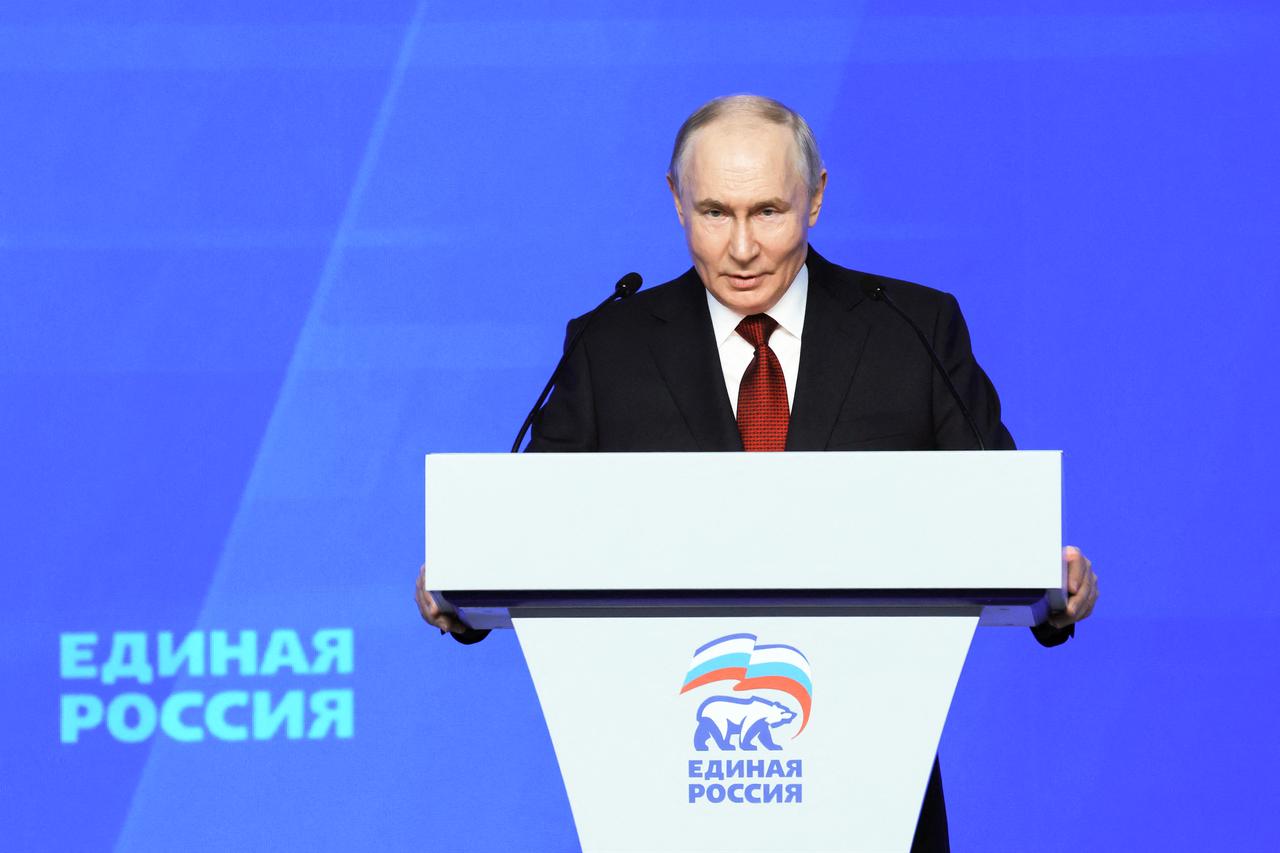
Speaking separately at the congress of his ruling United Russia party, Putin said: "Yes, we see the problems, we are aware of them and are responding to them, but we will certainly ensure the security of both the country and our citizens, as well as the inviolability of Russia's borders. We will undoubtedly overcome all the challenges facing us today, including terrorist attacks on our territory and infrastructure facilities."
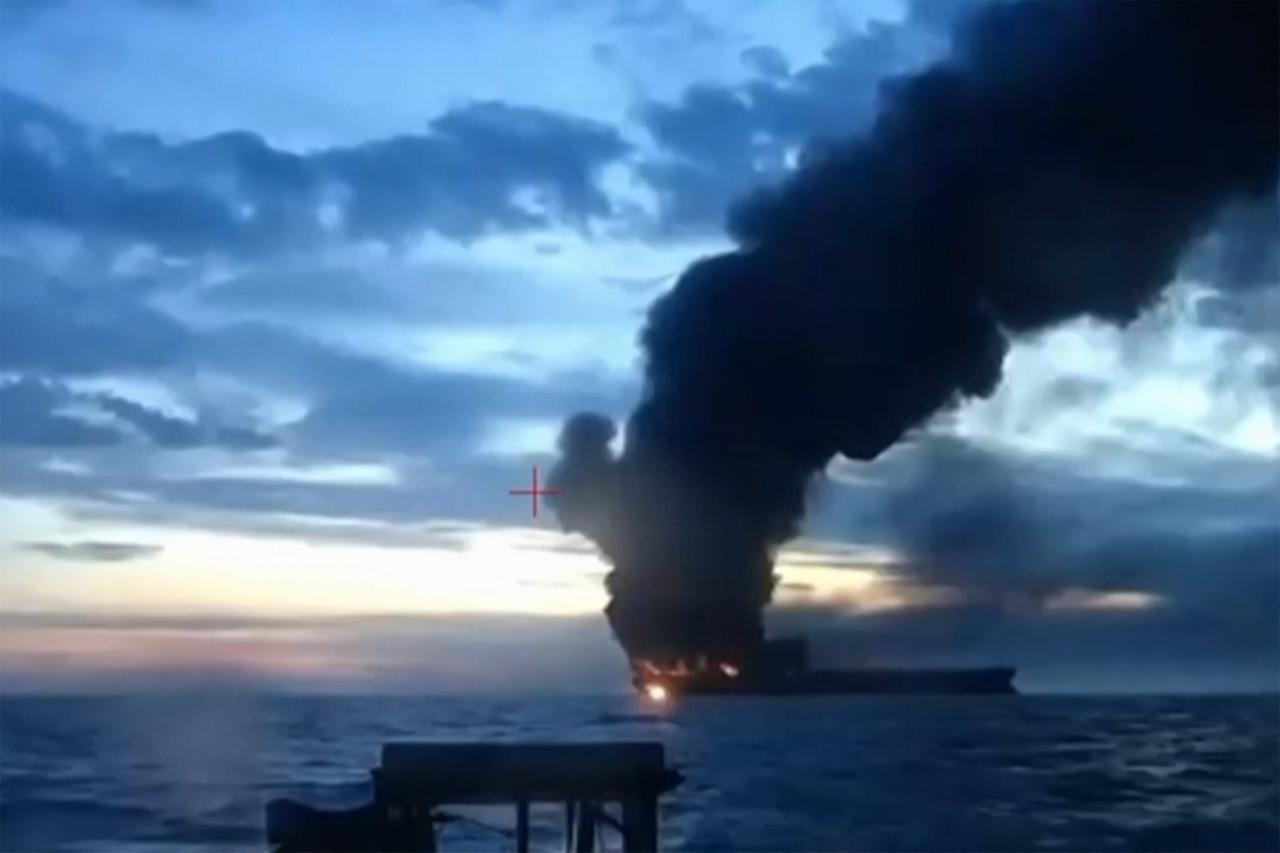
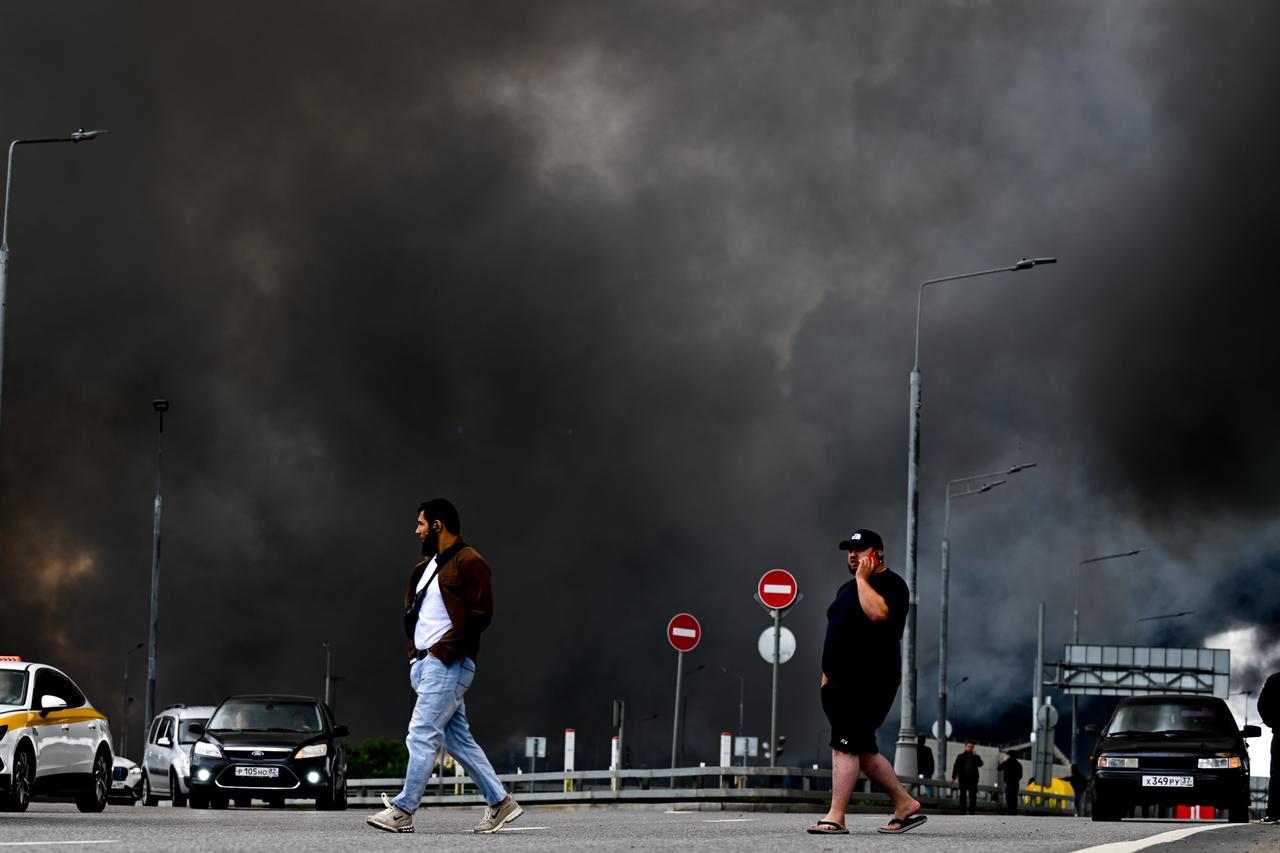
That speech came hours after a Ukrainian drone strike caused a fire at a refinery and killed one person in Russia's southern Krasnodar region.
Putin said Russia was facing "a certain shortage" of fuel as a result of the strikes, though he characterized it as "not critical" and said officials were working to restore supplies.
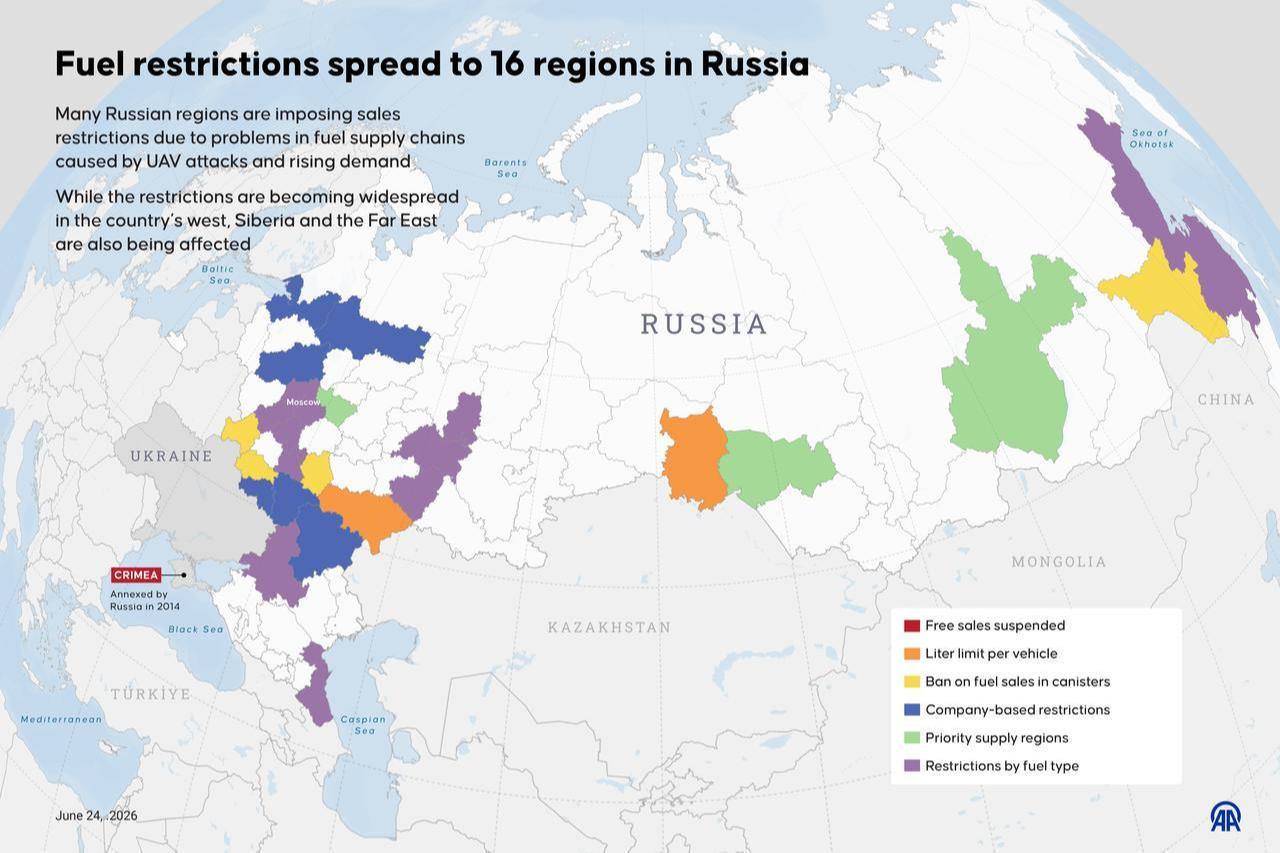
He told a separate meeting of senior officials on fuel supply and distribution that a task force was working to ensure sufficient fuel quantities were provided nationwide, and that Russia needed to minimize the effects of Ukrainian strikes on oil installations linked to the shortages.
Putin made a series of battlefield claims during the interview, saying Russian forces were within 10.5 kilometers of the northern regional capital of Sumy and in control of most of Lyman as well as Kostyantynivka, two cities in the Donetsk region considered linchpins of Ukraine's defensive "fortress belt."
Independent groups tracking the war using available footage say Russian forces remain more than 20 kilometers from Sumy, while small Russian infantry groups have managed only short-lived infiltrations into Lyman.
Military analysts and Ukrainian officials have acknowledged Russian advances inside Kostyantynivka but deny losing control of the city.
Putin insisted Russia's own deep-strike capabilities were "vastly more powerful, sensitive and destructive" than Ukraine's, despite the disruption caused by Kyiv's drone campaign.
Putin appeared to agree with recent comments from U.S. Secretary of State Marco Rubio that no formal agreement was reached during his Alaska talks with Trump last year, though proposals had been discussed.
"Nobody signed anything, but we talked about certain possibilities for ending the conflict in Ukraine," Putin said, adding that the American side had asked Russia to accept compromises contained in proposals put forward by U.S. negotiators. "We agreed," he said.


 Set as preferred source
 Set as preferred source


 1 min read