Newsletters


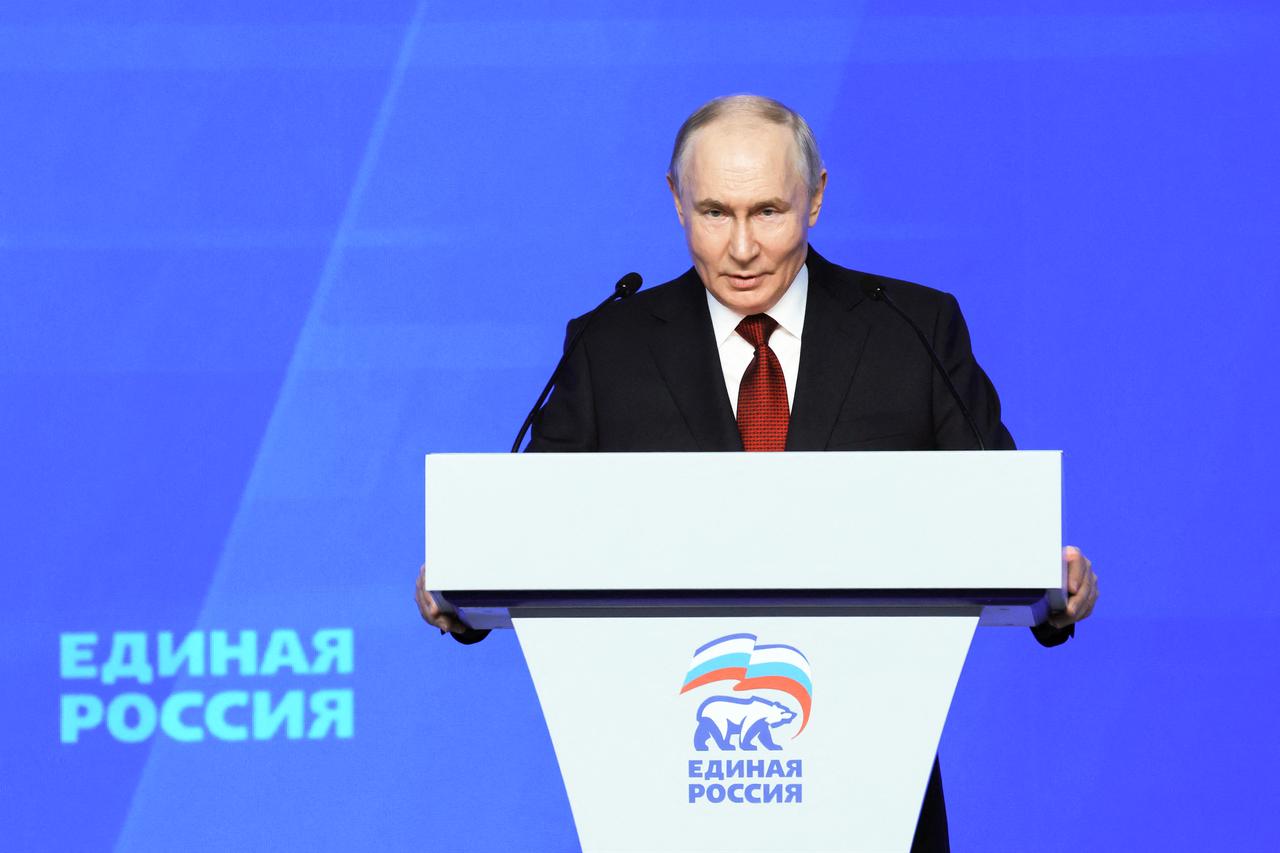


Russia sought to project resolve Sunday even as President Vladimir Putin conceded that Ukrainian strikes on Russian territory were straining the country's fuel supplies, offering a rare public acknowledgment of domestic vulnerabilities in a conflict now entering its fourth year.
In an interview published by the Kremlin, Putin said the strikes on energy infrastructure were causing "problems, that's obvious," adding that Russia was currently experiencing "a certain shortage, but it's not critical."
The admission came as Ukrainian drones and missiles have increasingly targeted oil refineries, logistics networks, and energy facilities deep inside Russian territory.
The strain was most visible in Russian-annexed Crimea, where authorities declared an "emergency situation" on Friday following fuel shortages and power cuts triggered by Ukrainian attacks on its logistics chains and oil facilities.
Russia seized the Black Sea peninsula from Ukraine in 2014 in a move rejected by the vast majority of the international community.
Putin said ensuring fuel supplies to Crimea was now among the Russian government's top priorities, alongside expanding the country's anti-aircraft defense capacity.
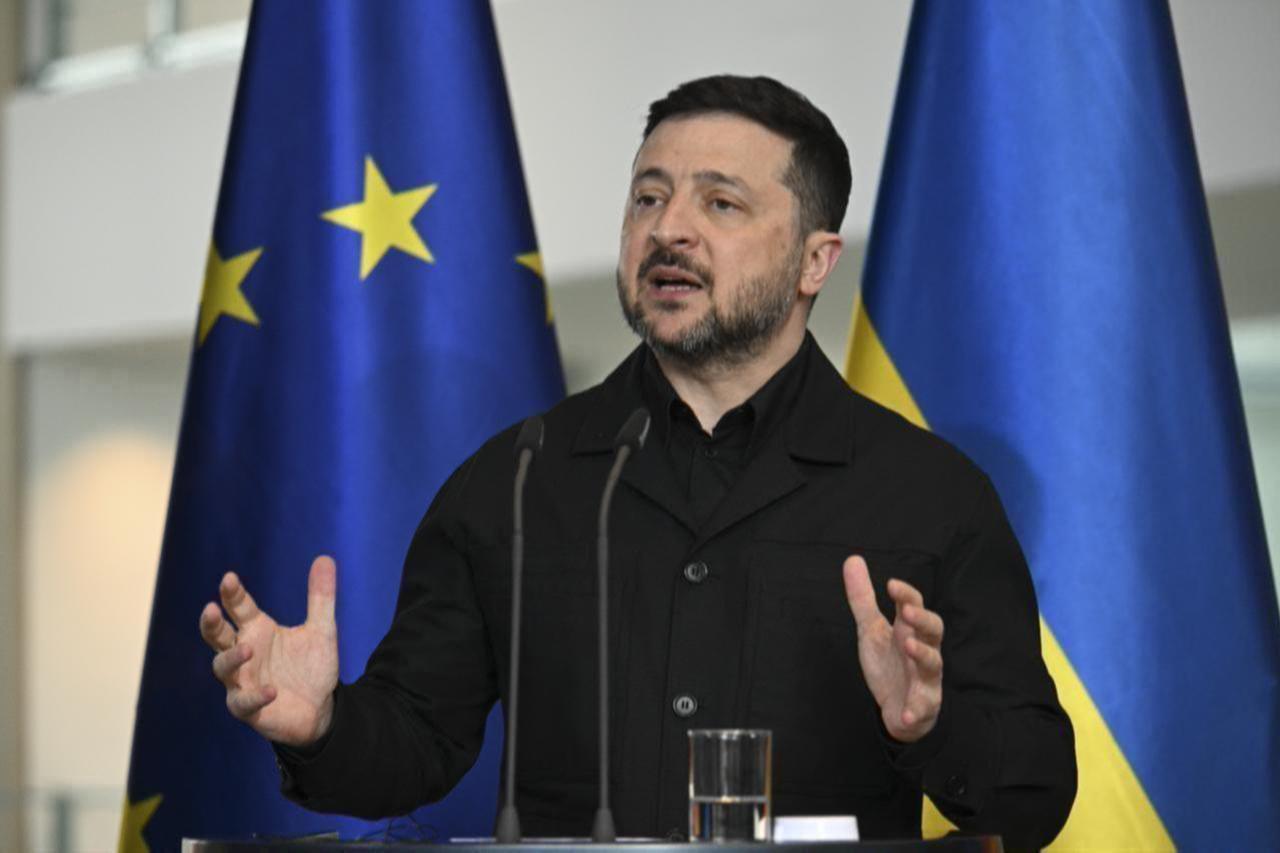

Ukrainian President Volodymyr Zelenskyy framed the strikes as a deliberate strategy to erode Russia's war-making capacity. He confirmed on X that Ukrainian forces had hit the Slavyansk oil refinery in the Krasnodar region, roughly 300 kilometers from the front line, as well as a refinery in the Yaroslavl region, approximately 700 kilometers from the Ukrainian border.
Kyiv has consistently described these operations as fair retribution for Russia's near-daily bombardment of Ukrainian civilians and energy infrastructure since Moscow launched its full-scale offensive in February 2022.
One person was killed in the Krasnodar region Sunday after a Ukrainian drone struck a refinery and sparked a fire, according to the regional governor. The strike followed a similar attack last week that ignited a major blaze at a refinery southeast of Moscow, blanketing the capital's suburbs in thick black smoke.
Hours before the Kremlin interview was published, Putin struck a defiant tone at a United Russia party congress, vowing to "ensure the security of both the country and our citizens, as well as the inviolability of Russia's borders." He characterized the Ukrainian strikes as "terrorist attacks," pledging that Russia would "undoubtedly overcome all the challenges facing us today."
The simultaneous admissions of strain and declarations of resolve reflect a broader tension in the Kremlin's public posture: maintaining a wartime narrative of strength while confronting tangible disruptions to domestic infrastructure.
Ukraine's targeting of Russian energy assets marks a shift in the conflict's geography, bringing the economic consequences of the war home to Russian consumers in ways that official rhetoric has struggled to fully conceal.


 Set as preferred source
 Set as preferred source


 1 min read
 1 min read