Newsletters


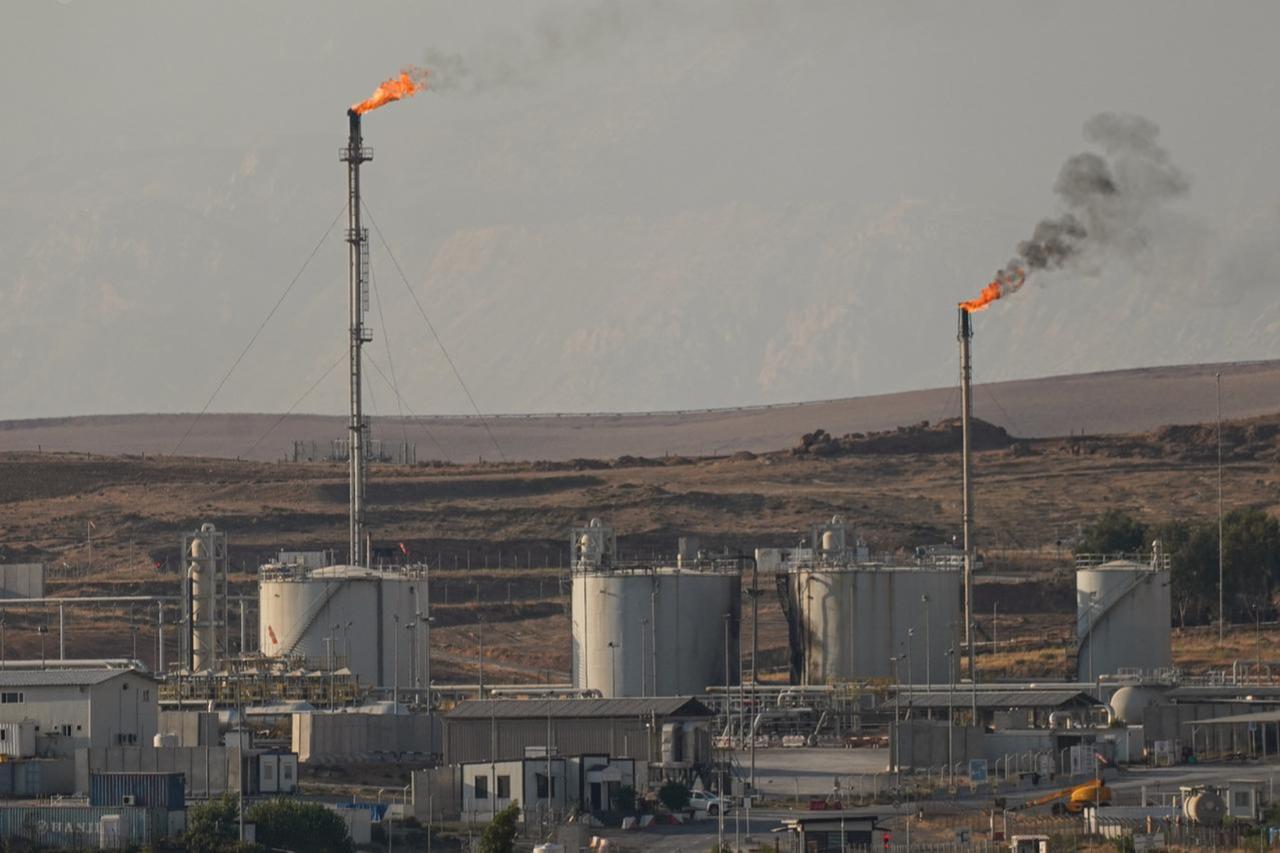


The United States Treasury Department on Tuesday broadened its economic campaign against Iran, sanctioning more than 50 individuals, vessels and entities tied to the petroleum shipping network of Mohammad Hossein Shamkhani, whose sprawling enterprise Washington says remains one of the most significant conduits for Iranian oil exports.
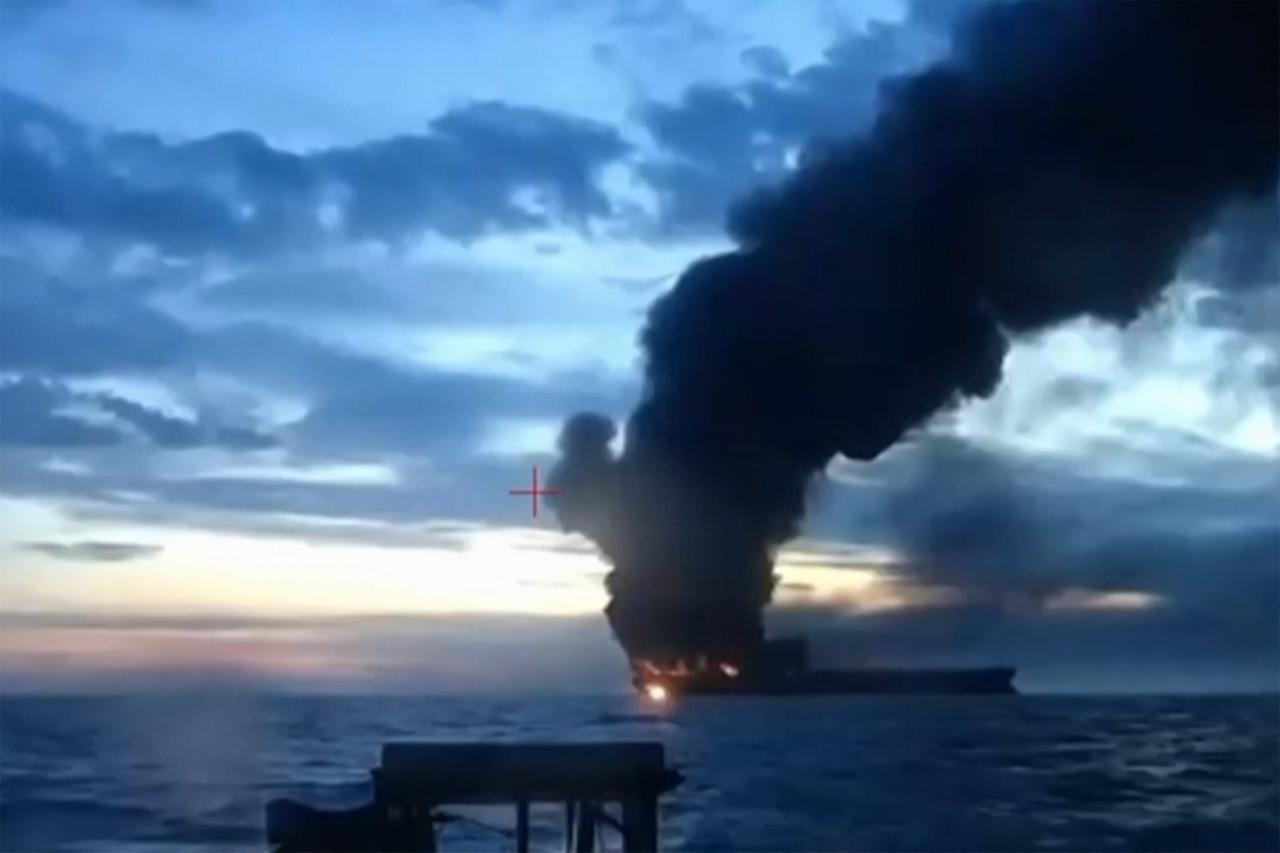
The action came as US forces carried out a fourth consecutive day of strikes against Iran, and as Iranian attacks on ships in the Strait of Hormuz continued, according to the International Maritime Organization.
A naval blockade was also reimposed as the conflict intensified.
Treasury framed the latest move in direct response to renewed maritime hostilities.
"This action is part of Treasury's ongoing efforts to ramp up economic pressure on the Iranian regime after it resumed destabilizing attacks in the Strait of Hormuz," the department said in a notice Tuesday.
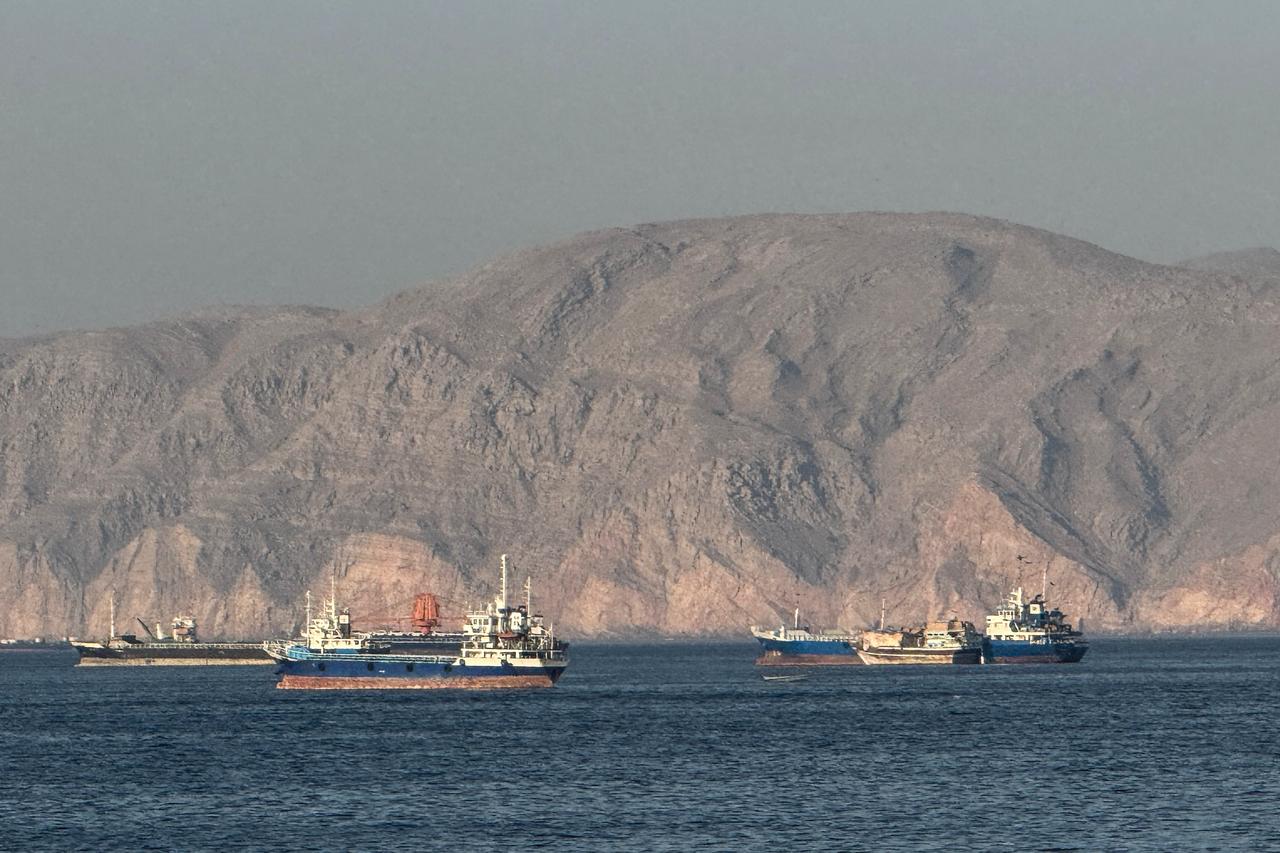
The Strait of Hormuz, the narrow waterway connecting the Persian Gulf to the Gulf of Oman and the Arabian Sea, is the world's single most critical energy chokepoint.
Roughly 20 million barrels of oil and petroleum products transited the passage daily in 2025, accounting for approximately one-fifth of total global oil consumption and about a quarter of all seaborne oil trade, according to US Energy Information Administration data.
The Shamkhani network, Treasury charged, is not only a primary engine behind Iranian oil exports but has increasingly branched into global commodities trading.
Treasury said it has now imposed sanctions on more than 200 individuals, entities and vessels operating under Shamkhani's patronage since it began targeting the network.
Mohammad Hossein Shamkhani was the son of Ali Shamkhani, a senior security official and advisor to Iranian Supreme Leader Ali Khamenei.
Both were killed on February 28, the opening day of US-Israeli strikes on Iran and the start of the current Middle East war.
Iran began blocking the strait following the February 28 attacks. Washington responded by imposing an initial naval blockade on Iranian ports, which ran from mid-April through mid-June, before the latest reimposition of the blockade this week.
The Strait of Hormuz has no practical maritime alternative for the Persian Gulf's oil producers, making any sustained closure acutely consequential for global energy markets, particularly in Asia. China, India, Japan and South Korea collectively received roughly 69 percent of all crude oil moving through the passage in 2024, according to EIA data.
 1 min read
US sanctions administered by the Treasury Department's Office of Foreign Assets Control, or OFAC, function by blocking the assets of designated individuals and entities within US jurisdiction and prohibiting American persons from conducting business with them.
Foreign financial institutions that knowingly facilitate significant transactions on behalf of sanctioned parties also risk exposure to secondary sanctions, which can cut them off from the US financial system.
The latest round of designations reflects Washington's continuing effort to choke off the revenue streams that fund Tehran's military operations, at a moment when the economic war over Iranian oil has become inseparable from the shooting war over the strait itself.


 Set as preferred source
 Set as preferred source



 1 min read