Newsletters


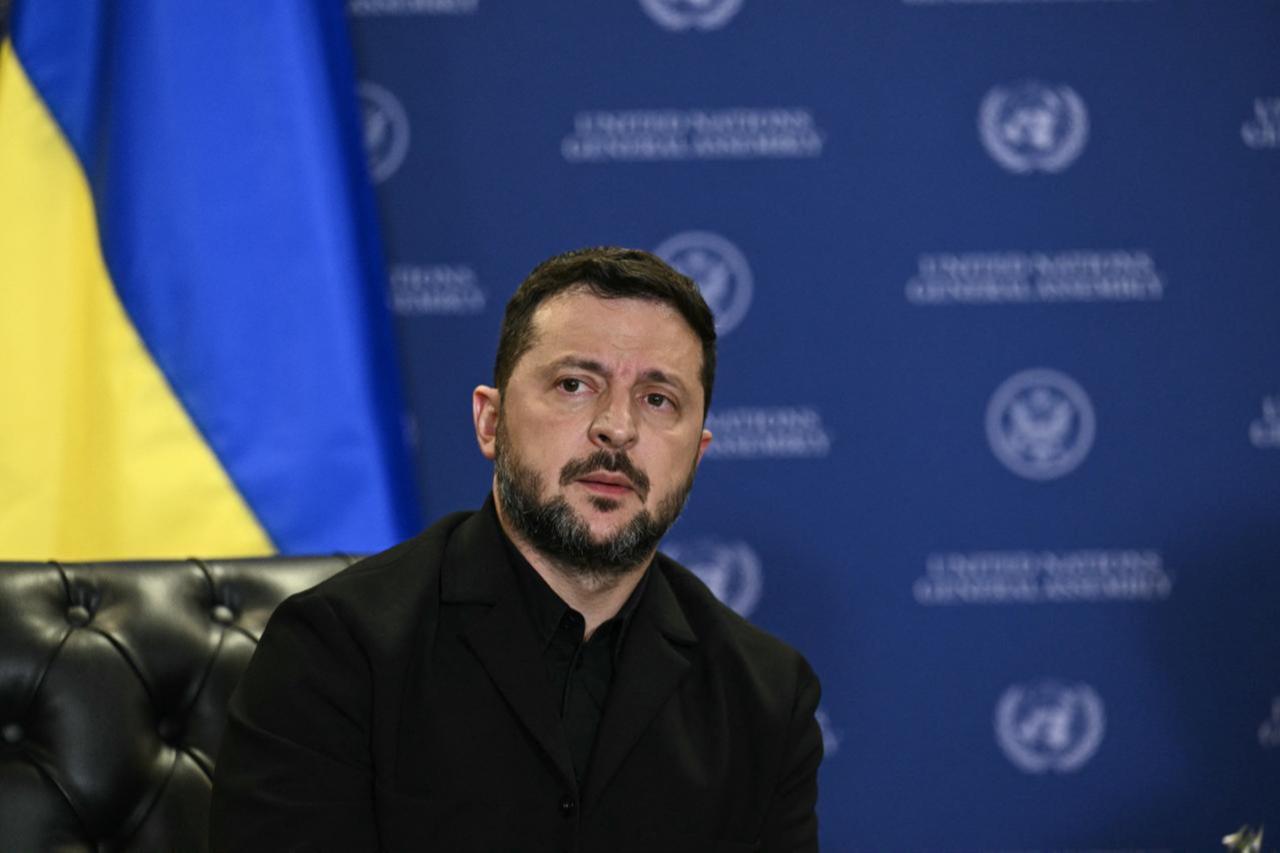


A possible meeting between U.S. Vice President JD Vance and senior Iranian official Mohsen Rezaei could take place in Istanbul or Doha as Washington seeks a negotiated settlement with Tehran and tries to avoid renewed conflict, The Washington Post reported.
Vance sent a letter last week to Rezaei, secretary of Iran’s Supreme National Security Council and a former commander of the Islamic Revolutionary Guard Corps, according to a U.S. official familiar with the negotiations.
The letter emphasized the national interests of both countries, with Vance stressing that Washington’s main objective is preventing Iran from obtaining a nuclear weapon.
The official said Vance described Iran’s interests as rebuilding its economy after war and sanctions and preserving national sovereignty, while also stressing that Tehran should send representatives authorized to discuss nuclear issues.
The Trump administration sees Rezaei as a key contact in Tehran who could help build support for a nuclear agreement, according to the Post.
U.S. intelligence officials believe Rezaei remains in regular contact with Supreme Leader Mojtaba Khamenei. If direct talks take place, Istanbul or Doha are considered the most likely venues.
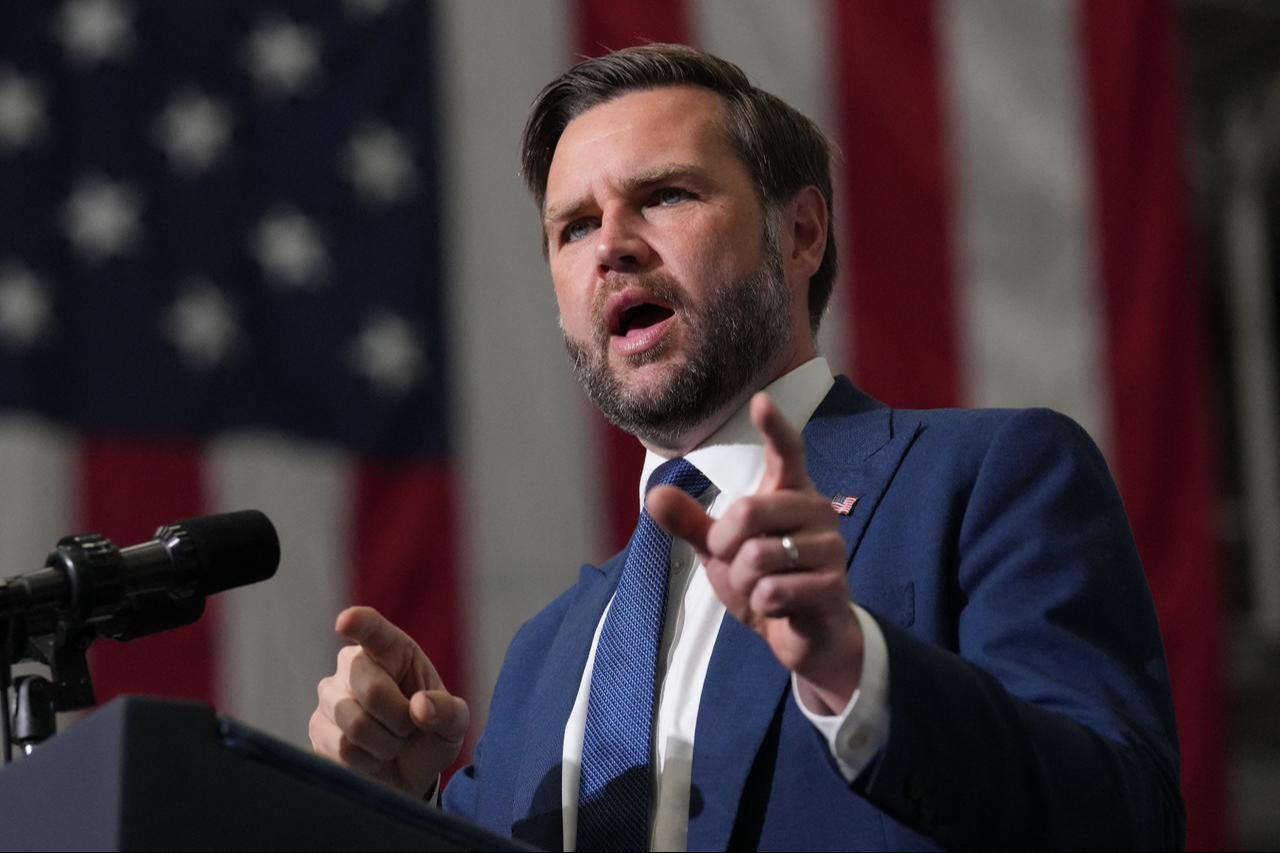

The White House believes the opportunity to reach an agreement without renewed conflict may be narrowing.
Israeli Prime Minister Benjamin Netanyahu has called for regime change in Iran, while U.S. President Donald Trump has said he wants to “finish the job” in Iran. The Pentagon has also increased its military presence in the region.
The Post reported, however, that Trump and Vance prefer a negotiated settlement.
Vance has led much of the administration’s diplomacy with Tehran. In April, he met Iranian parliament speaker Mohammad Bagher Ghalibaf in Islamabad and proposed ending U.S. sanctions and expanding economic engagement in exchange for a binding nuclear agreement.
The two sides later signed a limited memorandum of understanding, but it collapsed after fighting in the Strait of Hormuz.
Qatar has remained a key mediator and has maintained regular contacts with Rezaei and other senior Iranian officials.
Iranian officials reportedly viewed Vance’s letter as a sign of respect, though there was no indication Tehran had softened its position on the nuclear issue.
Separately, Ukrainian President Volodymyr Zelenskyy told The Sun that high-level peace talks involving Russia and Ukraine could take place within days of the U.S. midterm elections.
The talks are expected to be led by a U.S. team in Abu Dhabi and could take place as early as Nov. 10.
“We are ready to speak, we are ready for negotiations, any kind of format, we are even ready to speak about any kind of topics, sensitive topics for us,” Zelenskyy said.
He said Ukraine was prepared to discuss difficult issues but would not accept peace at any cost.
Zelenskyy also said the U.S. should remain neutral while recognizing Russia as the aggressor.
Zelenskyy accused Washington of slowing diplomacy after a planned meeting in Brussels was postponed as the U.S. shifted attention toward the Middle East.
“If you want to end this war you have to focus on it,” he said.
He also rejected Trump’s calls for him to step aside and said pressure on Ukraine, including missile shortages and disruptions to military-grade Starlink service, left Kyiv with little room for quiet diplomacy.
“There’s a lot of pressure on Ukraine at this moment, of course, and I have to be louder and I will be,” Zelenskyy said.


 Set as preferred source
 Set as preferred source


 1 min read
 1 min read