Newsletters


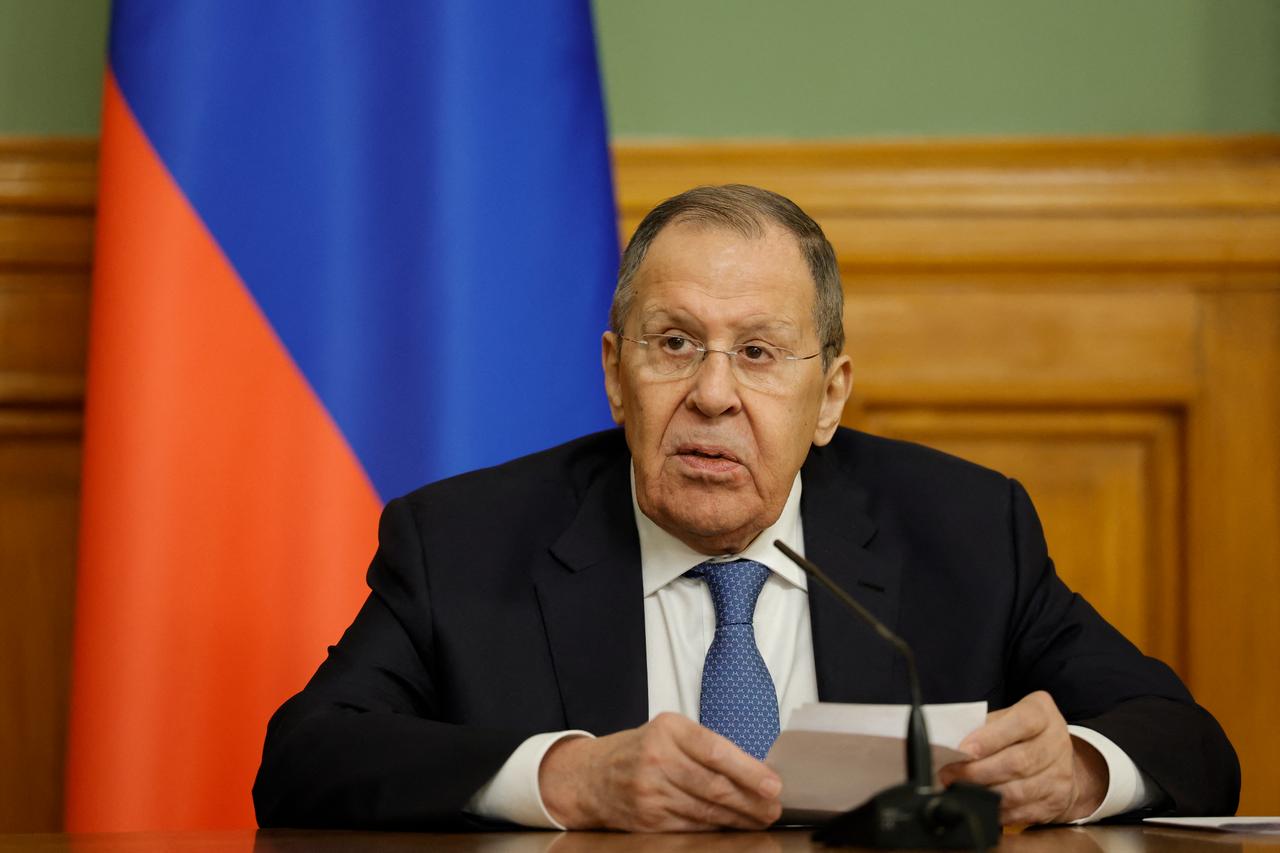


Russian Foreign Minister Sergey Lavrov said the United States is pushing Russia out of key energy markets, including in the Balkans, in an interview for the “Looking Back” television program hosted by Leonid Mlechin on March 21, 2026.
Speaking in the interview, Lavrov said Russia is being forced out of Serbia and other markets as part of what he described as a broader U.S. strategy to dominate global energy resources.
“Russia is being pushed out of Serbia as well. The Americans are doing it,” Lavrov said.
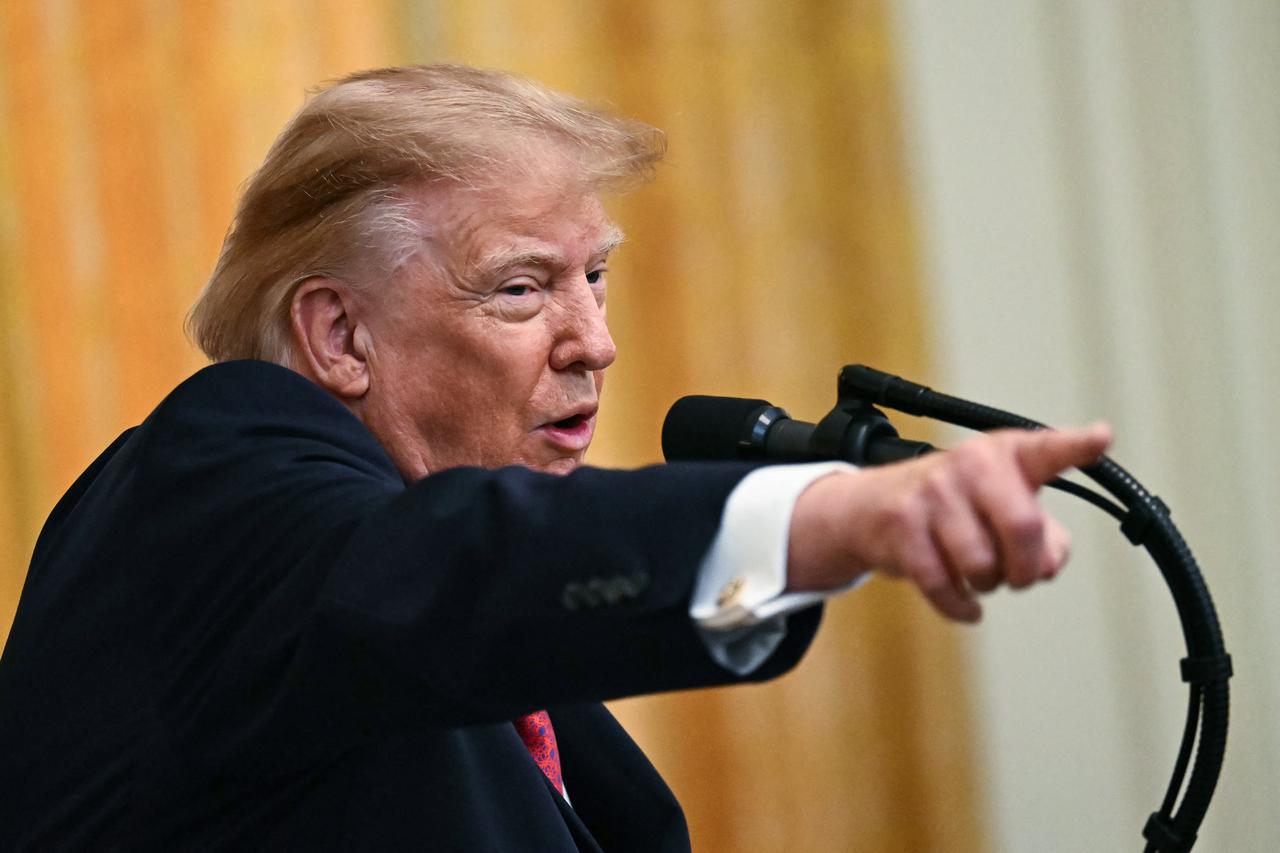
He said Washington is pursuing global energy dominance, pointing to sanctions on major Russian companies such as Lukoil and Rosneft under the Trump administration.
Lavrov said Europe has been cut off from Russian energy, recalling that the United States opposed the Nord Stream pipelines even before they were built and that Europe has now lost access to them.
He said countries such as Hungary and Slovakia are resisting pressure to abandon affordable energy supplies but are being told to purchase energy at higher prices.
Lavrov described this as an attempt to return to a “colonial era,” accusing European institutions of forcing decisions on member states.
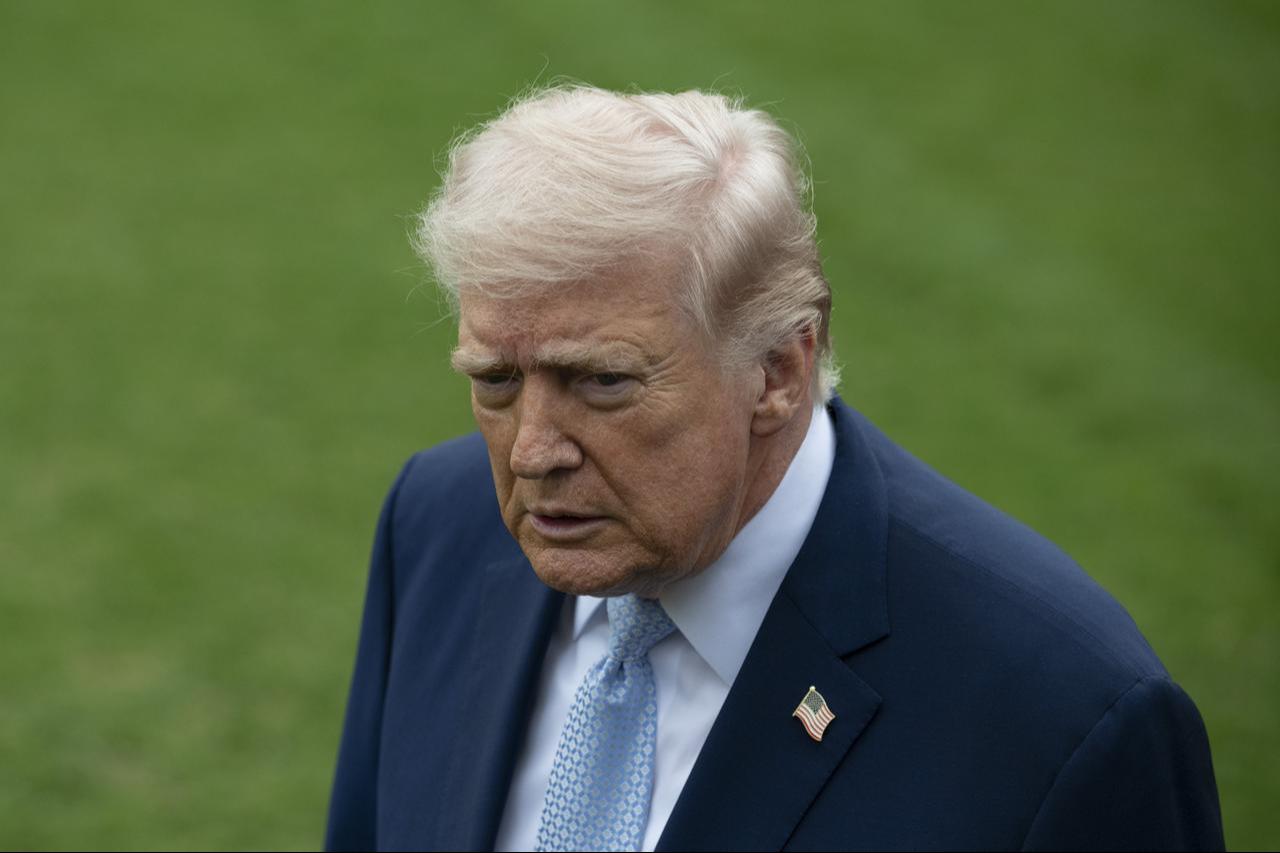

Lavrov warned that the global system is moving toward a period without established international frameworks.
“We are witnessing a stage in history… taking us back to a world where nothing existed — no international law, no Versailles system, no Yalta system,” he said.
He said this reflects a shift to a system where “might makes right,” arguing that the United States has declared it will act based on its own interests rather than international rules.
Lavrov said Washington is prepared to defend its interests by “whatever it takes,” including coups, abductions, and killings of leaders in countries with natural resources such as Venezuela and Iran.
He said U.S. policy is driven by a doctrine of dominance in global energy markets.
Lavrov contrasted Russia’s diplomatic approach with that of the United States, saying Russian diplomats are trained with deep knowledge of regions, languages and history.
He said U.S. diplomatic assignments are shorter and involve frequent rotation between regions, which he described as a different tradition.
Lavrov said effective diplomacy requires understanding historical context and the positions of counterparts, adding that approaches such as presenting ultimatums would not work in regions like the Middle East.
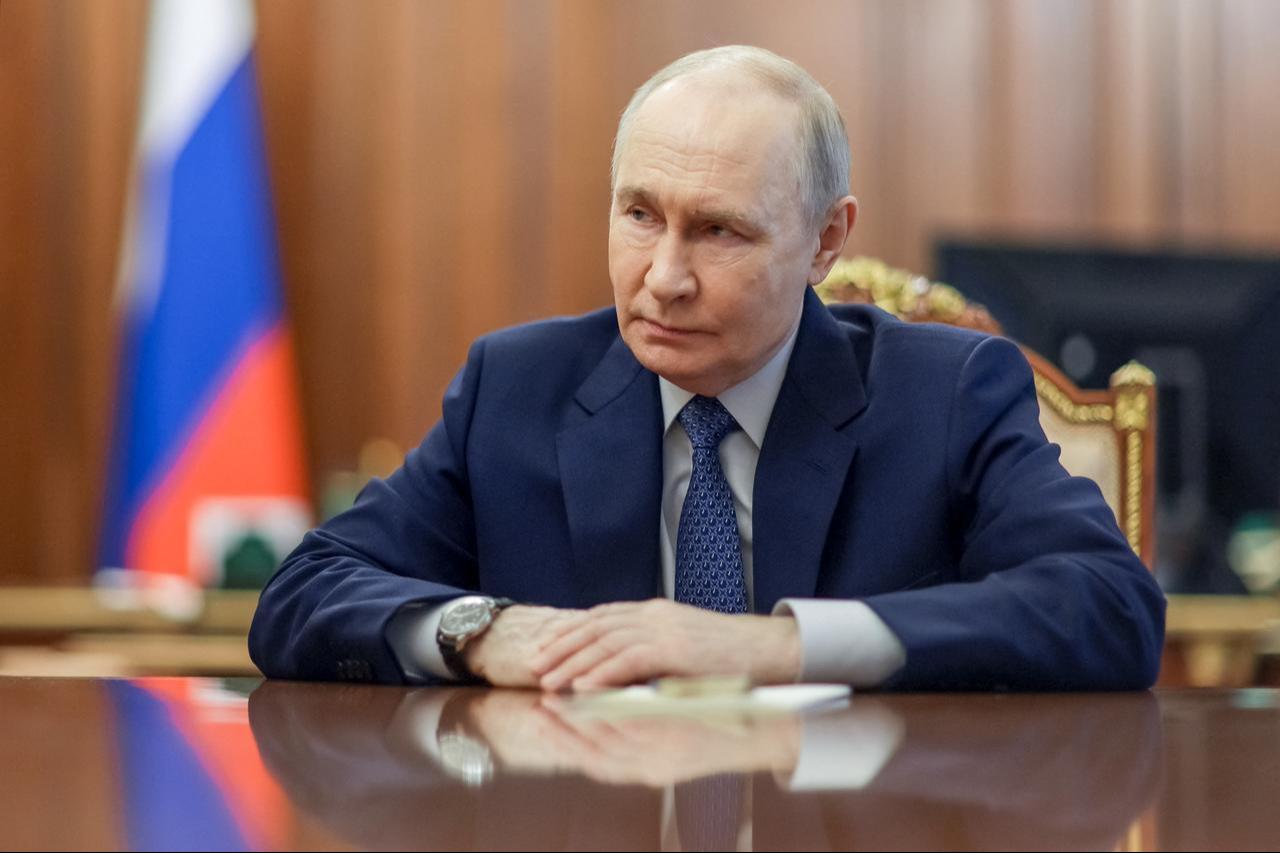
Lavrov said Russia must rely on its own strength, citing its military capabilities, including the army, navy, aerospace forces, and emerging unmanned systems.
He said the country’s long-term strategy includes strengthening technological capacity, including artificial intelligence, while ensuring diplomacy supports national interests.
Lavrov added that Russia seeks to maintain relations with partners while remaining cautious toward those it considers unreliable.


 Set as preferred source
 Set as preferred source


 1 min read


 1 min read